

At Artelista we work to encourage art collecting, and we thought it would be interesting to begin this series of posts in which we'll take a brief tour through the History of Collecting from its beginnings to the present day.
In the ancient world we already find great accumulations of objects that make up some of the most fascinating treasures ever unearthed, such as the Terracotta Warriors that accompanied the tomb of Qin Shi Huang (210 BC) or the tombs of the pharaohs in Egypt. These great funerary trousseaus were only accumulations of precious objects, valued more for the quality of their materials than for their craftsmanship. What's more, these treasures were assembled to stay hidden and, in the cases mentioned above, to accompany the deceased on their journey to the afterlife. We find similar cases in any other civilization of the same period, such as the pre-Columbian ones across the Americas.
In Greece, the priestly caste also amassed treasures of precious metals that were kept in the temples and rarely displayed, except for the larger pieces, which could serve liturgical purposes. The Hellenistic kings, for their part, piled up enormous treasures in their palaces, which were already sumptuous in themselves. Artworks proper (paintings on wood, for example) were found in the libraries, where knowledge was gathered, along with scientific instruments, in a room called the pinakotheke.
In this period, the basic way of collecting arose out of war booty and plunder. These practices went hand in hand with any military victory and, in a more or less planned way, consisted of taking everything of value that could be found in the defeated city: people, weapons, money, artworks. These pieces were displayed in the victorious metropolis to decorate public spaces and to thank the gods for a favourable victory. In the plundering, only cult images were spared.
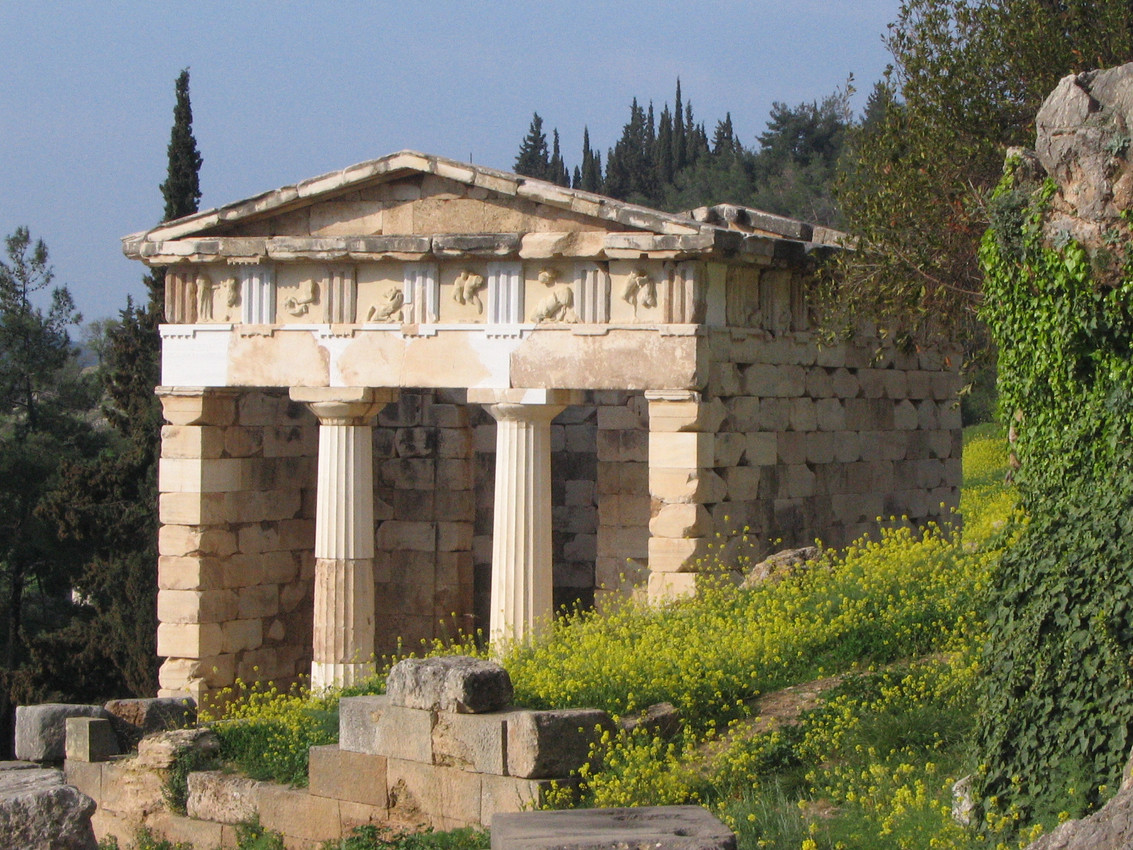
The Roman people were culturally contaminated by the peoples they conquered, and their admiration for the Greeks made it easy to buy Greek artworks as well as copies of them. Collecting existed in the Roman world, conceptually different from today's, but there was a will to own those artworks. There was a very active trade and a very active plundering, as shown by the large number of obelisks transported to Rome and the many shipwreck remains found in the Mediterranean. The artworks were displayed in public spaces (baths, forums, circuses) and in private ones, such as the villas of the patricians and the emperor.
In the Middle Ages, the artist was still a mere craftsman and therefore had no social recognition. Aesthetic pleasure did not exist as a driving force for collecting, and objects were valued mainly for their economic worth, that is, for the materials they were made of. That's why the most highly regarded craftsmen were the goldsmiths. Paintings and sculptures interested them not for their aesthetic value but for their (religious) usefulness, and they weren't collected but commissioned when they were needed. Saints' relics were held in great esteem.
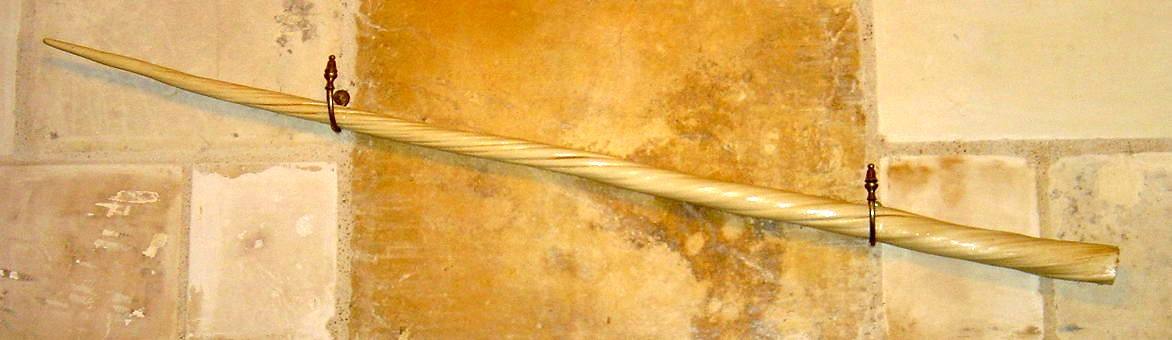
During this period there was a strong interest in certain singular and exotic objects that had nothing artistic about them. Highly prized were, for example, giants' bones (dinosaurs) and unicorn horns, which were nothing more than the tusk of a narwhal, a small cetacean. They were also fascinated by crocodiles, since they resembled what the collective imagination identified as dragons, and even today you can find some hanging from the ceilings of certain churches. Naturally, coins, medals and cameos were also very highly valued for their material worth.
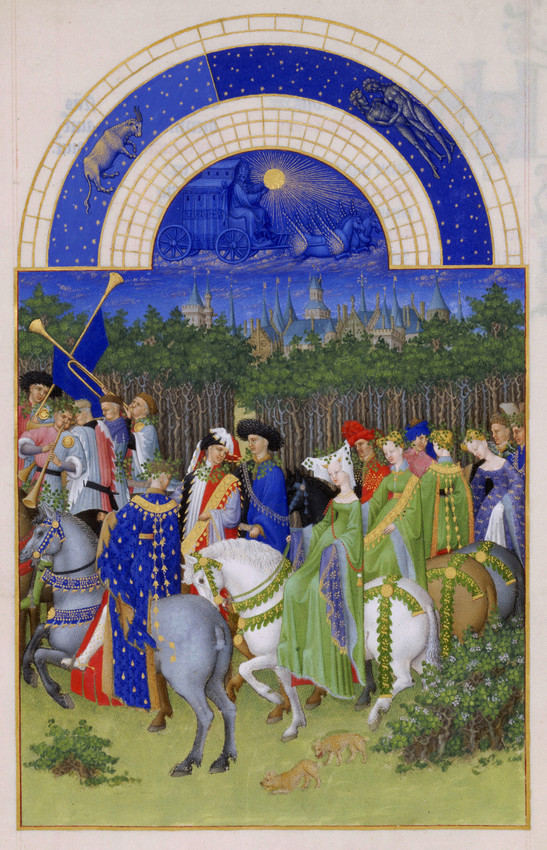
Collectors were mainly kings, princes and other members of the aristocracy, who amassed huge quantities of pieces, such as altarpieces, books of hours and large tapestries. One of the greatest collectors of this period was Isabella the Catholic (1451 - 1504), thanks to her characteristic devotion, but probably the most important was the Duke of Berry (1340 - 1416), who put together an interesting collection of Gothic miniatures, among which Las muy ricas horas del Duque de Berry (1410 - 1416), by the Limbourg brothers, stands out.
As we can see, it isn't until well into the Middle Ages that we start to come across a true form of collecting driven by aesthetic interests, and it's from this point on that it will begin to look more like today's concept of the term, understood as an urge that pushes certain figures to acquire artworks in order to arrange and admire them.
In the next chapter we'll look at how the collecting phenomenon was experienced in 15th-century Italy, in the middle of the Renaissance, through collectors such as Federico da Montefeltro (1422 - 1482) and Isabella d'Este (1474 - 1539).





Comments (0)
Log in to leave your comment. Log in