
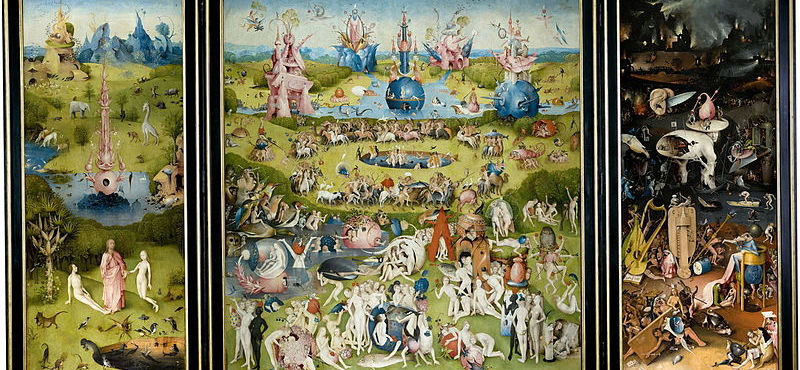
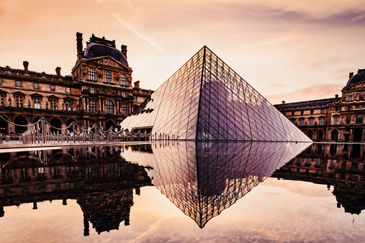
The birth of the Prado Museum as Spain's great national art museum was preceded, as we saw in the previous chapter, by the creation of other national museums, such as the Louvre, the Uffizi or the Vatican Museums. These institutions owe their greatness to the collecting zeal of the various kings and popes who ruled the respective territories and who took it upon themselves to acquire the artworks that today make up the core of their collections. The Prado Museum was formed following the same pattern.
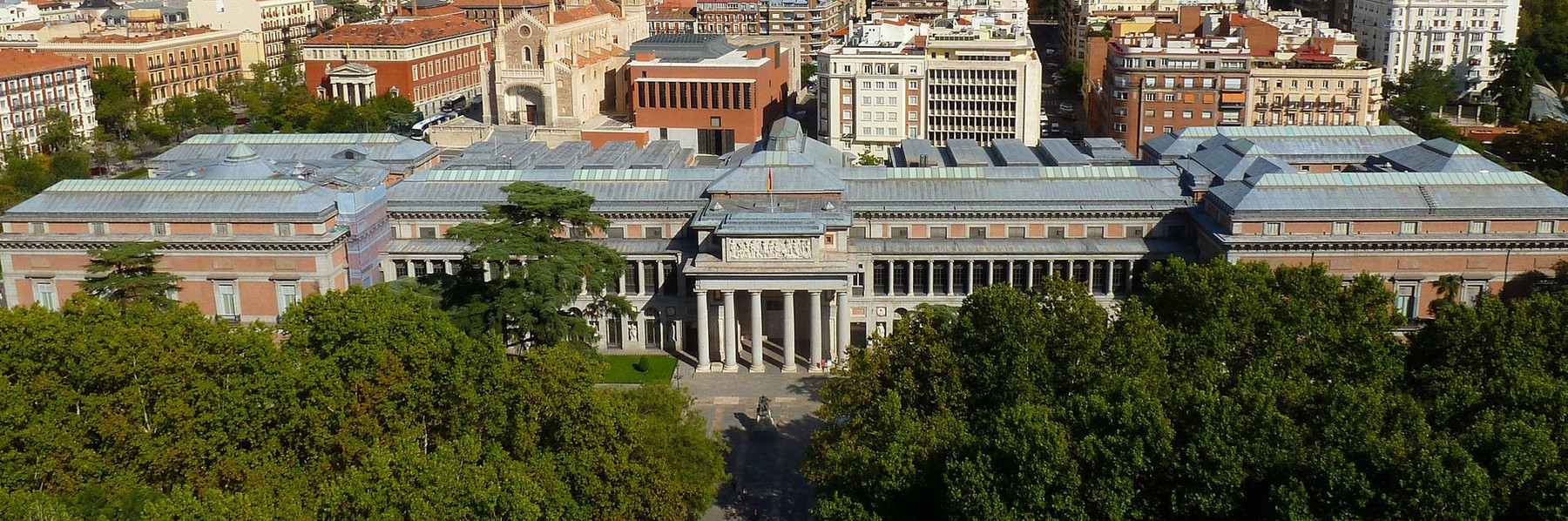
The building that houses the Prado Museum, originally designed by Juan de Villanueva, was conceived to hold the Royal Cabinet of Natural History, which is why it stands next to the Royal Botanical Garden. While it was under construction, with the arrival of the French troops, it was used as a barracks and its lead roofing was used to make bullets. In 1818-1819, Ferdinand VII and his wife Maria Isabel of Braganza decided to recover the building in order to exhibit a small collection of some 300 artworks belonging to the Spanish Royal Collections. In its early days, the display was very much focused on the Spanish School, but little by little it was adapted to exhibit artworks from more varied styles and schools.
On Ferdinand VII's death, the royal collection should have been divided, as had been done before, among his heiresses. Instead of breaking up the collection, Isabella II decided to keep the royal collection as a single lot and, later, in 1865, the property of the Crown would be tied to the State. This made it possible to keep together the collection that would end up forming today's Prado Museum.
The Prado Museum did not only draw on the Royal Collections, the holdings of the Museo de la Trinidad were also added to it. That museum was created by the State out of the Mendizábal Confiscation (1835), which meant the suppression of the monastic orders and the expropriation of their goods, which became State property. This museum's holdings contributed some 2,000 artworks to the Prado Museum.
The incorporation of the Museo de la Trinidad holdings into the Prado's collection revealed an obvious problem that everyone had feared: the museum's exhibition space was far smaller than desired. Ever since, managing the exhibition space properly has been the biggest headache for the museum's management. With total holdings of some 28,000 artworks, of which 8,000 are paintings, up to 1,500 can be seen on display. Before the much needed extension of the museum carried out by the architect Rafael Moneo in 2007, fewer than 1,000 artworks were exhibited. Adding the Jerónimos building to the museum provided exhibition space for another 300 - 450 artworks.
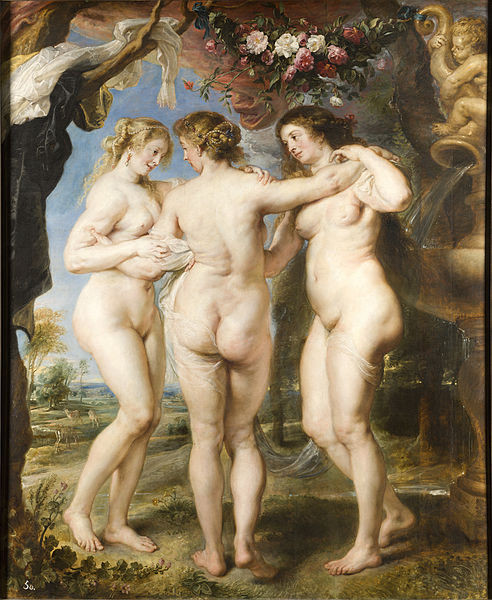
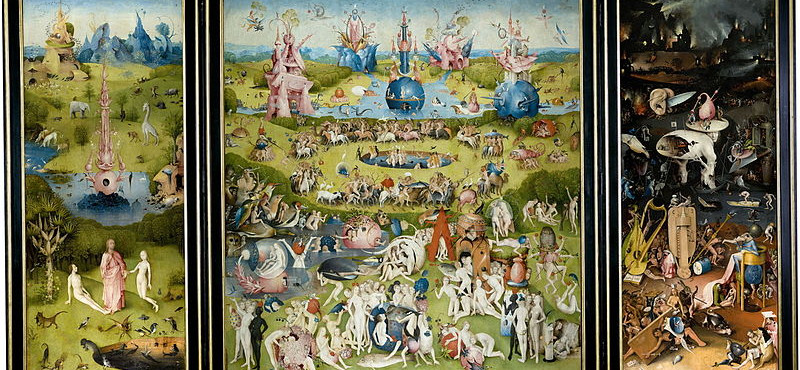
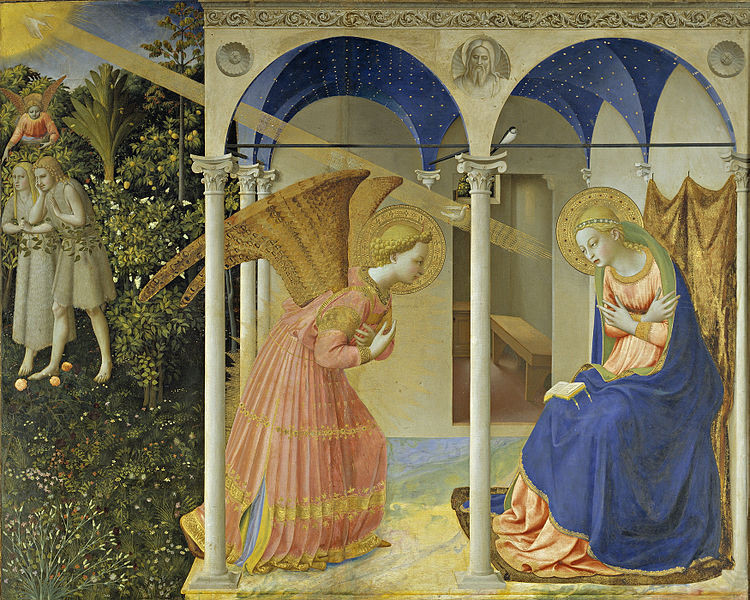
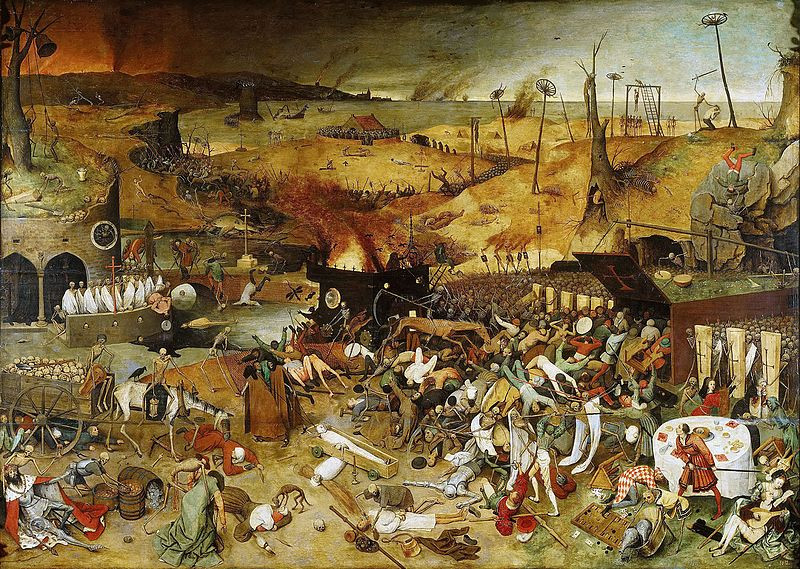
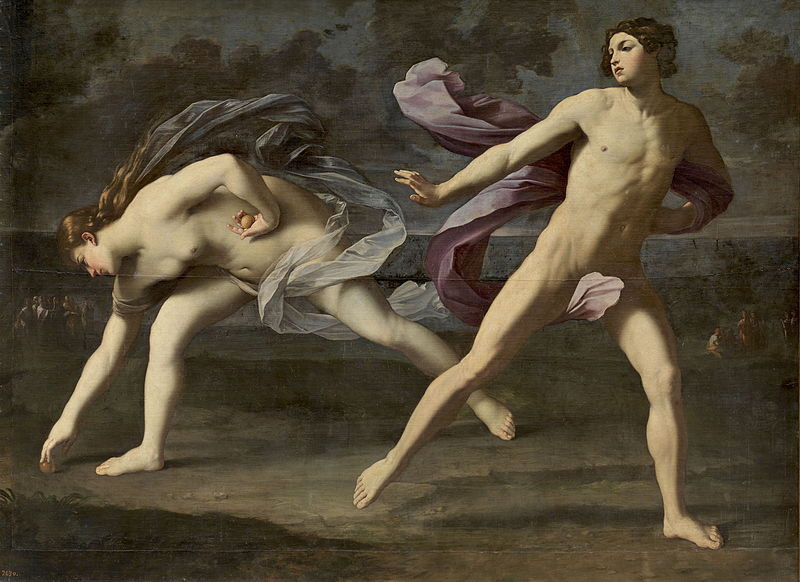
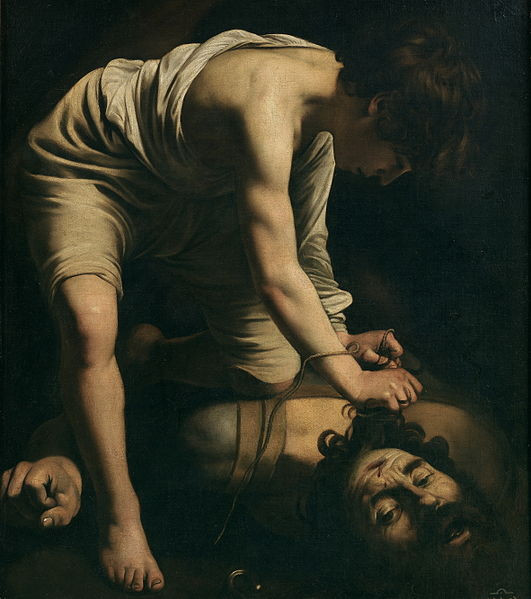
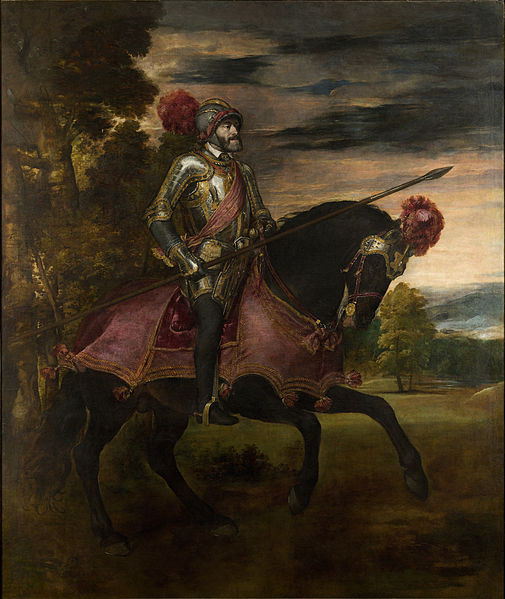
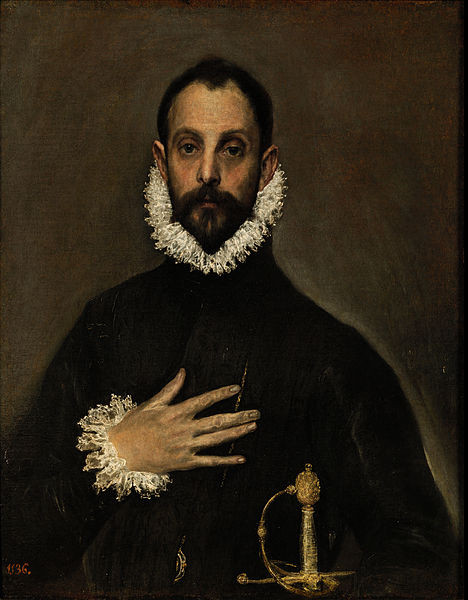
The Prado Museum has been considered by many to be the most important picture gallery in the world for European painting, especially because of the great number of artworks from the Spanish school by artists of the stature of Velázquez, Ribera, Murillo, Goya, el Greco, or Zurbarán. Its Flemish painting holdings are also highly relevant, with artists such as Rubens, el Bosco, van Dyck, Jordaens or Brueghel; and so are the Italian ones, with great artworks by Mantegna, Botticelli, Fra Angelico or Rafael, but with special mention for the Venetian school, at the hands of Tiziano, Tintoretto and Veronese. From the Baroque period, Orazio and Artemisia Gentileschi, Guercino, Carracci, Guido Reni stand out and, in particular, Luca Giordano, who worked for Charles II.
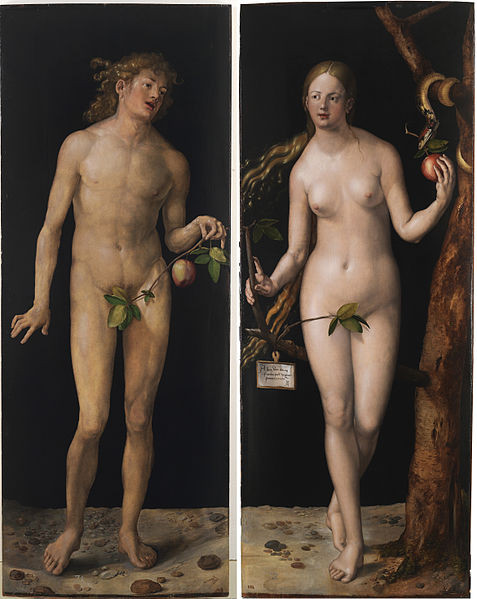
As for French and German painting, the Prado Museum does not have holdings as relevant as those of the previous schools, but it does have masterpieces by artists such as Poussin, Claude Lorrain and de La Tour (France); and Durero, Cranach, Hans Baldung and Mengs (Germany).
Having found out how some of the great European museums were formed, such as the Vatican Museums, the Louvre and the Prado, we will cross the pond to discover how the great North American collections were put together, like those of Henry Frick, Andrew Mellon or John P. Morgan.
Comments (0)
Log in to leave your comment. Log in