
From the discovery of America onwards, the Spanish crown enjoyed a long period of great splendour that encouraged the creation of impressive art collections among the Spanish aristocracy and royalty. The first king to take a deep interest in painting was Philip IV (1605 - 1665), who amassed a first-rate collection that today makes up a large part of the collection of the Prado Museum.
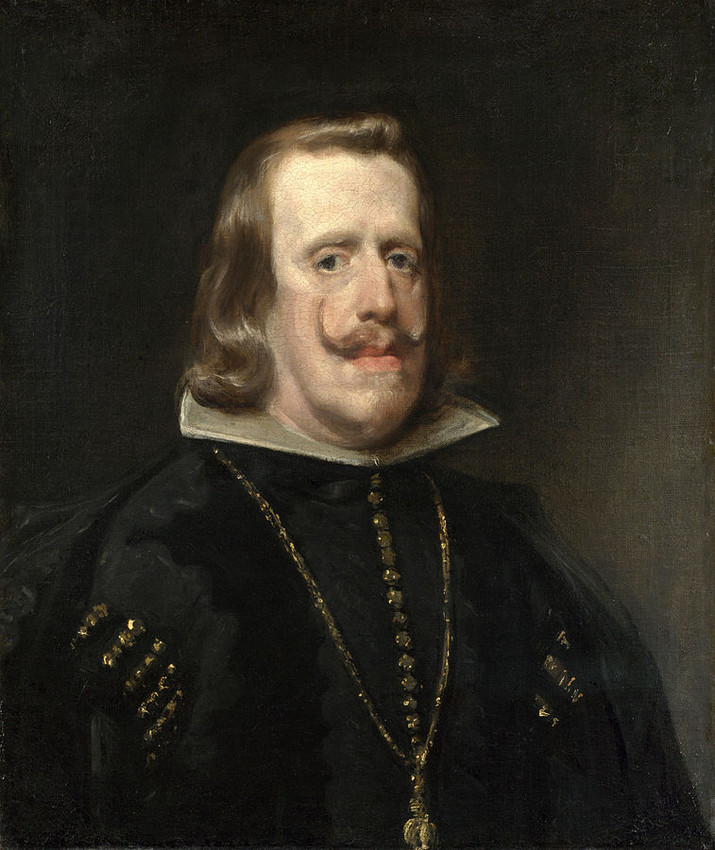
Philip IV was an example for the rest of the courtiers, who imitated him and set about acquiring first-rate artworks all over Europe. Just as had happened with the English aristocracy around the figure of Charles I, Philip IV received countless pieces as gifts from Spanish nobles who wanted to earn his respect. Unfortunately, many of the buildings that housed the Habsburg royal collection, such as the Royal Alcázar of Madrid or the Buen Retiro Palace, no longer stand, and so it is difficult to imagine how the artworks were arranged. The palace that has survived is the Monastery of El Escorial, whose decoration was entrusted to Diego Velázquez (1599 - 1660).
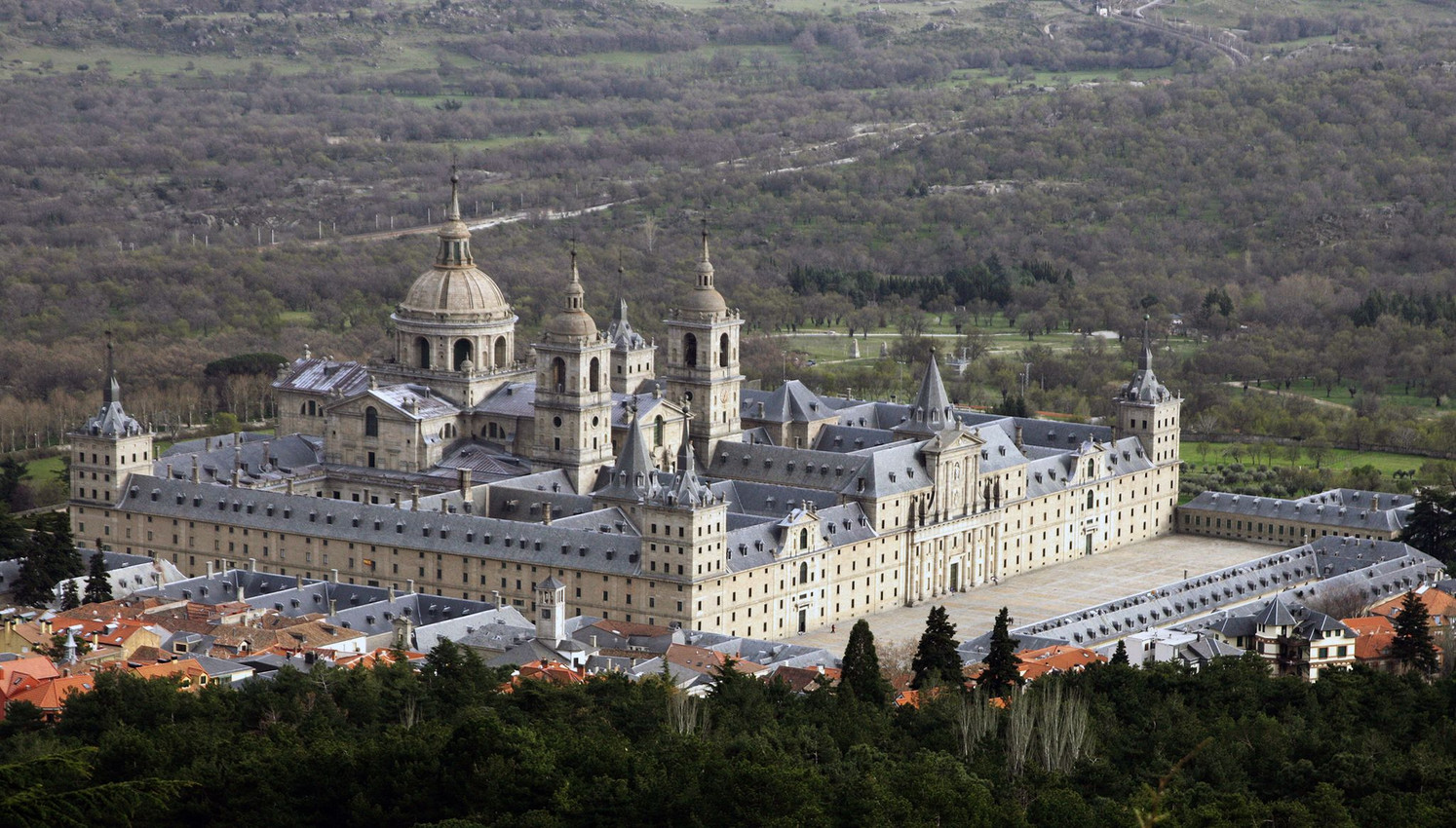
Many of the artworks that were at El Escorial were taken to the Prado Museum, although hugely important pieces are still on show there, such as La Última Cena and San Jerónimo by Titian or the Crucifixión by Rogier van der Weyden, among many other artworks by Hieronymus Bosch, Tintoretto, Veronese, Luca Giordano, Guercino, Zurbarán, José de Ribera, etc.
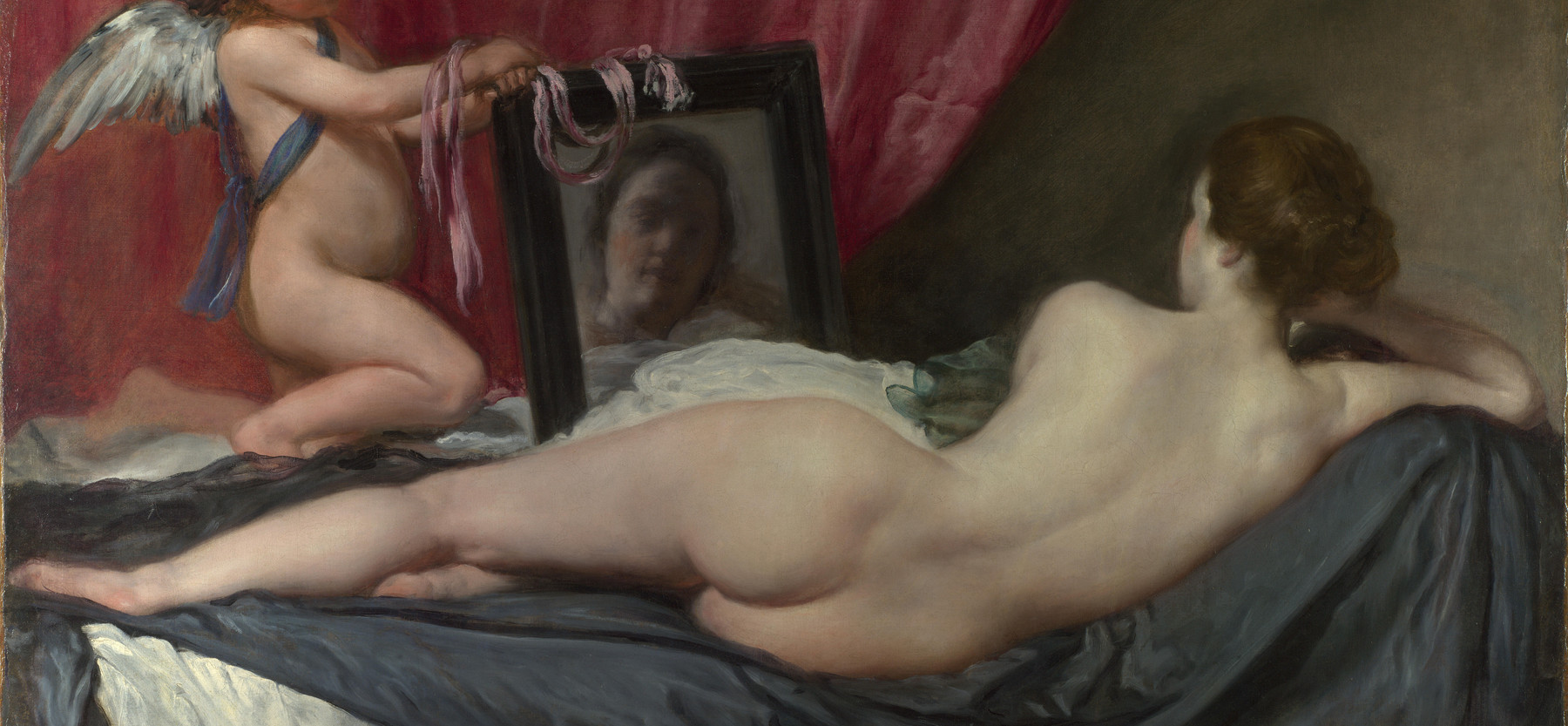
Of all the nobles who put together interesting collections worth studying, it is worth singling out those of Luís Méndez de Haro y Guzmán (1598 - 1661), 6th Marquis of Carpio, and of his son, Gaspar de Haro y Guzmán (1629 - 1687), 7th Marquis of Carpio, who at just 21 acquired Velázquez's Venus del Espejo (1651).
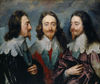
Luís Méndez de Haro was in charge of negotiating the sale of a large part of the artworks in Charles I of England's collection and, although he paid for the vast majority of them, he gave many away to Philip IV. On his death he left a legacy of 223 artworks which, though they may seem few, were chosen with the greatest judgement and artistic taste. In his will he wanted one of his great artworks, a Raphael, to be handed over to the king, but his son, Gaspar de Haro, preferred to keep it and swapped it for a Titian. Later he would attempt to harm Philip IV, for which he was punished and temporarily sent away from court, as ambassador in Rome. During this stay in Italy of only 6 years, he gave free rein to his passion for art and bought such a quantity of artworks that on his death more than 3,000 were recorded across his properties in Spain and Italy.
Gaspar de Haro accumulated artworks by the most celebrated artists of the Renaissance, such as Leonardo da Vinci, Titian, Giorgione, Tintoretto, Veronese, Raphael, Parmigianino and Caravaggio, but he was also an avid patron of contemporary artists such as Velázquez, Rubens, Poussin or Domenichino, among many others. He was a close friend of Luca Giordano and Carlo Maratta.
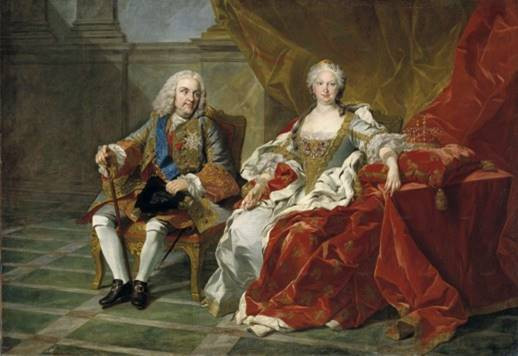
Elisabeth Farnese (1692 - 1766), second wife of Philip V (1683 - 1746), was the first queen to own an art collection of her own, put together according to her personal taste. It is estimated that of the 1,400 artworks inventoried on the king's death, 900 belonged to Elisabeth Farnese. This is a significant fact, since up to this point women had stayed out of the acquisition of art and the artworks that decorated their rooms were chosen from among those in the royal collection, with no added interest.
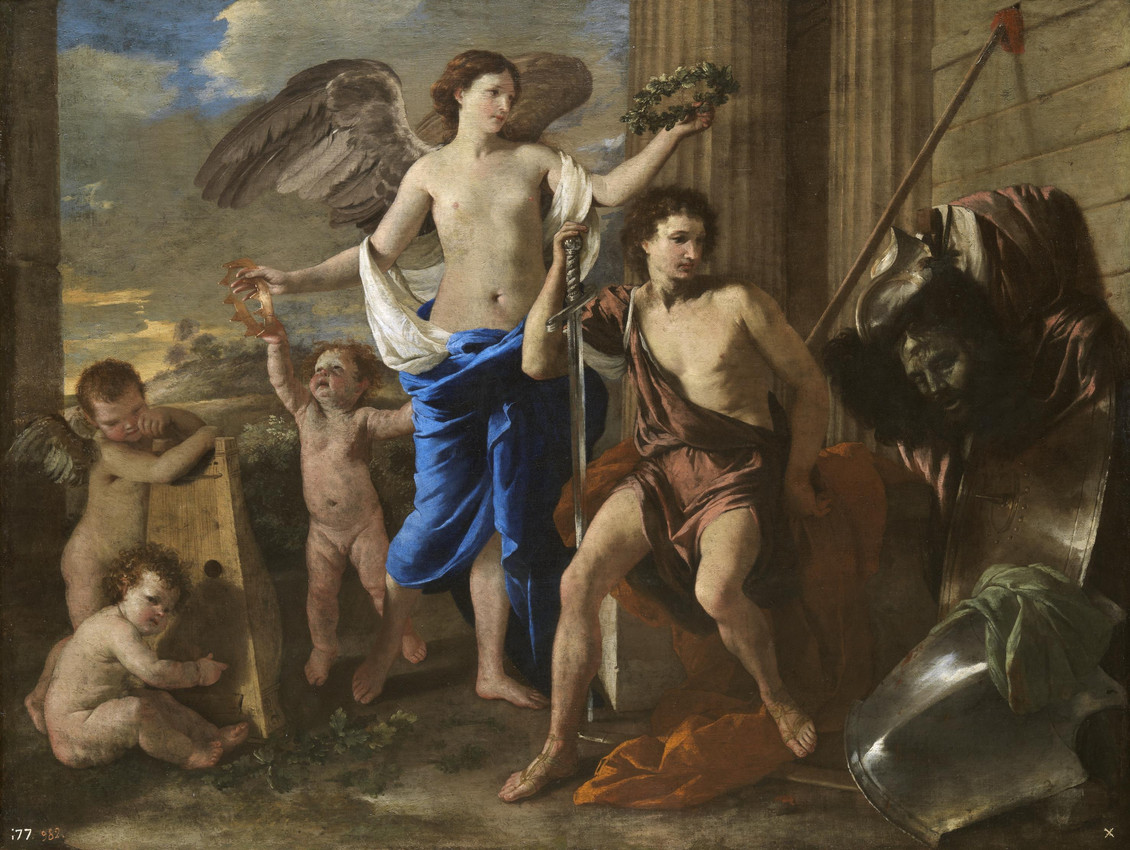
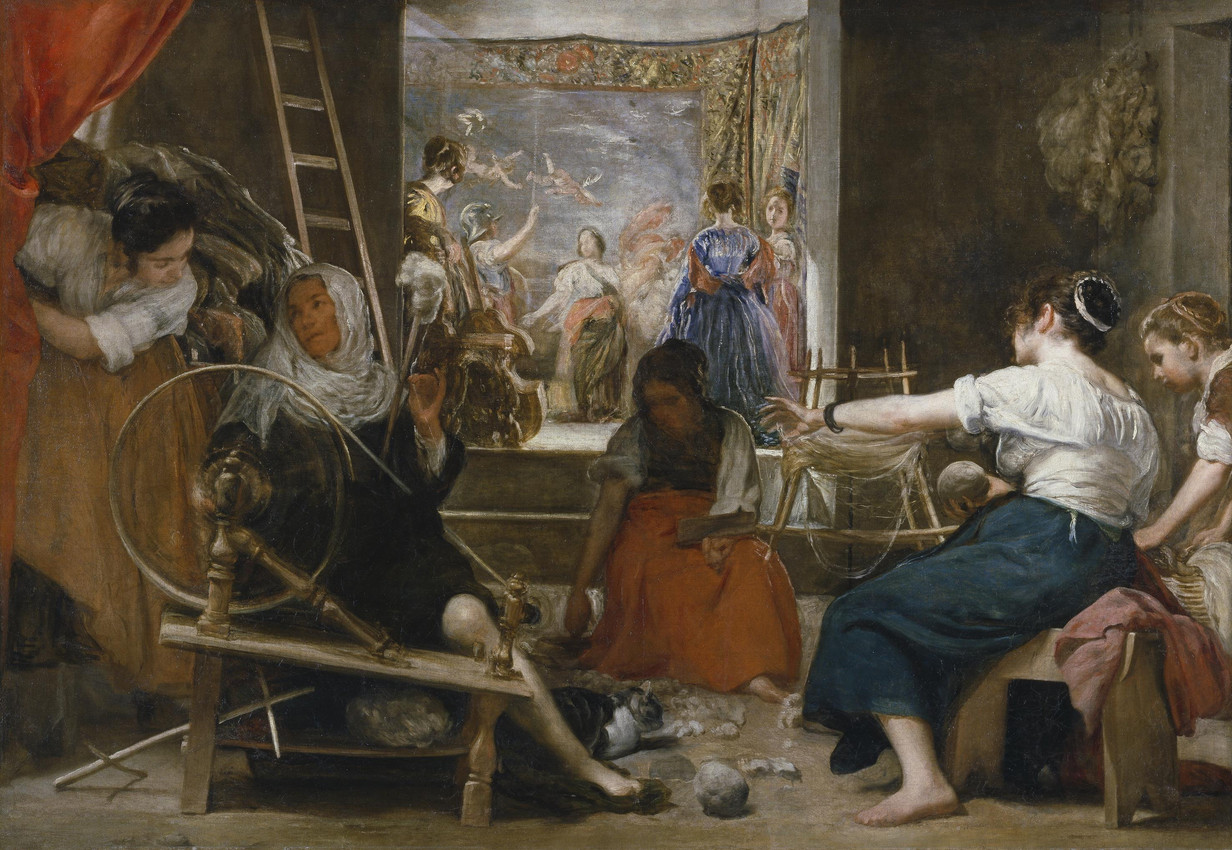
The most important act of patronage by the royal couple was the building of the Royal Palace of La Granja de San Ildefonso, where they would both be buried on their death instead of at the Royal Palace of Madrid. The queen's collection was fed by acquisitions made all over Europe, such as the purchase of Carlo Maratti's collection and of Queen Christina of Sweden's sculptures. At an auction in Rotterdam she bought two Poussin canvases that we find in the Prado (El triunfo de David and Baco y Ariadna). She also received gifts and inheritances, such as Velázquez's Las Hilanderas or El Greco's Caballero de la mano en el pecho, among many others.
In the next post we'll look at how the Vatican Museums and the Louvre Museum came into being.
Comments (0)
Log in to leave your comment. Log in