
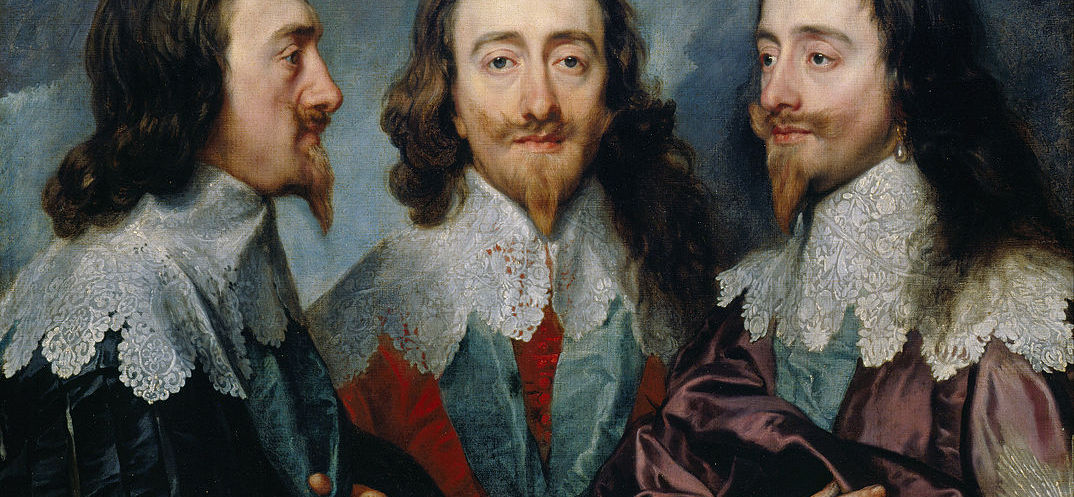
In the previous chapter about Painting Cabinets we discovered that the art market in Europe was already very international, so buying large collections coming from other countries was quite common. The English were avid and discerning art collectors, especially in the circle of Charles I of England.
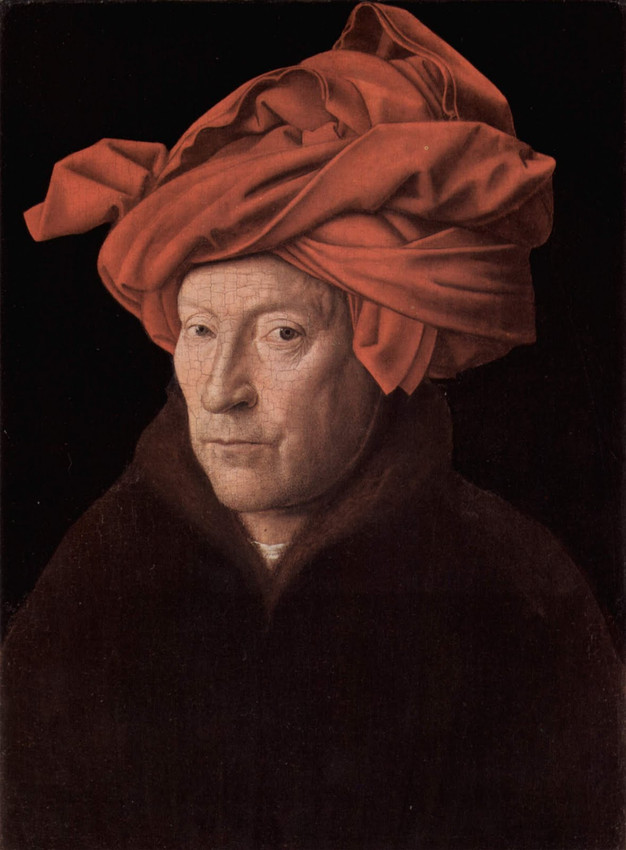
The man who laid the foundations of this English aristocratic collecting was the Earl of Arundel, Thomas Howard (1586 - 1646) who, together with his wife, amassed an interesting collection of classical statuary and Nordic painting (Dürer, Brueghel, Bosch), with van Eyck's Autoretrato in the National Gallery in London standing out. He was also one of Rubens' main patrons and one of the first to notice Van Dyck.
Others who devoted themselves to buying great pieces of the best European art were George Villiers (1592 - 1628), 1st Duke of Buckingham, and James Hamilton (1606 - 1649), Duke of Hamilton, collections that, once they had died, ended up in the hands of Archduke Leopold Wilhelm.
Without a doubt, the key figure of the period was Charles I of England (1600 - 1649), who managed to bring together more than 1,500 artworks. In 1623 he travelled to Madrid to ask for the hand of the daughter of Philip IV and Isabella of Bourbon and, although he returned to England without a wife, during his stay in Spain he discovered Philip IV's great art collection, and the Spanish king gave him two Titians with which the Englishman began his extensive collection.
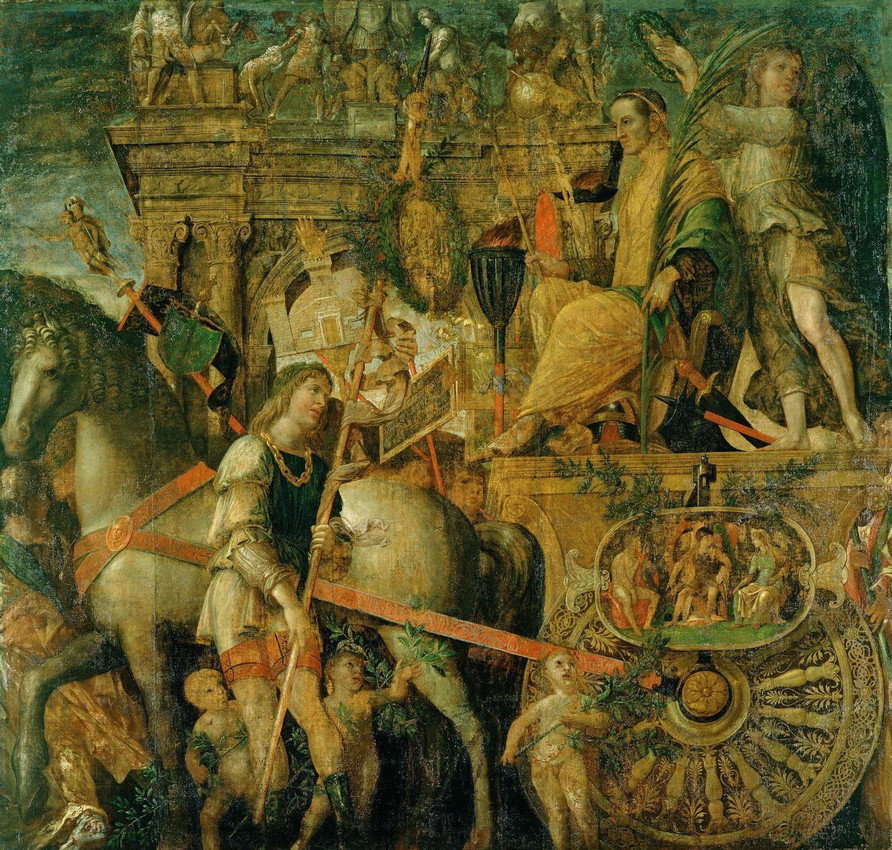
He soon acquired the famous Cartones de Rafael, a series of paintings meant to serve for the later making of tapestries for the Sistine Chapel, kept today in the Victoria & Albert Museum in London. He also got hold of an important part of the collection of the Gonzaga family, dukes of Mantua, made up of interesting pieces by Italian artists such as Titian and Correggio, as well as Mantegna's Los triunfos del César, one of the painter's most celebrated artworks. The king's collection was not fed exclusively by purchases or commissions, it also received a great many artworks as gifts from the English nobility or other international rulers.
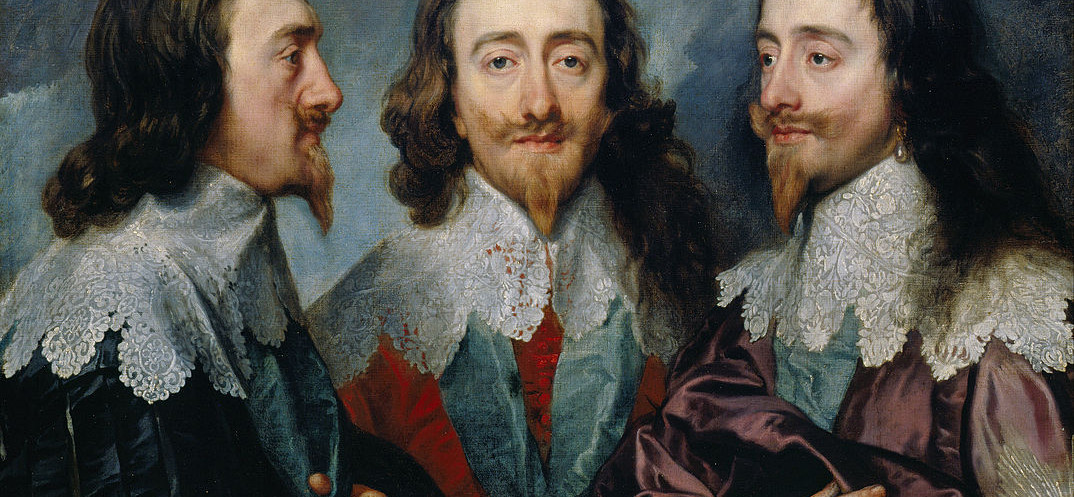
Charles I was a patron and protector of great artists of the stature of Rubens, Orazio Gentileschi and his daughter Artemisia, or Anton van Dyck, who would paint numerous portraits of the king and end up as his court painter.
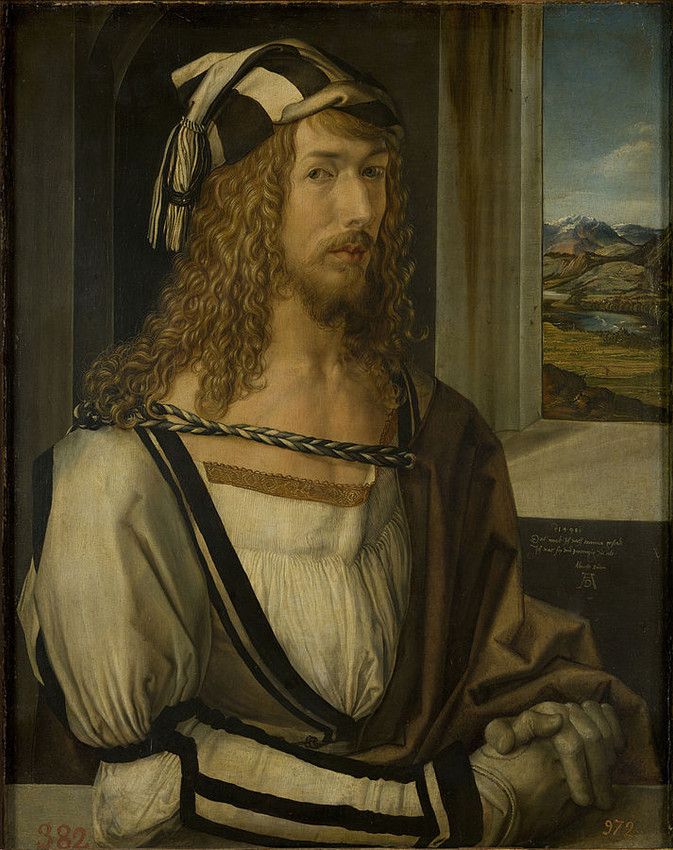
Once the English Civil War was lost, Charles I was executed in January 1649 and a large part of his art collection was sold to recover the money he owed the English people. A collection of that quality and size coming onto the international market meant an enormous diplomatic mobilisation all over Europe in search of the best artworks. Don Luis de Haro, Marquis of Carpio, acquired a great many of those artworks, some of which he gave to Philip IV and which are now part of the Prado Museum, such as Dürer's famous Autoretrato, Veronese's Moisés salvado de las aguas del Nilo or Raphael's La Perla. The French cardinal Mazarin also bought great artworks that are in the Louvre Museum today.
It's clear that the English were good collectors during this period and many of the artworks could have stayed on British soil if it hadn't been for the English Civil War. In the next chapter of this brief history of collecting we'll get to know the Spanish collections of the time, which were among the best there have ever been.

Comments (2)
Franklin mata piedra
August 11, 2016Que tengo que hacer?
Puede mi obra incluirse en sus paginas. Tengo mis obras nuevas en mi face..... Franklin mata pinturas .
Pueden ver ahi.
mario glis
January 14, 2026Log in to leave your comment. Log in