
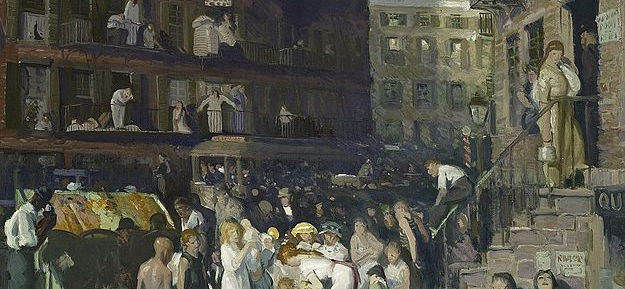
In the autumn of 1904, the young George Bellows arrived in New York and just twenty years later, with his promising career still under way, he died. Very different were the circumstances of Edward Hopper, born exactly the same year, who took longer than Bellows to develop his genius but outlived him by almost half a century. Both were students of the great Robert Henri, the driving force behind the Ashcan School.
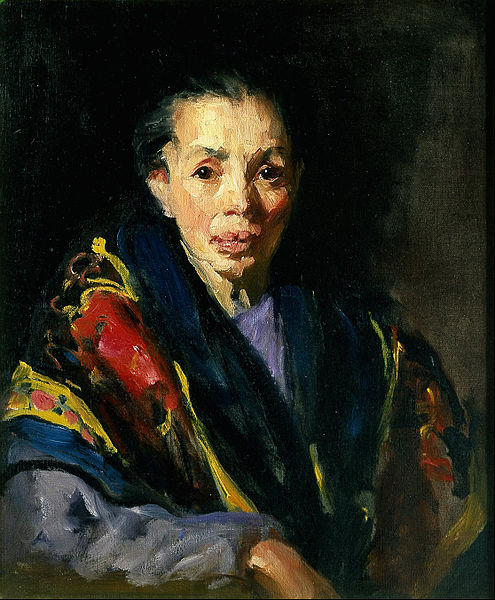
After finishing his studies, Henri (Ohio, 1865 - New York, 1929) devoted himself to painting and to teaching. Around 1892 he began giving classes to four Philadelphia illustrators: William Glackens, George Luks, Everett Shinn and John Sloan, who had already worked together on several local newspapers. Between 1896 and 1904 they moved to New York and, along with their mentor, formed the group known as The Eight, which would become the first generation of the Ashcan School. The second wave was made up of Henri's New York students, among whom Bellows stood out. The group's name, in fact, translated as the Trash Can School, came from a drawing by Sloan titled Disappointments of the Ash Can, published in the Philadelphia Record in 1915.
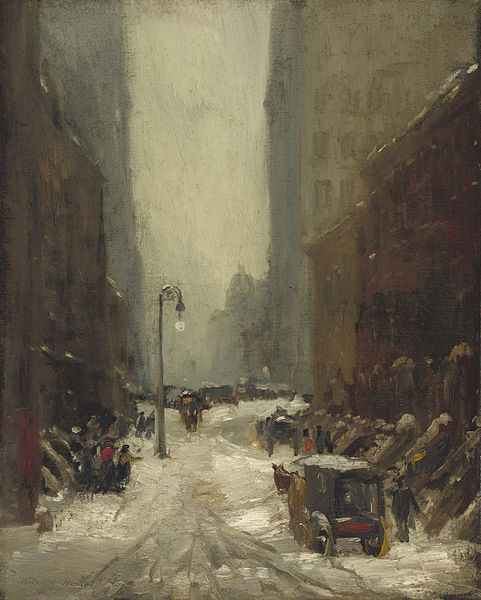
Henri spent long spells in Paris, Madrid and Rome, where he had the chance to get close to the great European masters. He was especially drawn to El Greco, Hals, Velázquez, Vermeer, Goya, Daumier and some more recent names such as Manet and Degas. He decided to abandon academic ways and adapt what he had learned to his own creations. He went for a thick, rapid brushstroke, with no preliminary drawing, and a darker palette. But more than that, he wanted to leave styles aside and hand his painting over to life.
A creed he would pass on to his disciples and the only rule for the artists of the Ashcan School. They recorded the raw, hectic activity of city life on their canvases. They showed the other side of economic progress and caught the reality of the slums and of poor workers and immigrants. Even so, they never gave up landscape, or any other subject they felt like painting, because the only thing they were committed to was freedom.
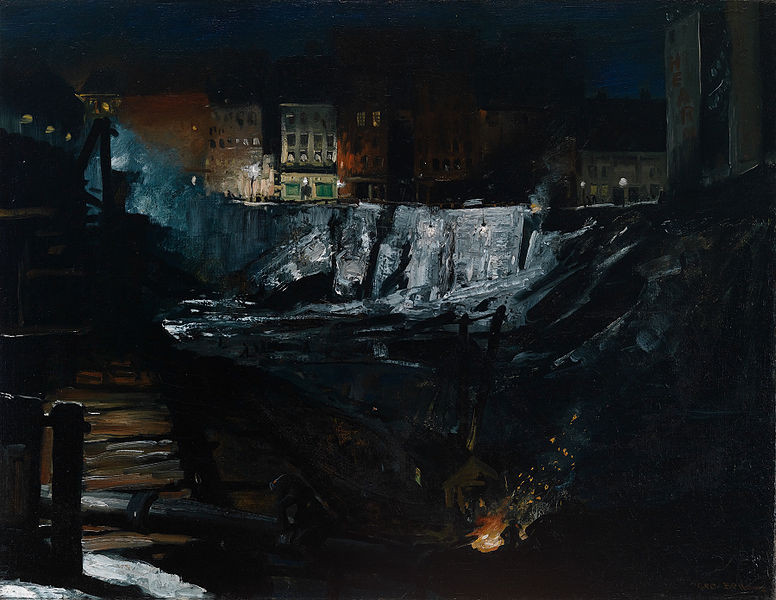
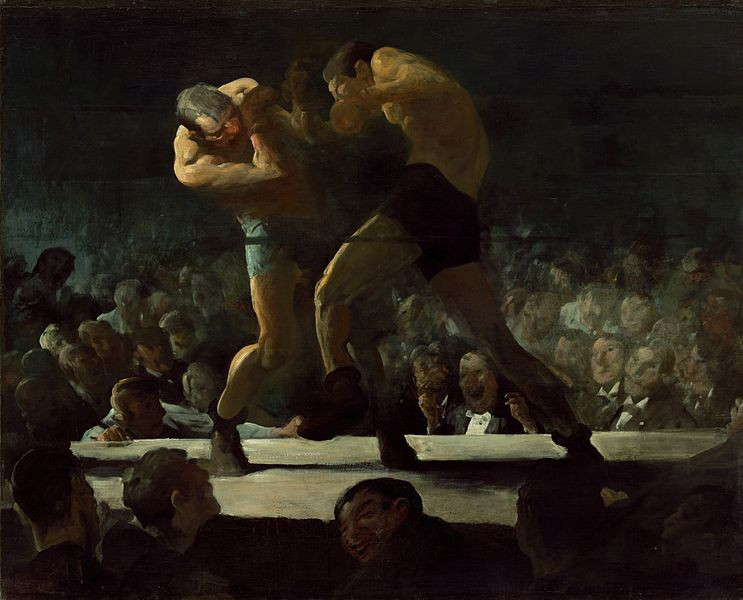
That was the case with Bellows (Ohio, 1882 - New York, 1925), who found fame with his images of boxing matches and his sandy scenes of Coney Island. Although he also painted rush hour traffic in Times Square, work in the shipyards, the building of Pennsylvania Station, children playing in the street or swimming in the East River, snow in Riverside Park or covering the Hudson.
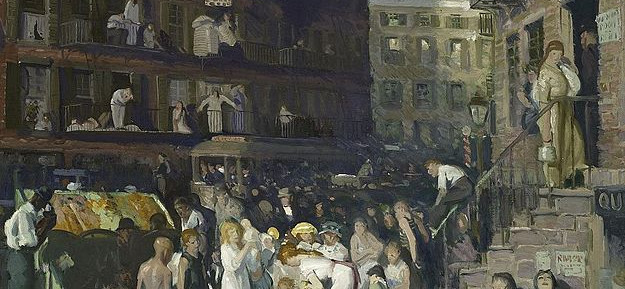
In his paintings it is easy to spot Goya's harshness, Daumier's satire, Manet's carnality or Velázquez's colour and gesture. Bellows scrutinised urban reality through a naturalist, contemporary eye that never hesitated to make the most of what he had learned.
Comments (0)
Log in to leave your comment. Log in