
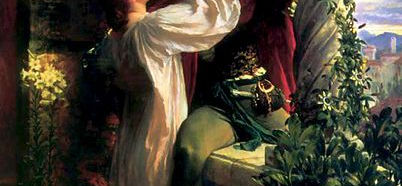
The literature of the universal William Shakespeare has been a source of inspiration for many artists. His work, full of imagination and narrative logic, brings together the ideal qualities to be handled in visual terms. It was from the 18th century onwards that his particular imagery took shape in painting, reaching worldwide consecration with Romanticism, thirsty for fantasy and drama. The first to take notice of him were his British compatriots, and later, above all, the Pre-Raphaelites. The truth is that those who tasted his legacy became almost addicted to him, like Johann Heinrich Füssli and Eugène Delacroix.
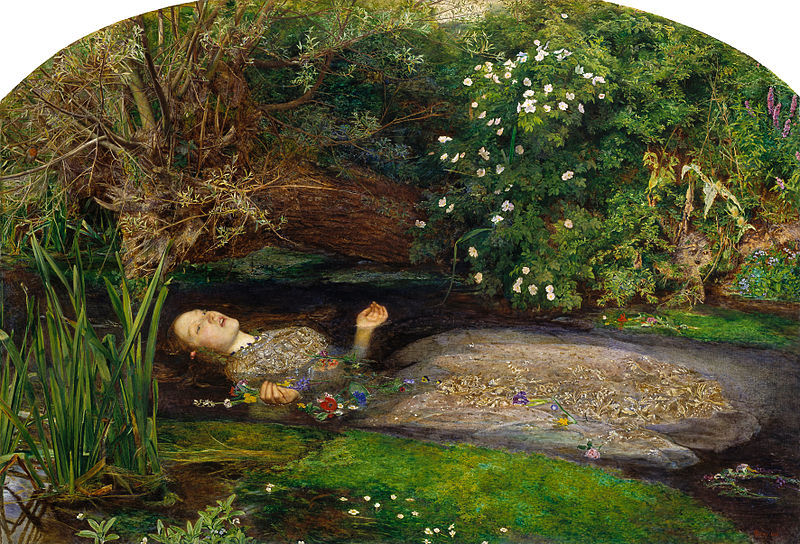
Hooked on the tragedy and the allegories of his texts, artists chose to interpret the most critical moments. Although some also opted for shaping his protagonists. Without a doubt, the favourites were Juliet and Ophelia. The latter beats the rest of the cast as a dramatic figure and, what's more, stands out as one of the most sought-after Shakespearean characters. Famous are her portraits by Ernest Hébert (1876) or those by John William Waterhouse (1889, 1894, 1910) and, even more so, the images of her tragic death, always surrounded by dense vegetation, like the celebrated one by John Everett Millais (around 1851), or those by Alexandre Cabanel (1883) and Odilon Redon (around 1908), among many others.
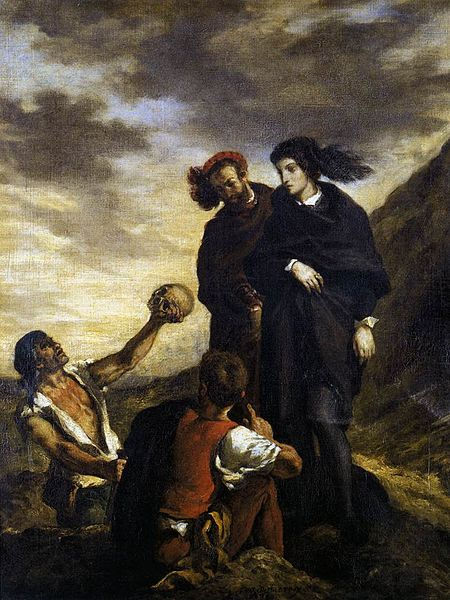
Füssli and Delacroix showed a special interest in the figure of Hamlet. The Frenchman, who made Shakespeare a frequent subject in his collection, produced sixteen engravings on this play between 1834 and 1843, as well as several paintings. Among them, the series of Hamlet and Horatio in the graveyard stands out, in which Delacroix probes existential anguish and turns it into colour.
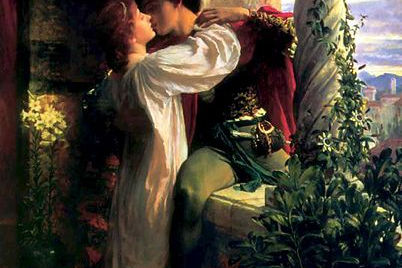
Of the romance of Romeo and Juliet, the preferred scenes are the farewell on the balcony, taken up, for example, by Frank Dicksee (1884), or Romeo saying goodbye to Juliet before drinking the poison by Füssli (1809).
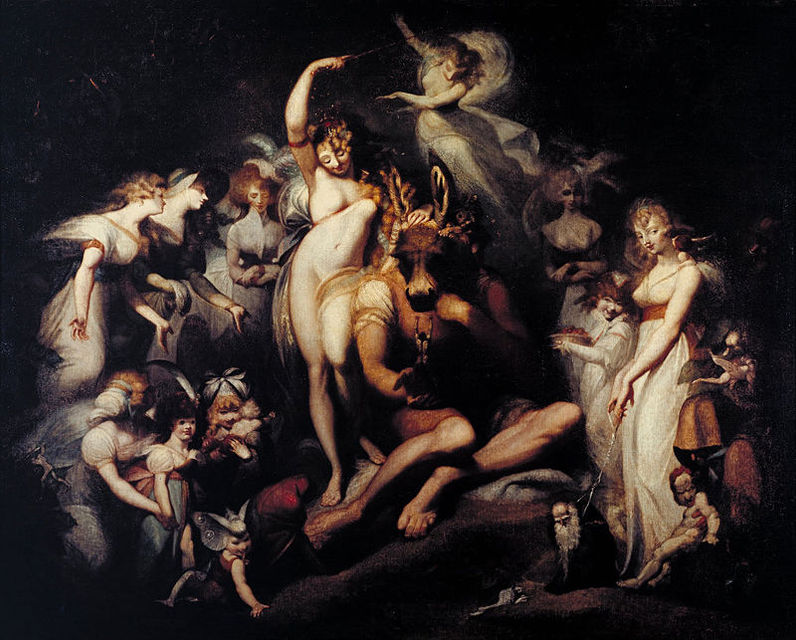
The Swiss artist turned Briton Füssli was a true Shakespeare diehard and painted a good part of his literary output. His taste for the grotesque and the sublime pushed him to choose the cruellest, most horrifying events, or those of a magical nature, to which he sometimes gave an erotic touch. A Midsummer Night's Dream, exploring the realm of the supernatural, was an ideal subject for Füssli's ambitions. One of the pieces he adapted corresponds to the sequence in which Oberon, in order to punish Queen Titania's pride, casts a spell on her. As a result, she falls in love with Bottom, whose head is turned into that of a donkey (around 1790).
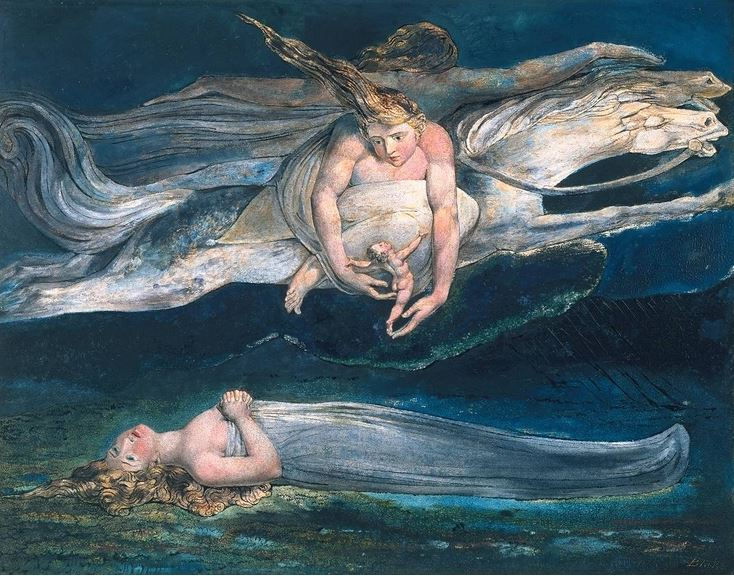
Macbeth, packed with psychology, mysticism and bitterness, is another text that fits perfectly into Füssli's disturbing universe. He depicted multiple scenes from it, such as those based on the three witches or the one in which Lady Macbeth, gripped by guilt, suffers fits of madness and sleepwalking (1784). A tragedy in which he once again coincides with Delacroix. William Blake was another pre-Romantic who fell under the Shakespearean spell, and he did so more than once. We remember the image loaded with symbolism with which he illustrated the words Macbeth utters as he broods on the murder of King Duncan in Compasión (around 1795).
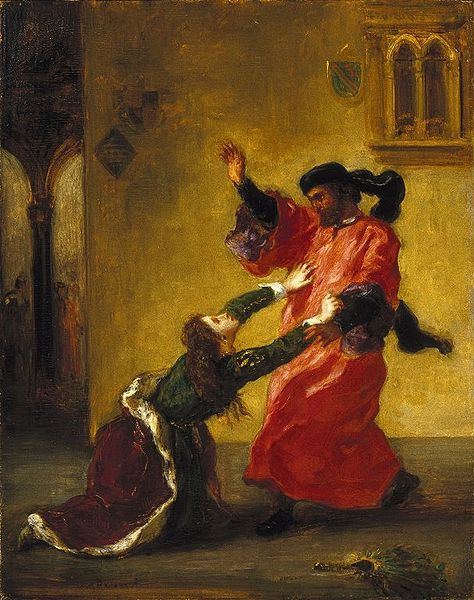
Othello also seduced many artists. And, again, we cite Delacroix, who reproduced several episodes, such as Desdémona maldecida por su padre (around 1854) or the moment when Othello enters the room to murder Desdemona in Otelo y Desdémona (around 1849), brimming with tension and theatricality. Or the captivating portrait Gustave Moreau made of the woman (1875- 1876).
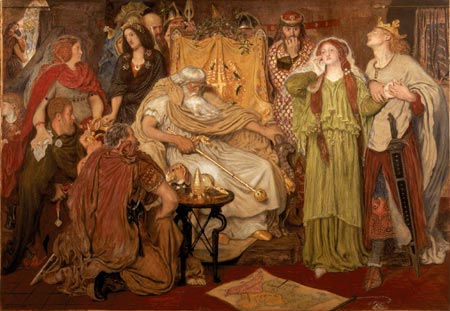
The vanity and suffering of another of his great titles, King Lear, have been staged as well. The Englishman Ford Madox Brown dealt with several acts. One of them was King Lear's decision to strip his daughter Cordelia of her share of the kingdom (1866- 1872), the beginning of one of the most desolate plays ever written.

Comments (3)
http://www.tungolteam.com/
May 13, 2016http://adviceonhowtomakemoney.com/new-jersey-auto-insurance-company-ratings.html
January 18, 2016Nidheeshp
November 12, 2015Log in to leave your comment. Log in