
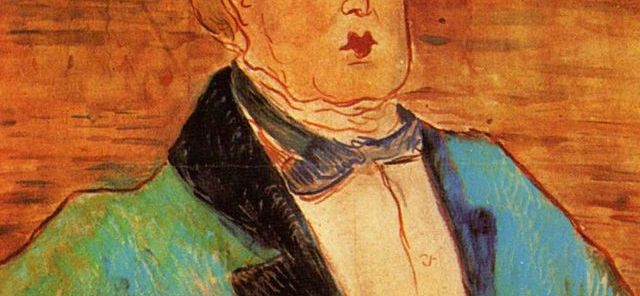
A tour through the history of caricature shows how important it has been in painting and reveals the pull it has had on some masters of the brush.
Caricature has been given numerous definitions, depending on which shade of meaning you look at. Broadly speaking, it is understood as an exaggerated representation of people or events, with which it keeps some recognisable likeness. It is usually linked to humour and criticism, although those have not always been its purposes.
Its essence is there from the papyri of ancient Egypt to the art of the avant-gardes, where it reaches its peak with expressionism.
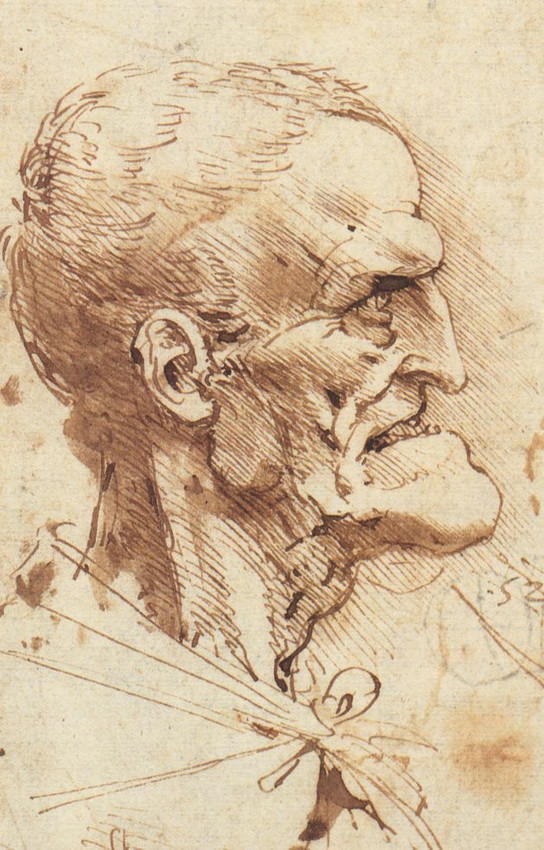
Charles Baudelaire, the 19th century poet and art critic, identified two kinds of caricature. One, as grotesque expression belonging to the classical genre. Leonardo da Vinci had already mentioned, in A Treatise on Painting, its aesthetic usefulness in creating a contrapposto, in which the exaggeration of deformed features heightens what is beautiful. An approach that Albrecht Dürer also worked on, and to achieve it he made mathematical analyses.
The other, as modern caricature. Biting criticism with strong political and social overtones. As such, early examples are found with the Protestant Reformation. Among them stand out the engravings of Lucas Cranach the Elder and Hans Holbein the Younger, which served as illustrations for Martin Luther's propaganda texts.
Earlier, in the Middle Ages, exaggerated expressions were used to debase vice, associating it with ugliness. Nothing like the use it was given in Greece, where it answered to a comic sense, based on scenes from popular theatre or on the Homeric poems.
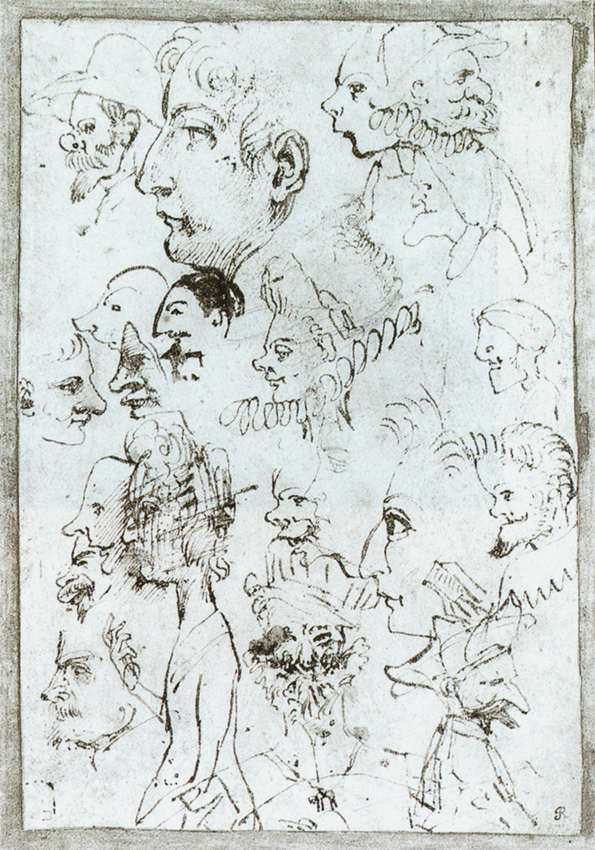
Traditionally, the Carracci brothers, and Annibale in particular, are credited with inventing modern caricature. In fact, in the 16th century the concept of retratini caricci, loaded portraits, was born. Made for fun and a long way from their formal paintings of the Bolognese School. It was a time when satirical drawings were already appearing, playing on the most characteristic traits of personality, and, in the 17th century, on the sense of social and aesthetic decorum.
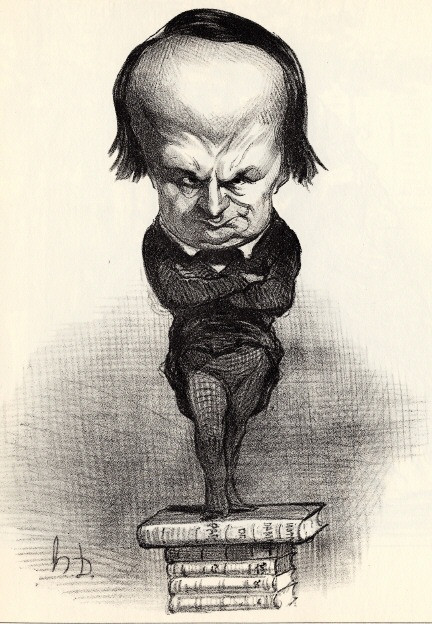
In the 18th and 19th centuries, caricature develops more intensely and gains even more strength in the press. From the first, the English engraver William Hogarth stands out, revealing through them the frivolity of bourgeois society and becoming the forerunner of the comic. In the 19th, meanwhile, the artworks from the period of Napoleonic expansion are of great interest.
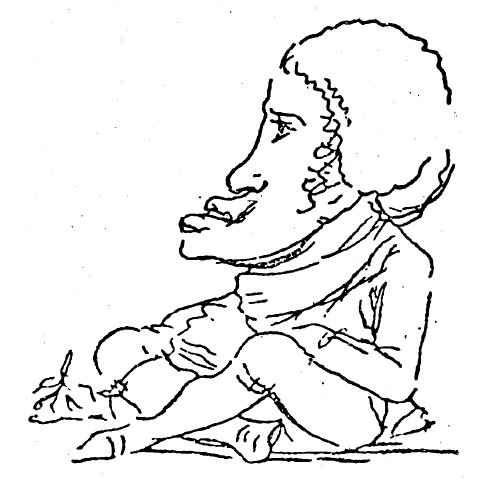
The originality of exaggeration in Francisco de Goya deserves a special mention. He left a more grotesque tone in the Pinturas negras, a source of influence for expressionism. Even so, caricature has one universal name of its own: Honoré Daumier, the French painter and draughtsman.
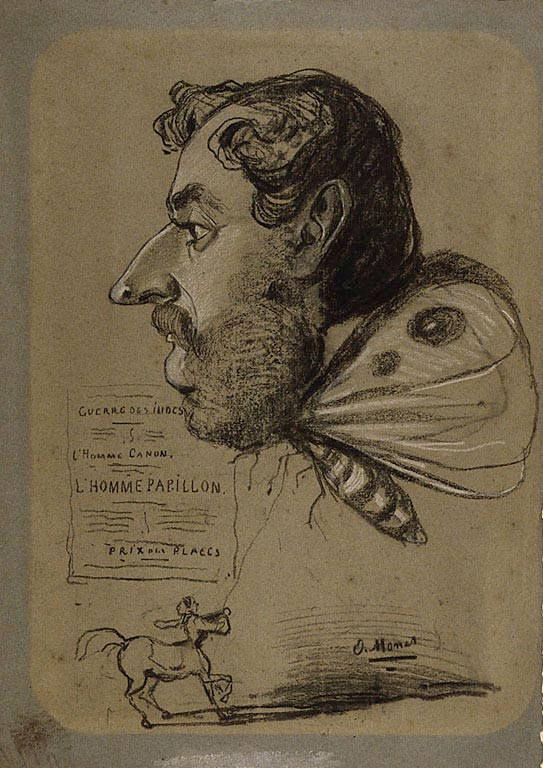
The time of the impressionists is drawing near and, before he turned his back on the human figure, Claude Monet went into the caricature business. By the age of fifteen he had made quite a name for himself with it.
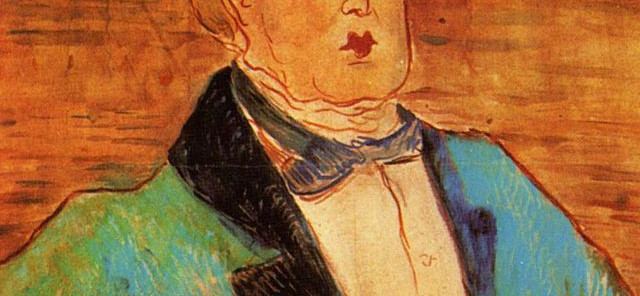
Modernism took an interest in the distortion of individual lines that caricature offered it. Henri de Toulouse- Lautrec made it shine in his posters of the characters of Parisian nightlife and it slipped into the odd oil painting too. Some avant-gardes, particularly expressionism, likewise welcomed it onto their canvases. Like Edvard Munch in El grito. Its use no longer required keeping a likeness. On the contrary, what was sought was the denaturing of the sitter. Caricature, then, allowed new realities of the human being to be shown, holding on to its most emotional side and limiting the humorous one.
Comments (1)
Horacio Cardo
April 28, 2015Log in to leave your comment. Log in