
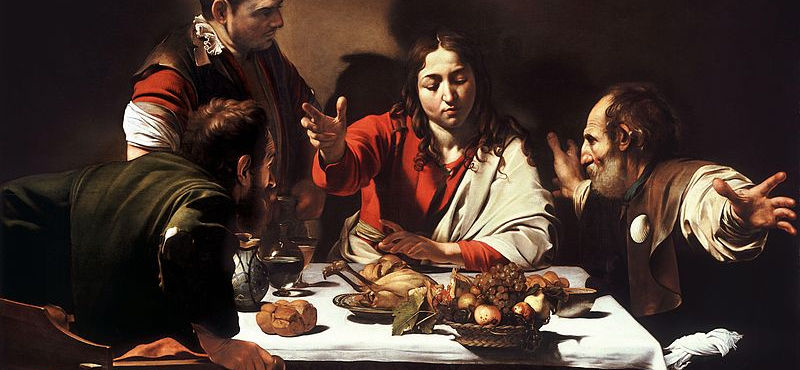
Han van Meegeren's forgeries were so good that he himself had to be the one to expose the fraud. But why did he do it? Here is the extraordinary story of the artist who fooled the Nazis and saved his own life by confessing to the crime.
Once the Second World War was over, the Allies found more than a thousand artworks hidden in an Austrian salt mine, in the custody of Hermann Goering, Hitler's second in command. The find uncovered one of the most prized hoards of the Third Reich and it also brought down the Dutchman Han van Meegeren (Deventer, 1889 - Amsterdam, 1947), the third protagonist of our series on the most famous cases of forgery, attacks and theft in the history of art.
The truth is that up to that point Van Meegeren had not had to dodge a single setback in his brilliant career as a forger. His copies got the seal of approval of the most highly regarded critics and experts of the day and were even shown to the public as originals in Holland's main museums, without anyone noticing a thing. He mostly copied the great masters, and it earned him a fortune equivalent to 20 million euros.
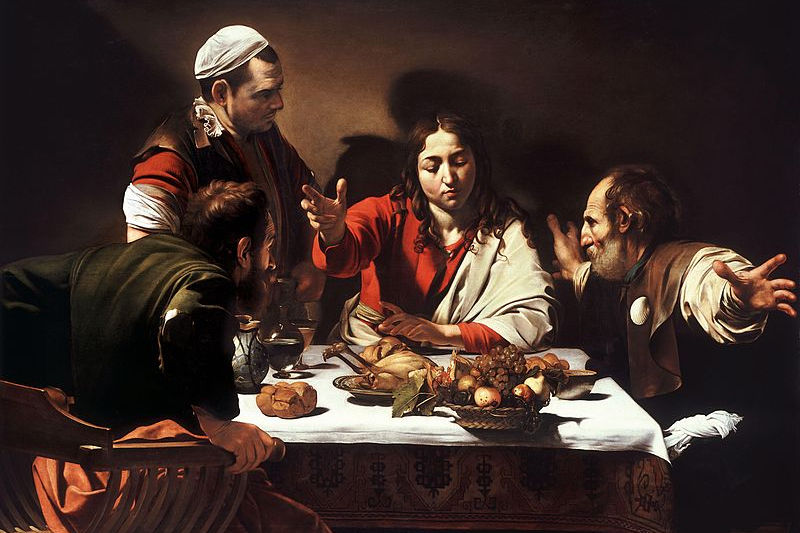
One of the most valuable pieces found in that mine was the canvas Cristo y la mujer adúltera, supposedly signed by the Baroque master Johannes Vermeer. Several investigations concluded that in 1943 Van Meegeren had sold that painting to Goering for 1.6 million guilders, some 6.5 million euros, which, paradoxically, also turned out to be fake. This showed that the Dutchman had done business with the Nazis and trafficked in the nation's artistic heritage.
On 29 August 1945 he was arrested for it, charged with treason, collaboration and complicity with the enemy. At the trial, facing the death penalty, he confessed. He admitted that the supposed Vermeer was his own work, as were others by the same painter. The court, however, put that sudden confession down to a desperate attempt to save his life, all the more so since international experts had confirmed the piece was authentic.
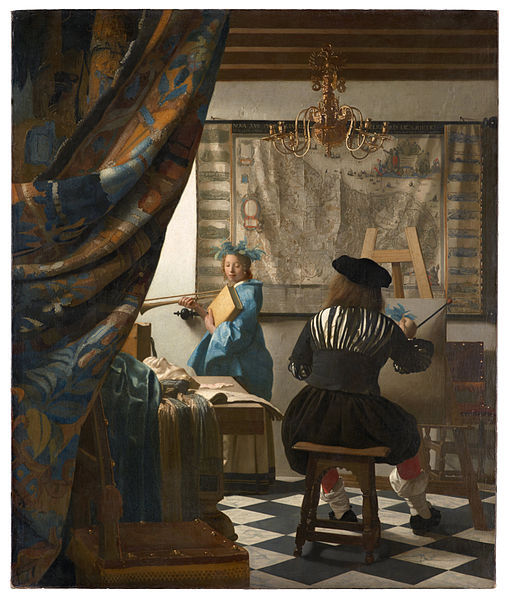
His lawyer managed to get him the chance to prove his innocence by painting a new Vermeer in his cell. And so he did. Between July and September of that same year, under the disbelieving gaze of six witnesses (a photographer, an art expert, three court officers and the jailer), Han van Meegeren made his last artwork, Jesús entre los doctores, proving that he could imitate Vermeer's brushwork without raising the slightest suspicion.
He was cleared of the death penalty, though he was convicted of forgery and fraud. Two weeks after the sentence was handed down, he died of a heart attack in prison. His funeral drew huge crowds, because all of Amsterdam wanted to pay tribute to the artist who had outwitted the Nazis. The villain had become a hero.
“I have shown that the difference between my copy of a Vermeer and a genuine Vermeer is not an aesthetic one. I have proved to the world that a copy can be as beautiful as the original!”, he argued during the trial. Insisting, as so many other forgers have over time, on opening a debate about why we like what we like, and on making us ask ourselves: are we captivated by the merits of an artwork, or is it just the signature that moves us?



Comments (4)
http://cpc88.com/insurance-types-for-a-business.html
January 18, 2016http://cpc88.com/cheap-la-car-insurance.html
January 18, 2016cheap insurance
December 30, 2015Sebastian
November 12, 2015Log in to leave your comment. Log in