
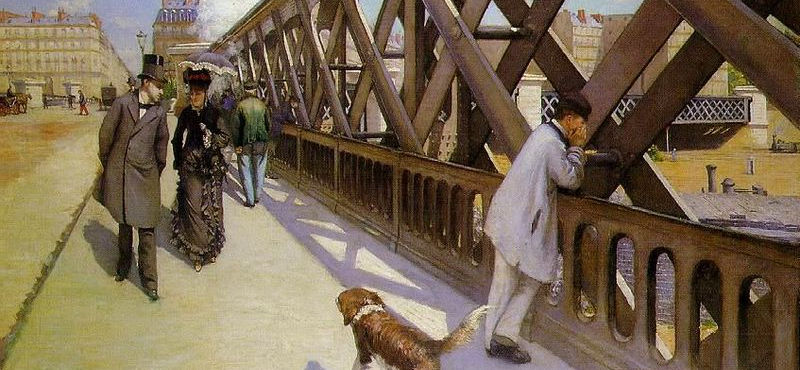
During the second half of the 19th century, Paris went through a major process of reform under Baron Haussmann, turning into the most powerful and modern metropolis in Europe. The city's new charms attracted many painters, the impressionists above all. Of them, Caillebotte was probably the one who came closest to the essence of that new Paris, since, playing with perspective, he managed to capture those corners that best defined the city's recent identity.
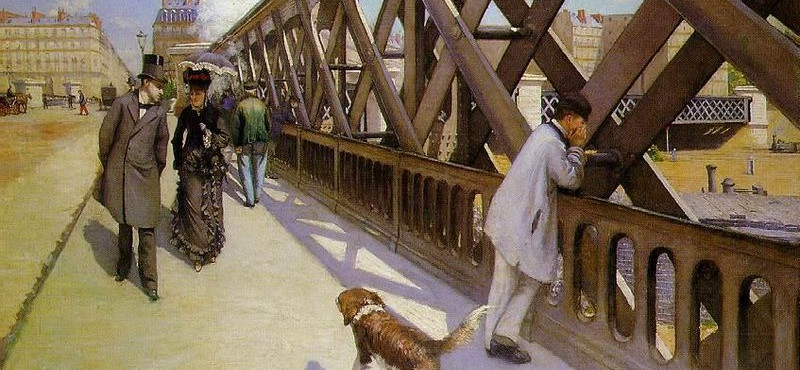
The first works by Gustave Caillebotte (Paris, 1848 - Gennevilliers, 1894) start out from a marked realism, a trait for which he was rejected at the Salon of 1875. He then decided to join the group of the impressionists, taking part in their second exhibition. He became an essential member, not just for his artistic contributions, but for being one of the great economic engines supporting the movement. Thanks to his comfortable financial position, he was able to buy numerous pieces from his colleagues and promote the group's later exhibitions.
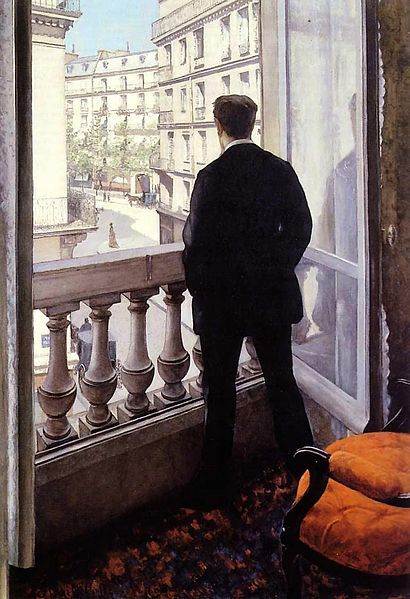
Before devoting himself to painting, he studied Law and enlisted in the army to fight in the Franco-Prussian war. On his return, he was a pupil of Bonnat and of the School of Fine Arts. His restless eye, however, led him away from the norm and towards the changes offered by the new metropolitan space, from a free point of view, heavily influenced by photography, which clearly sets him apart from the rest.
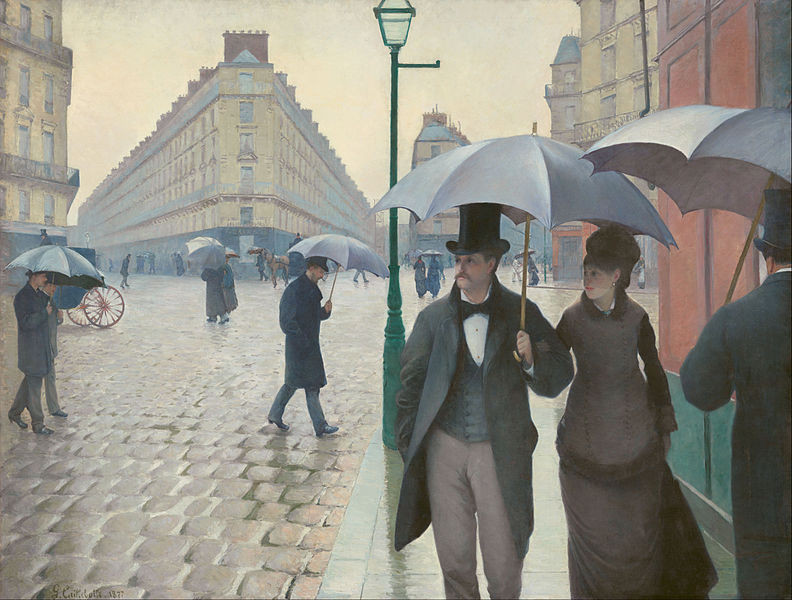
And a good part of his fame he owes to those urban landscapes, in which he discovered unseen views of the French capital, made beautiful by the effects of light and of the seasons. Up on rooftops, from balconies or looking straight down, he chased original perspectives with which to lay bare the city's new personality. Modelled drawing, cut-out figures and an interest in the spontaneity of the moment are other peculiarities that characterise his artworks.
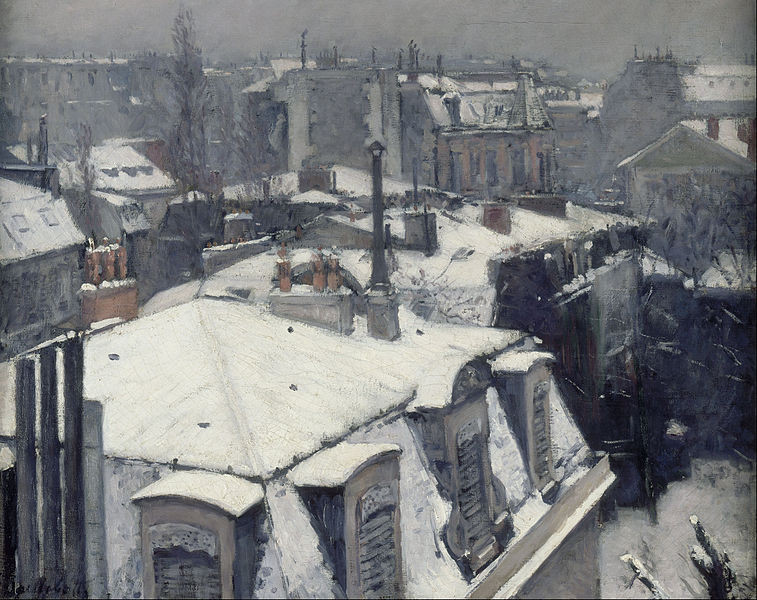
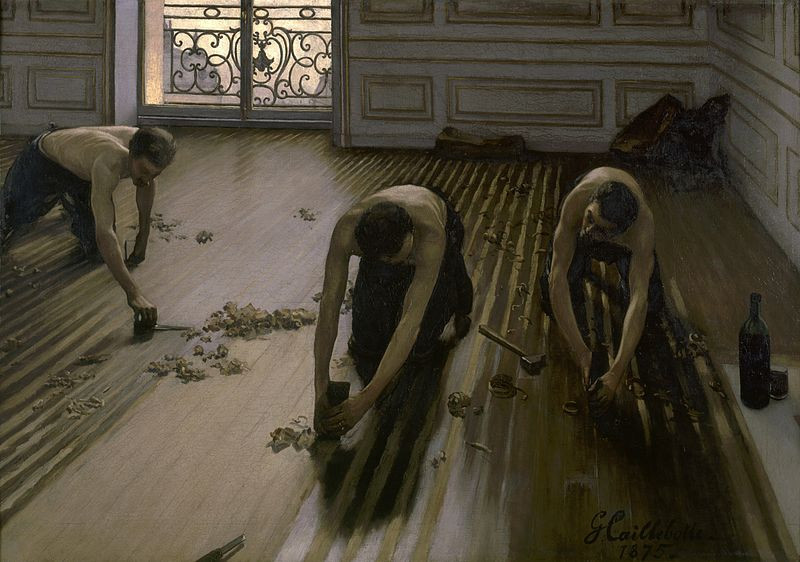
And so, in Haussmann's Paris, in its new buildings and wide boulevards, he found his ideal stage. Caillebotte was also one of the first to introduce the depiction of the urban proletariat, as in Los acuchilladores de parqué (1875), rarely the leading figures of paintings. A subject he took up in a documentary tone, showing their gestures and their tools.
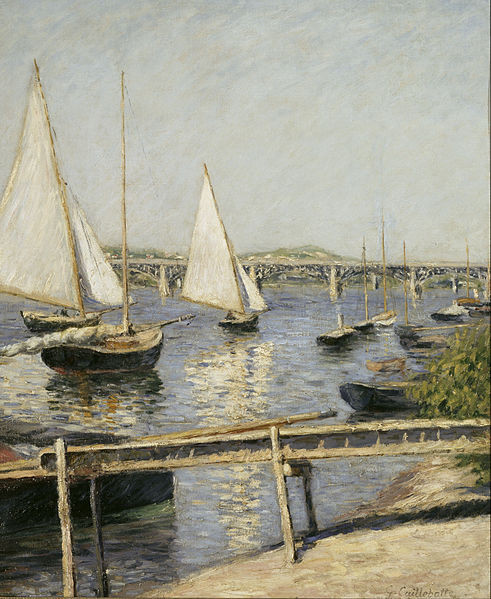
In the last years of his life he had the chance to enjoy his other great passion and became a respected naval architect. His taste for and knowledge of boats had an effect on his artistic production. Even more so when, around 1881, he bought a house, which he eventually made his main residence, in Petit-Gennevilliers, on the banks of the Seine opposite Argenteuil, where Monet had already been living for years. He took on his influence, as well as that of Degas, Renoir and Pissarro.
He also carried his particular style over to portraits. Painted, most likely, of friends, since Caillebotte did not need to sell his painting to live and rarely worked on commission. In fact, after his death at 45, most of his canvases stayed in his family's hands, which delayed his success, because we had to wait until the second half of the 20th century for them to be exhibited and valued again.
Comments (0)
Log in to leave your comment. Log in