
The term vandalism was coined in the middle of the French Revolution by the constitutional bishop of Blois, Henri Grégoire, referring to the irrational destruction of artistic heritage. In that sense, many of the attacks on art have to do with the mental health of the offender. The most famous case was that of the German Hans- Joachim Bohlmann (1937- 2009), who between 1977 and 2006 destroyed more than 50 artworks, among them several paintings by Dürer, Rembrandt, Rubens, Cranach the Elder, including his portrait of Luther, and Klee's El pez dorado (1925), causing damage worth over 130 million euros.
According to police reports, he used to carry a spray of sulphuric acid that he systematically aimed at the eyes of the figures portrayed in the canvases he went after. He is the protagonist of the fourth chapter of our series on the most famous cases of forgery, attacks and theft in the history of art.
Hans- Joachim's childhood and adolescence were marked by the consequences of the War, on top of a complicated family situation and frequent episodes of stress. From the age of seventeen, he was admitted several times to psychiatric hospitals for depression, anxiety, suicidal tendencies, uncontrollable impulses and compulsive thoughts.
At 32 he married and managed to keep the same job for a few years. In 1973, however, he was dismissed, as he was showing clear symptoms of a psychiatric illness, and he was granted a pension. The following year he underwent neurosurgery in which electrodes were introduced into his brain to remove small elements in the selected areas. A later assessment would conclude that the surgery had radically altered his behaviour, increasing his aggressiveness.
From then on he devoted himself to studying the great masters of painting and went to museums often with his wife, and art became the great passion of them both. In March 1977, his wife fell out of a window while cleaning. She died forty days later from her injuries. Hans- Joachim could not cope with this and, driven by a feeling of rage and revenge, he committed his first attack on an artwork. He himself confessed that losing his wife led him to hate the very thing that had brought the couple so close together and had helped his illness improve: art. And, more than that, that he felt relieved when he destroyed what other people cherished.
So began his frantic march through galleries, churches and palaces in as many as eight German cities, waiting for the guards to look away so he could take out his feelings on what for everyone else was a source of pleasure. In little under six months, he damaged another 23 paintings. He was finally committed to the Psychiatric Hospital of Munich and, some time later, to one in Hamburg.
He managed to escape twice, putting museums all over Germany on alert. Both times he returned voluntarily. In 2005, the Hamburg Regional Court found that there were no grounds for keeping him locked up any longer for vandalism and granted him parole, forbidding him, of course, from entering any museum.
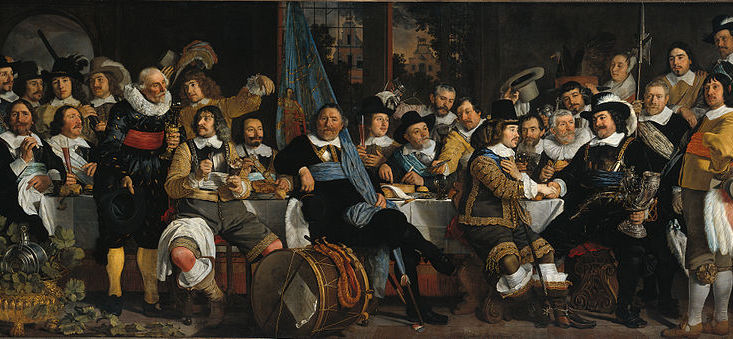
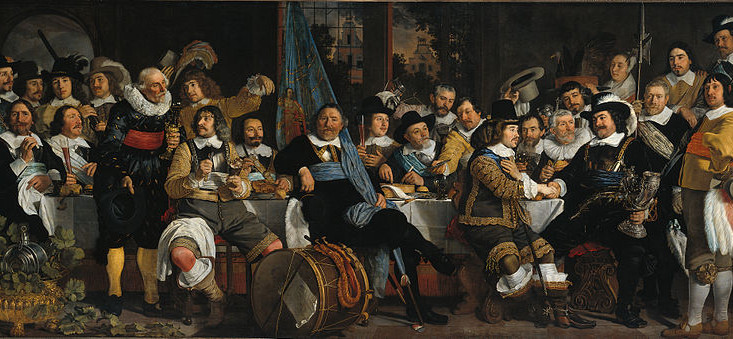
A year later, in June 2006, he carried out his last attack on an artwork. The victim was Banquete del gremio de los Ballesteros en la celebración del Tratado de Münster (1648), a masterpiece by Bartholomeus van der Helst held in the Rijksmuseum in Amsterdam, over which he poured flammable liquid and then set it alight.
At his last trial, the experts concluded that the surgery performed years earlier had caused a negative interaction and that his responsibility for the crimes was limited. In 2007, he was diagnosed with lung cancer. He received chemotherapy at the Scheveningen prison hospital and was released in June 2008. Months later, he died in Hamburg.

Comments (0)
Log in to leave your comment. Log in