
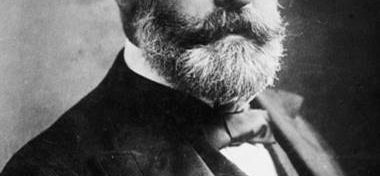
Henry Clay Frick (1849 - 1919)
Of humble origins, Henry Frick always had a good eye for business. He managed to turn his maternal grandfather's whisky distillery into a going concern and with those returns he bought fifty coke ovens. Aware of how important coal was for the fledgling steel industry, within a few years he already had more than a thousand ovens up and running, and by the age of 30 he had made his first million dollars. He became the partner and friend of Andrew Carnegie, founder of the largest steel producer of the day (Carnegie Steel Company), a relationship that took him to the presidency of that company. That great talent for business, together with his lack of intransigence towards the workers' unions, earned him a bad reputation that led to an attempt on his life in 1889.
In 1881 he married Adelaide Howard Childs (1859 - 1931), with whom he had four children. Helen, the youngest, took charge of managing and cataloguing the great art collection her father left on his death. When he married, Frick bought a house in Pittsburgh (Pennsylvania) and it was at that very moment, while he was decorating it, that he discovered his passion for art. They soon moved to New York, where many of Frick's companies were based, and he ended up building himself an imposing mansion on Fifth Avenue at 70th Street. That building today houses the Frick Collection.
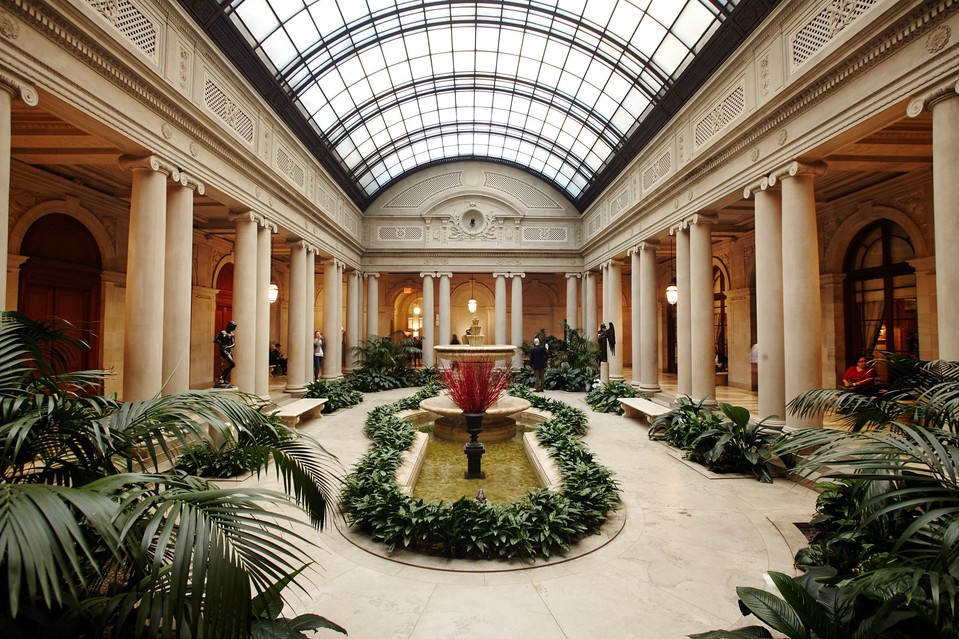
When Frick died in 1919, he laid down very strict conditions regarding the fate of his collection. The Fifth Avenue home was to become a gallery open to the public once his wife had died. In 1935, four years after Adelaide's death, the Frick Collection opened its doors, skilfully remodelled as a museum. Another of the conditions he imposed was that no artwork could leave the building or be lent to another museum or institution, and so it has been to this day. The acquisitions made by the institution after his death, on the other hand, can be lent, since they are not bound by the magnate's wishes.
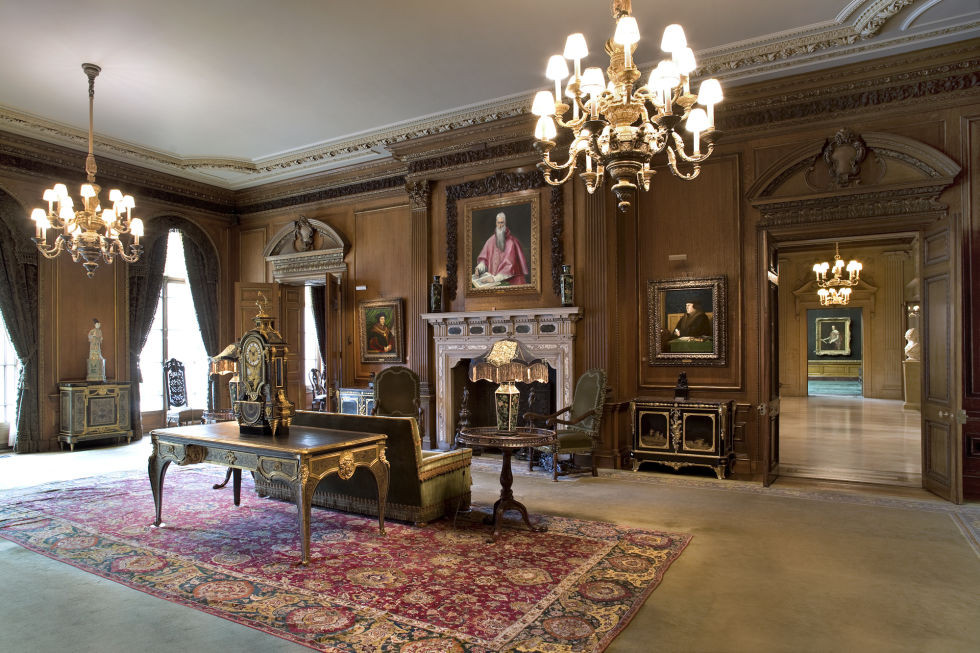
Apart from an obvious interest in business, Frick devoted all his time to his family and to collecting art. He was a cold, calculating collector. He didn't hoard, but when he set his sights on a piece of great quality, he did everything he could to make it part of his collection. Unlike many others, he was also capable of selling artworks from his collection in order to acquire others. This may be because the space for his collection was finite, since Frick wanted the artworks on display in his mansion for his own personal enjoyment.
He loved his pictures with the same passion he felt for children... Often, late at night, at the end of a difficult day, when everything was quiet, Frick would slip quietly, almost furtively, into the gallery, turn on the lights and sit there for an hour or more, first on one divan, then on another, soaking up calm and happiness. - George Harvey.
The Frick Collection
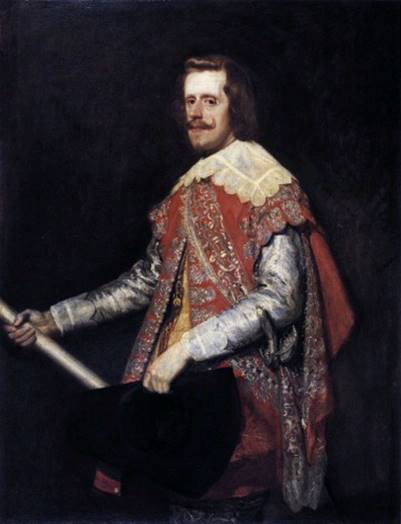
Henry Frick was a man of classical and fairly strict tastes. He was drawn to portraits and landscapes, especially Renaissance portraiture, the English landscapes of Turner and Constable, as well as having a particular fondness for Fragonard and other 18th-century French masters such as Boucher or Chardin. He also bought some highly significant Spanish paintings, such as Velázquez's Felipe IV en Fraga (1644), El Greco's San Jerónimo (c. 1595) or Goya's La Forja (1817).
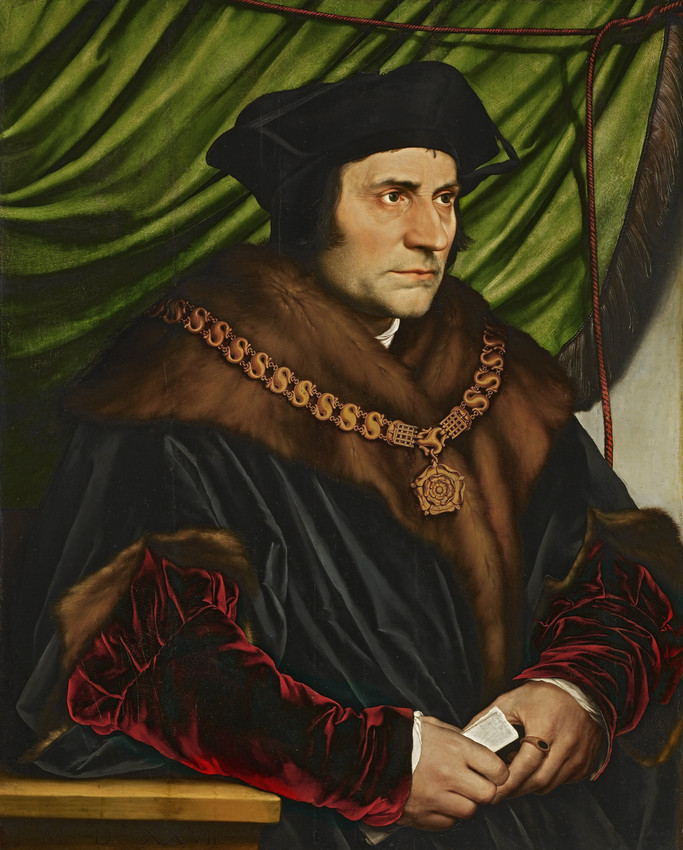
Among the portraits he acquired, and there were many, special mention should go to the Retrato de Tomás Moro (1527) by Hans Holbein the Younger, an Autorretrato (1658) by Rembrandt and Titian's Retrato de caballero con sombrero rojo (1516), three first-rate artworks that show the good taste Henry Frick developed over the course of his career as a collector.
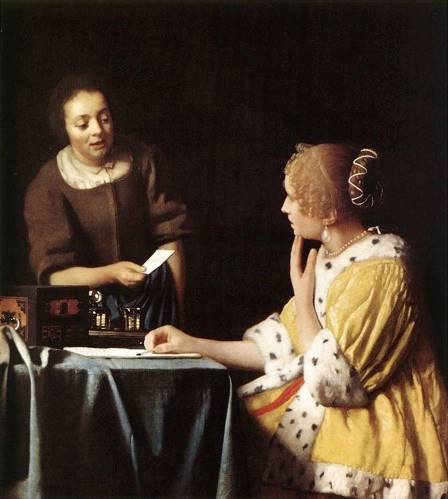
Frick managed to get hold of 3 Vermeers, some of the most remarkable pieces in the collection considering that only a little over 30 artworks by the Dutch master are known. He also bought many English portraits by Anthony van Dyck, Thomas Gainsborough, Thomas Lawrence and Joshua Reynolds, which were very much in fashion at the time.
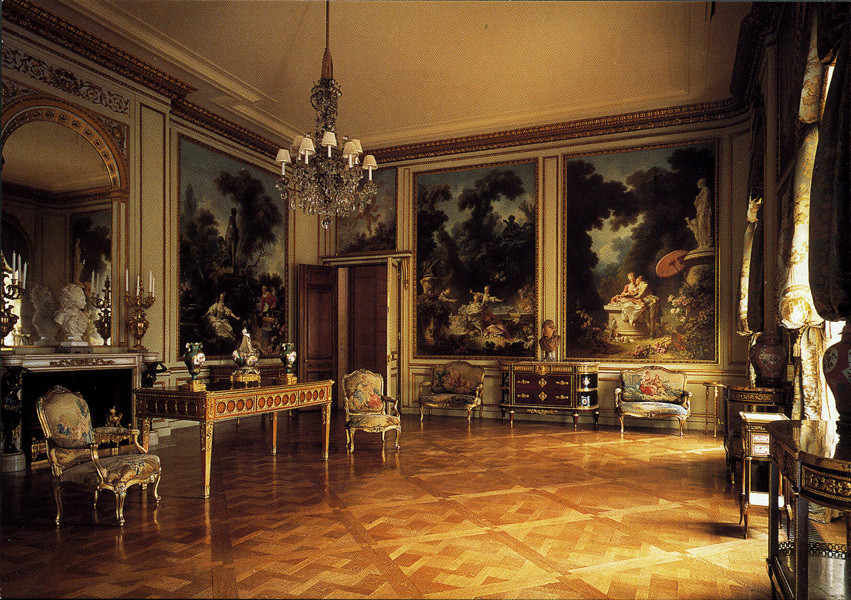
In 1914, once J. P. Morgan had died, Frick was able to acquire other outstanding pieces for his collection: the series El progreso del amor, made up of fourteen paintings by Jean-Honoré Fragonard. The following year he bought a series of eight canvases by François Boucher, Las artes y las ciencias, which finally turned his collection into a benchmark in the field of 18th-century French gallant painting.
At this link you can see some of the most interesting artworks in the Frick collection.
Helen Clay Frick (1888 - 1984)
La excelencia de la actual Frick Collection no se hubiese dado de no ser por la devoción con la que Helen, hija de Henry Frick, trabajó para cumplir con el testamento de su padre y se encargó de adquirir obras nuevas para la colección. Desde joven había demostrado gran interés por el arte empezando la catalogación de las colecciones familiares cuando tenía veinticinco años; hizo fotografiar todas las piezas e investigó acerca de su procedencia. Una vez fallecido su padre, estudió gestión museográfica para convertir la casa familiar en la futura Frick Collection. Como vemos, sin el trabajo que realizó Helen, no podríamos admirar la excelente colección que Henry Frick reunió a lo largo de su vida.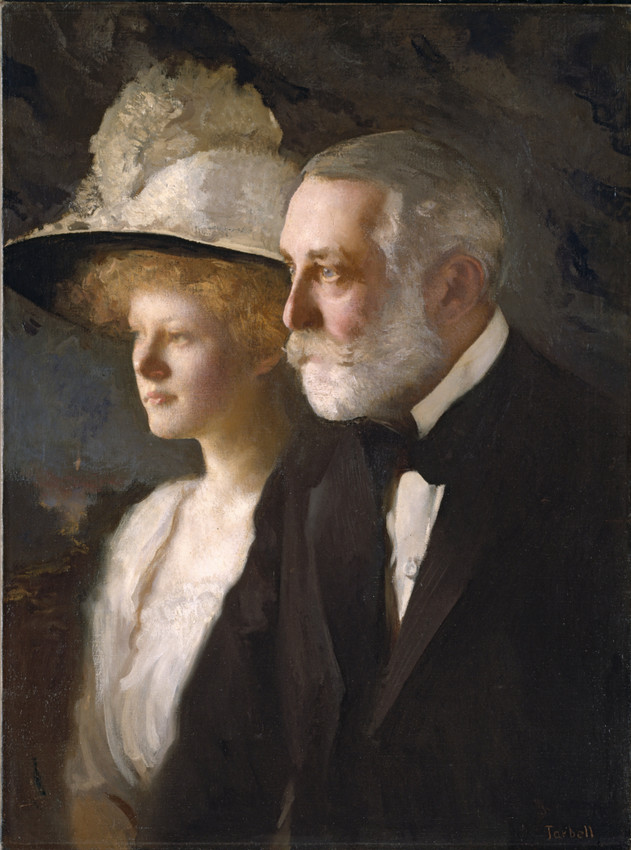

Comments (1)
Ruben SIlveira.
April 9, 2017Log in to leave your comment. Log in