
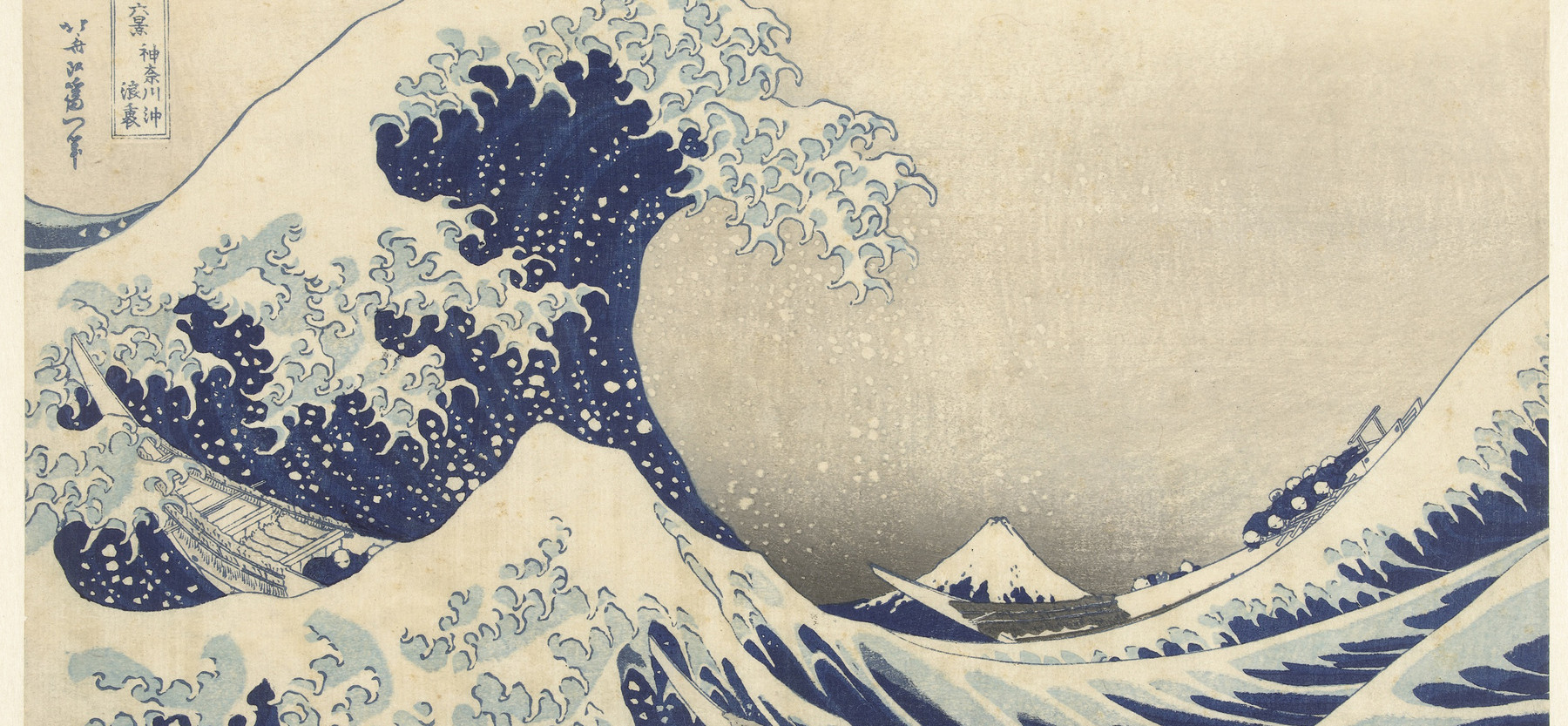
Many European artists of the second half of the 19th century found new inspiration in Japanese prints. These lithographs put forward compositional ideas nobody knew, and their drawings turned to imagination to resolve scenes of a hedonistic life.
The discovery came around 1850. By then, Japan was easing its isolation and resuming trade with the West. After centuries of mutual ignorance, this allowed an unprecedented cultural exchange, opening up a universe of ideas and forms never seen before for both sides. And European creators did not hesitate to explore it. Japonisme was beginning, and prints would be its greatest exponent.
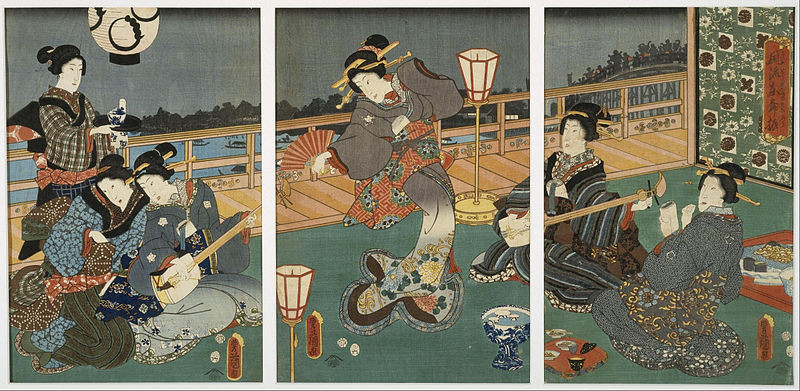
Japanese prints, ukiyo-e, emerged in the 17th century around the epicurean tastes of the rising bourgeoisie. And those tastes found in the cities of Edo (today's Tokyo), Osaka and Kyoto places that satisfied those earthly pleasures, brothels, tea houses and kabuki theatres in particular.
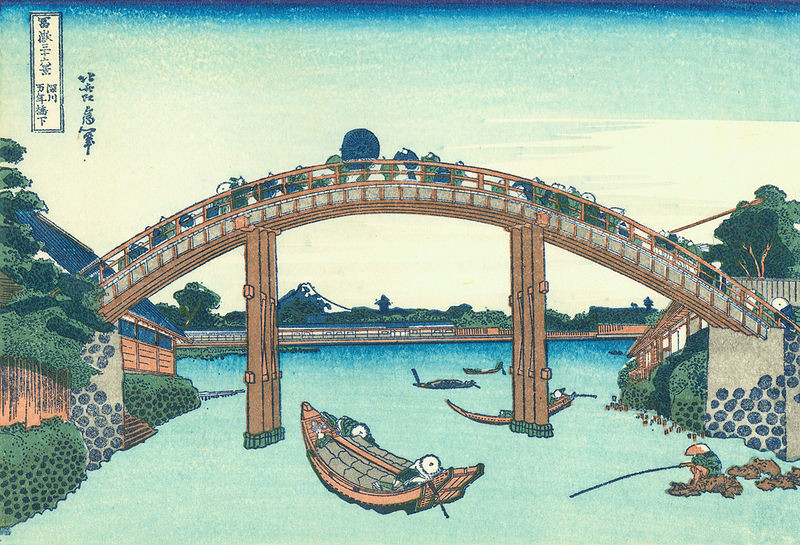
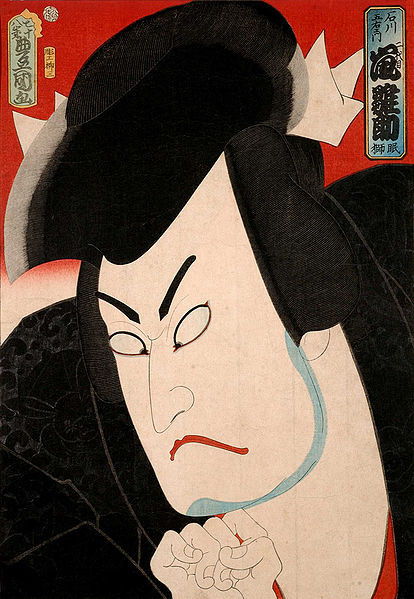
That is what the definition of ukiyo alludes to: “fleeting world or floating world”. An imagery that the ukiyo-e gather up, creating snapshots of metropolitan culture and its protagonists. Among them, theatre actors and courtesans stand out. They took up most of the production of these images, along with portraits of “beautiful women”, sumo wrestlers, as well as studies of nature, historical legends, war scenes and views of famous places in Japan.
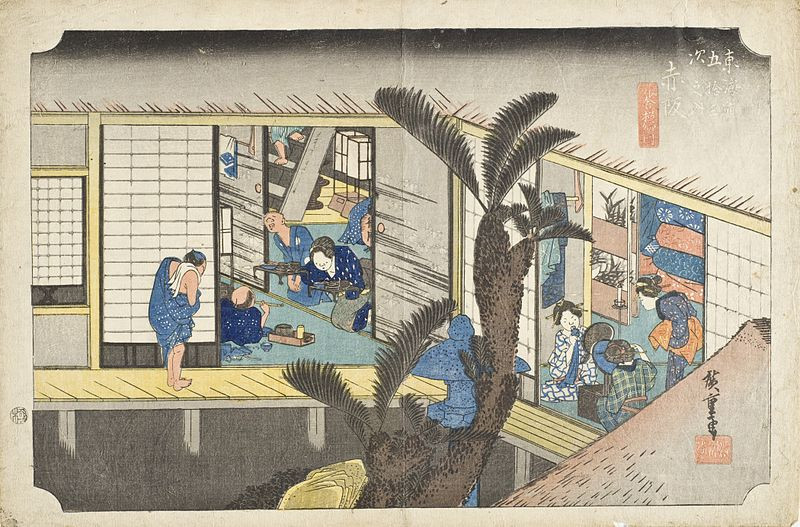
The artworks of three artists had a strong impact on European painters, turning them into real ambassadors of the Japanese print. One of them was the landscape artist and author of one of the most influential collections, the series Treinta y seis vistas del monte Fuji, Katsushika Hokusai (Edo, 1760- 1849). Another, Utagawa Kunisada (Edo, 1786- 1865), the most popular creator of portraits of kabuki actors and female beauties. And, lastly, there is no leaving out the great master of landscapes Utagawa Hiroshige (Edo, 1797- 1858), more than one of whose artworks Vincent van Gogh interpreted, as he did with Kokusai.
But not only the Dutch genius. The World's Fairs in London (1862) and Paris (1867, 1878, 1889) helped spread Japanese art across Europe. The prints thrilled numerous painters and movements, especially the Impressionists of the French capital. Like Camille Pissarro, Edgar Degas, Paul Gauguin, Édouard Manet, Claude Monet and Henri de Toulouse- Lautrec.
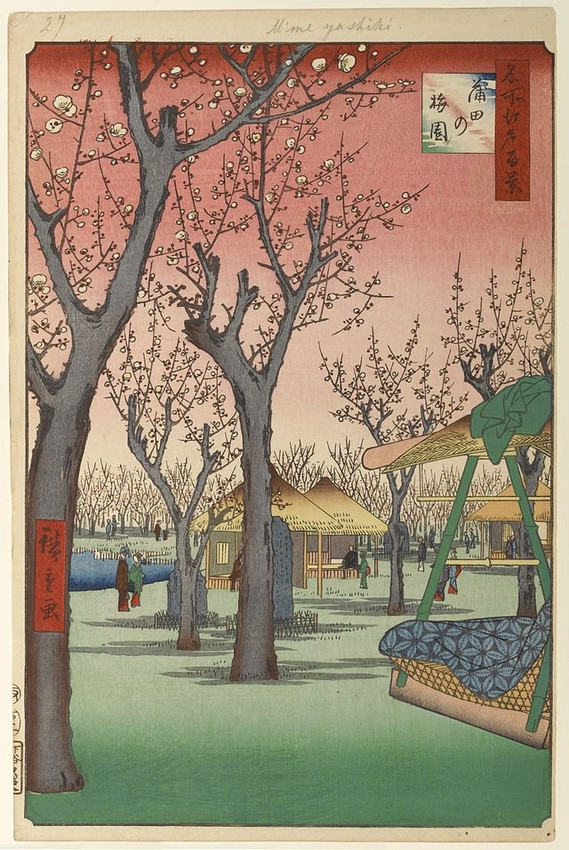
The ukiyo-e proposed very different options. Japanese artists surprised with high viewpoints, empty areas filled with bright colours or cropped figures. They also made series of the same landscape from various perspectives, in different weather conditions or according to the seasons. They cared about achieving different effects and capturing the moment. Which is what the Impressionists would later be after.
Broadly speaking, Japanese prints worked as a way of spreading bourgeois life. They were also, however, an artistic expression of great value, standing as an alternative for those who could not afford pieces from the traditional schools of painting.

Comments (0)
Log in to leave your comment. Log in