
The female body has been one of the main sources of inspiration that many painters have drunk from. As captivating as they are defiant, female nudes have flirted with the permitted and the forbidden, with the desired and the rejected, with power, the divine and freedom. Here are ten pieces that illustrate these ideas masterfully:
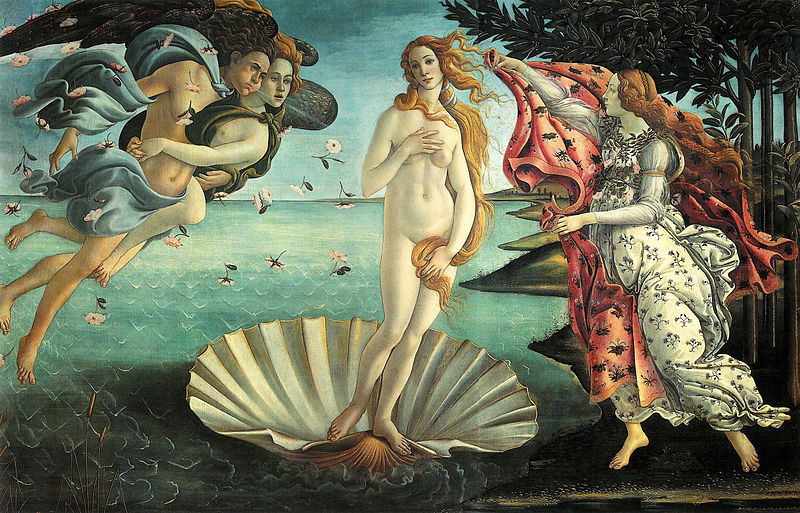
El Nacimiento de Venus (1484- 1486) by Sandro Botticelli
In the early Renaissance, Botticelli painted the goddess of love in a refined and harmonious way, recalling the archaic forms of Praxiteles. Far from any morbid intent and from becoming a mere sexual object, Botticelli's Venus does not appeal to a lustful sensuality. Her beauty is a hymn to spiritual content, to the ancient wisdom worked on by Plato.
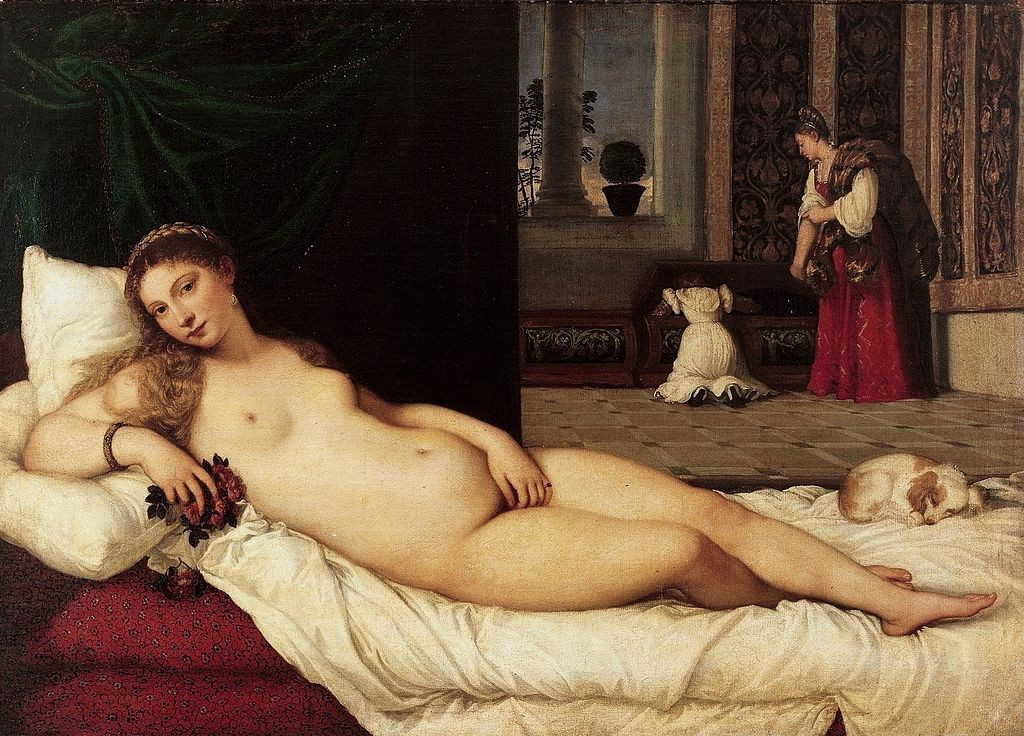
Venus de Urbino (1536- 1538) by Titian
Considered by many the great master of the female nude, Titian chose to distance himself from the neoplatonic, virginal ideal on occasions like this one in order to capture the most sensual side of the feminine. Reclining and distinguished, her bold gaze turns to the viewer, inviting him to contemplate the intimacy of her body and her room.
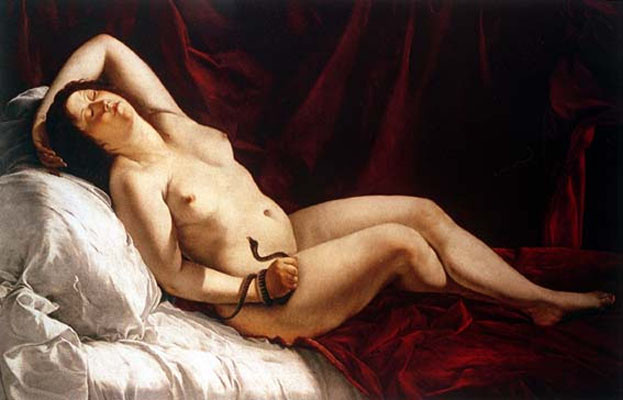
Cleopatra (1621- 1622) by Artemisia Gentileschi
Full of dramatic beauty, of Michelangelo's colossal scale and of those stylistic elements that fed the Caravaggist school, Artemisia's women reinterpreted the female presence in painting. They freed themselves from the traditional conception assigned to women by default and became heroines endowed with naturalness and personality. That is precisely what you sense in the nude Cleopatra we're showing here.
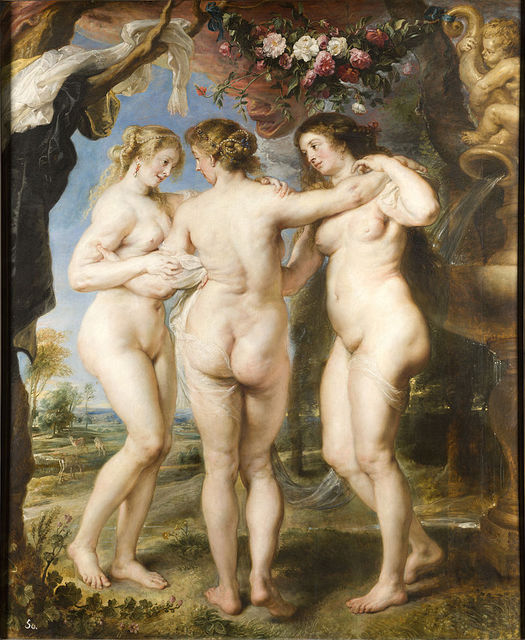
Las Tres Gracias (1630- 1635) by Rubens
The skin of the voluptuous bodies of Jupiter's three daughters, Aglaea, Euphrosyne and Thalia, contracts and sinks where they touch one another, revealing a deep knowledge of female forms and a real pleasure in them. The three divinities glorify beauty, fertility, creativity and generosity and, through their flesh tones, they also give away the technical qualities of the late Rubens.
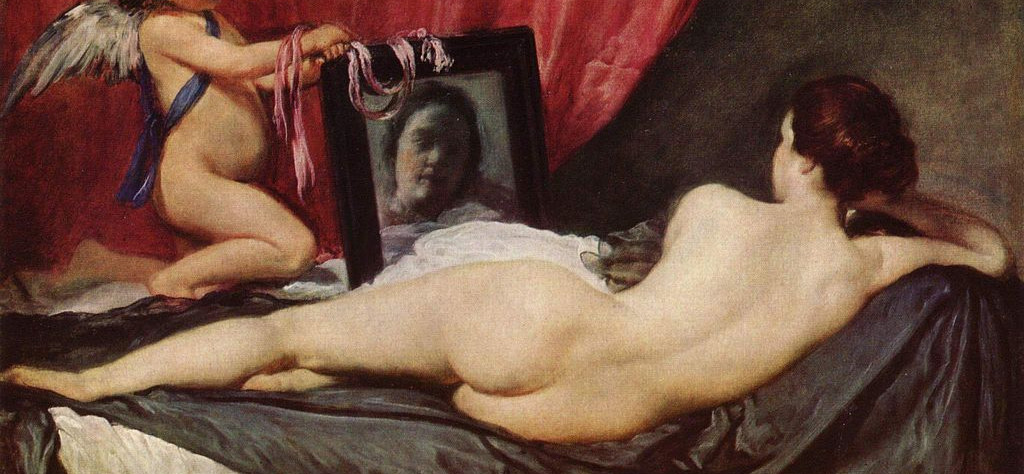
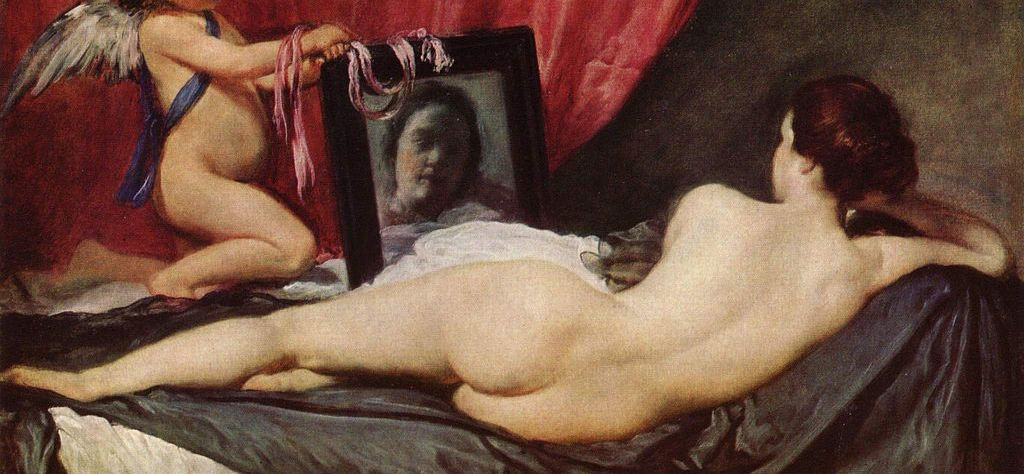
La Venus del espejo (1647- 1651) by Diego de Velázquez
Velázquez also chose the goddess of love for his only female nude, taking his cue from the reclining version of her. Here she gets a more natural treatment and her face is only revealed in the mirror held by Cupid. The point at which he summons the goddess to know herself and the viewer.
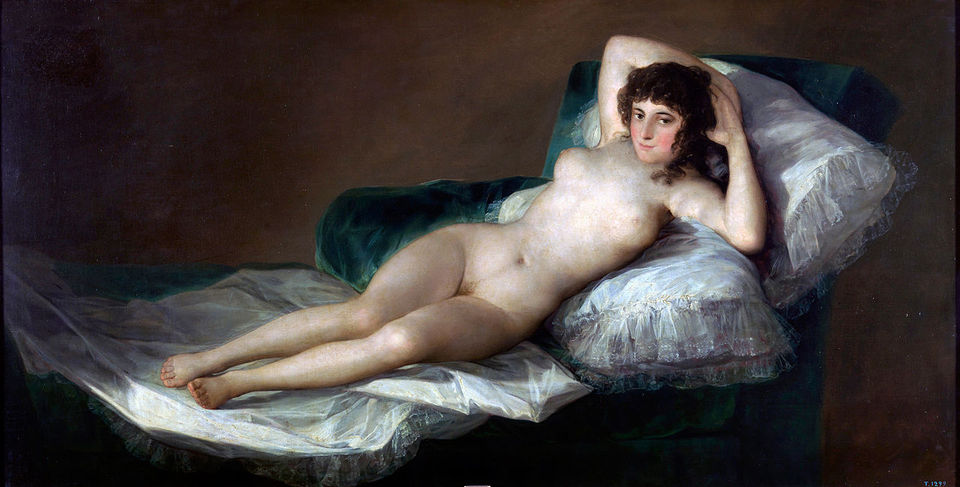
La maja desnuda (1795- 1800) by Francisco de Goya
Goya makes no attempt to hide it, he uses eroticism to provoke the public. The painter captures with precision, elegance and sensuality the winding contours of the lady, bathing her in light to bring out her pallor and pearly skin. Apart from the couch and the model, there is nothing else. The artist focuses our attention and won't let us be distracted by anything more. For the first time, female pubic hair is shown.
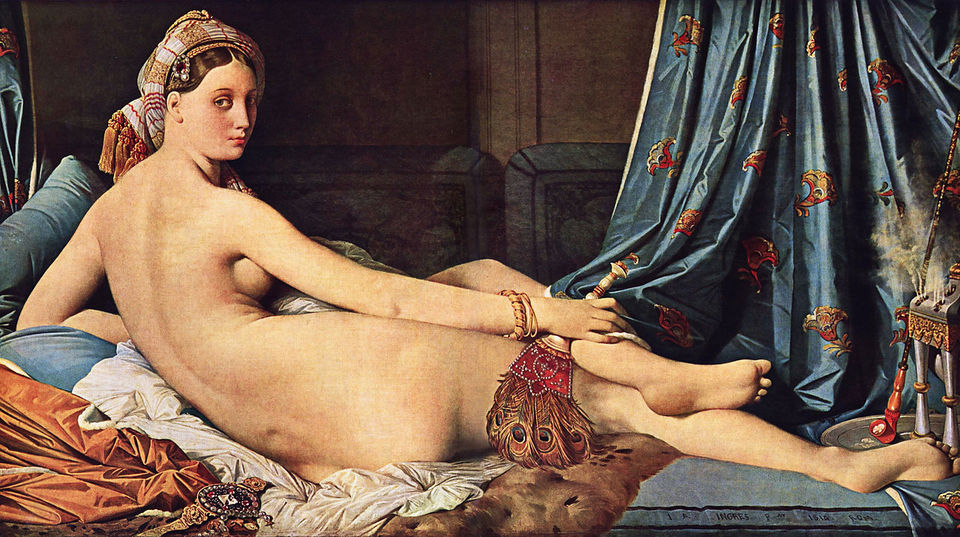
La Gran Odalisca (1814) by Ingres
Ingres brings the sensuality of the East to the female body. This artwork, one of his most famous nudes, was commissioned by Napoleon's sister, Caroline Murat. It puts forward a discreet lust, since only her back and part of one breast are uncovered, accentuating the curved lines that dominate the composition and that stray from anatomical reality.
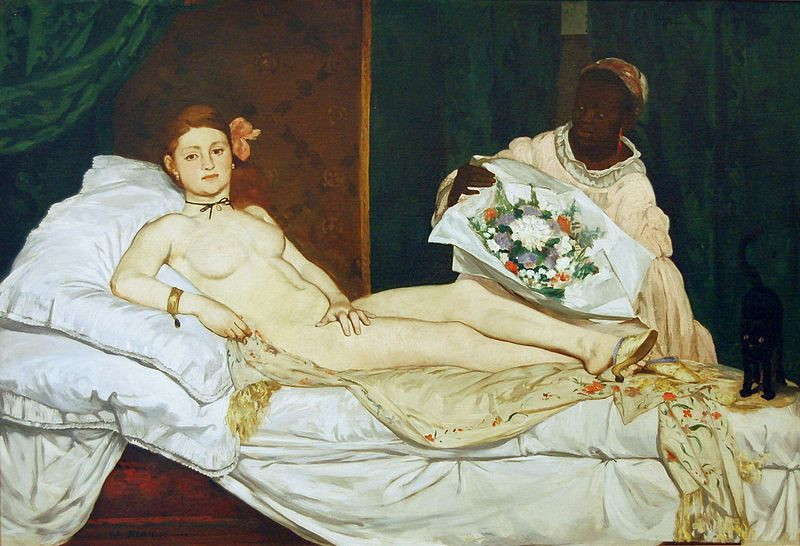
Olympia (1863) by Édouard Manet
Manet looked to the printed advertising of French brothels in the mid 19th century to portray his goddess of love. She is a prostitute showing her body, yellow-bellied and far from the classical ideal, proud as she waits for a client to arrive, accompanied by her maid and a black cat.
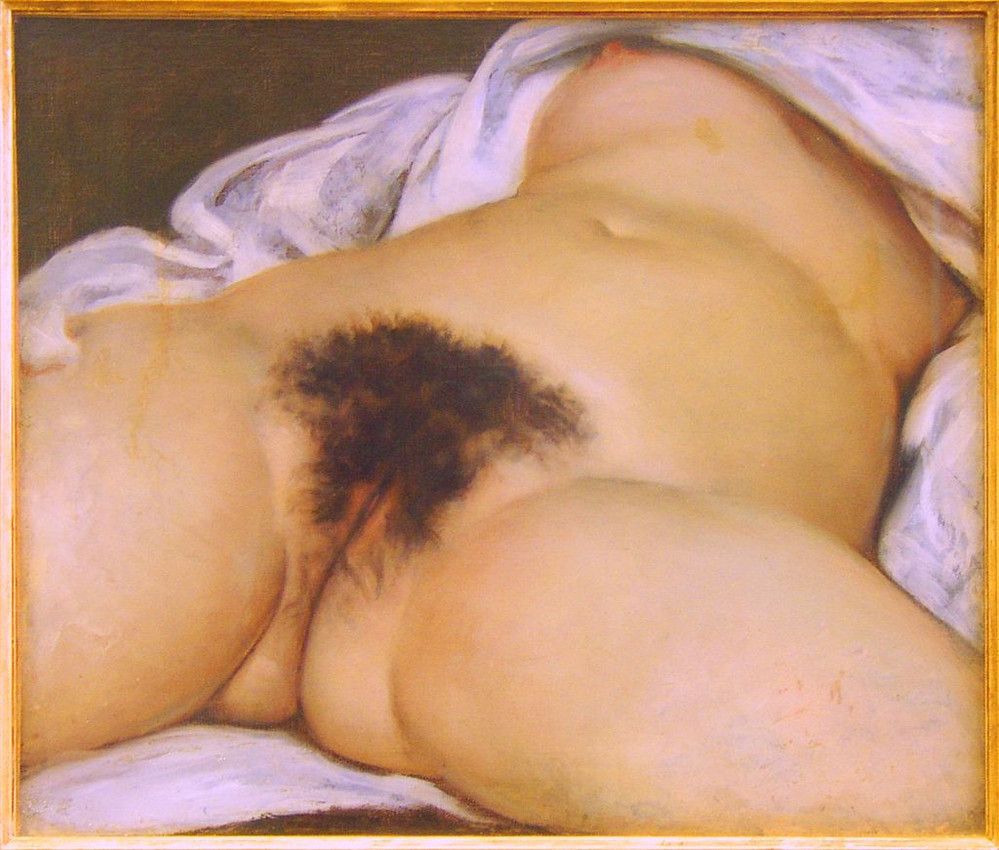
El origen del mundo (1866) by Gustave Courbet
This is without doubt one of the most startling artworks by the master of realism, Gustave Courbet, who mocks the allegorical academicism reserved for the nude by displaying, frankly and daringly, the sexual organs of a faceless woman. An almost anatomical description of the female sex, subject to no softening filter whatsoever and in a pose that borders on pornography.
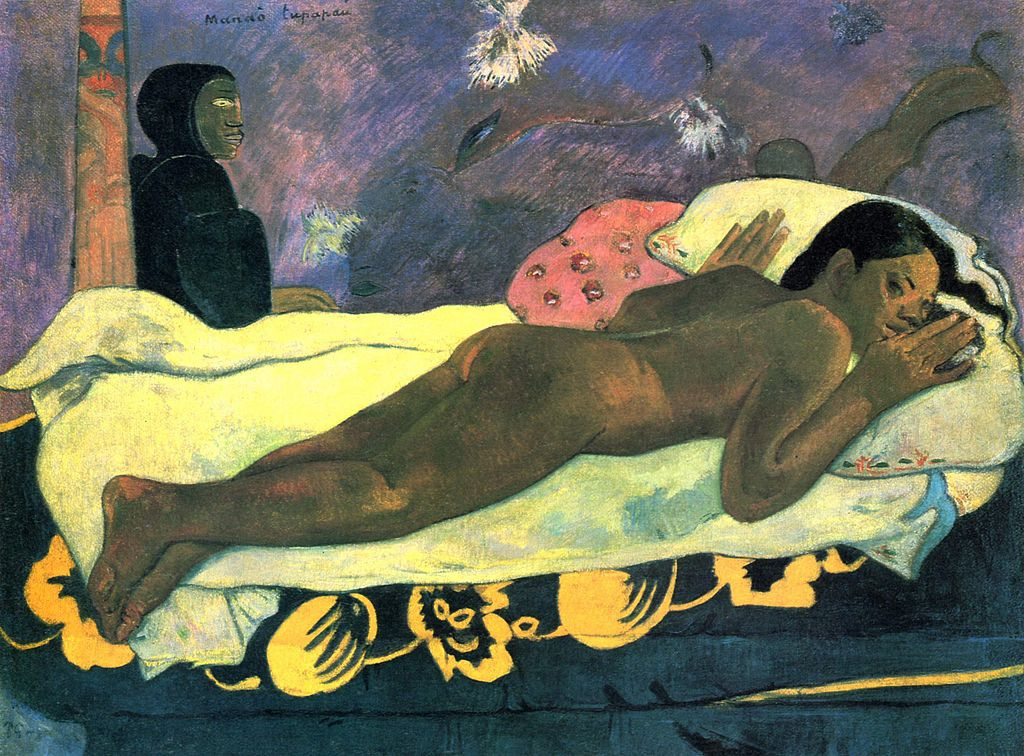
El espíritu de los muertos vela (1892) by Paul Gauguin
In an adaptation of Manet's Olympia, Gauguin uses the female nude to explore the search for primitivism and the new art that had taken him to Tahiti. The Frenchman picks up the natives' fear of the spirits of the dead, represented in the figure seen in profile, and sets it against the unconcerned nakedness of the girl, who doesn't feel defenceless despite the vulnerable position the painter puts her in.
That's our selection. Tell us, what other female nudes would you add to the list?

Comments (0)
Log in to leave your comment. Log in