
Great painters have interpreted the places that torment the human mind most, creating desolate artworks.
La casa de locos (1808- 1812)
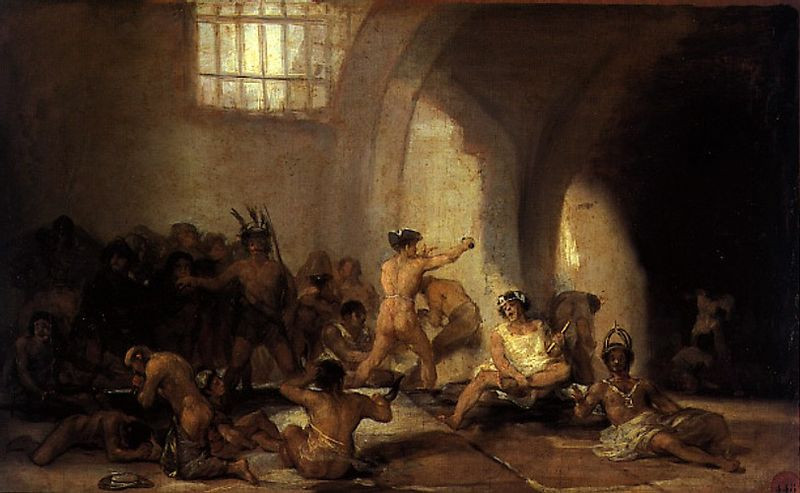
In Francisco de Goya's madhouse (1746- 1828), the light coming in through the bars of the window is the only contact with the outside world. Inside, deranged beings have been dumped, sharing the same oblivion, in pathetic and grotesque poses.
Goya looks with compassion on the despair of the sick and gives each case its own identity through gesture. He defines different kinds of psychopathy such as delusions of grandeur, post-traumatic stress, depression or melancholy.
What was the Spanish painter trying to say? The symbolism of the figures suggests a parody mocking the powers that be. Perhaps he wanted to expose the wretched state of the institutions that took charge of the insane. Or, given how close he was to illness himself, he may have had a personal interest in dealing with the mind's abnormal states.
Either way, Goya portrays a devastating place that attacks human dignity.
La balsa de la Medusa (1818- 1819)
In July 1816 the French frigate Méduse was wrecked off the coast of Mauritania. With too few lifeboats, 147 people had to take refuge on a makeshift raft. They were soon abandoned on the open sea by the rest. With no provisions and barely any water, they were driven to cannibalism to survive.
13 days later they were rescued. Hunger and madness had torn the raft apart. Among piles of mutilated, rotting bodies, 15 people were still alive.
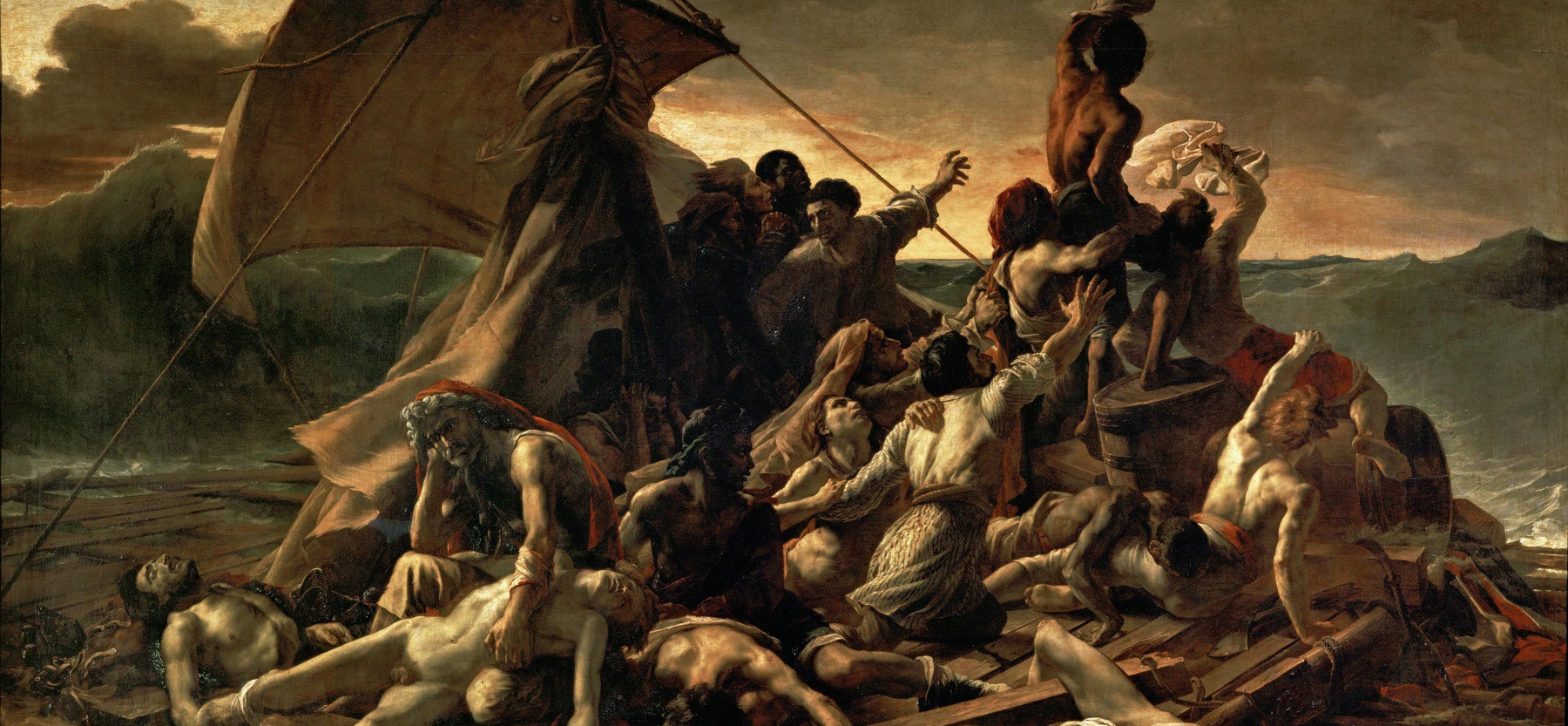
It became a national scandal. Théodore Géricault (1791- 1824) undertook painstaking research to reconstruct what had happened on a canvas. The artwork captures one of the moments during the drifting, when the castaways sight a ship.
The French painter strips the drama bare in a pyramid-shaped scene. From the crushed old man, who turns his back on hope, to the two young men bravely shaking their shirts in the belief that they will be seen. The wind, however, is blowing a different way, carrying them away from rescue.
La balsa de la Medusa is Géricault's masterpiece and a symbol of French Romanticism. There is no protagonist here other than human misery in the struggle to survive.
El infierno (1500- 1505)
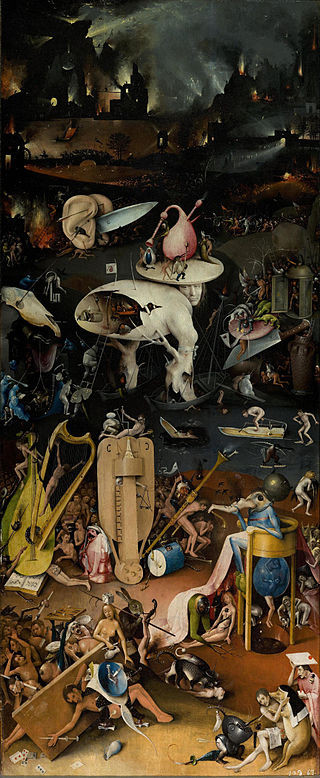
Within the triptych El jardín de las Delicias, Hieronymus Bosch (c. 1450- 1516) sets aside a place for hell. He paints an irrationally atrocious place, with tongues of fire, nightmarish scenes of torture and figures that are fantastical and demonic at once.
It is known as the musical hell, since the instruments work as instruments of martyrdom. In the middle ground appears the figure of a tree-man, looking straight at whoever looks at him. He is associated with the devil because he stands out from the rest in colour and size.
In hell, sins are condemned and sinners tortured. Gluttony settles its account in the tavern inside the tree-man's trunk, where toads and other horrors are served up to eat. The envious serve their sentence in icy waters. And even the discredited clergy do their penance, as the pig dressed in a nun's veil shows.
Bosch signs off on a moralising artwork and warns that sinful pleasures will not escape their eternal punishment in hell.


Comments (0)
Log in to leave your comment. Log in