
From its beginnings, cinema adapted works of literature, of theatre and of painting too. In the classics it found images to turn into movement. The seventh art still looks for inspiration among brushstrokes and doesn't hesitate to turn canvases into film scenes. We've picked five examples.
A Day in the Country (1936, Jean Renoir)
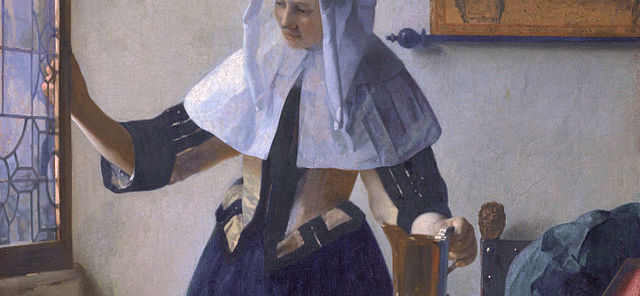
The Impressionist painting of Pierre Auguste Renoir shows up in every frame of A Day in the Country. The French director pays tribute to his father's work through beautiful sequences steeped in Impressionist nature. Based on the text by Guy Maupassant, the mid-length film tells the story of a Parisian family's outing to the banks of the Seine, thrown off course by an encounter with two very cheeky young men. Auguste Renoir's paintings take shape at several moments in the film. Although the film is soaked, from start to finish, in the Impressionism that bathed the banks of the Seine.
Girl with a Pearl Earring (2003, Peter Webber)
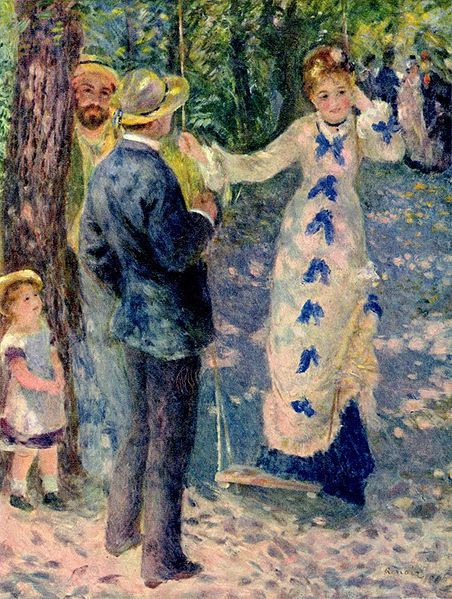
In Girl with a Pearl Earring, Peter Webber recreates the pictorial universe of Johannes Vermeer. Griet enters the life of the ruined Dutch artist as a servant, only to become his inspiration in the end. The film's title alludes to one of Vermeer's most emblematic paintings, and its creation sits at the heart of the story. From the relationship that grows between the painter and the young woman some of his artworks will be born, such as Mujer con una jarra de agua (around 1662), leading up to the canvas that gives the film its lead role, La joven de la perla (around 1665).
Nightwatching (2007, Peter Greenaway)
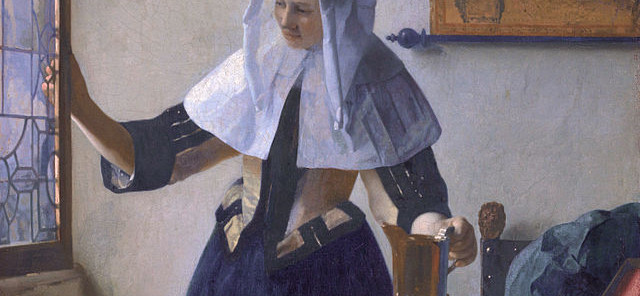
Amsterdam, 1642. The famous Dutch painter Rembrandt accepts the commission for what will be his masterpiece, La ronda de noche. On uncovering a murder conspiracy, he sets out to denounce and accuse the guilty in his painting. The accused, however, plot their revenge to ruin the artist. The filmmaker, Peter Greenaway, stages the scene of the canvas in the film that takes its name from it, Nightwatching. Painting a portrait of the path Rembrandt traced from glory to failure.
Melancholia (2011, Lars von Trier)
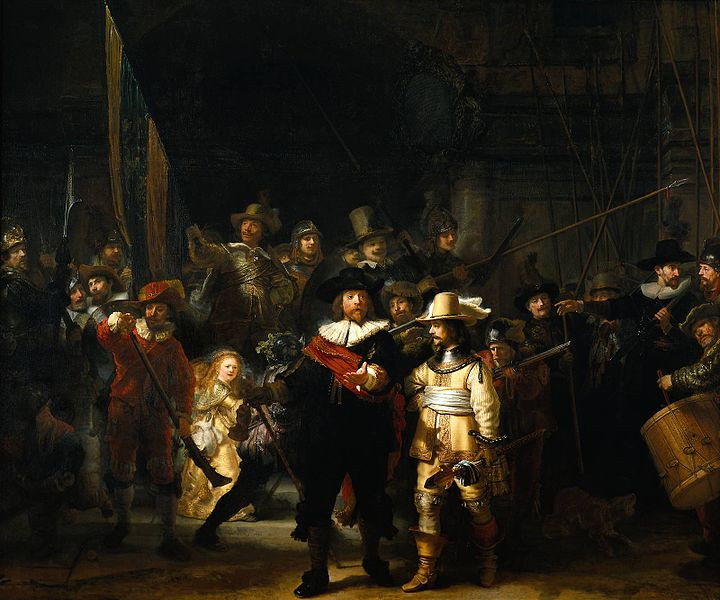
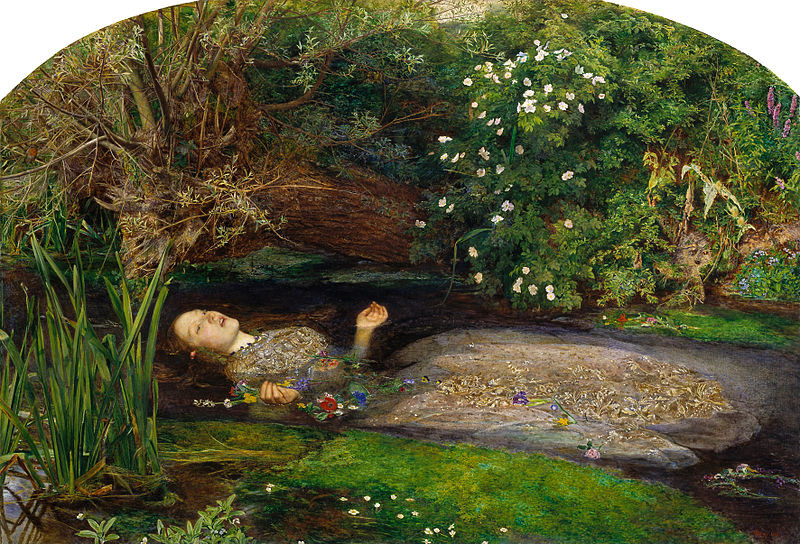
Melancholia is an apocalyptic tale. It mixes the end of the Earth, threatened by an imminent collision with another planet, with the opposing worlds of two sisters, Justine and Claire. Lars von Trier squeezes his very own cinematic language and turns to artistic references to create allegorical scenes. Along these lines, John Everett Millais' painting Ofelia (around 1851) is reproduced when Justine tries to escape existential oppression and sinks into the river in her wedding dress.
The Mill and the Cross (2011, Lech Majewski)
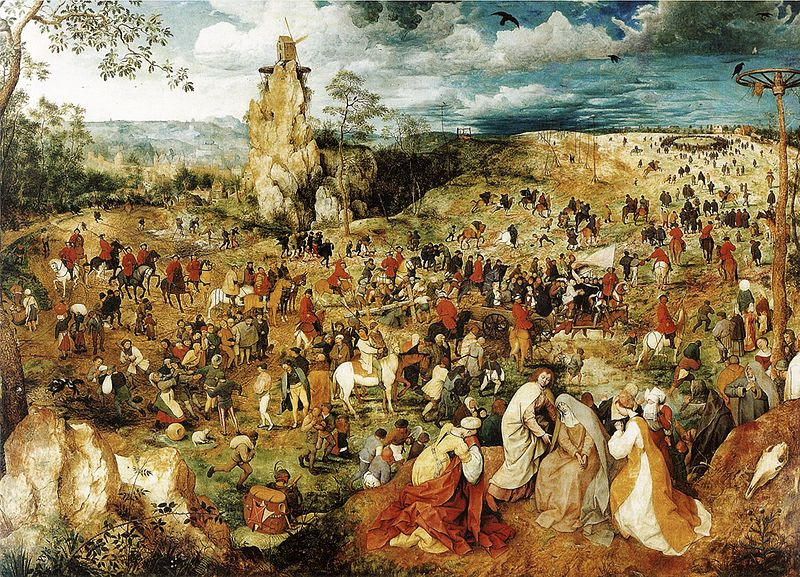
Fourteen years of work is what the Polish director says he put into turning the canvas Camino del calvario (1564) by Pieter Brueghel into a film. The film tells the Passion of Christ set in Flanders, under Spanish occupation, in 1564. The viewer witnesses the painting's creation, while Brueghel gives voice to the tragedy unfolding around him. He does so through twelve figures from the painting who come alive in the Flemish painter's imagination. All inside a spectacular panoramic landscape, where villagers and red-caped riders move to the beat of the mill's sails.

Comments (3)
ARQ. SERGIO CASTILLEJA DE LA PASCUA. DE CASTILLEJA Y ASOCIADOS, S.A. DE C.V.
June 3, 2017FELICIDADES POR ESTA INICIATIVA QUE NOS INVOLUCRA A LOS QUE GUSTAMOS DE AMBOS ARTES.!!!!!!
PEDRO MARTINEZ
November 4, 2014Adriana Vega
November 5, 2014Saludos.
Log in to leave your comment. Log in