
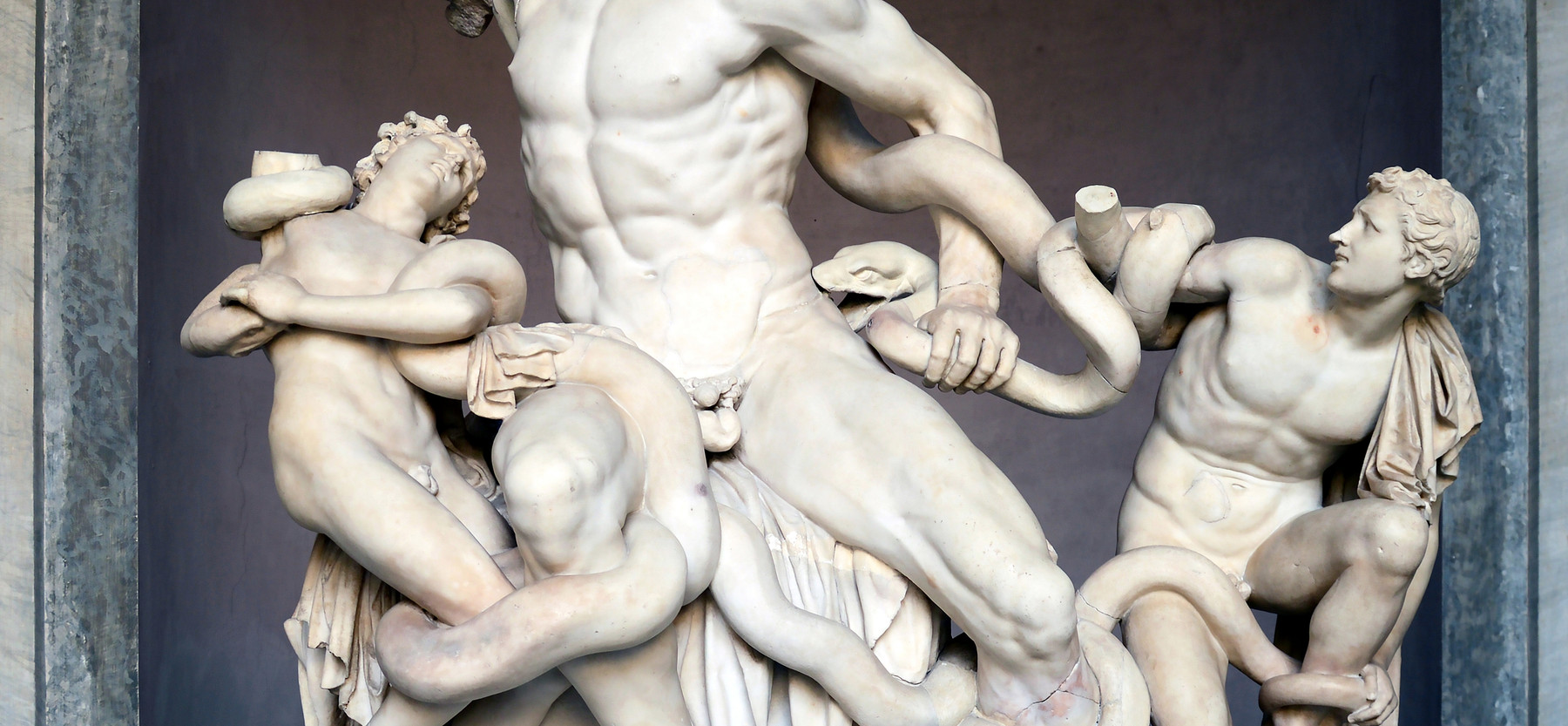
Having got to know the collecting space par excellence of the early Renaissance, the studiolo, we move on to the two spaces typical of the 16th century: the archaeological cortile and the gallery. The archaeological type known as the cortile appeared in 16th century Rome because of the huge quantity of archaeological remains that were being dug up. These architectural fragments and sculptures from classical Rome were displayed in open air spaces, both public and private, called cortile.
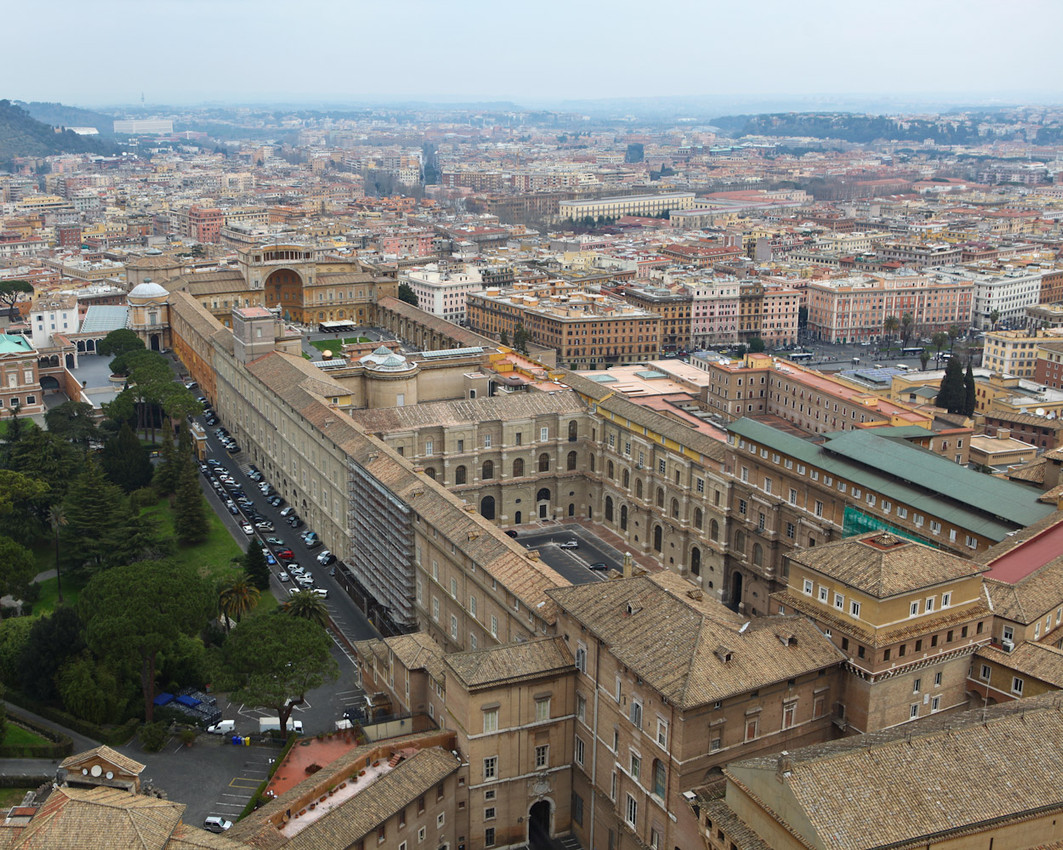
Pope Julius II della Rovere (1443 - 1513) commissioned Bramante to build a palace linking the Vatican with the Villa Belvedere. The result was that between the two complexes the Cortile or Courtyard of the Belvedere came into being, the forerunner of this genre. Julius II had his collection of classical sculptures moved there, among them the Apolo del Belvedere and la Venus Félix.
The Vatican promoted excavations to unearth more artworks from classical Rome, and they were gradually added to the Cortile, which ended up bringing together a considerable collection that today is the most important core of the Vatican Museums. To the initial artworks were added the Laocoonte, the Torso Belvedere, Praxiteles' Venus Cnidia and the Ariadna dormida, among many others.
The Cortile del Belvedere was the most impressive of its day, but there were many more scattered around Rome and in the villas of the great aristocratic families. The Medici, for instance, had a very interesting collection of Roman remains and wanted the pieces they had on display to serve a teaching purpose, so they set up a sculpture academy where Michelangelo was a student.
The gallery as a collecting space appears in the 16th century and differs from the current meaning of the word, understood as a space where artworks are displayed in order to be sold. Back then it was an architectural space consisting of a long, narrow passage with openings on one or both sides, which served to connect two parts of the same architectural complex. It could be used, for example, to link the rooms of a palace with the chapel.
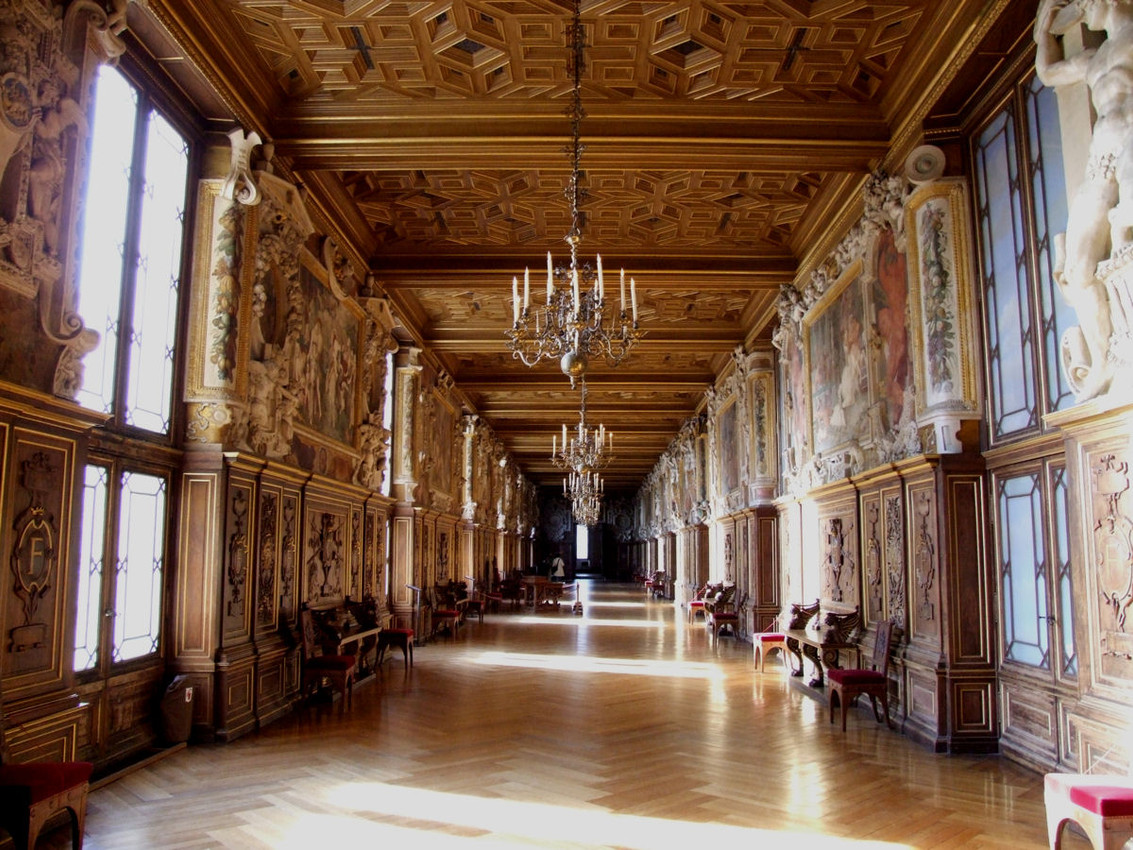
One of the first to be built was the Gallery of Fontainebleau (1528 - 1540), which connected two areas of the palace and was decorated with frescoes by Rosso Fiorentino. Little by little this type spread, especially through Italy, and we find interesting examples such as the Gallery of Maps (1580), which joined the Vatican with the Villa Belvedere, and the Uffizi Gallery (1588), which, as its name says, was a set of offices, but ones decorated with small sculptures. Today it is one of the most interesting museums in the world.
At first galleries were not conceived as a space in which to display artworks, they had a purely architectural function, connecting two points. In time they came to be considered suitable spaces for hanging paintings, and the picture gallery was born, a specific collecting space. One of the first proper picture galleries was that of the Palazzo Colonna in Rome (1670).
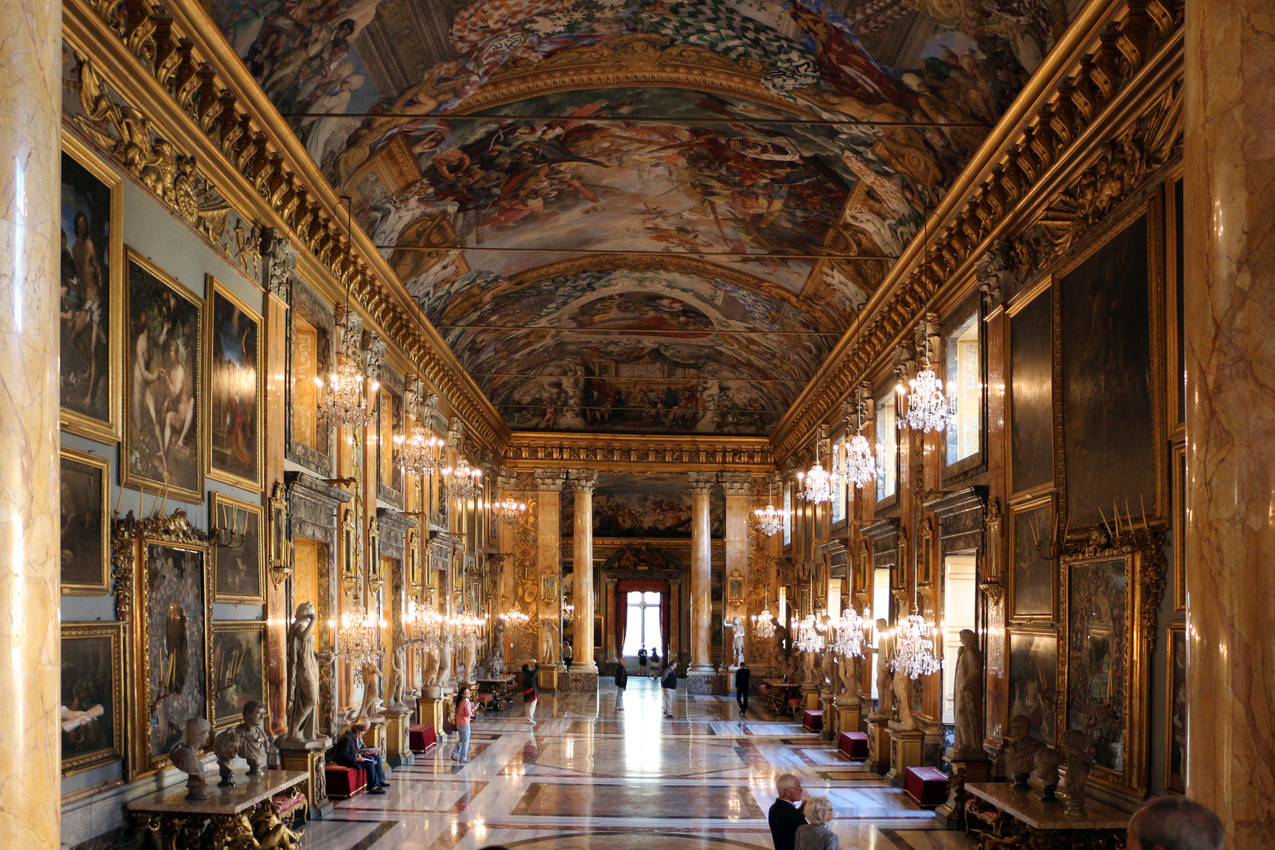
We find that the decoration is movable, that is, these are paintings that can be rearranged. It is also important that today it remains in private hands, and that lets us see what this space was like in essence, since it has undergone few changes.
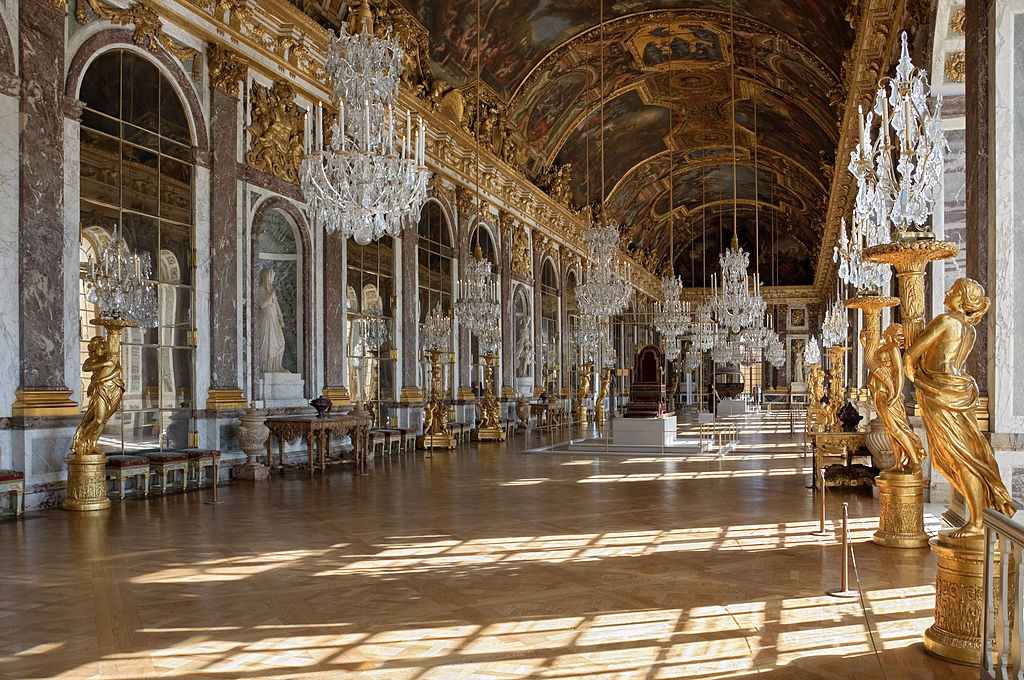
The gallery phenomenon would culminate with the building of the Hall of Mirrors at Versailles (1690), although this was not a purely collecting space, it could rather be considered a more ceremonial one, where balls were held in the presence of Louis XIV, the Sun King.
In the next chapter we will look at two other collecting spaces, the wunderkammern and the natural history cabinets, which during this period went hand in hand with the ones covered in this post.



Comments (0)
Log in to leave your comment. Log in