
At the end of the 18th century some of the most important public museums in Europe began to open, such as the Vatican Museums in Rome or the Louvre Museum in Paris. In 1780 the Pio-Clementino Museum opened (part of today's Vatican Museums), named in honour of the two popes who conceived it: Clement XIV (1705 - 1774) and Pius VI (1717 - 1799).
Every pope of the 18th century made notable moves in buying up art collections, especially Roman art, and little by little they shaped the Vatican collection. Among aristocrats an awareness was born of making the family collection known as a symbol of social prestige and personal identity, and so they opened their collections to the public. The Pio-Clementino Museum was born out of this change of mentality, with the aim of advertising the power of classical Roman art and, as a result, the power of the Papacy.
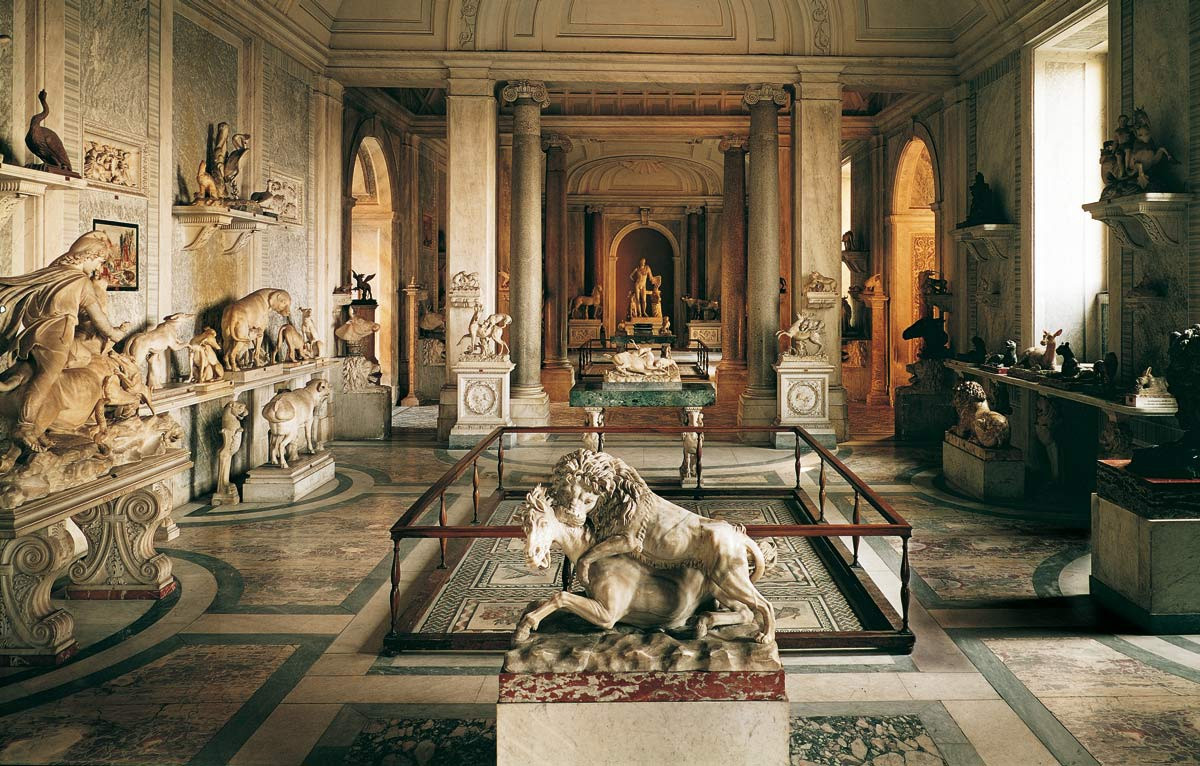
Clement XIV and Pius VI made changes to the cortile del Belvedere, through the architect Filippo Simonetti, to fit the concept of a museum they were putting together, which was the forerunner of what we know today as the Vatican Museums. Later on the Chiaramonti Museum and the Gregorian Museum, among others, would be added.
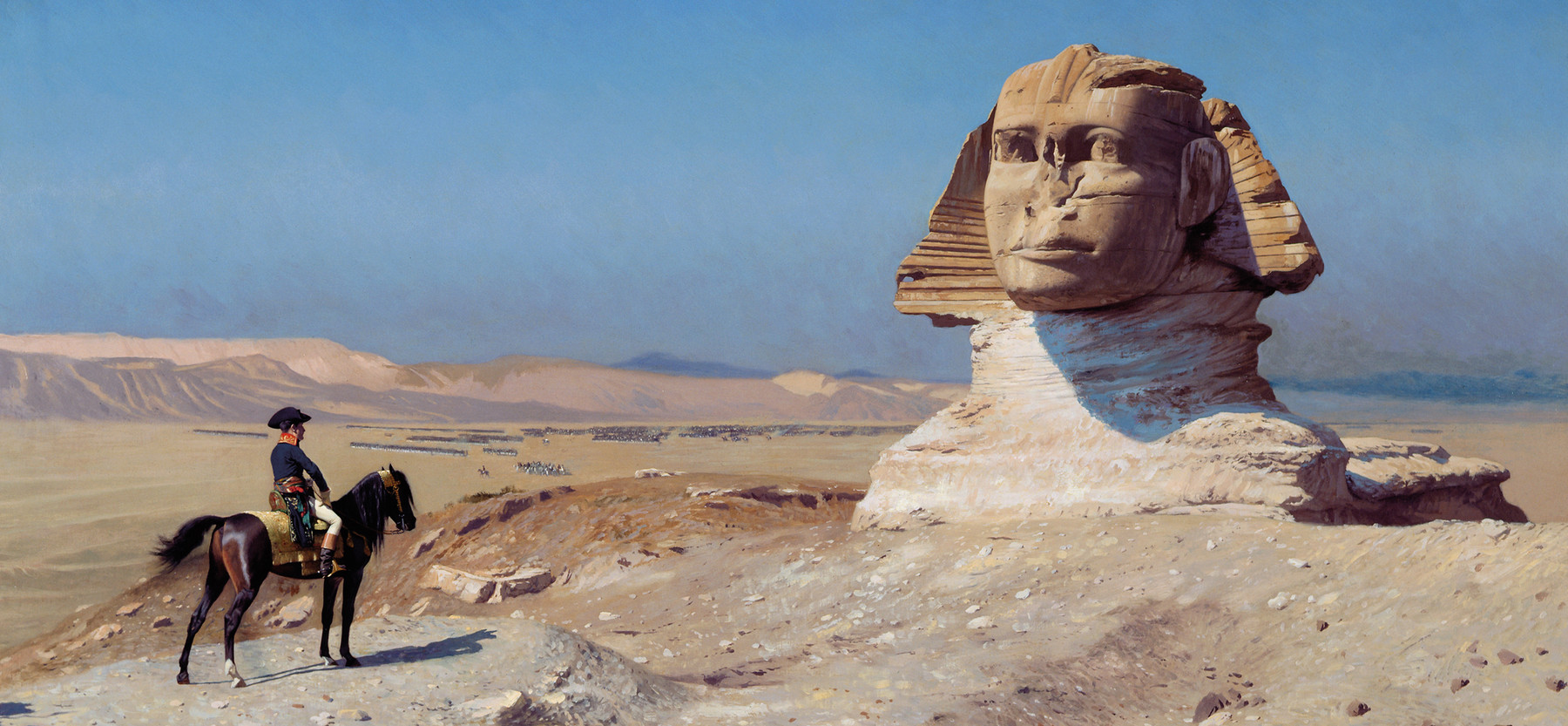
During the French Revolution (1789 - 1799) and the Napoleonic Empire (1800 - 1814) France saw a movement of artworks like nothing seen before. Within the country, the French state took over many of the Church's artworks once the monastic orders were suppressed, as well as the property of those nobles who fled the revolution. The Napoleonic Wars were also a source for taking in huge numbers of artworks obtained as spoils of war. As Napoleon's forces conquered Europe, they sacked cities looking for the most important pieces. They didn't take everything, they knew what was worth taking. A clear example of this looting force is the Louvre's enormous collection of Egyptian art, taken between 1798 and 1801 during the Egyptian Campaign.
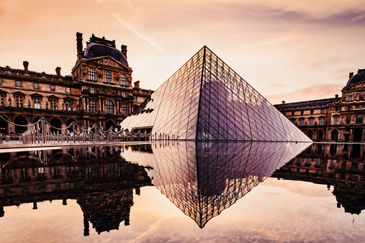
In 1793 today's Louvre Museum opened to the public, initially called the French Museum and renamed the Napoleon Museum in 1802 to exalt the emperor's power. At first some 300 artworks confiscated from the king and the nobility were put on display, a collection that would grow quickly thanks to the European conquests. The museum's first educational contribution was the making of labels giving the name of the artwork and its author, along with the name of the person the piece had been confiscated from.
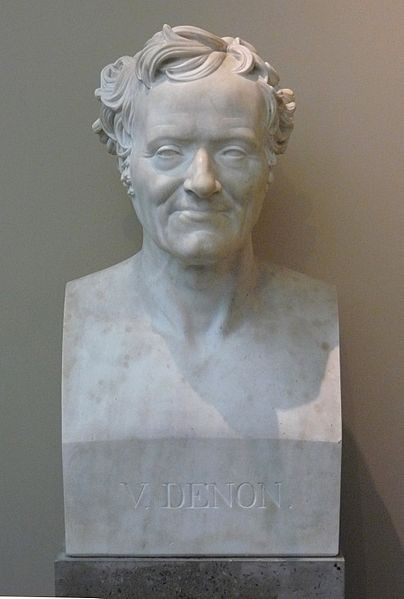
At first Napoleon offered the post of director of the French museums to Jacques-Louis David, but he turned it down, so in 1799 he ended up naming Dominique Vivant Denon (1747 - 1825) as director, a man who had gone with him to Egypt and had published a very successful book on Egyptian monuments.
Vivant Denon did an extraordinary job organising the artworks of the Napoleon Museum, which were laid out with no order or agreement whatsoever. He had to research and learn about many periods and many styles. He was also in charge of creating France's provincial museums, to which he sent some of the artworks arriving from the Napoleonic campaigns across Europe. For this curious reason, today you can find highly important artworks all over France in cities of little artistic significance.
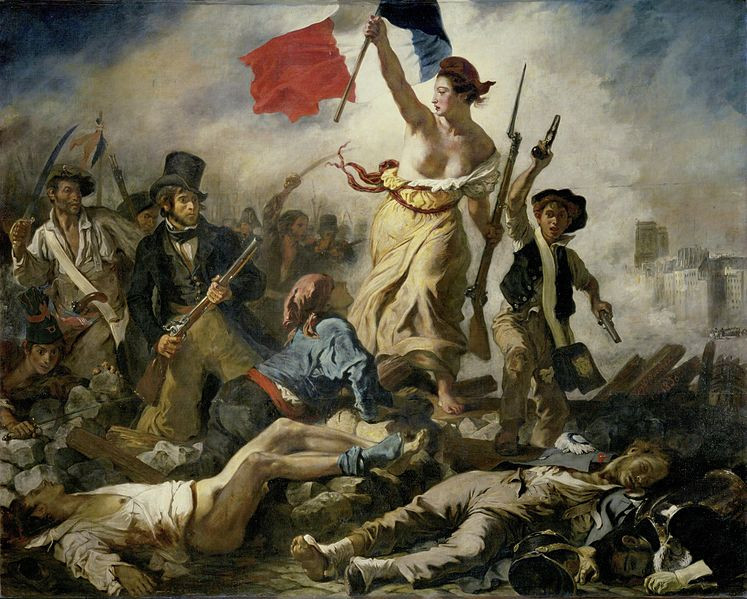
The Napoleon Museum came to an end when the emperor was defeated and the European countries began reclaiming the artworks that had been plundered from them. Many were returned to their place of origin, but there were many that are still in France or whose whereabouts are unknown. The museum that remained after part of the artworks were returned is today's Louvre Museum, one of the most complete museums in the world, without a doubt.
As for the artworks plundered in Spain, Vivant Denon didn't have much luck, since Joseph I Bonaparte (Pepe Botella), Napoleon's older brother, decided to claim the royal collection as his own property, so he only sent the Louvre a small sample of artworks from the Spanish school. When the French were driven out of Spain, Pepe Botella fled with carriages loaded with jewels and artworks (around 300).
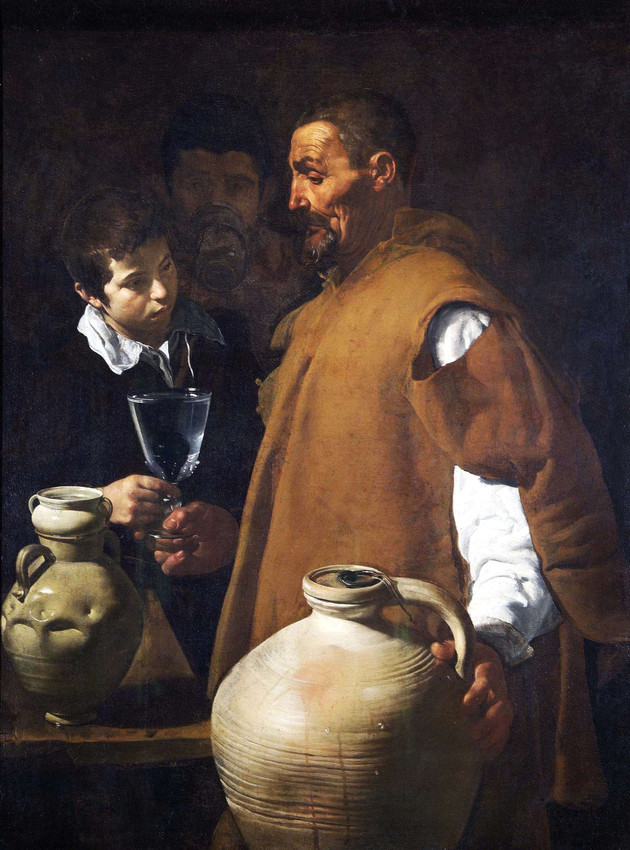
The convoy was captured at the Battle of Vitoria by the Duke of Wellington, who sent the artworks to London to be kept in his brother's custody. As soon as he realised the collection belonged to the restored Spanish king, Ferdinand VII, Wellington offered to give it back, but the king insisted he keep it as payment for having freed Spain from the French. Today those first-rate artworks make up the Wellington Collection at the Apsley House museum in London, where we can find interesting pieces such as Velázquez's El Aguador de Sevilla or Correggio's Oración en el huerto.
Comments (0)
Log in to leave your comment. Log in