
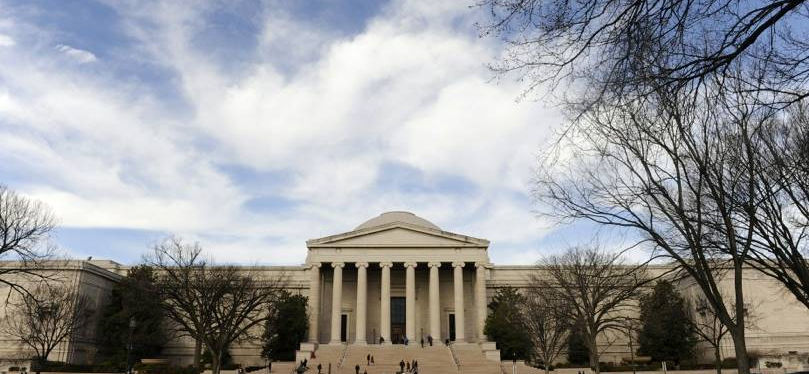
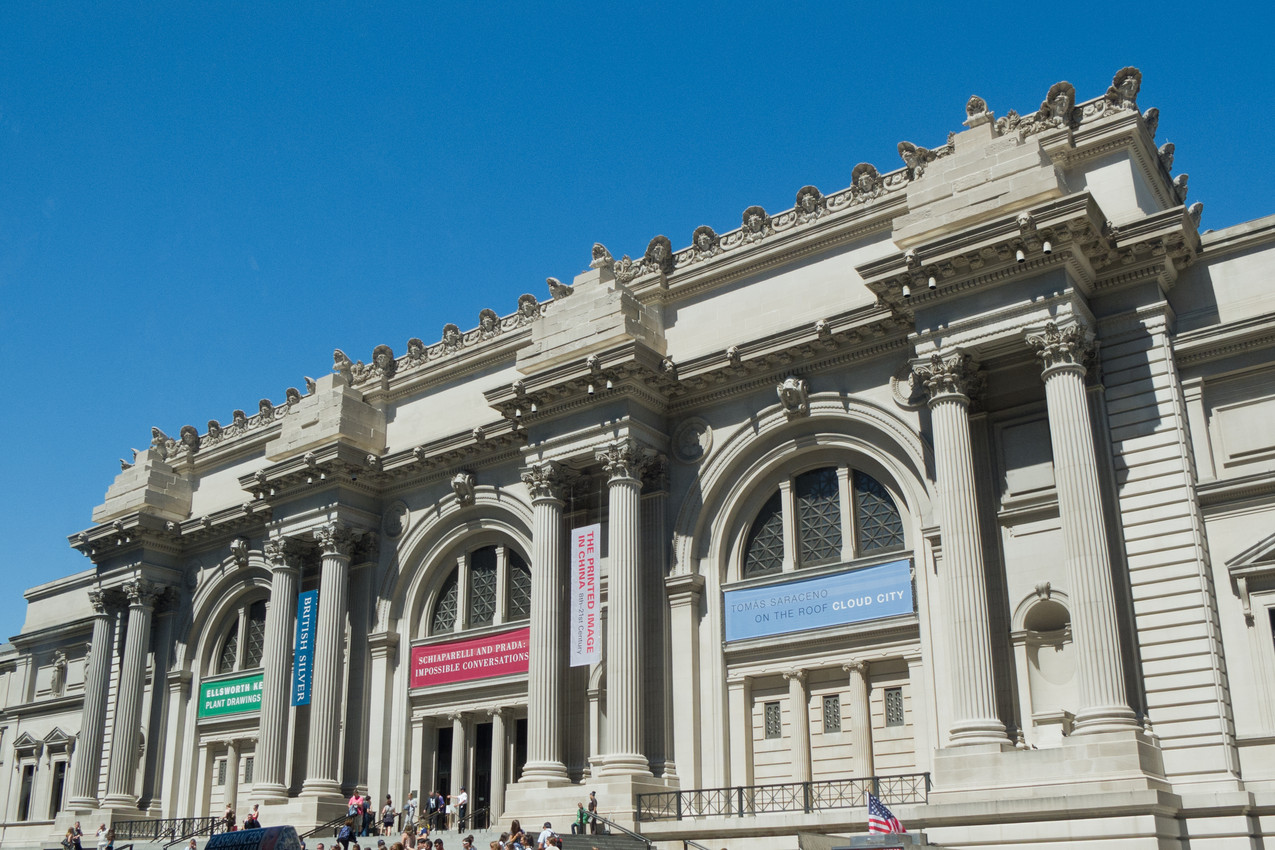
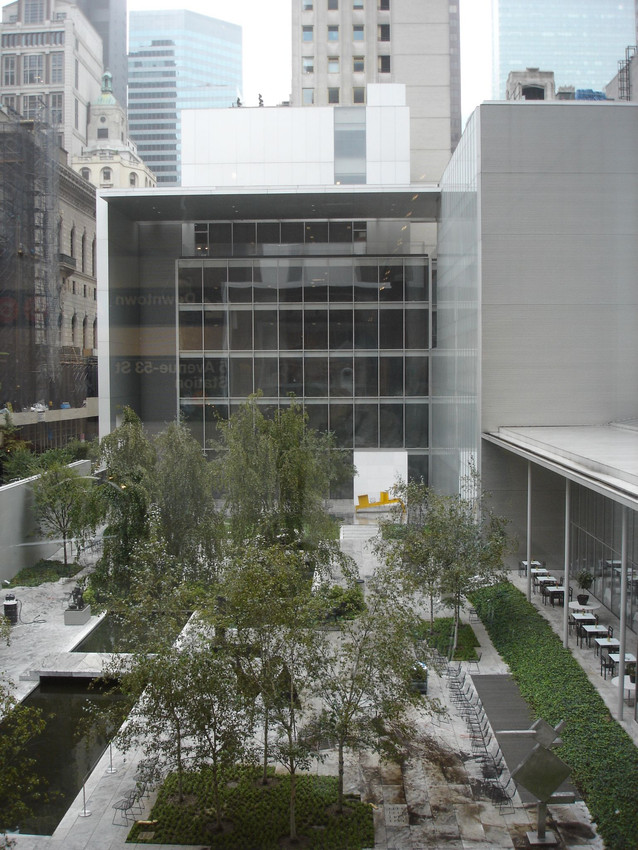
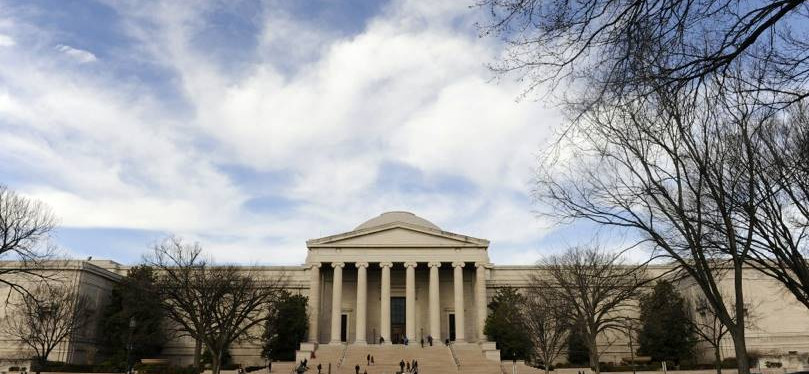
Most of the great collections, private and public alike, formed in the United States are no more than 150 years old, but that "short" run doesn't stop them from being of exceptional quality, with pieces of immeasurable value that fill great museums such as the Metropolitan Museum and the MoMA in New York, the National Gallery in Washington, as well as smaller ones like the Isabella Stewart Gardner Museum in Boston.
Once the American Civil War (1861 - 1865) was over, the first great fortunes born of the country's industrialisation began to appear. These businessmen, bankers and industrialists had generally earned their fortunes through effort and hard years of work, and in some cases they went on to build genuine empires that survive to this day. What set them apart from the European elite was their origin, more "humble" and less aristocratic. They devoted a great deal of time, money and effort to studying the culture and traditions of their European ancestors, and to imitating the behaviour of their contemporaries on the other side of the Atlantic. Another aspect that ended up setting them even further apart was that the American elite had fortunes without equal and no qualms about spending that money, especially when it came to art. John Pierpont Morgan, Henry Frick, Andrew Mellon, William Randolph Hearst and Peggy Guggenheim were some of the "new rich" of the period. These collectors travelled to London and Paris (in some cases several times a year), the European centres of the art market, where they mixed with dealers, artists and other collectors, and acquired major pieces and even entire collections.
Without a doubt, what finally set these collectors apart from their European contemporaries was the patriotic and social slant they gave their collections. They felt that the artworks they had been acquiring should, one way or another, be handed over to the society that had made their fortunes possible. For that reason, the vast majority gave their collections to public institutions in the United States, which ended up forming some of the most interesting museums to visit. In this way, a country with barely any artistic history managed, in less than a century (approx. 1850 - 1950), to carry out an acquisition of heritage without precedent.
This post brings the series on the History of Collecting to a close and starts a new series that will look at some of the most interesting private collections put together over the course of art history, with particular attention to those created during the last century. Some of the collectors covered will be great magnates of the industrialisation of the United States such as Henry Frick, Potter Palmer and John P. Morgan, as well as more recent collections like those of Baron Thyssen-Bornemisza and Bernard Arnault, among many others.
We hope you've found this brief run through the History of Collecting interesting, and that you'll keep an eye out for the upcoming posts about these figures who managed to build some of the most complete collections there are. In the list below you can see which collectors will be covered, and we hope you'll tell us in the comments if there's a particular one you'd like to get to know:
- Potter Palmer (1826 - 1902) y Bertha Palmer (1849 - 1918).
- Isabella Steward Gardner (1840 - 1924).
- John Pierpont Morgan (1837 - 1913).
- Henry Havemeyer (1848 - 1907) y Louisine Havemeyer (1855 - 1929).
- William Walters (1820 - 1894) y Henry Walters (1848 - 1931).
- Henry Frick (1849 - 1919) y Adelaide Frick (1874 - 1931).
- Andrew Mellon (1855 - 1937).
- José Lázaro Galdiano (1862 - 1947).
- Samuel Kress (1863 - 1955).
- William Randolph Hearst (1863 - 1951).
- Archer Huntington (1870 - 1055).
- Peggy Guggenheim (1898 - 1979).
- Hans Heinrich von Thyssen-Bornemisza (1921 - 2002) y Carmen Cervera (1943).
- Juan Abelló (1941).
- Lluís Bassat (1942).
- Bernard Arnault (1949).
- Alicia Koplowitz (1952).
- Steven A. Cohen (1956).
- François-Henri Pinault (1962).

Comments (0)
Log in to leave your comment. Log in