
When Braque and Picasso introduced collage as an artistic technique more than 100 years ago, they changed the way art was made and understood forever. The truth is that this method of arranging and gluing scraps of paper, photographs, fabric or other objects wasn't strictly a 20th century invention. But it was in this century that it developed as a technique and ended up becoming almost an ideology. Why did it have such an impact on avant-garde art?
The classical masters already used similar methods, like covering the part of the canvas they weren't happy with using paper. There are also known precedents in 14th century Japanese art, in African tribal mottos and in German folk art. However, the Cubists' proposal was revolutionary in that the artist deliberately chose to incorporate non-pictorial elements into the compositions. Objects took on a new meaning when associated with others, and the artwork took on a three-dimensional value. Renaissance perspective was turned inside out and the painting moved from the flat plane into the real, tangible world. They also broke with the typical, expensive materials, using newspaper or tin for their creations.
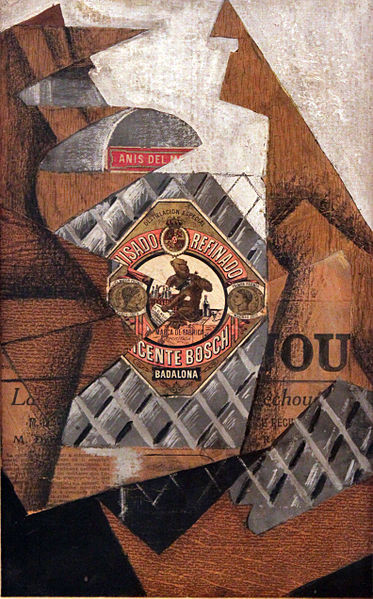
Most of the Cubists soon took collage under their wing. That was the case with Juan Gris, who brought out its virtues by applying his deductive method. In fact, the new technique was received with overwhelming enthusiasm and its use quickly spread across Europe, offering new interpretations.
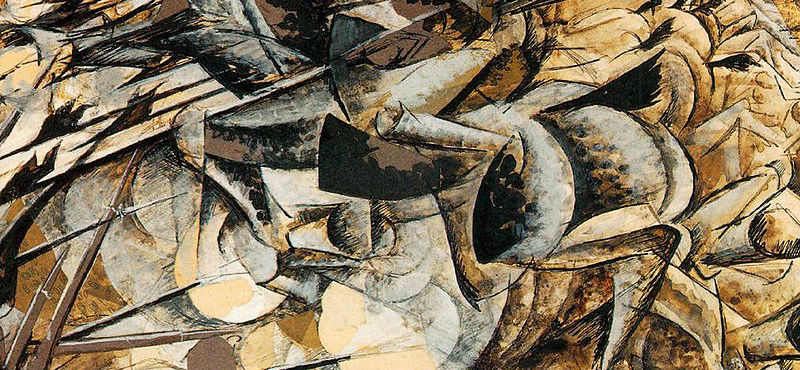
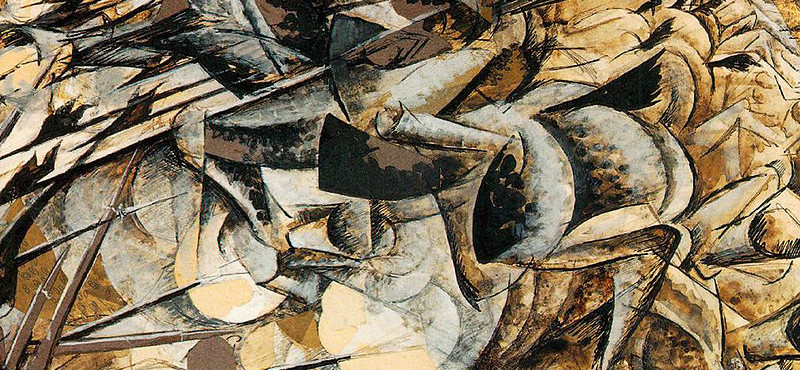
In Italy, the Futurists used it with a clear political accent to declare themselves in favour of the war. As did many Russian artists, among them the Constructivists El Lissitzky and Aleksandr Rodchenko.
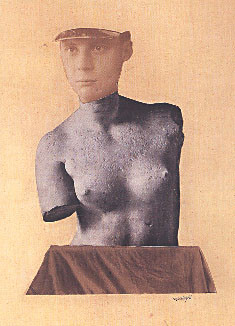
The golden age of collage arrived with Dadaism. In their attack on rationality, the Dada artists embraced chance, accident and improvisation, and in the forms of collage, assemblage and photomontage they found the tools to give shape to their protest. Using clippings from magazines, newspapers and other printed media, they lashed out at the conventional by distorting its own images. Take Kurt Schwitters' extraordinary Merz works, or the pieces by Jean Arp, Johannes Theodor Baargeld and George Grosz, among others.
Around the same time, Marcel Duchamp was also revolutionising the very idea of art with his controversial revaluation of the object, and so pushing its significance further. A concept that the Pop movement would later pick up. Surrealism, further removed from social and political concerns and drawing on the unconscious, went on exploiting the possibilities of collage by pasting images at random, building a new visual poetry in the process.
Once the Second World War was over, many European artists, such as Jean Dubuffet, Jean Fautrier and Antoni Tàpies, chose to work collage with rough, basic materials to express the devastated Europe that was left. On the other side of the Atlantic, the Americans were also experimenting with the new paths of art, joining, tearing and layering elements.
In short, by the end of the fifties collage had already become the technique that best allowed the artist to question traditional art, and an essential tool for change in one of the most turbulent moments of our era.
Visit Artelista's collage catalogue, there are thousands of artworks there to inspire you!
Comments (1)
Aurora Beatriz garcía
March 17, 2015Log in to leave your comment. Log in