
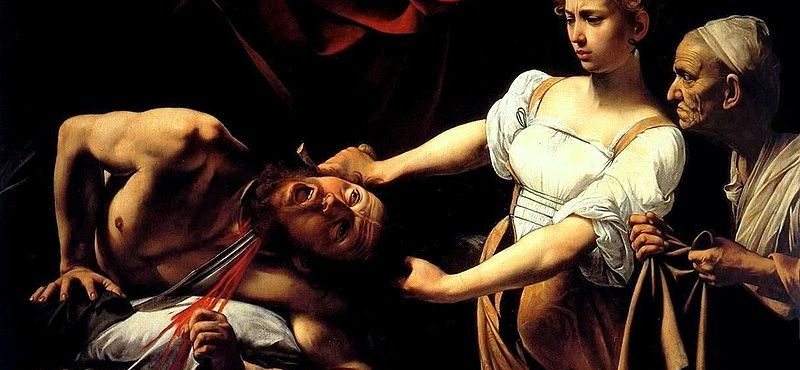
Caravaggio and Rembrandt were two of the greatest exponents of the Baroque, two original artists with eventful, tragic lives who never crossed paths in time or place. That is surely why they tackle the most prized resources of 17th century painting in parallel, yet in different ways.
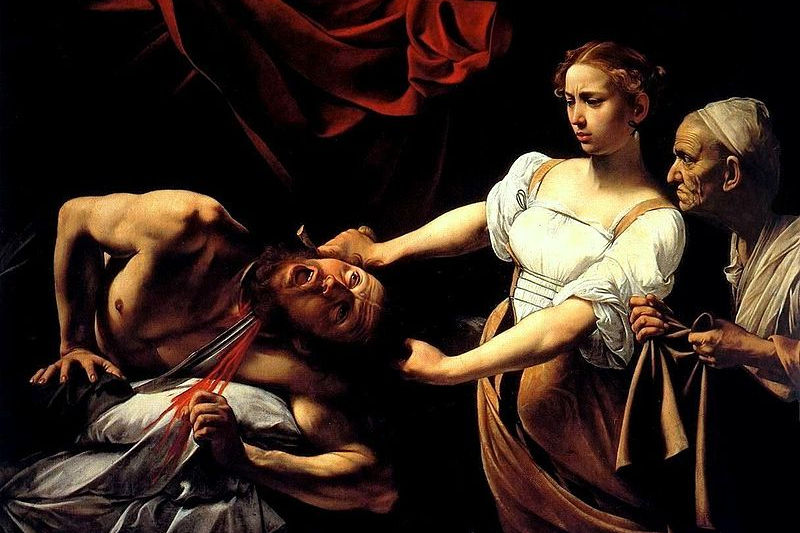
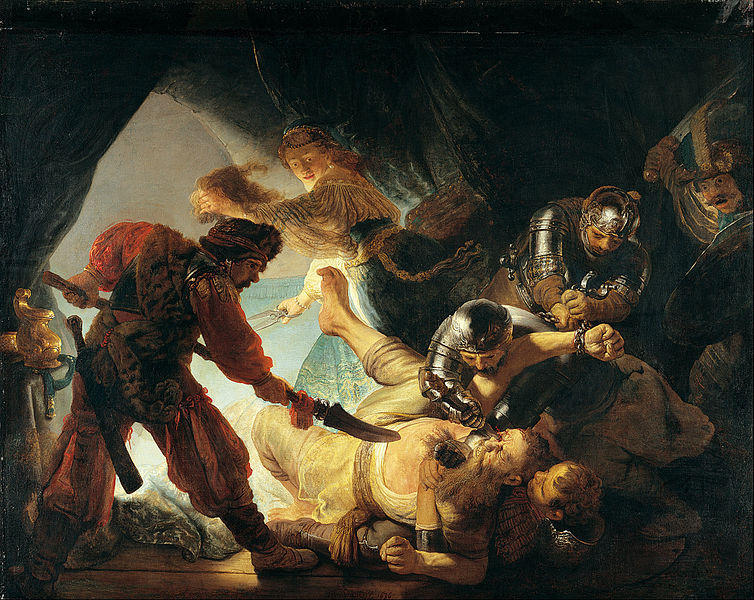
One of those resources is, without a doubt, the raw expression of drama and violence. And here, in fact, they resemble each other. Both themes are introduced by Caravaggio (Milan, 1571- Porto Ercole, 1610) and Rembrandt (Leiden, 1606- Amsterdam, 1669) with no mercy for the viewer. You can see it in two of their paintings: Judith y Holofernes (1599) by the Italian and La ceguera de Sansón (1636) by the Dutchman.
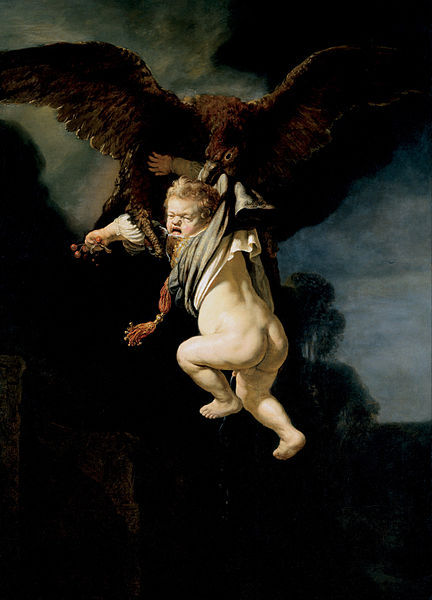
Something similar happens with the depiction of beauty. The resistance both painters showed to the majestic image of the classical ideal was, as with drama and violence, voracious. From their brushes came a beauty that paid special attention to a realist sense. Rembrandt, moreover, chose to poke fun at the classical myths, as in his version of the Rapto de Ganímedes (1635), where he turns the dazzling young prince who, seduced, gives himself up to his abductor into a child who cries and wets himself out of fear.
But if there is one thing that truly unites and separates the two masters, it is light. On one side, Caravaggio carried on with the naturalist practice of light that was usual in the north of his country. The Italian used light to illuminate particular parts of the canvas and to set up violent contrasts. With an outside light, meant to look natural, he gave many of his artworks an intense meaning. One example: his famous La vocación de san Mateo (1599- 1600).
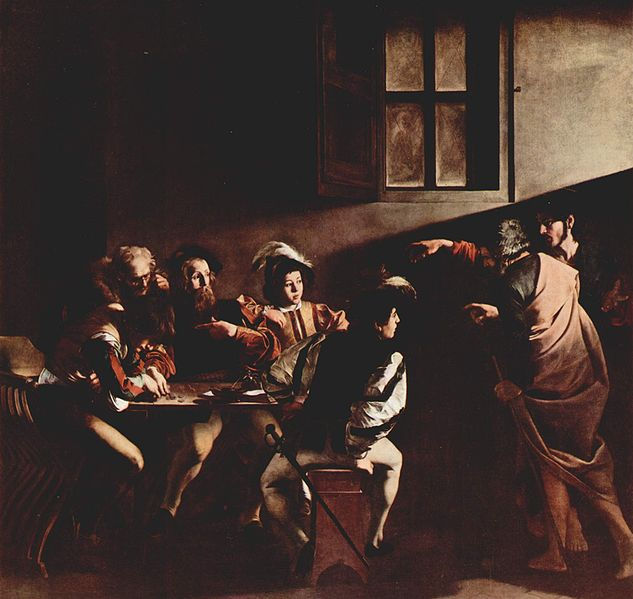
The Dutchman, however, used light not so much to shape his figures as to dissolve them into their surroundings. His attention did not fall on the dimensions of matter, but on the luminosity that matter held within itself. And he had the extraordinary ability to find it in the appearance of an angel, in the nakedness of the human body or in the shining garments of his characters.
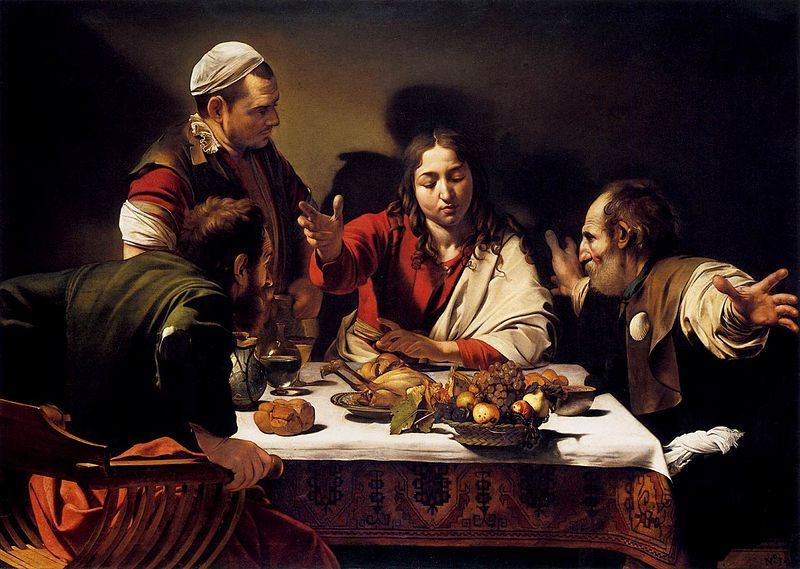
Caravaggio and Rembrandt also faced up, each in his own way, to the manifestation of the sacred. Caravaggio caused a stir by entering this territory through a revolutionary, and controversial, realist interpretation, in which grandeur sprang from the mundane. His biblical protagonists are not idealised, as in his first version of La cena de Emaús (1601). It seems the clergy were not pleased, since it brought the divine too close to reality, and five years later he painted a less controversial one.
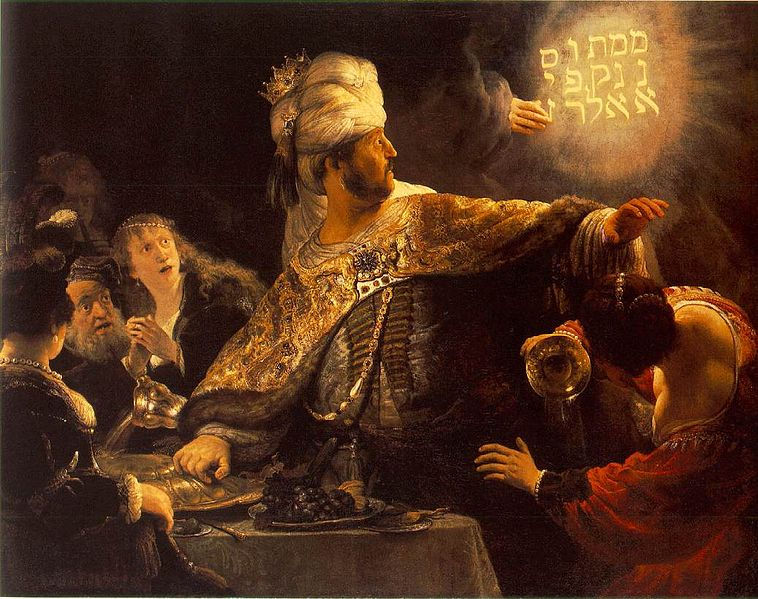
Rembrandt, on the other hand, in the artwork of the same title, created a symphony of natural and divine light to bring out the sacred figure. In others, such as the Festín de Baltasar (around 1635- 1638), he focused on the expressive force of his characters and pushed the lighting to obtain a theatrical effect.
Comments (0)
Log in to leave your comment. Log in