
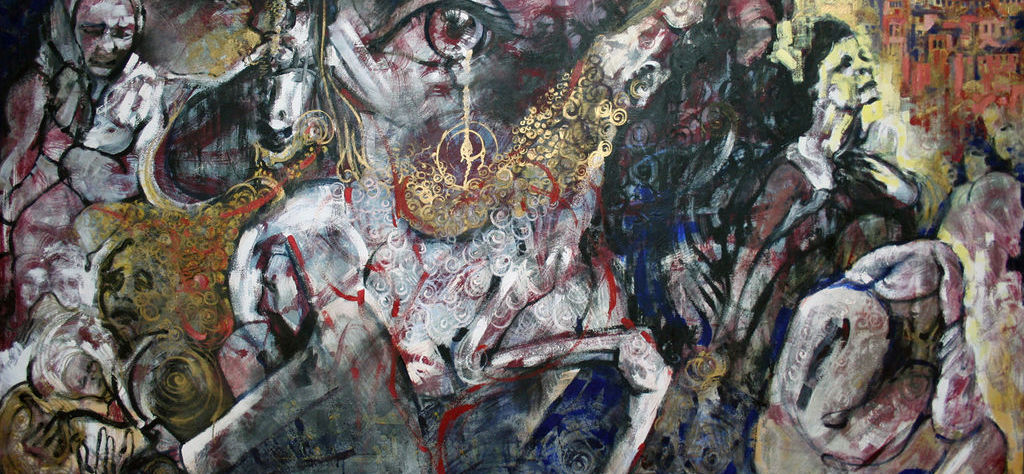
Eva María Villalba says the Guernica is one of her favourite artworks. Any War is the Sevillian artist's answer to Picasso's masterpiece. A large-format painting (200 x 100 cm), it is one of Eva Villalba's most ambitious artworks. The Picassian references are obvious in the format, in the subject, and in some of its motifs. But the style, the brushwork and the use of colour move away, fortunately, from the genius from Málaga.
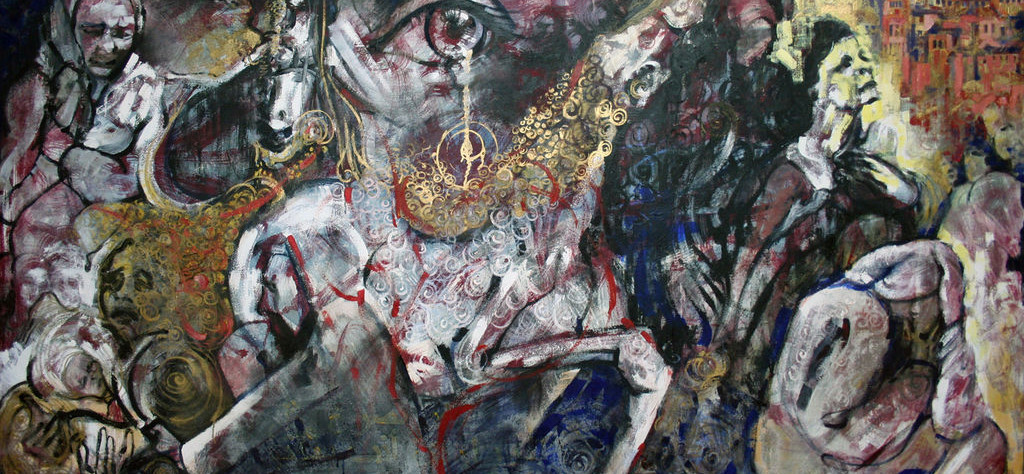
The composition is built around a series of human and animal figures in different sizes and perspectives. At one end you can make out a city about to be devoured by violence, about to burn up in the flames of warlike fury.
Some of the faces verge on Goya-like expressionism while a huge eye stares at the viewer as if it were the sun of some great sunset. But the most interesting thing about the painting is the chromatic clutter, built up from layers of matter (with a curious use of golds and reds standing out) that produces that sense of desperate delirium. And that's how Any War returns to the Guernica: it conveys the same alienation as Picasso's painting (it is war, it is any war), but by other means.
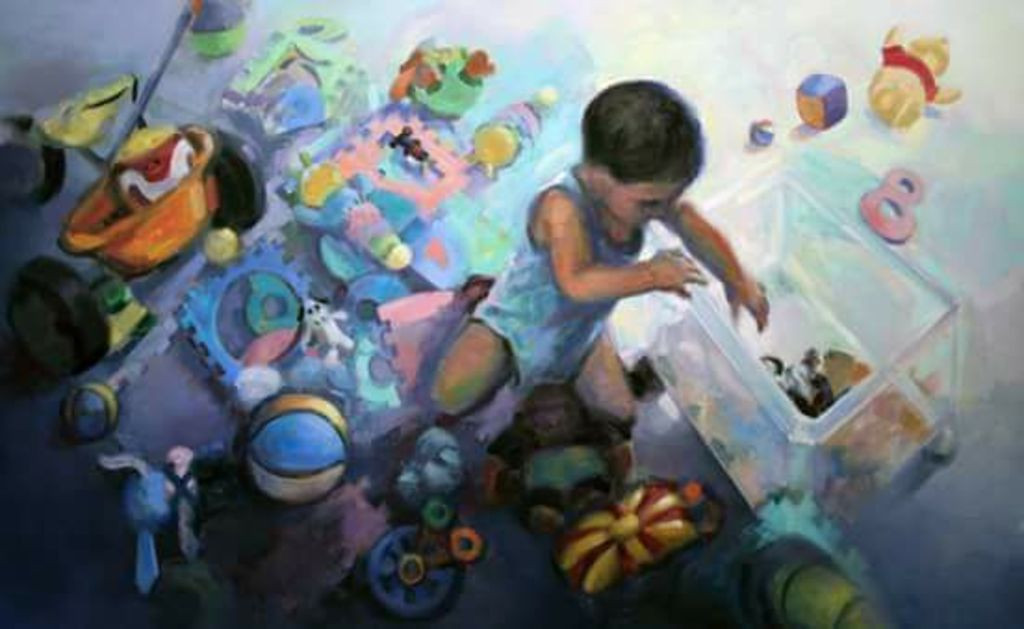
On top of all that, Any War shows the versatility of Eva Villalba, capable of going from a large expressionist format to a realist, intimate and almost comic painting like ¿Dónde está mi móvil?, a happy contribution from the Andalusian artist that earned a place in the XXII Muestra de Artes Plásticas of the city of Dos Hermanas in 2017.
If anything, this canvas is more representative of Eva's palette and brushwork, leaning towards classical figurative realism with a certain impressionist touch. Because Eva's more realist paintings, as is the case with this ¿Dónde está mi móvil?, have a certain atmospheric halo that often saves them from being a simple painted version of visible reality. On the contrary, in this canvas we feel the determined drive of the child fiddling with his toys: because we all know there's nothing more serious for a child than playing.
Childhood is, in the Sevillian artist's own words, the main subject of her painting. Although we'd rather talk about innocence. A good part of Eva Villalba's production revolves around that element: innocence as candour, naivety and learning, but also as spiritual purity.
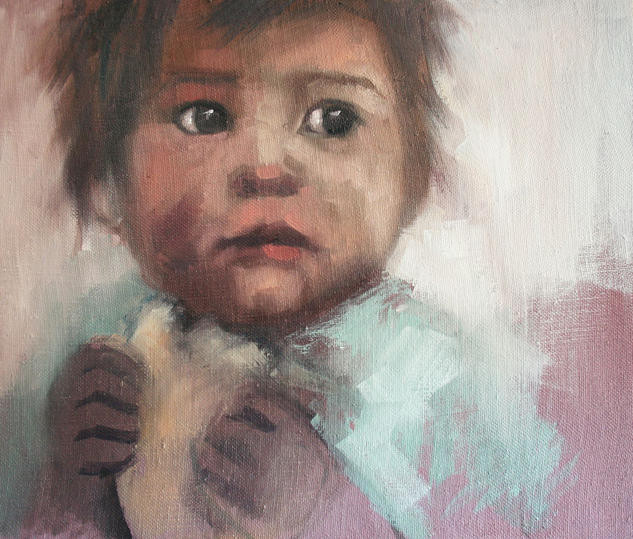
An innocence broken up, torn to shreds by the fierce world of adults: this absence of any transition between childish candour and the pain of experience finds its representation in canvases like Niño Sirio, En su mirada or Hambre. Eva Villalba concentrates all her talent in the gaze of these children, who convey that abyss, one of the worst a human being can look into in the course of a life: the end of innocence before its time.
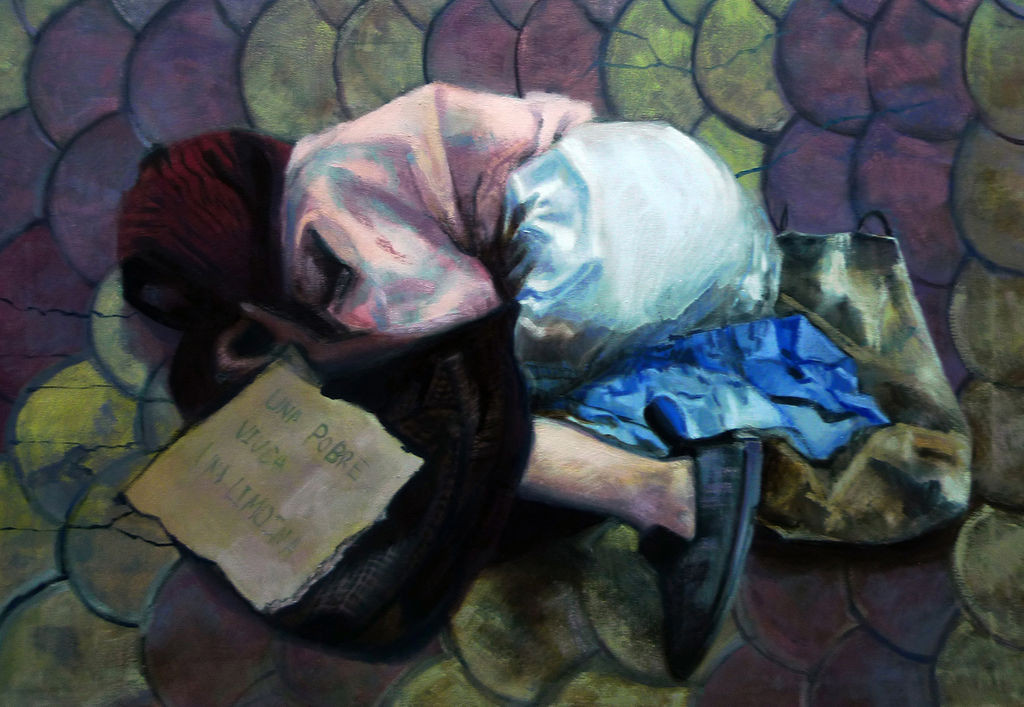
Digging deeper into this subject, the Sevillian painter pricks our sensibility with another painting of great poetic depth: El limpiabotas. Wisely, Eva Villalba blurs a good part of the painted surface so that the viewer's eyes meet those of this boy, who tells us everything there is to say with his eyes and his expression. If El limpiabotas is subtle, La encontré en la calle is brutal, a canvas of clear, hard-hitting social protest, this being another of the favourite subjects of the artist born in Seville.
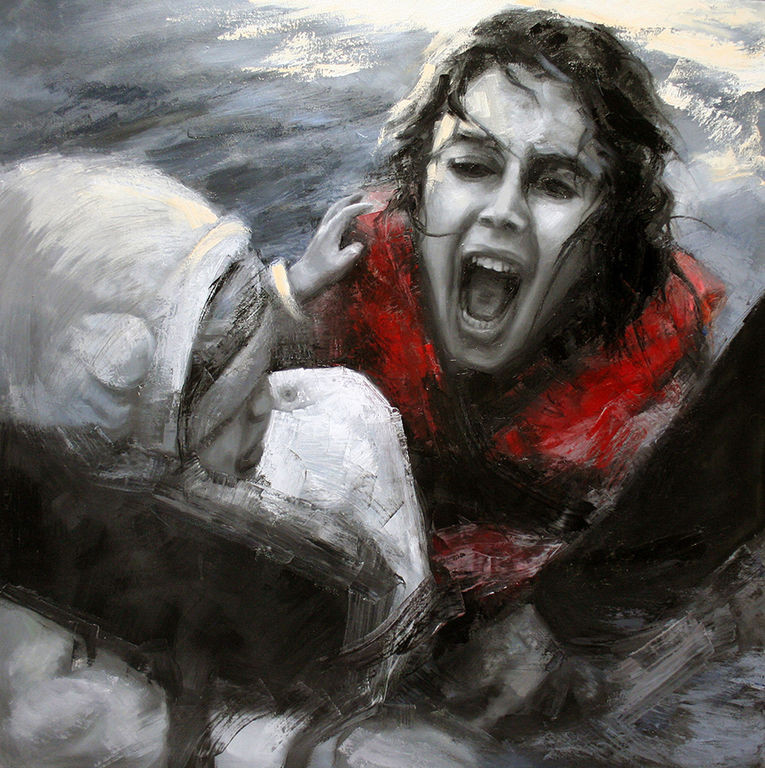
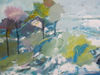
Along these lines of social protest, two of Eva's latest artworks stand out: Por una vida nueva and Contra viento y marea, two canvases that lay out the drama of immigration, notable from a technical point of view for their limited use of colour, leaving red a dominant and symbolic role.
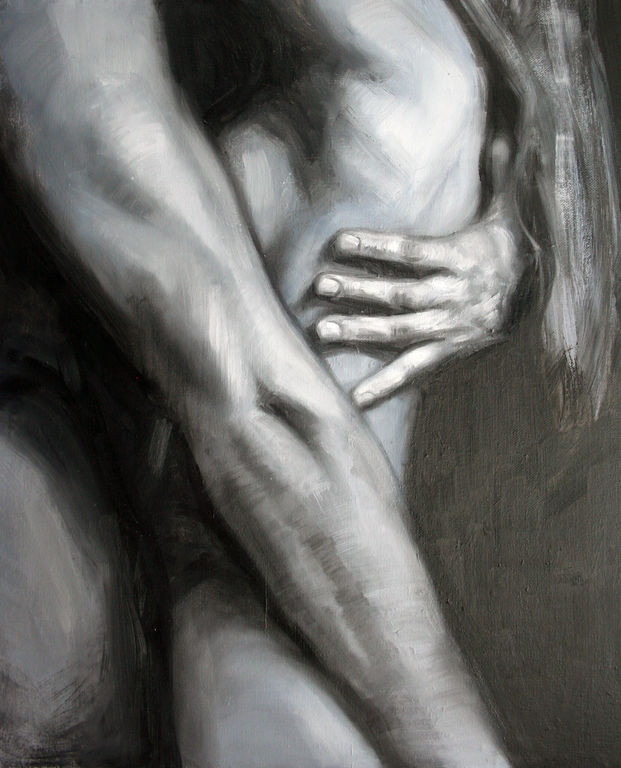
But children also play, love and dream. Eva's most ethereal paintings are these small formats of happy children discovering the intoxicating scent of life. Something like that happens in the delightful La Flor or El Pincel. While in Amor Fraternal, with a quick, impressionist brushwork, the child embraces innocence, discovers love.
We invite you to visit Eva Villalba Vega's gallery on Artelista.
Comments (0)
Log in to leave your comment. Log in