
The portrait is a genre that is part and parcel of painting. It was born the very moment a human being thought of representing a motif on the wall of a cave. Over time, the portrait has become a decisive genre for the evolution of painting. Despite being somewhat conservative in character, the portrait tends to mark the border between styles, so much so that if a style masters this genre, it's ready to master painting as a whole.
They aren't the best. They aren't the most far-reaching. But (almost) everybody knows them. In the list that follows we've gathered eight of the most celebrated portraits in the history of painting. Some of them were famous from the moment they left the artist's studio, others needed time to be understood. But all of them are wrapped in a mythical halo that has made them part of popular culture. And yes, you've already guessed which is the most mythical of them all.
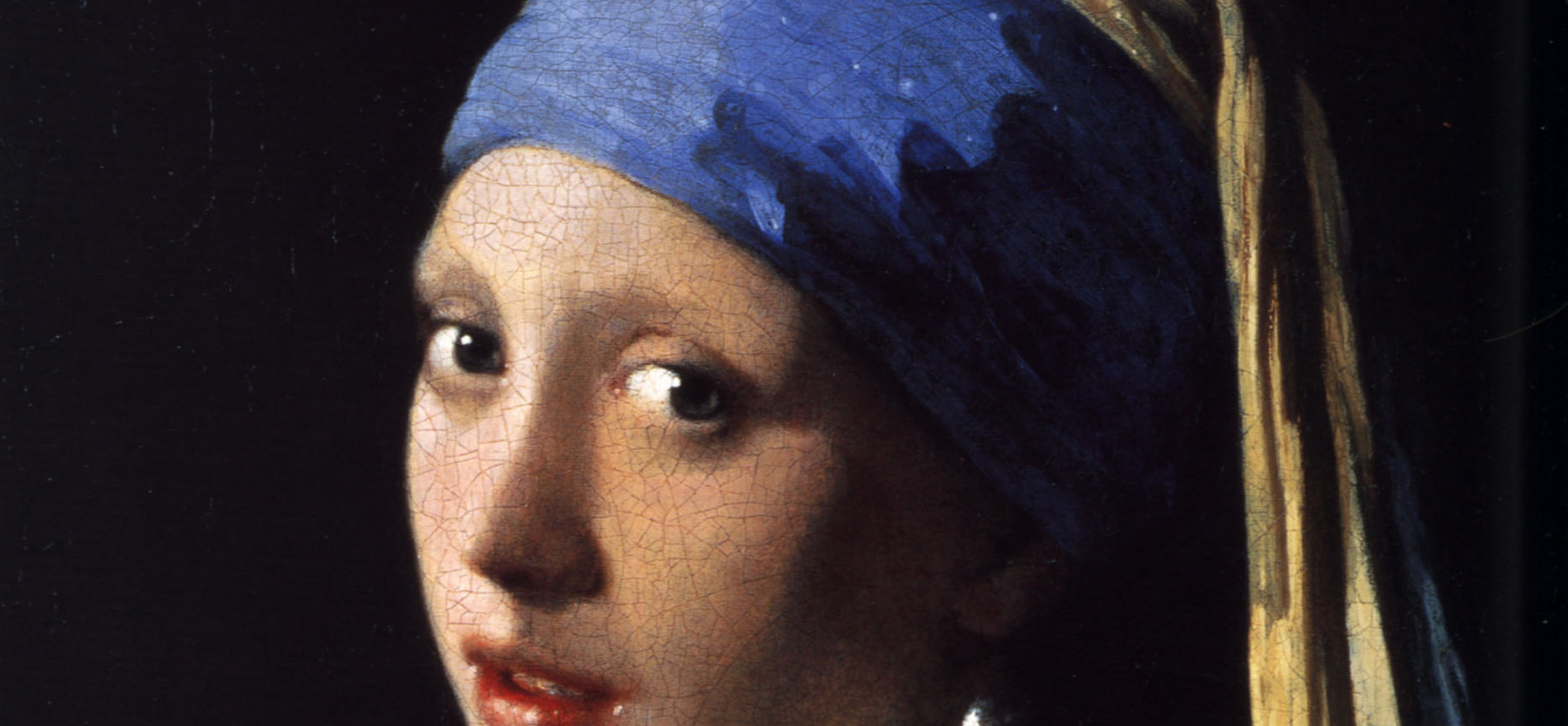
«La joven de la perla». Johannes Vermeer (1665)
Few female portraits in the history of art have achieved such a degree of fascination as this one. Is it the shining lips, the half-open mouth? Is it that unstable pose, with the head tilted? Is it that watery, enigmatic gaze? Or is it the pearl floating in the centre of the painting, telling a story we can only manage to hint at? With this portrait Vermeer achieved what most painters are perhaps after when they approach the genre within a realist style: to captivate the viewer so completely that they can't stop asking themselves what the sitter is telling us. Who was the (blessed) girl with the pearl earring?
«Inocencio X». Diego Velázquez (1650)
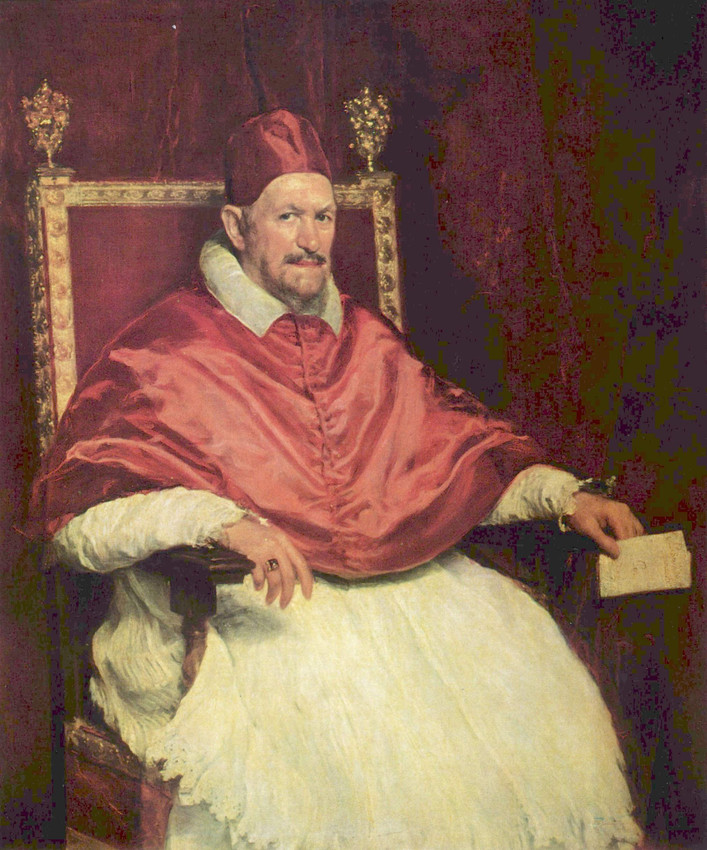
Shortly before Vermeer came across the girl with the pearl, Velázquez was up to his tricks in the papal court. The top representatives of Catholicism don't usually make many concessions to artists, but every now and then a Michelangelo or a Velázquez turns up at court and makes them change their minds. The genius of the Spanish Baroque spent the summer of 1650 portraying Innocent X, turning him into something close to a Pop icon. Who would have told poor old Innocent! The pope did smell something, though: legend has it that when he first saw the painting he exclaimed, Troppo vero!... You can say that again, Innocent, you can say that again.
«Retrato de Giovanni Arnolfini y su esposa». Jan van Eyck (1434)
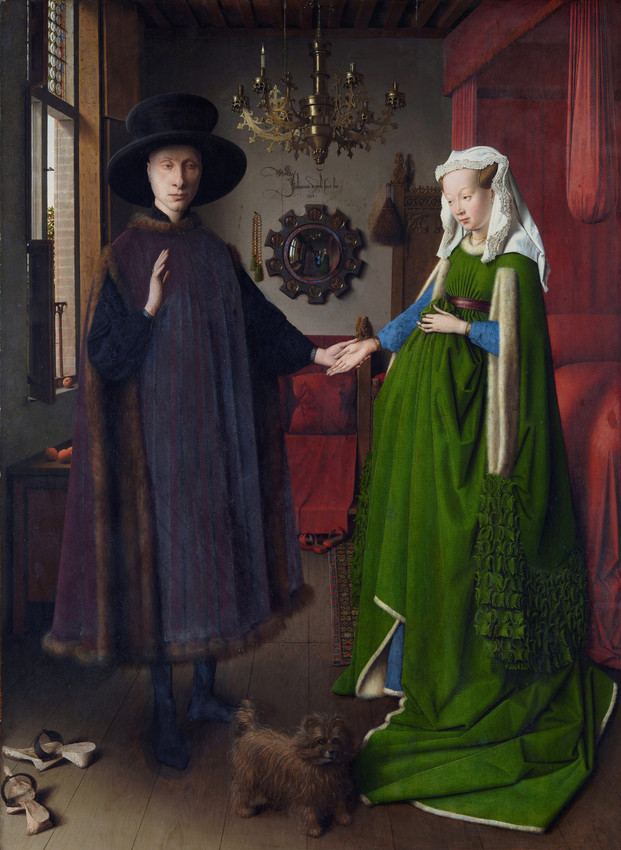
The "hair by hair" painting of the Flemish masters marked an era in the history of art. And among their most famous portraits we have to mention the one Van Eyck made of the Arnolfini couple. Many years before our Velázquez played with mirrors in Las Meninas, Van Eyck placed a mirror at the centre of his artwork to complete the story of the composition. The whole painting is marked by that unsettling microscopic precision yet, paradoxically, loaded to the brim with symbolism, and it's one of those portraits we can't take our eyes off.
«Retrato del doctor Paul Gachet». Van Gogh (1890)
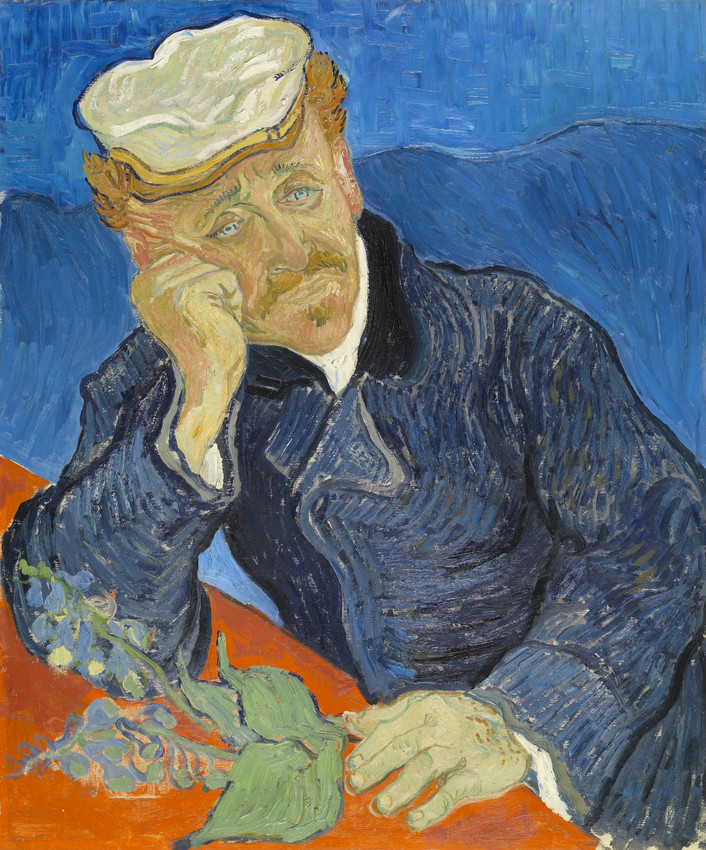
Someday someone should carry out a serious study explaining why Vincent van Gogh is so popular. Was it because he cut off an ear? What do people see in his Girasoles apart from sunflowers? While we wait for that study, the Dutch painter can't be left off the list either. Several of his portraits are among the best known in contemporary art, but this one is especially famous, and there are two versions of it: the one you see here belongs to the Musée d'Orsay. The doctor's expression and gaze are the epitome of melancholy... the painter's own melancholy too.
«American Gothic». Grant Wood (1930)
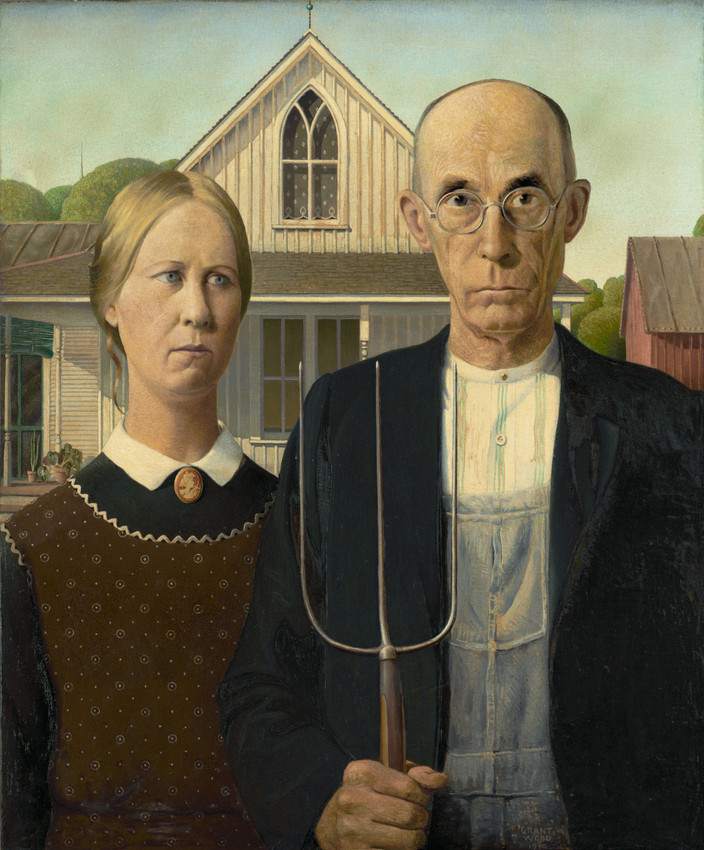
Nan Wood Graham and Doctor B.H. McKeeby. She, the painter's daughter, and he, his dentist. Nobody wanted to pose for poor old Grant, so he had no choice but to talk a member of his family and someone who happened to be passing by into it. Apparently neither of the two models wanted their identity revealed... but Grant Wood had other plans. American Gothic is one of those portraits torn apart by the critics (he was accused, among other things, of ridiculing country life and the people who live it) that end up becoming popular icons. Without a doubt, one of the most famous portraits in 20th-century North American art.
«Retrato de Ambroise Vollard». Picasso (1910)
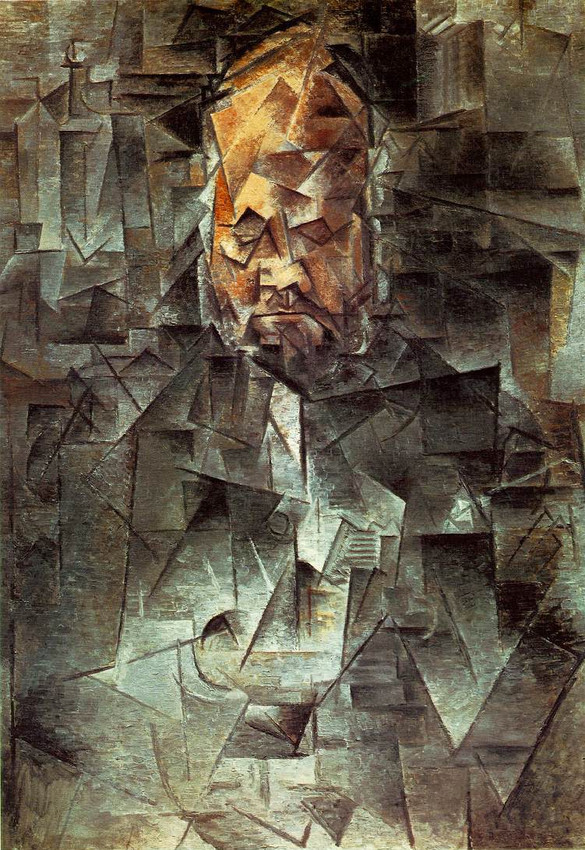
Determined to revolutionise painting with every canvas, almost with every brushstroke, Picasso threw himself into the cubist thing he invented alongside his colleague Braque. Taking the premise of breaking the object down into facets and applying it to the portrait had one of its most famous examples in the portrait of the dealer Vollard, who had already posed for Renoir and Cezanne. In the end, for the general public, the portrait of Vollard is one of the paintings best suited to understanding that incomprehensible style called cubism.
«Díptico Marilyn». Andy Warhol (1962)
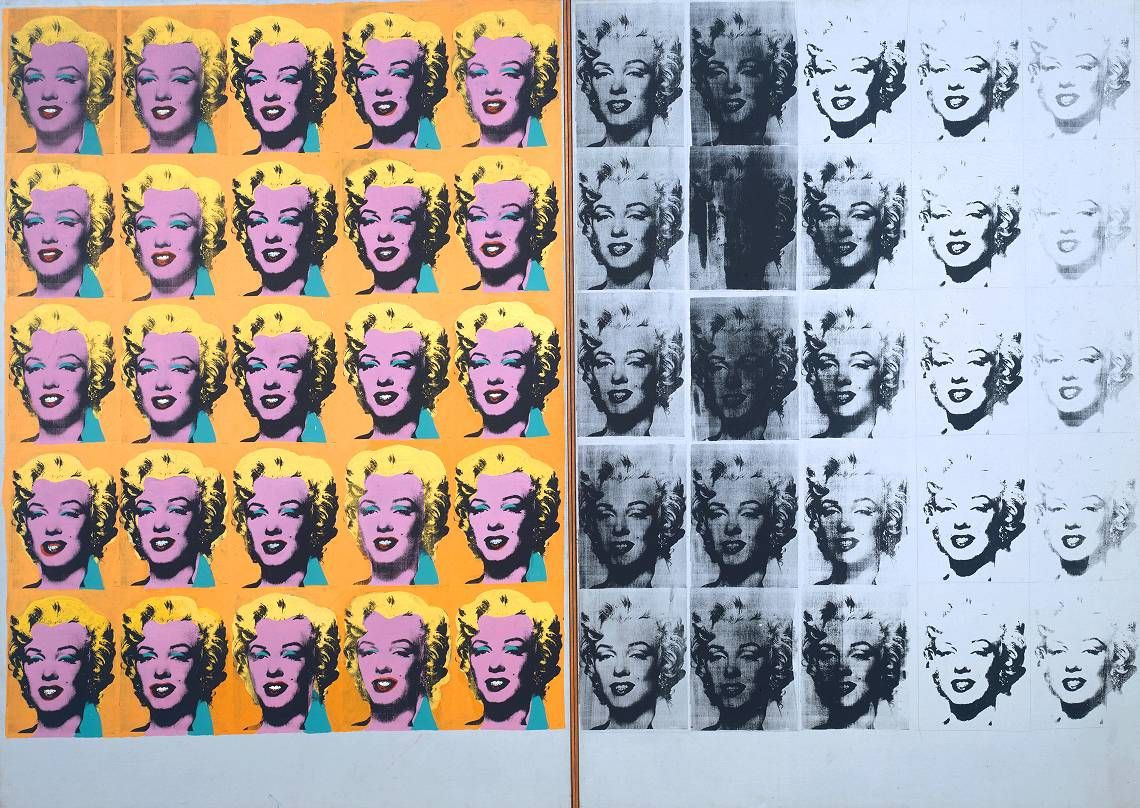
The beauty of someone like Marilyn deserves dozens of portraits. Warhol surely thought something along those lines when he took the image of a film icon and turned it into a Pop icon. Set on blowing up from within the idea of art as an elitist expression and the notion of the artwork as a unique and exclusive object, Warhol applied advertising and mechanical criteria to his art, just as his colleague Roy Lichtenstein was doing. In the end, the portraits of Marilyn Monroe would widen the aesthetic and conceptual possibilities of the portrait forever.
«La Gioconda». Da Vinci (early 16th century)
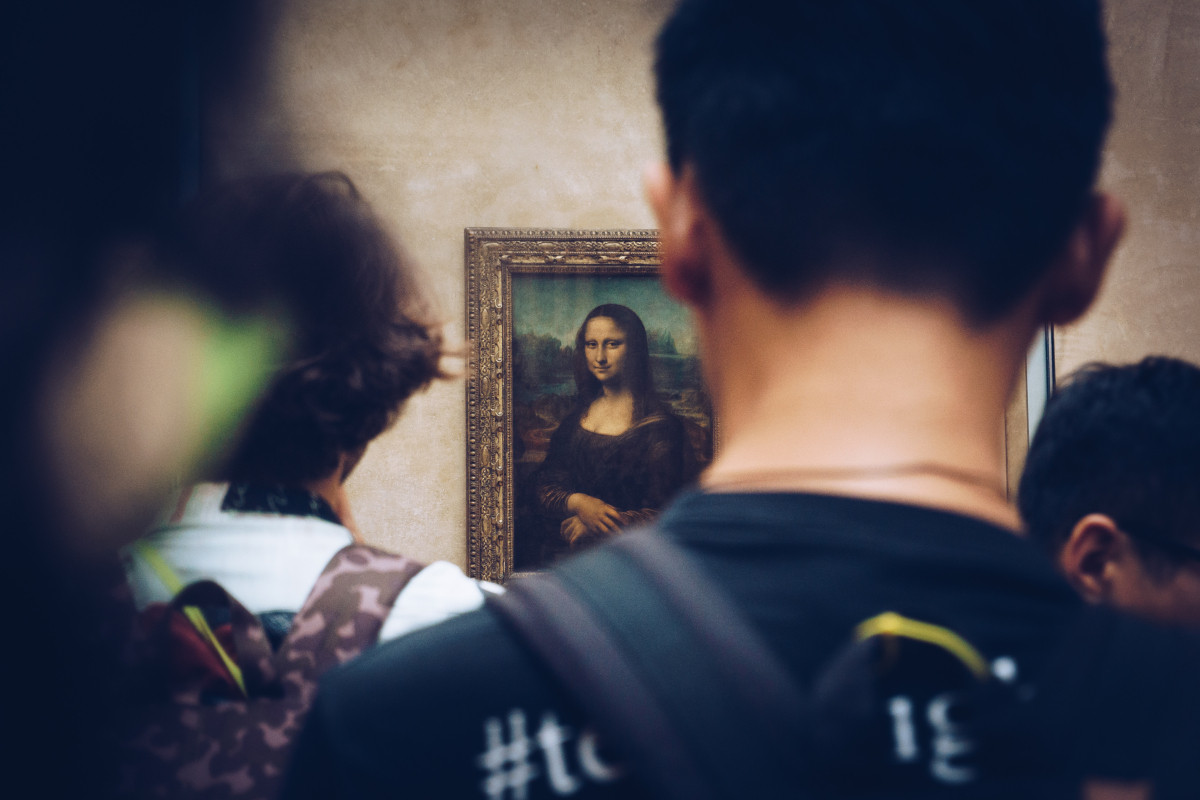
Well, there you go. La Gioconda. Does anything else need saying?
Comments (1)
Tatiana V.Favella.
December 12, 2020Lamentable,
El autor deberia darse una vuelta por la historia de la pintura Universal para ofrecer una informacion, que no opinion, de cuales han sido los retratos mas grandes en la historia del arte de acuerdo con opiniones bien fundamentadas, en el criterio de conocedores.
Log in to leave your comment. Log in