
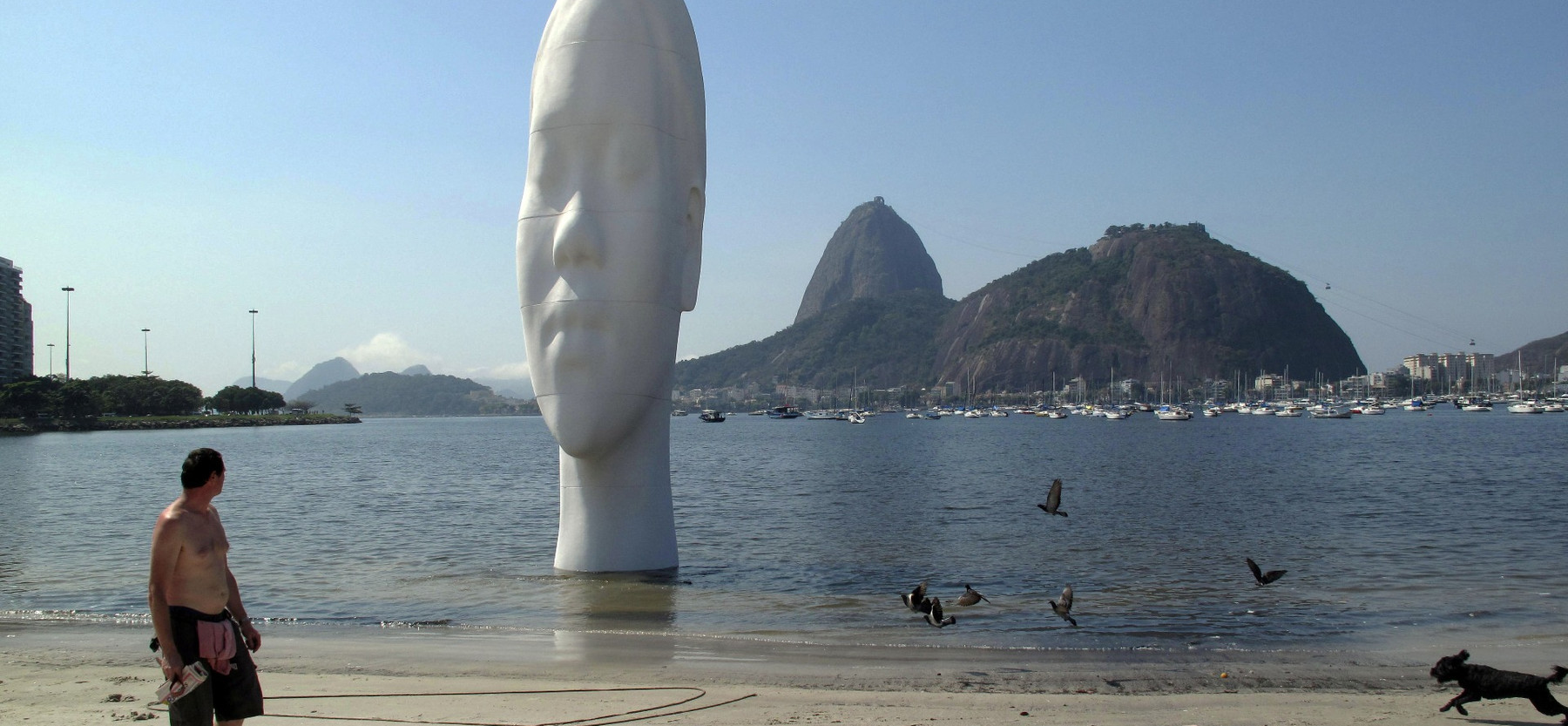
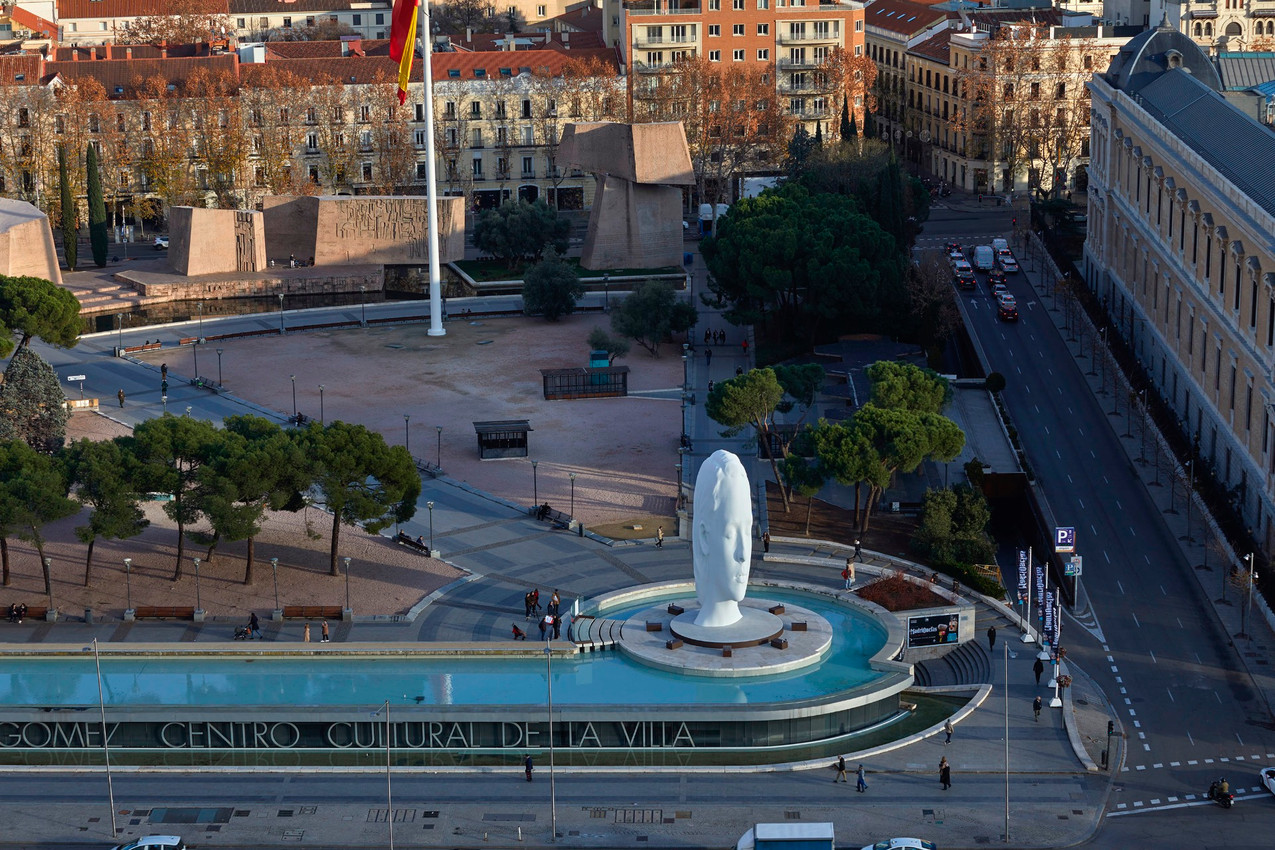
2019 will be remembered as the Plensa year in Spain. After decades of success in the art market abroad, recognition finally arrived with two exhibitions, one in Barcelona and another in Madrid, plus a large-scale public project in the capital's Plaza de Colón. Jaume Plensa (1955) is now a prophet in his own land.
And in this case it's not just an empty cliché: there is something of the prophet about Plensa. His artworks radiate spirituality, promise and sensitivity. And it isn't easy for sculpture, so often too wrapped up in itself, to pull off that double effect: making you think and making you feel. That's how the Catalan artist's artwork has won over critics and public alike: it isn't aimed specifically at either of them.
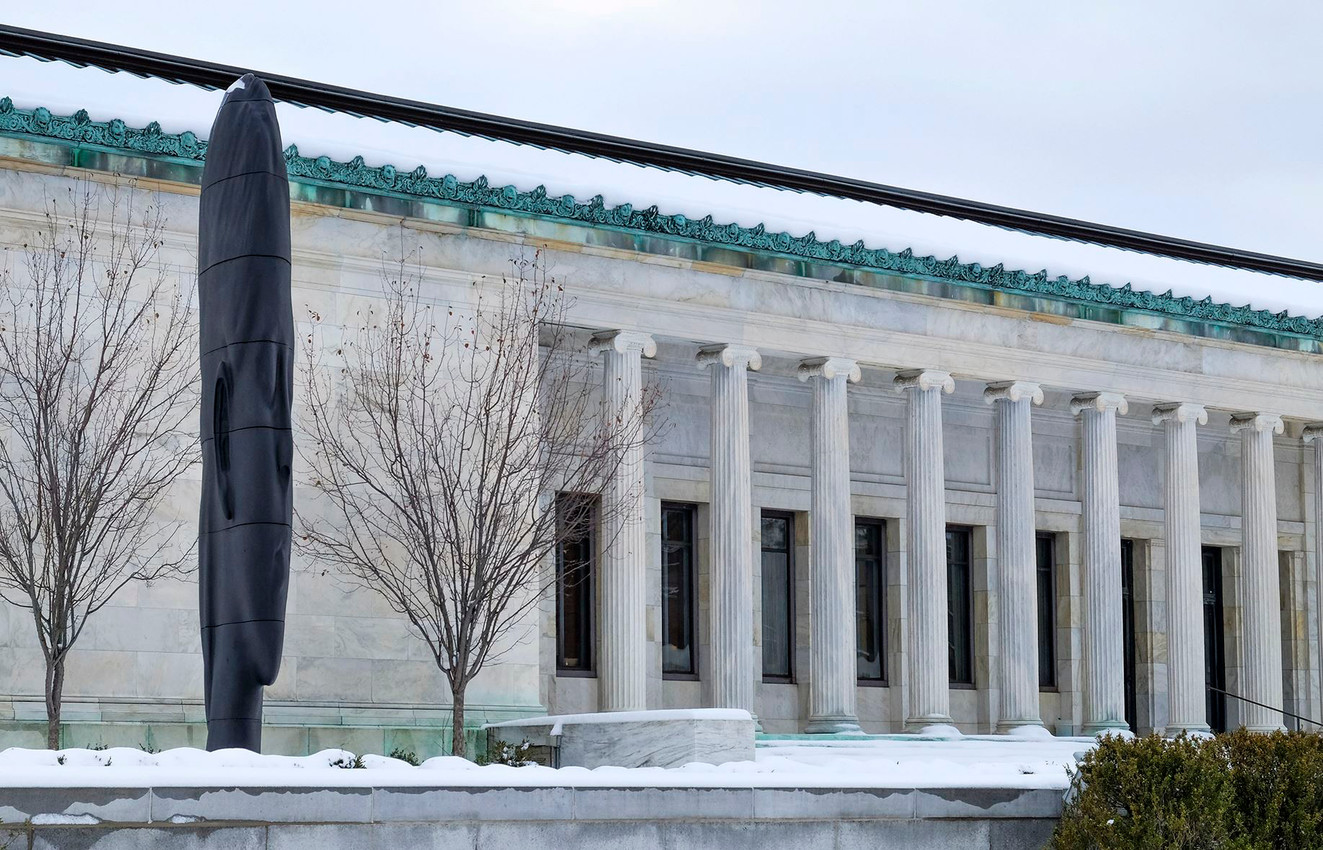
The sea and silence, the human body and heads, language and poetry... The themes the Catalan sculptor has developed since the 80s haven't changed much. "It's a circle of obsessions", as he admitted a few months ago in an interview with XL Semanal. For an artist, living devoted to your obsessions can be the most dangerous thing there is, but deliberately turning away from them is impractical and unproductive. If you manage to tame the obsession, to turn it into artistic material, you're already halfway to having something to say.
And Plensa's artwork has a real obsession with communicating, with opening up to the world, with breaking that impenetrable shell that so often covers sculpture, especially for the general public. But who can look away from one of Plensa's heads? Why has the Julia in Madrid's Plaza de Colón become such a spellbinding artwork? Because it tells us something, it whispers in our ear. It's a secret each viewer discovers for themselves. For Plensa it's a "hymn to reverie", but for a viewer it can be something else. But it is, and that's what matters.
If hope and communication are two of the essential themes in Plensa's artwork, the other one is spirituality. But when, well into the 21st century, we hear talk of the spirit, our spidey sense kicks in. We think religions have appropriated spirituality, with the concept forever tied to dogma and herd mentality. That's why we need more plensas in this world, to rescue for the general public the original sense of the spirit, vaccinated against dogmatic infection.
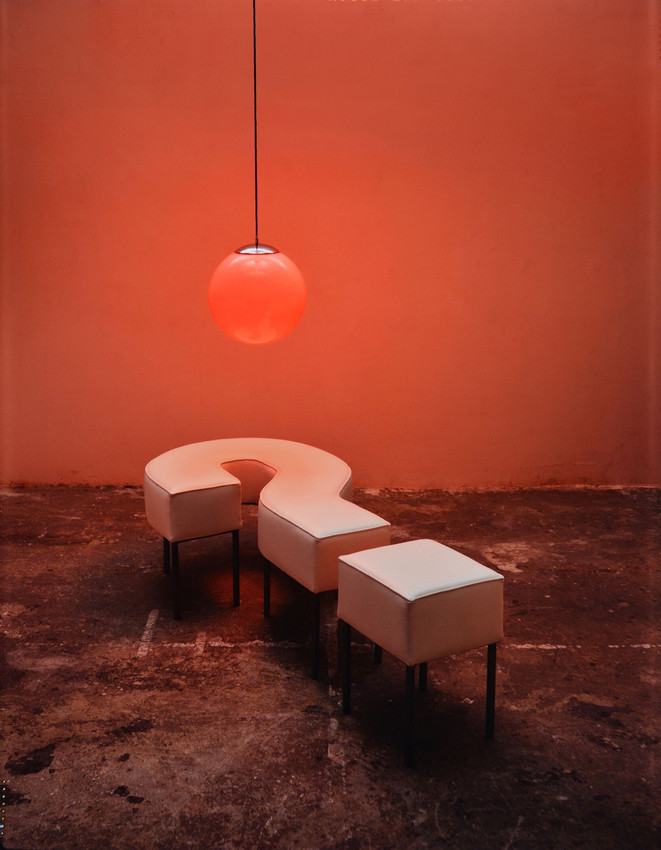
Jaume Plensa's artwork tries to push our spirit to make its way through tonnes of media noise: "We no longer know whether we're saying what we're thinking or whether it's simply an echo of all the messages constantly bombarding us". Looking inside ourselves, waiting and keeping quiet for a while may be far too exhausting exercises for the human being of our time. But the Catalan artist's artwork does everything it can to open a door towards our spirit, to offer us the chance to be an individual again, to be human again.
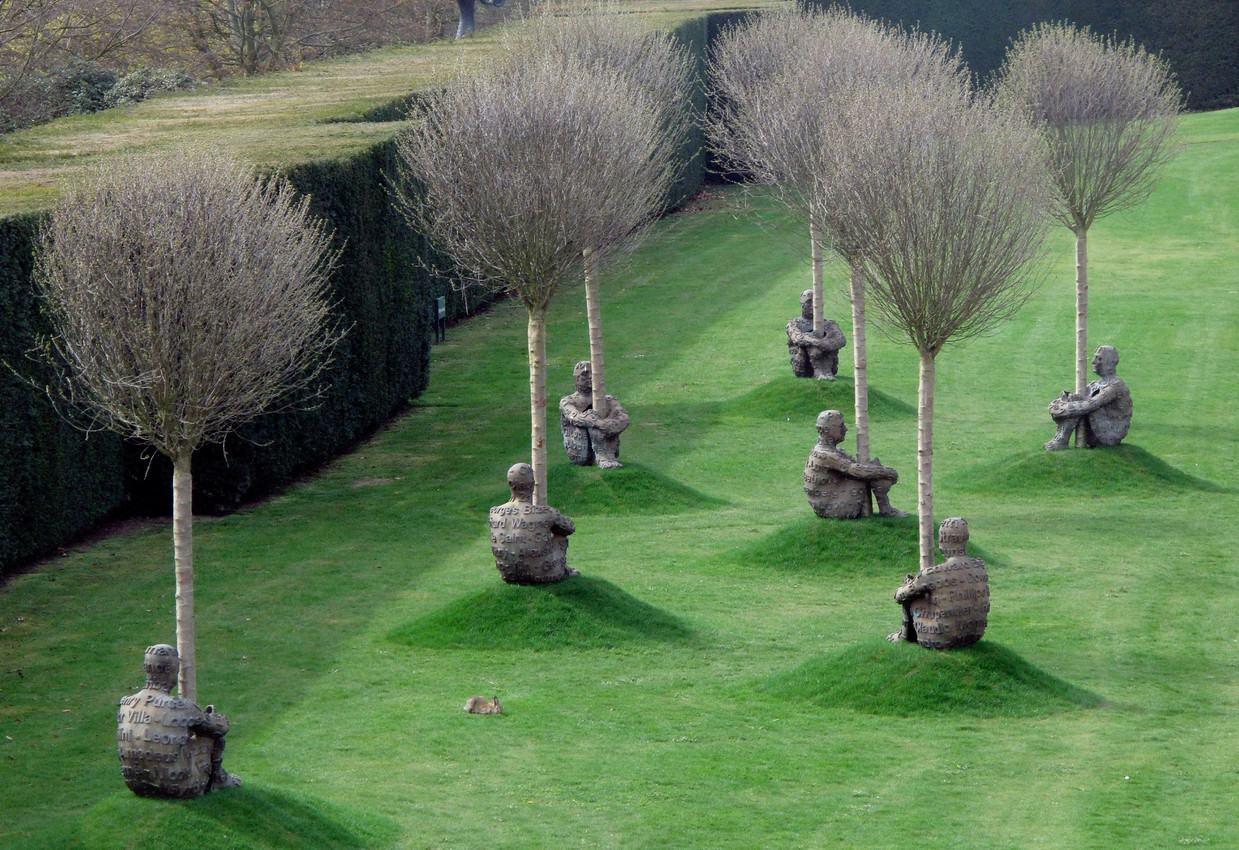
If Jaume Plensa has managed to filter his obsessions until they become understandable through his art, the other half of the road he had left to travel to fully master his artwork has been materials, something fundamental in sculpture and something that has often left the general public indifferent. Because without matter there's no sculpture, but without a viewer to reflect on it there isn't one either. "I've always believed that the materials aren't the path, the path is the attitude you have towards them".
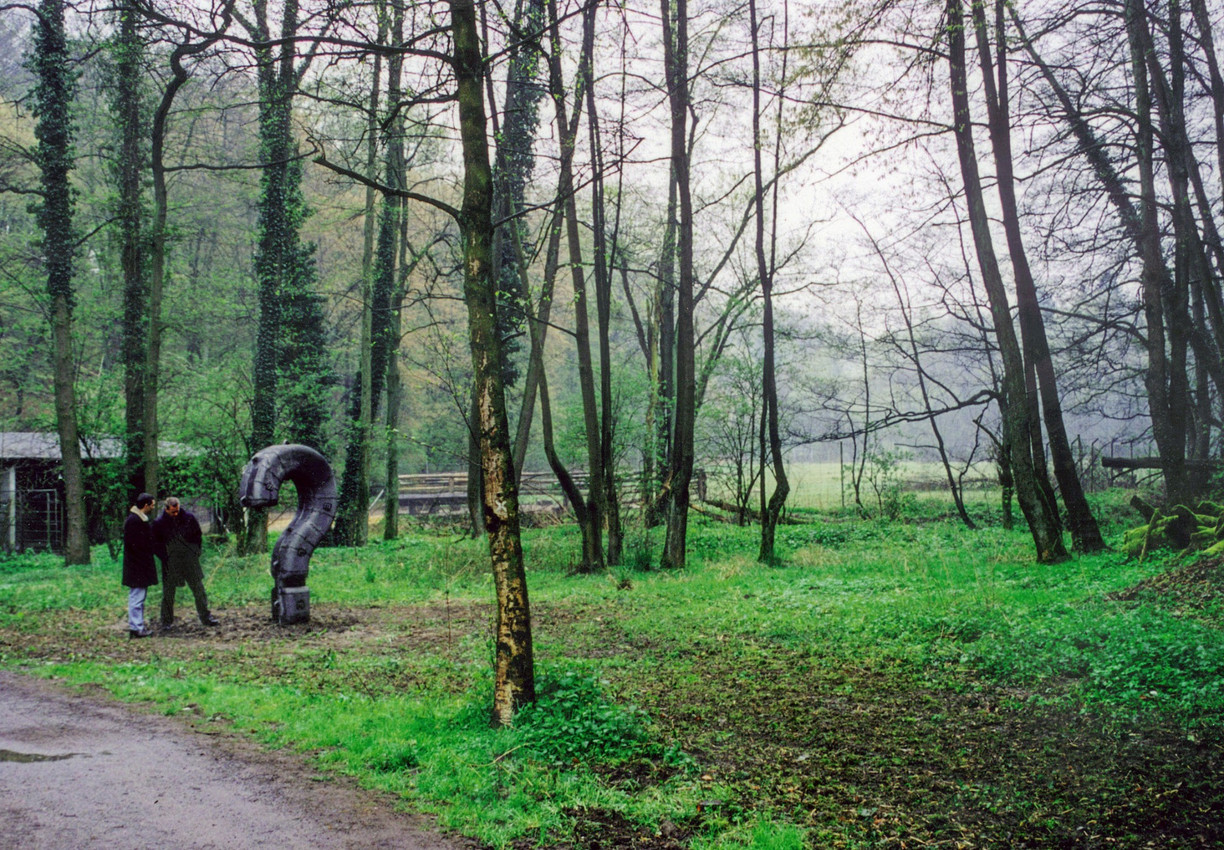
Jaume starts out with cast iron "when nobody was using it", then moves on to the transparency of glass and finally to resins. In the retrospective held at the MACBA, which later travelled to Moscow, the viewer could walk through all these different approaches the artist has taken to the materials of his artwork.
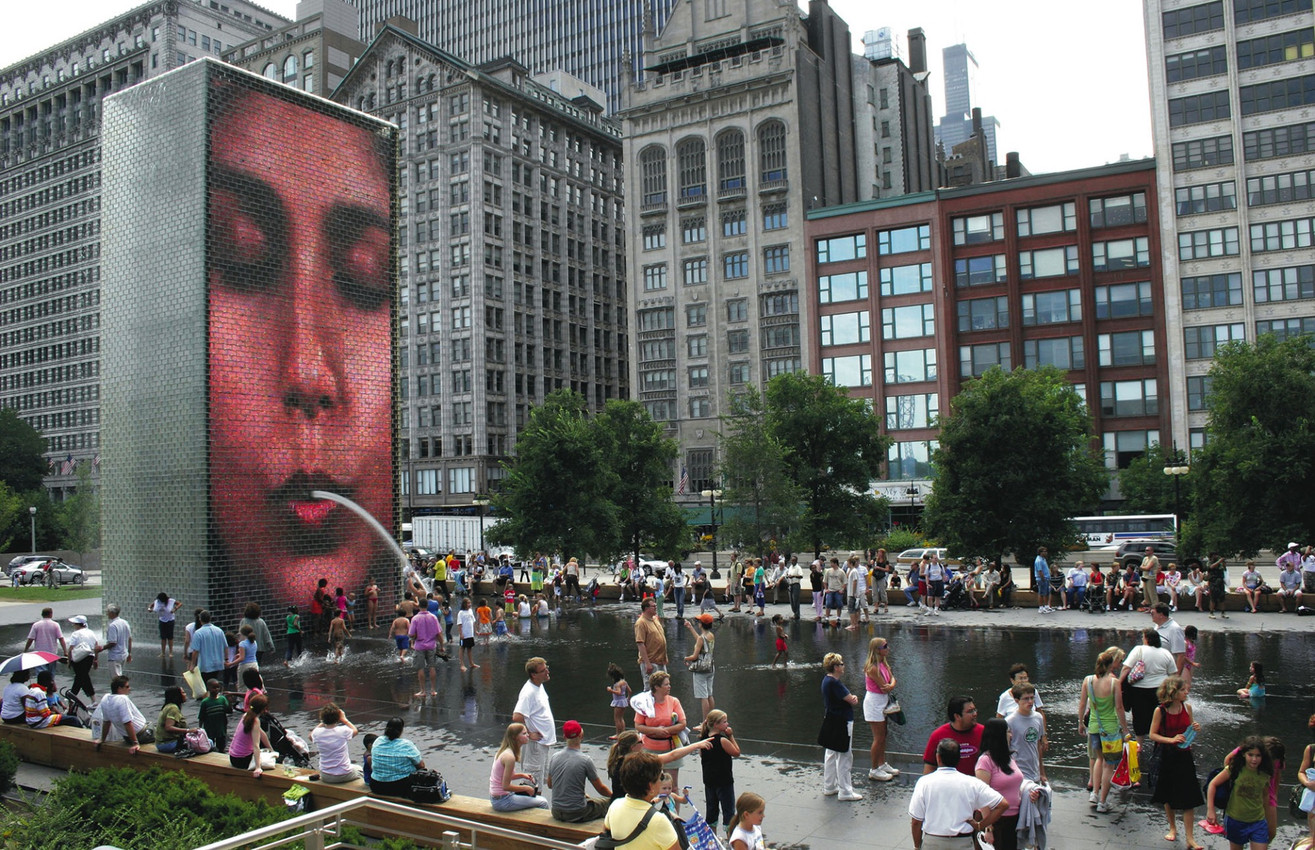
The thing is that Jaume Plensa has never been comfortable with routine, not even artistic routine. At 20 he went off to Berlin "looking for spirituality". His travels then took him to Paris and many other cities around the world. Meanwhile, his artwork was gaining prestige among major collectors, such as Paul Allen, one of the founders of Microsoft, or Isak Andic, the owner of Mango. While his sculptures became popular across half the world, from Japan to New York, from Singapore to Israel, nobody in Spain seemed willing to try to understand the Catalan artist. Until this 2019.

Comments (0)
Log in to leave your comment. Log in