
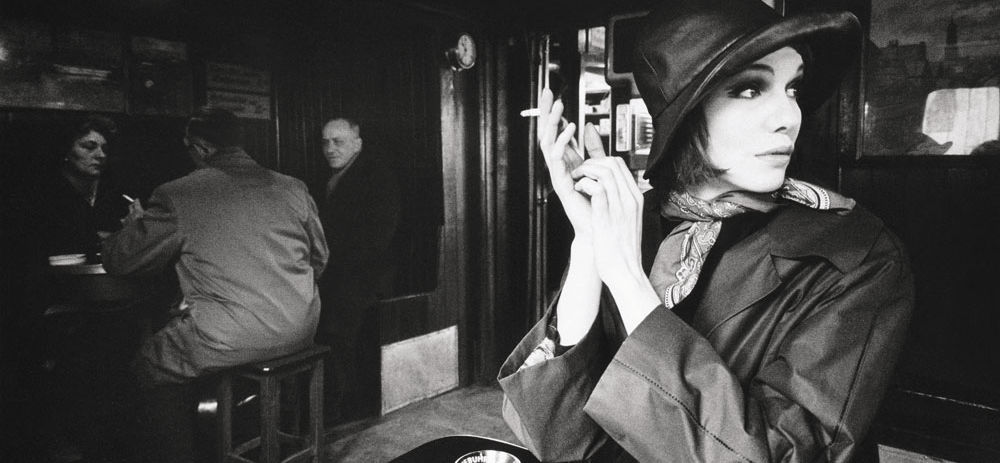
Eyes Wide Open! 100 Years of Leica Photography at Fundación Telefónica
Una de las exposiciones más esperada de esta primavera es seguro Con los ojos bien abiertos. Cien años de fotografía Leica en el Espacio Fundación Telefónica. Hasta el 10 de septiembre se podrán contemplar en esta original exposición 400 fotografías realizadas con un centenar de modelos de esta legendaria cámara. Una exposición única que representa un homenaje a esta cámara y a su papel revolucionario en el mundo de la fotografía y de la imagen.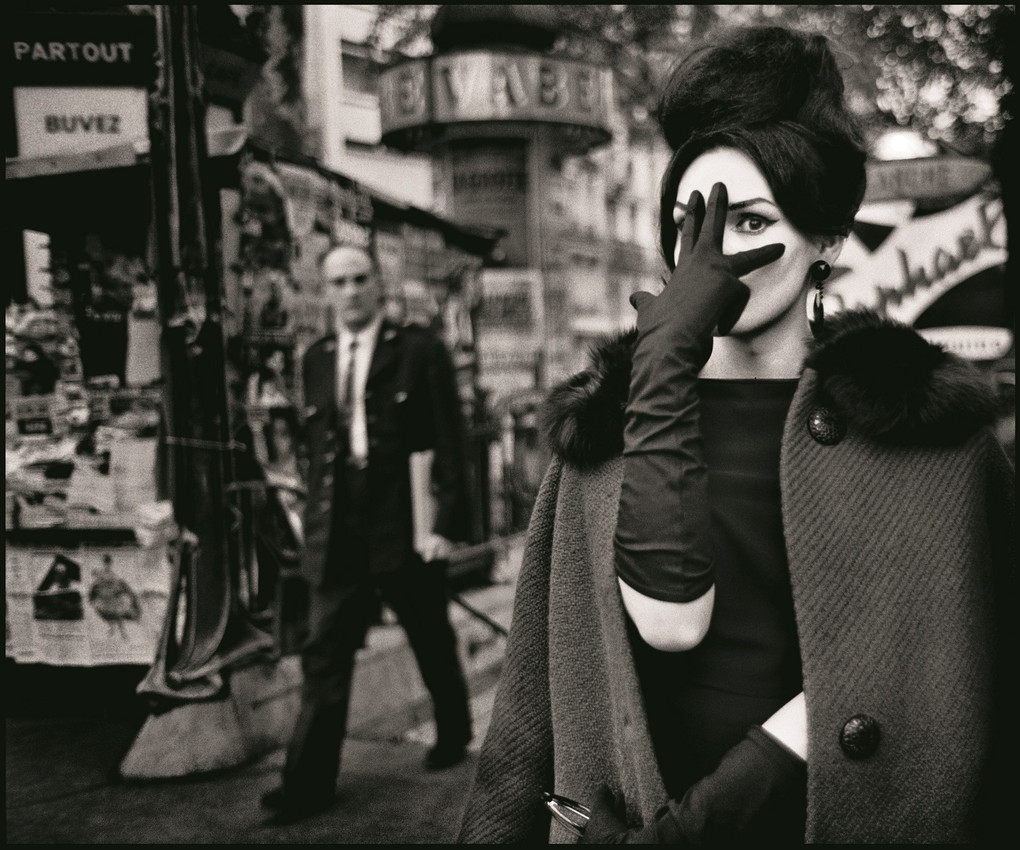
Alongside the 400 photographs, there are documents, interviews and objects from private collections and museums. Documentary material held by the Leica Archive will also be seen in Spain for the first time. Among the key pieces in this magnificent exhibition are a replica of the original Leica from 1913-14 and the first camera that went on sale in 1925.
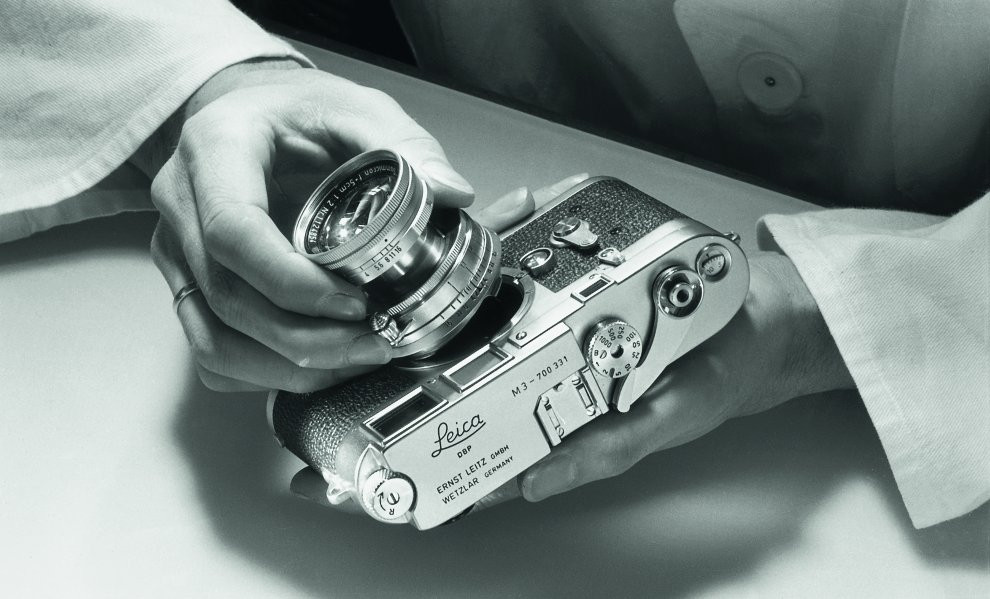
The Leica camera
Con apenas un peso de 400 gramos, la cámara Leica revolucionó la fotografía en los años 20. Una cámara ligera, compacta y asequible que podían adquirir los profesionales y también los aficionados. La cámara Leica supuso una gran revolución tecnológica porque ofreció nuevas perspectivas para la fotografía y la posibilidad de que los aficionados pudiesen comenzar sus primeros pasos en este mundo.Divided into 8 different areas, Eyes Wide Open! 100 Years of Leica Photography presents the history of small-format photography from its beginnings to the present day. The aim is to show the revolution this new camera brought about in terms of focus, subject matter and visual language.
The exhibition moves through different historical and artistic periods. The section devoted to the relationship between the Leica camera and “Neues Sehen” (New Vision) develops the idea that the camera was fundamental in the creation of a new visual language. The one devoted to ‘Photojournalism‘ sets out to explain that this camera was a decisive step forward for the genre of photo reportage, since it allowed one photograph to be taken after another at great speed. ‘Subjective photography‘ points to the camera's capacity for creating artistic photographs, and ‘Humanist photography‘ to how easily it captured everyday reality, given that it could be slipped into a coat pocket. The exhibition also focuses on three further areas, ‘The new colour photography‘, ‘Fashion photography and the Leica camera’ and ‘Auteur photography‘, with mentions of the creators who used it.
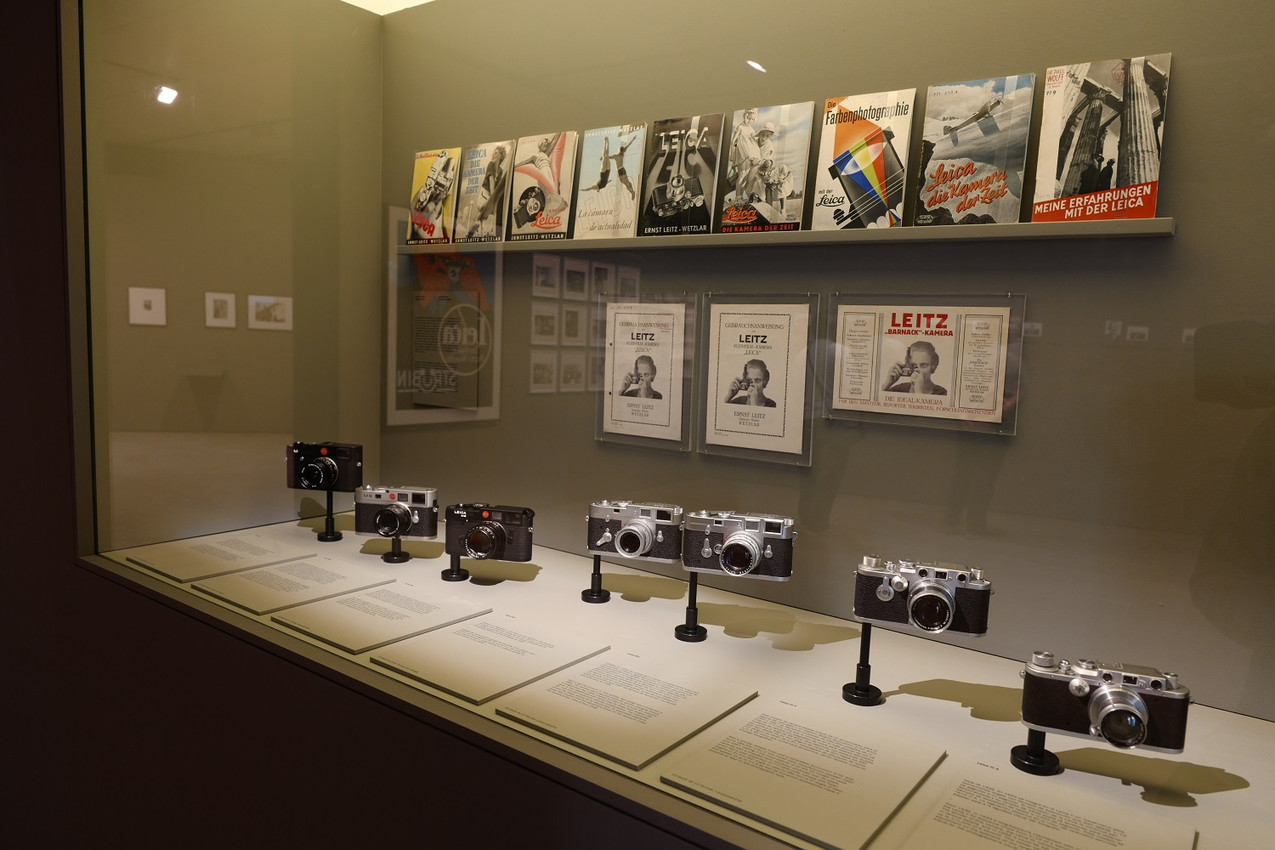
The origins of the Leica
In June 1914, the engineer Oskar Barnack, who worked in the German town of Leitz at a leading manufacturer of microscopes, built the first working model of a compact camera for 35 mm cine film. Barnack was a visionary from the very start, because he wanted to create a small, light camera that made it easy and quick to take pictures in series. He also wanted it to take cine film, which was available on the market and cheaper. The camera was christened Leica in 1925 under the slogan “Small negatives, big pictures”. The Leica also had something no other make could match: a high-performance lens designed by Max Berek.
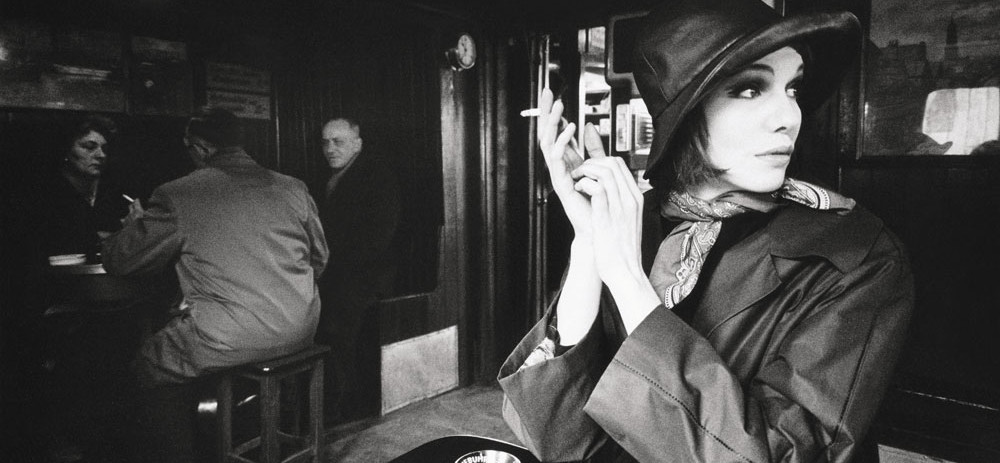
Born in the middle of the interwar years, the Leica was launched onto the market by Ernst Leitz in the spring of 1925. A historically very turbulent time marked by a search for technological progress, which produced great achievements such as the car, the aeroplane and the skyscraper. The Leica camera came into the lives of professional and amateur photographers to record all these changes. With this camera you could take 36 shots in a row without changing a single plate, thanks to the adaptation of the 35 mm film used for cinema. A complete revolution.
A memory of the 20th century
The photographs in the show are small and medium format and mostly in black and white. It reflects the evolution of almost the whole of the 20th century in images, from the Second World War and the totalitarian regimes to all the changes that came about in our society. Among the highlights is the first room, where you can see some of the photos Barnack himself took to test the camera and a portrait taken by the Russian artist Rodchenko of a photojournalist in Red Square in Moscow in 1936. There are also striking images like Cartier-Bresson's well-known one of the man about to step into the water in Detrás de la estación de Saint-Lazare (1932). For the Frenchman, the Leica became his favourite, the "extension" of his eyes.
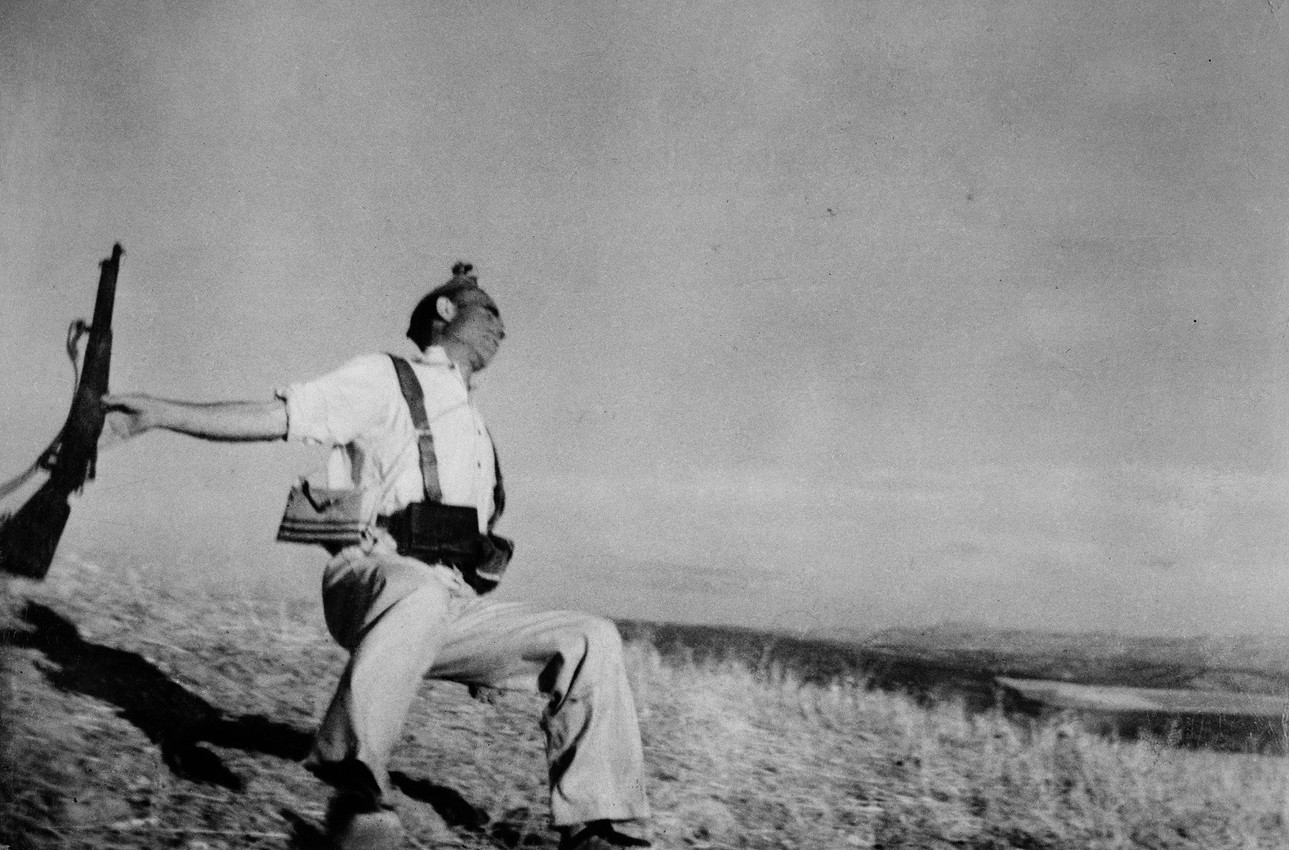
As for photojournalism, the exhibition includes examples such as Muerte de un miliciano, by Robert Capa (1936), El beso del Día de la victoria en Times Square (1945), by Alfred Eisenstaed, and Korda's famous portrait of Che Guevara (1960).
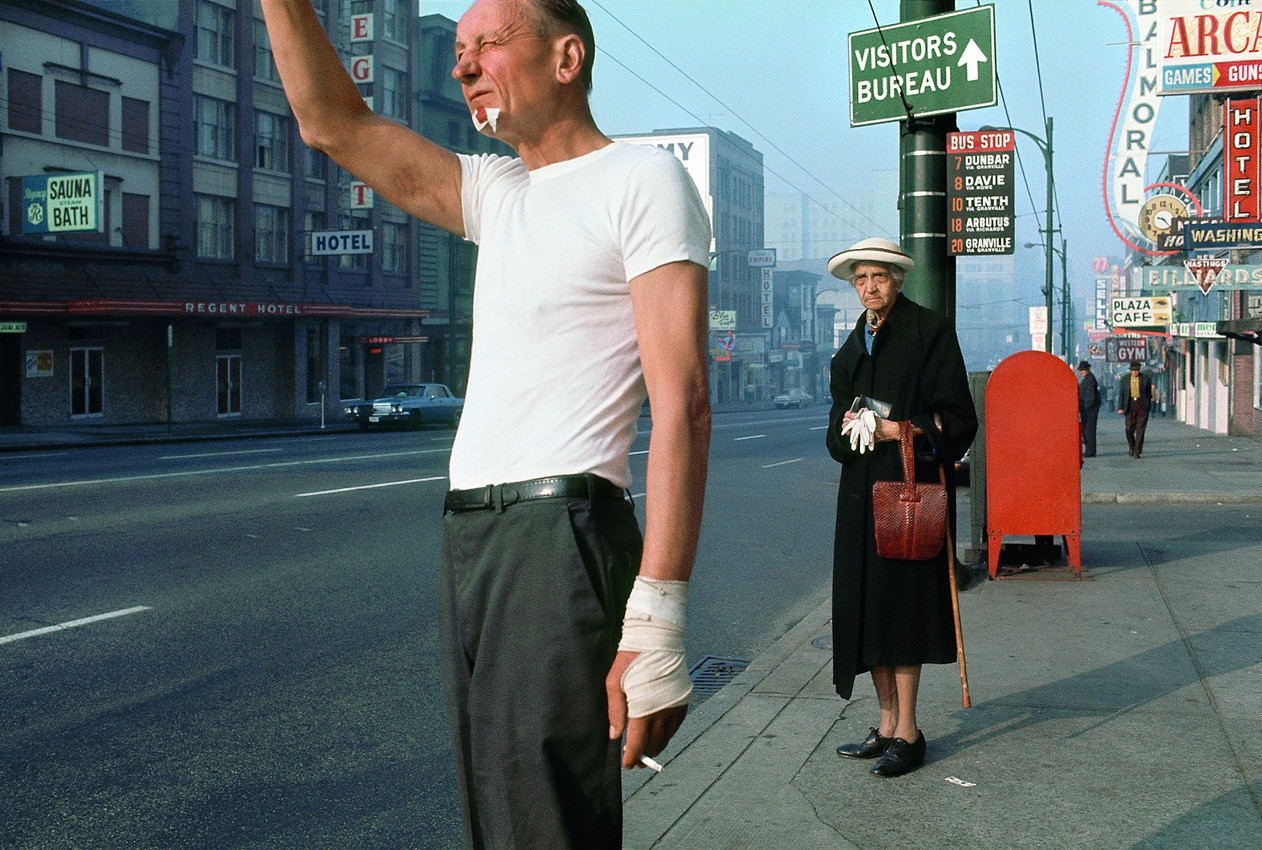
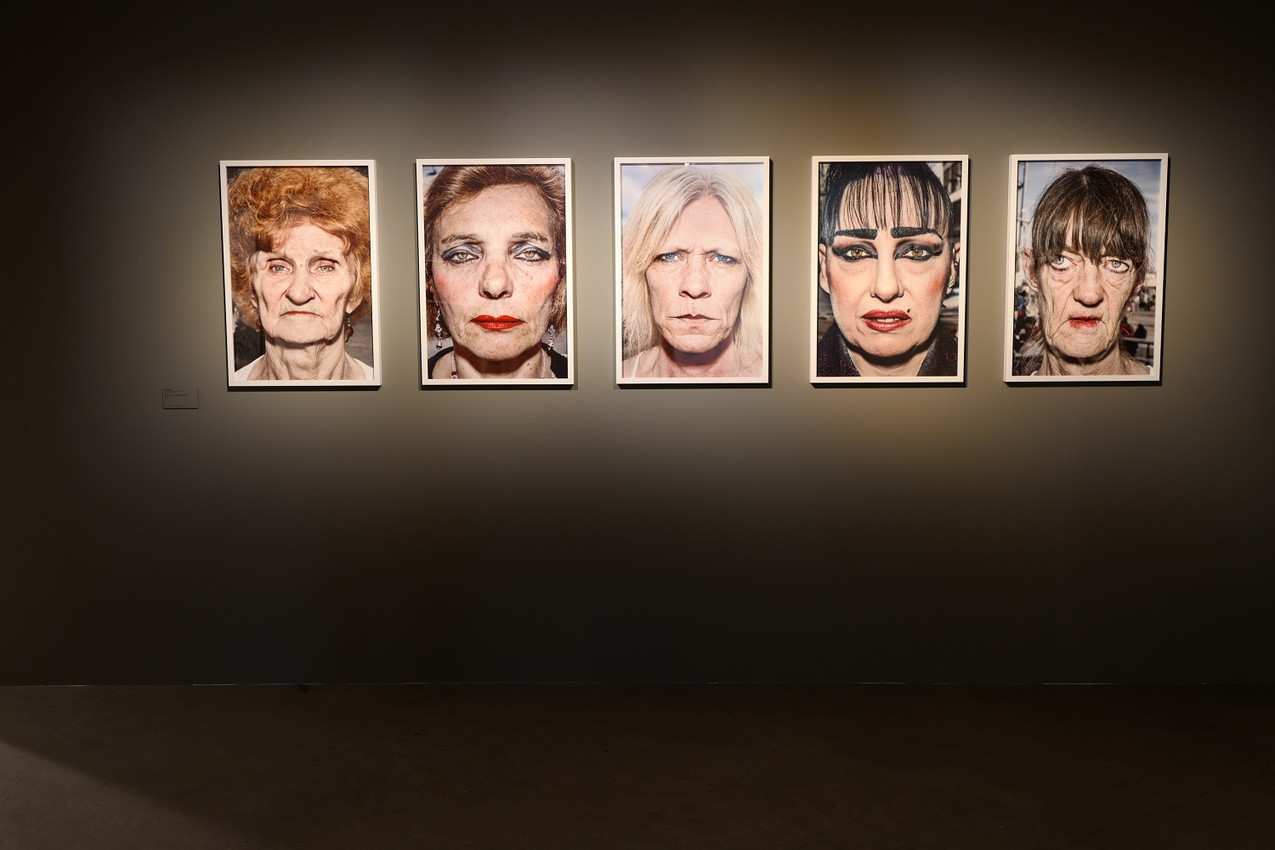
The show also features Spanish photographers such as Ramón Masats, with his celebrated photo of the priest in a cassock trying to block a shot, and Ricard Terré with his images of religious processions. In the last photographs of the show we can see the large-format portraits of street characters by New Yorker Bruce Gilden. The show comes with parallel activities such as an Instagram competition, workshops for children and a conversation between photographers Paolo Nozolino and Alberto García-Alix.
Espacio Fundación Telefónica. Floor 3.
Until 10 September 2017.
Part of the programme for the 20th anniversary of the PHotoEspaña 2017 festival.
Produced by Leica and curated by Hans-Michael Koetzle.
https://espacio.fundaciontelefonica.com/evento/con-los-ojos-bien-abiertos-100-anos-de-leica/
Comments (0)
Log in to leave your comment. Log in