
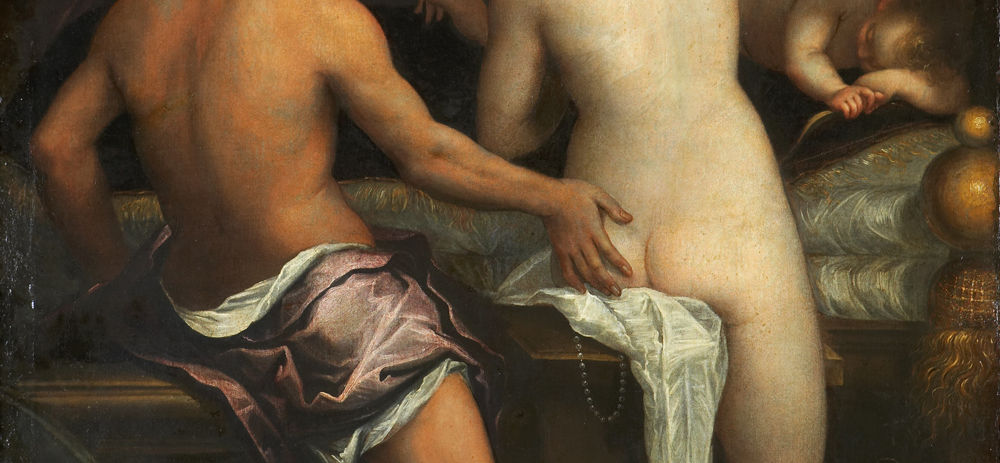
Until 2 February, the Prado Museum offers the story of these two Italian painters who managed to succeed as artists in the Renaissance and the early Baroque, even going as far as becoming painters at the court of the Spanish Empire, the most important of its day. It was Sofonisba Anguissola (Cremona, 1535 – Palermo, 1625) who took her brushes to the court of Philip II, and ended up portraying the emperor himself. Lavinia Fontana (Bologna, 1552 – Rome 1614), for her part, took her colleague as a reference and became a highly regarded professional in Rome, the world capital of art in the 15th and 16th centuries.
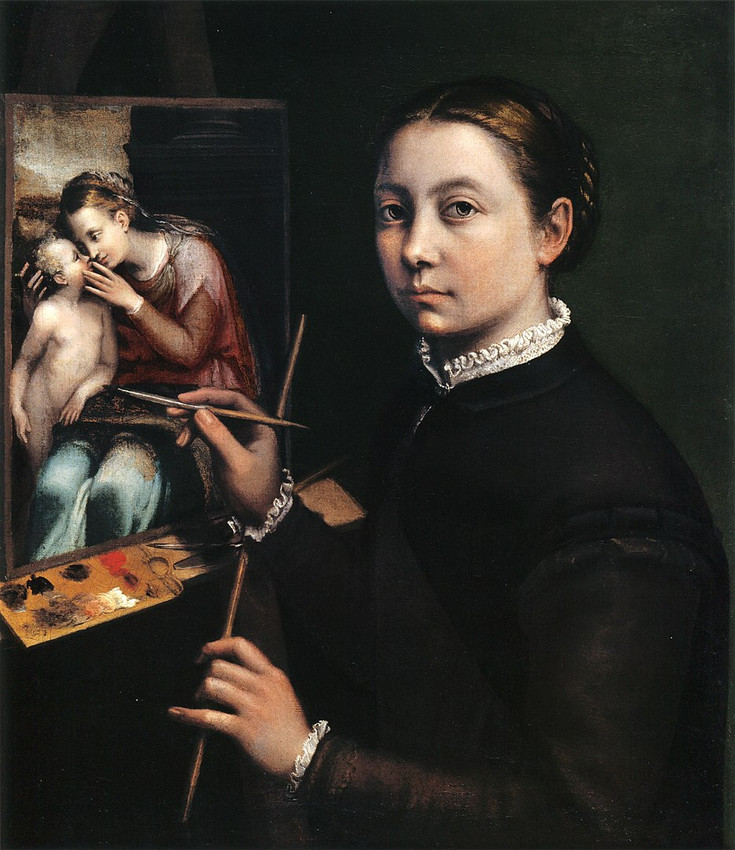
Anguissola's biographers tell us that her father, who came from the minor nobility of Cremona, played a big part in the artistic training of his daughters, among whom Sofonisba quickly stood out. Thanks to her father's determination, the artist arrived at the court of Philip II, where she came into contact with the whole royal family, and especially with Elisabeth of Valois, the king's third wife. She was appointed lady-in-waiting to the queen and worked as Elisabeth's painting and drawing teacher.
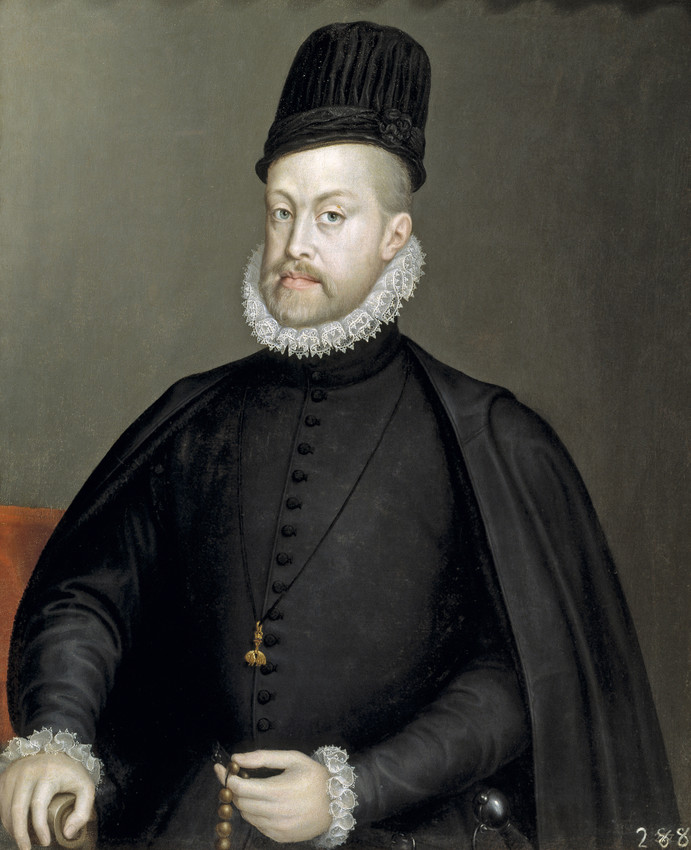
And the thing is that Anguissola was not actually recognised as a court painter, even though she acted as one. Her paintings have reached us unsigned, which, until now, has made attributing many of them difficult. On that note, one of the portraits of Philip II stands out, attributed until now to Sánchez Coello, though it may well have been painted by Sofonisba. What's more, according to her biographers, the Italian artist did not charge for her portraits, but received clothes or jewels in exchange instead.
Even so, in the end Sofonisba Anguissola became an artistic figure of the first order at the Spanish court, as well as on her return to Italy, a reference for other young artists such as Antonio van Dyck, who visited her in Palermo in the last years of her life, or Lavinia Fontana, the other protagonist of the Prado exhibition. Family influence was decisive for Lavinia too: Lavinia's father was a painter and did not hesitate to teach her the trade.
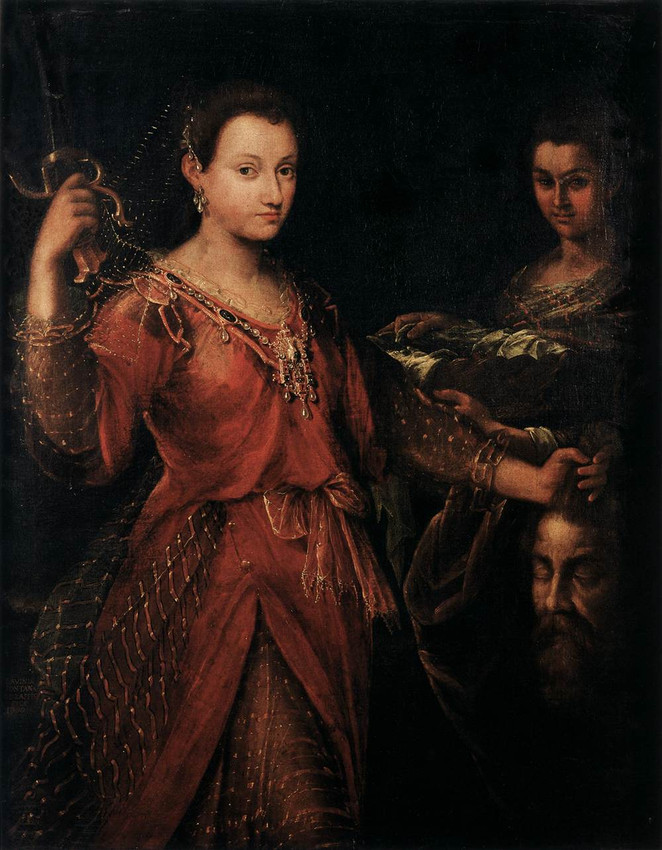
First in Bologna and later in Rome, Lavinia Fontana grew as an artist until she became a prestigious professional. In this respect Lavinia, unlike Sofonisba at the Spanish court, was recognised outright as a painter and was paid for her work, which was far more extensive than that of her colleague.
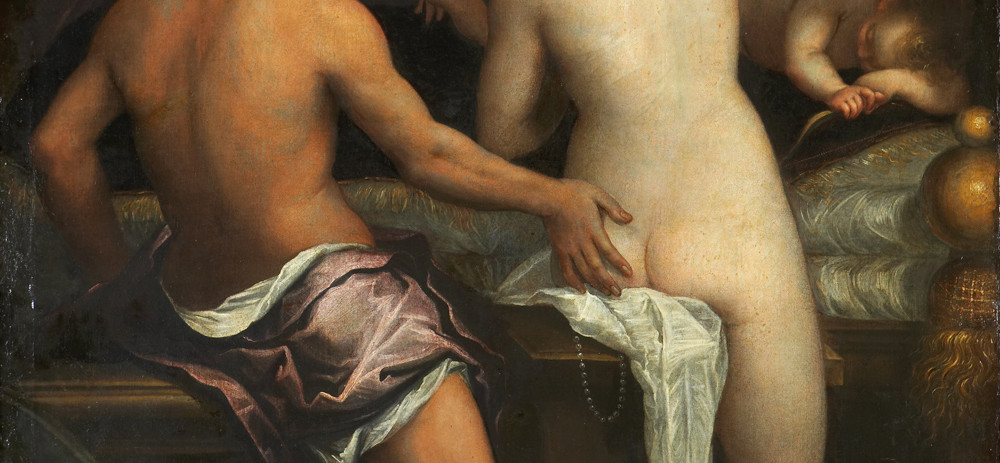
Indeed, Lavinia Fontana was not tied to portraiture alone. She produced a good number of religious artworks, as a large part of her clients demanded, as well as paintings on mythological subjects. Among them, one of the most notable is Marte y Venus, a canvas with a marked symbolic accent in which a subtle eroticism is the dominant note. Dated to the early 16th century, this artwork shows the freedom with which Fontana executed some of her artworks, which also offer the keys to a new artistic current that would gradually take hold in 16th-century Italy: the Baroque.
Comments (1)
eduardo zoteranis
December 13, 2019Log in to leave your comment. Log in