
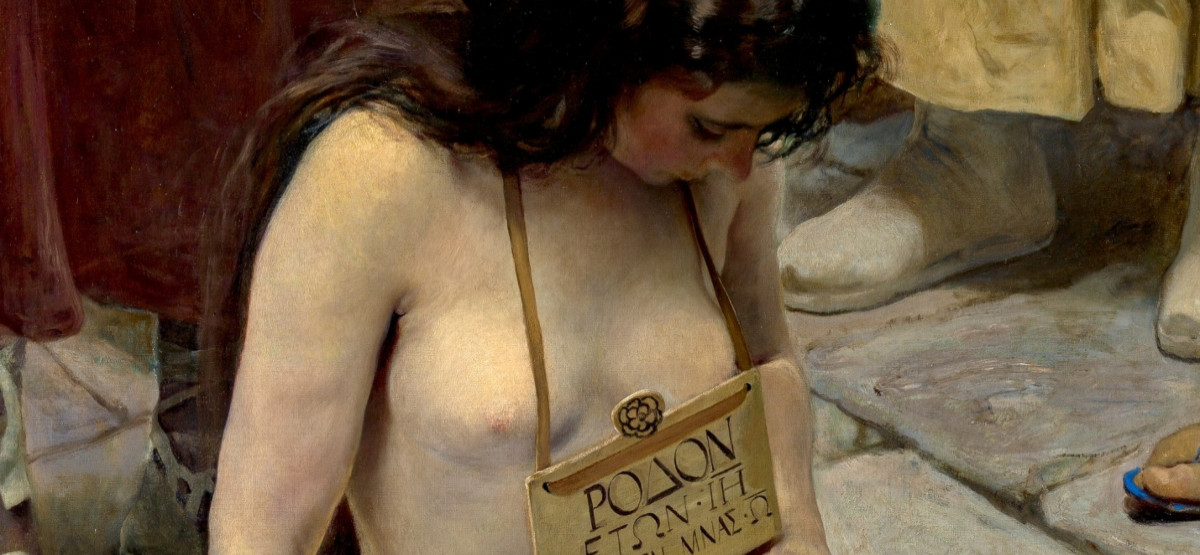
Rethinking history is dangerous, but exciting and, sometimes, essential. Because history is always written by the winners and so we will always be missing the stories of the defeated. The history of art is an account that contains a few Capital-T Truths, quite a lot of opinions and interests, and a great many empty episodes. Invitadas, the exhibition running at the Prado Museum until March, is a brave, risky attempt to fill the void around how women have been regarded in Spanish art.
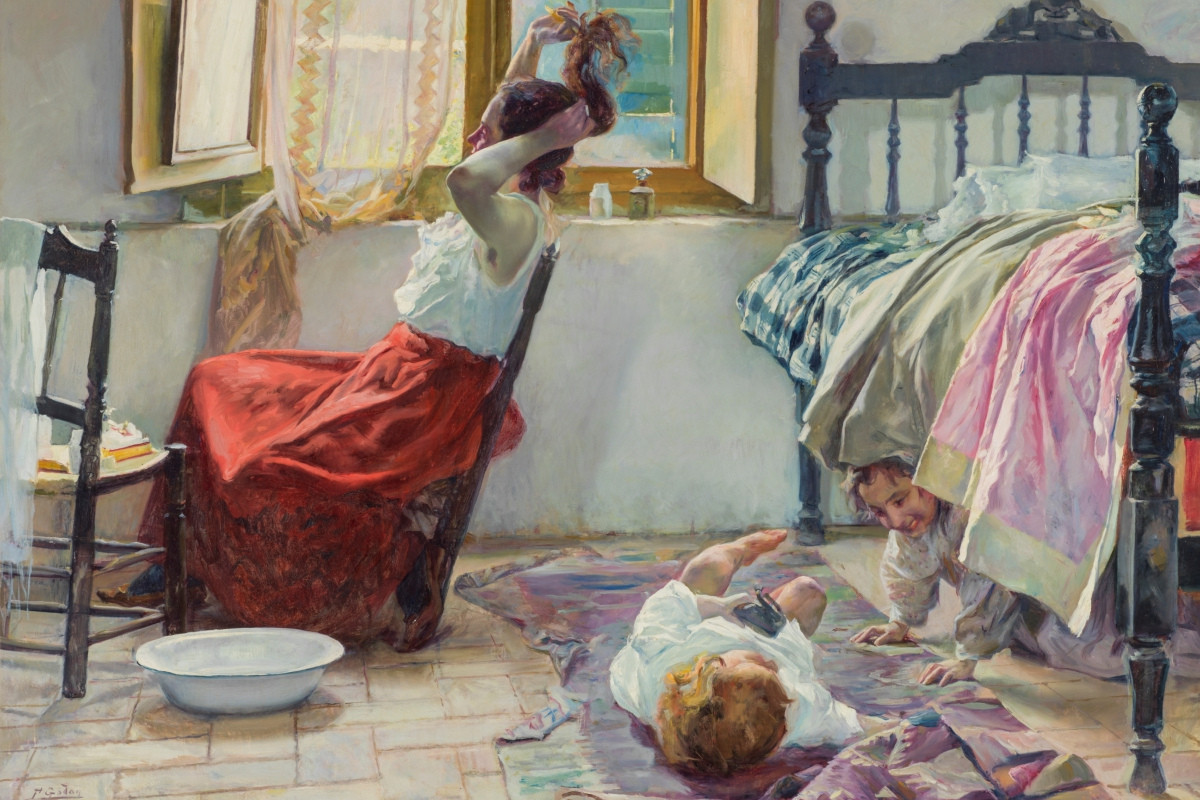
We could say it would have been far braver to programme this exhibition a couple of decades ago rather than now, with the wind at its back, but better late than never. After all, the Prado isn't an independent art gallery on Doctor Fourquet street: it's one of the most important art museums in the world.
As for the risk taken on by those behind the exhibition, it became clear with the controversial removal of the artwork that opened the show. Carlos G. Navarro, the curator, decided to open with Escenas de familia, an almost ruined artwork attributed to Concepción Mejía, meant to put the spotlight on the institutional neglect women have endured for decades in Spanish art. Except that it was actually La marcha del soldado, painted by Adolfo Sánchez Megías.
It backfired, a thousand apologies followed, and, as the museum itself put it, confirmation of the 'need to continue researching women artists of past centuries'... but ideally with objective, scientific criteria and carried out by professionals.
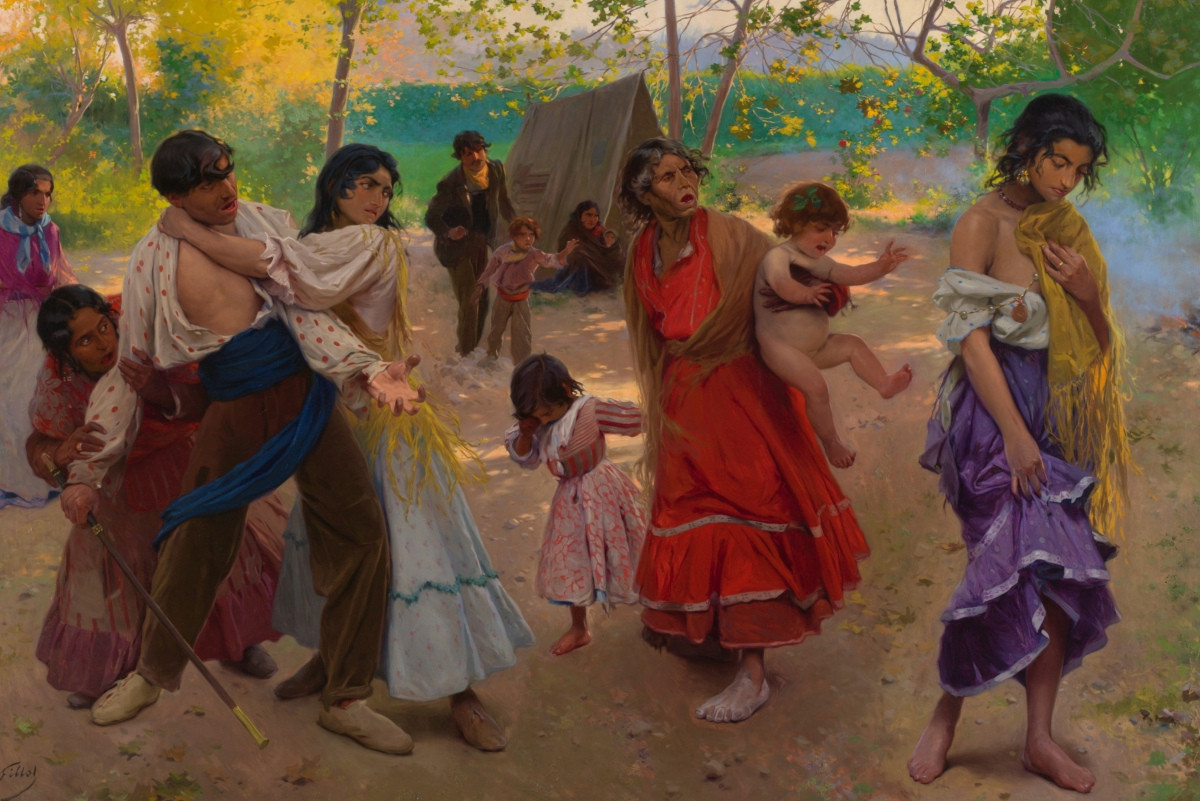
The show's full name, Invitadas. Fragmentos sobre mujeres, ideología y artes plásticas en España (1833-1931), tells us how enormously complex the body of work on display is. No fewer than 17 sections divided into two large blocks: on one side, the role of women as inspiration in the art of that period and, on the other, the role of women as active subjects within the art system.
Because this is all about systems. And as in any other system, on one side are those pulling the strings and, on the other, those being pulled. Neither history in general nor the history of art in particular is (only) a clash between wicked men and humiliated women, it's more a struggle between those who hold power and those who suffer it, or as Sergio Leone would say, between those with the loaded gun and those who dig.
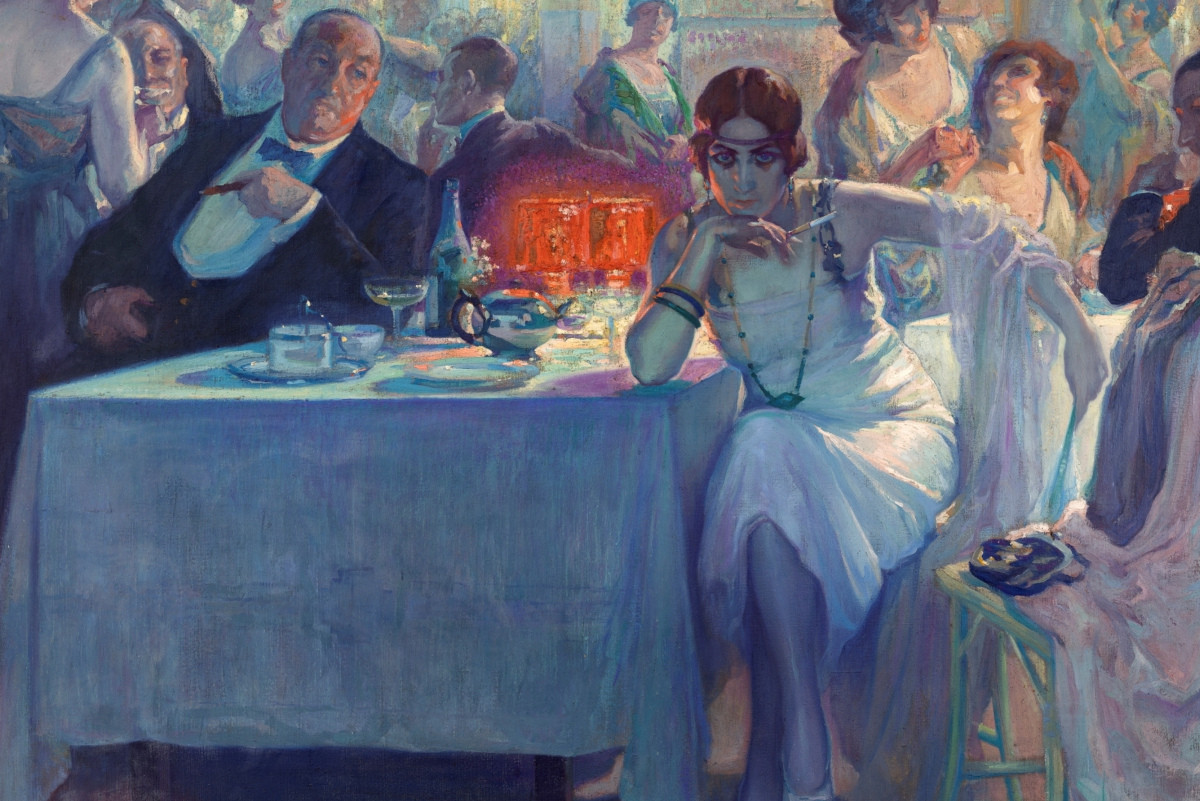
For decades, the loaded gun of the official Spanish art system pointed towards a set of aesthetic values that justified the morals (and the capital) of the bourgeoisie which, little by little, was taking economic and social control of 19th century Spain with the connivance of institutions like the Monarchy and the Church, who were already starting to see which way the wind was blowing.
And in this context, women in official art had to answer to bourgeois morality. Read: virtue, moderation, motherhood, balance, and so on: the 'angel of the household', as the exhibition points out. Official art, as it always has been and always will be, seeks to indoctrinate, to create a narrative that everyone must fall in line with. And what was the price a woman had to pay for not following the dogma, for not respecting bourgeois morality? Becoming a pariah, a bad mother, a 'lost woman'... a marginal person in the original sense: staying on the margins, staying outside.
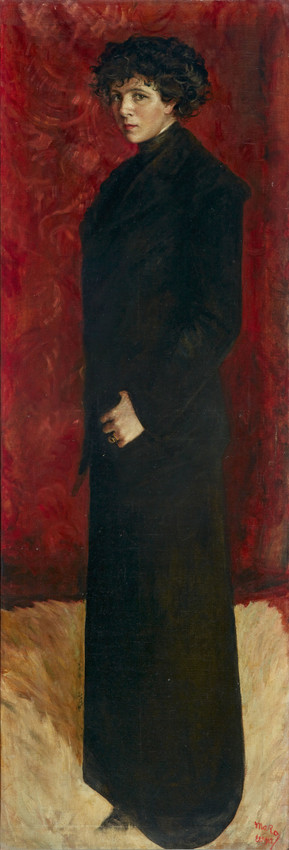
The second block of Invitadas tackles the role of women as active artistic subjects, a role riddled with obstacles, some of which are still with us today. 'Náufragas', 'Copiantas', 'Verdaderas pintoras', 'Señoras antes que pintoras' and 'Anfitrionas de sí mismas' are some of the sections that trace this evolution of the role of women in painting up to the beginnings of the woman artist being considered an artist (full stop), 'toning down the condescension', a tone that is, precisely, one of the greatest dangers women still face within today's art system... and within any other system.
All in all, with its obvious shadows but also its lights, Invitadas, Fragmentos sobre mujeres, ideología y artes plásticas en España (1833-1931) is a more than necessary exhibition that brings one of the hottest debates of the moment to the Prado Museum, an institution always known for its conservatism and one that now, with projects like this, is looking to open up to a new audience by encouraging reflection and analysis, the ultimate goal of a good art exhibition.
Comments (0)
Log in to leave your comment. Log in