
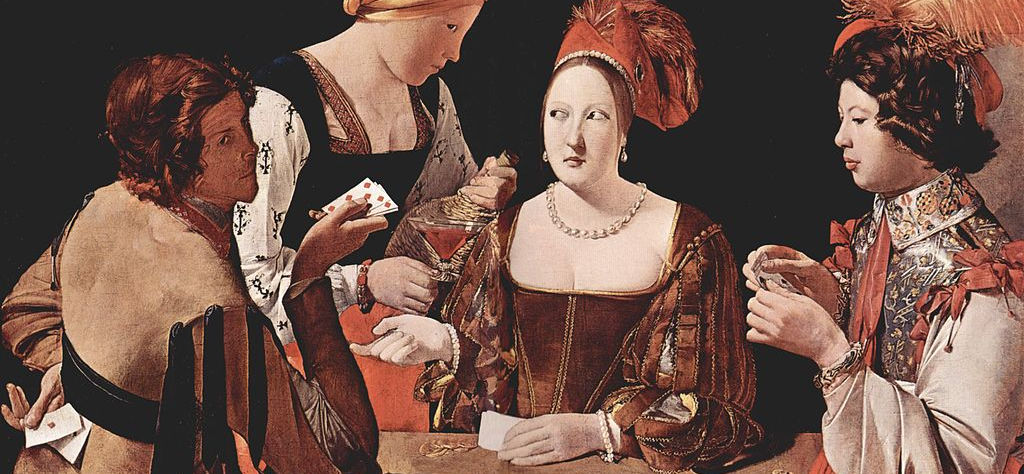
Georges De La Tour steps out of his own half-light. He does so in an exhibition organised by the Prado Museum, which brings back one of the great masters of the Baroque and also one of the most forgotten.
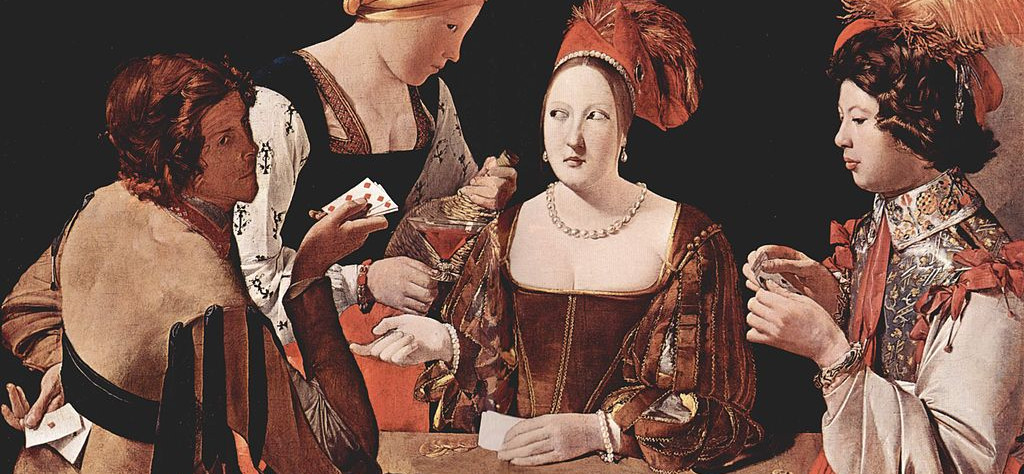
The Madrid gallery has managed to bring together 31 artworks by Georges De La Tour (Vic-sur-Seille, 1593-Lunéville, 1652). An extraordinary number, since only 40 paintings by his hand survive, and enough to stage the evolution of his painting. Most of the artworks come from international museums such as the Louvre Museum, the J. Paul Getty Museum in Los Angeles, the Metropolitan in New York and the Kimbell Art Museum in Fort Worth (Texas), owner of one of his masterpieces, El tramposo del as de tréboles. Its companion piece comes along too, El tramposo del as de diamantes. Also outstanding are Comedores de guisantes and El recién nacido. Not forgetting the two belonging to the Prado: San Jerónimo leyendo una carta and Ciego tocando la zanfonía.
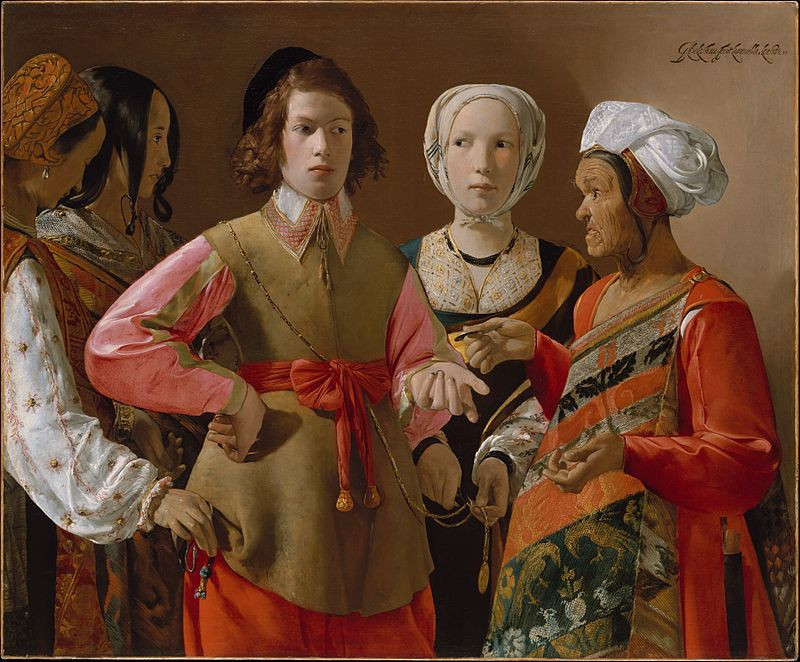
All of them ruled by the self-absorption so typical of his figures, the indirect relationship he sets up between the characters in his scenes, the importance of gesture and the exquisite treatment of hands. Always an artwork full of subtle details for representing human expressions.
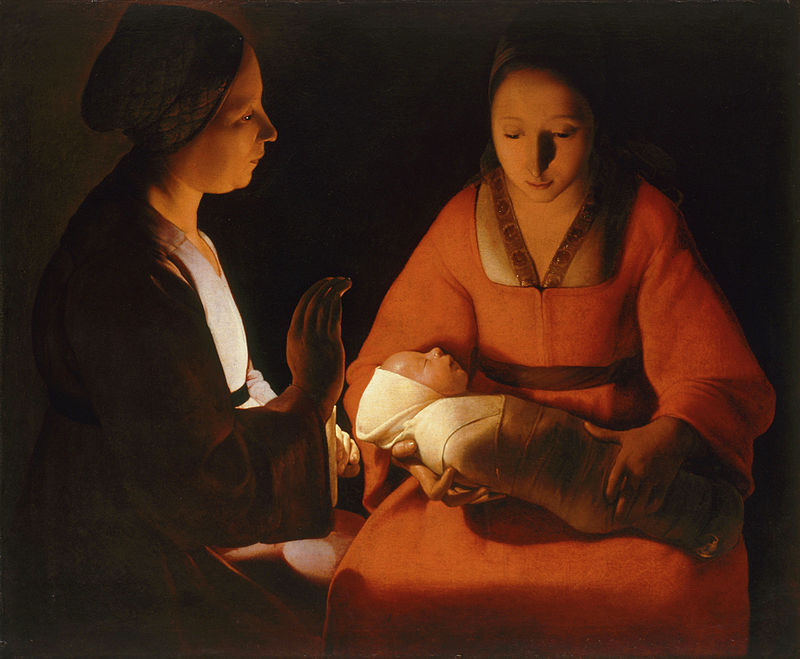
The show also lets us appreciate how his painting, markedly religious in character, evolved from his youth to his maturity. A trip towards depth and shadow, where the details mark the stops and the road is travelled along the path of austerity, lit only by candlelight. The move from gesture to restraint, from clarity to shade. The opposite of what happened to his artwork over the centuries, when it fell into the most absolute oblivion.
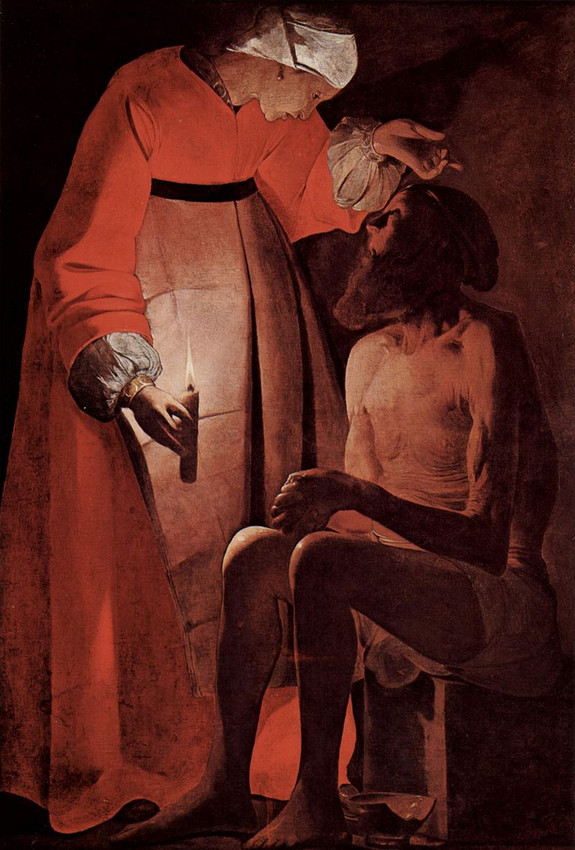
In his own day, the Frenchman Georges De La Tour was a painter who was comfortably off financially and recognised professionally, and he even became official painter to King Louis XIII. The Lorraine artist died in an epidemic in Lunéville, days after his wife. His artwork was then stripped of memory for a few centuries, until he was rediscovered in 1915 by the German Hermann Voss, an art historian. In France he is considered today one of the most celebrated artists of the 17th century and one of the most popular alongside Cézanne, Monet and Renoir.
Until 12 June, Georges de La Tour (1593- 1652). A golden opportunity to rescue one of the geniuses of the Baroque from our own forgetting.

Comments (0)
Log in to leave your comment. Log in