
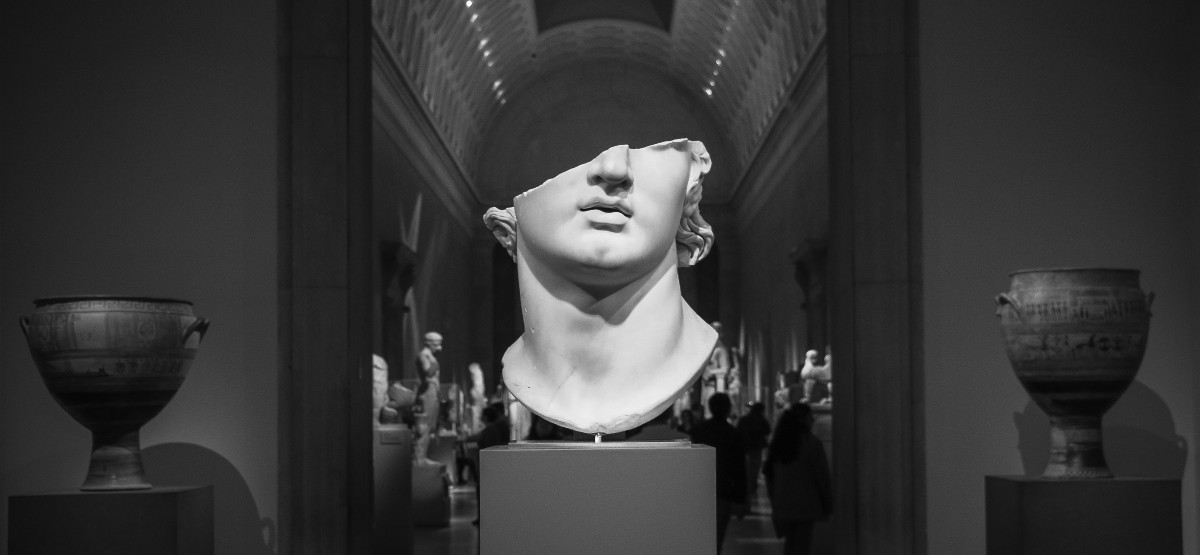
More than one tenth of the world's museums will have to close permanently”. An ICOM (International Council of Museums) and UNESCO survey came to conclusions of this magnitude regarding the future of museums in a post-COVID-19 context. Because the museum sector isn't escaping the crisis brought on by the coronavirus pandemic either. Quite the opposite, the cultural industry is one of the hardest hit.
At the end of April, the Prado Museum in Madrid wrote off 20 million euros in ticket revenue alone (three quarters of its budget), while the Metropolitan in New York, one of the most powerful museums in the world, announced a budget deficit of 100 million dollars.
And that's talking about the planet's big museums, which will surely weather the storm, though at the cost of losses in the millions. The real problem will be for all those medium and small museums with no major institutional backing. Because the museum has been dragging along a serious identity crisis in recent times, and this viral ordeal has only made it worse.
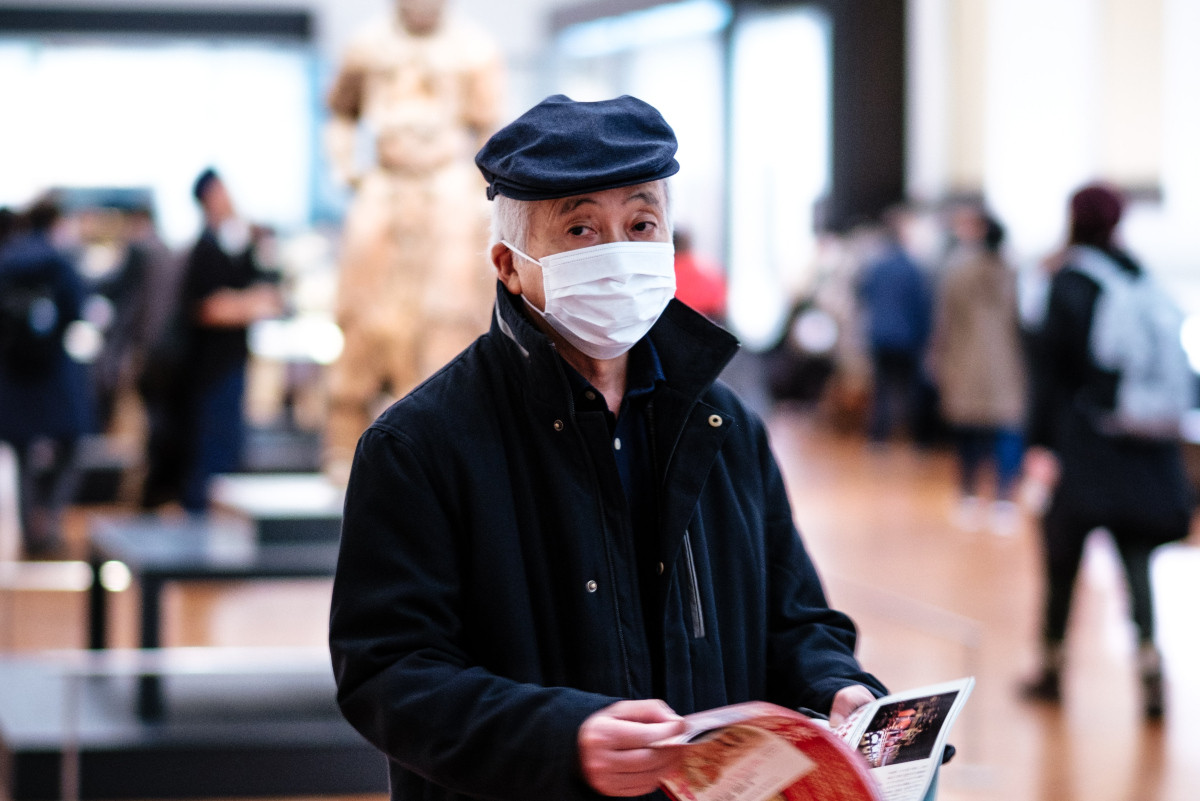
"Museums are more than just spaces where the heritage of humanity is preserved and promoted. They are also essential spaces for education, inspiration and dialogue. At a time when billions of people around the world are separated from one another, museums have to bring us together". Ernesto Ottone R., UNESCO Assistant Director-General, put the focus on the work museums do beyond their role as guardians of artworks and cultural heritage. Because, what are museums? What role can and should they play in the 21st century? How do they adapt to the digital revolution? And the question with the trickiest answer: can museums achieve the economic sustainability the capitalist system demands?
“A museum should be free, the way libraries are. If the collection is public, whether books or paintings, getting in has to be free”. Pepe Serra, director of the MNAC in Barcelona, was clear about it in statements he made to El País in the middle of the state of alarm: “I've been saying for a while that a museum like the MNAC or the Prado, with so many public missions on its plate, can't be asked to self-finance more than a third. The rest is public service. Let the authorities make demands, let them evaluate it, but the infrastructure has to be paid for by the administration (…) The way it's set up right now is a perversion”.
Pilar Fatás, director of the Museum of Altamira, digs into this perversion of the museum industry in an interview published by El Diario: “In recent decades a lot has been demanded in terms of visitor numbers (…) Outside the museum world, when the end of the year comes around it seems the only thing anyone looks at is financial performance”.
The equation seems clear: a museum works in proportion to its number of visitors. If there are no visitors, there's no financial performance, the museum is a failure, it has to change or close... regardless of its cultural value.
With the outbreak of the pandemic and the forced closure of museums, many institutions have sped up the digitisation of their collections, offering virtual visits that partly satisfied plenty of culture and art lovers. Along those lines, the digital exhibitions and events that complement and extend physical exhibitions had already been improving in recent times. And this crisis has accelerated a process that has to be key to the museum's long-term survival. The problem for museums is that this digitisation process comes at a high cost that often never pays for itself.
So normality won't be returning to museums for a long time, among other reasons because "normality was the problem". The museum needs to reinvent itself once again to find its place in an aggressively capitalist society. Until that last part changes, museums will have to keep answering for themselves in economic terms. If they can't, they'll have to shut their doors, as is already happening in many parts of the world.
“When this catastrophe is over, it will be necessary to rescue several museums in order to preserve their collections and, above all, to avoid laying off their staff”, says Suzy Hakimian, President of ICOM Lebanon. The problem is that there's no rescue for everyone. There never is. The world's leaders have worn themselves out repeating slogans like “we're not going to leave anyone behind”. But that's all they are: empty slogans from a televised rally to sedate the viewer. In the cultural sector alone (never mind dozens of other sectors) millions of people are being left behind. Many museums (their collections and their staff) will be left behind too.


Comments (0)
Log in to leave your comment. Log in