
If we want to find the natural home of the psychology of art, we'll have to travel back in time, a hundred years back, to get to know the life and work of Lev Vigotski, the first step in a revolution of art within academia that would be completed decades later with the recognition of the arts as necessary for humanity as a whole and not just for an artistic oligarchy.
It was in 1920, in post-revolutionary Russia. By then, Vigotski had already sketched out what would become his great early work, which we'll talk about later on. For this avant-garde psychologist, work had been the means that had allowed evolution from a socio-historical point of view, so the culture and the richness of the human being lay in occupation understood as a way of feeling more fulfilled. For him, the highest expression of civilisation was culture and art.
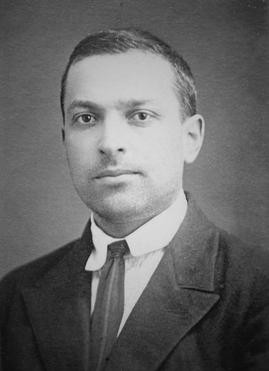
La máxima expresión de la civilización es la cultura y el arte, para Vigotski.En sus análisis y ensayos, el axioma primordial es la complementariedad de la técnica con la creatividad. Como reconocería él mismo: “todos podemos tener un Rafael dentro de nosotros pero sin las técnicas ni los progresos relacionados, sin una división del trabajo concreta o una organización de la sociedad puede que nunca llegara a desarrollar su potencial”.
Vigotski's psychology of art
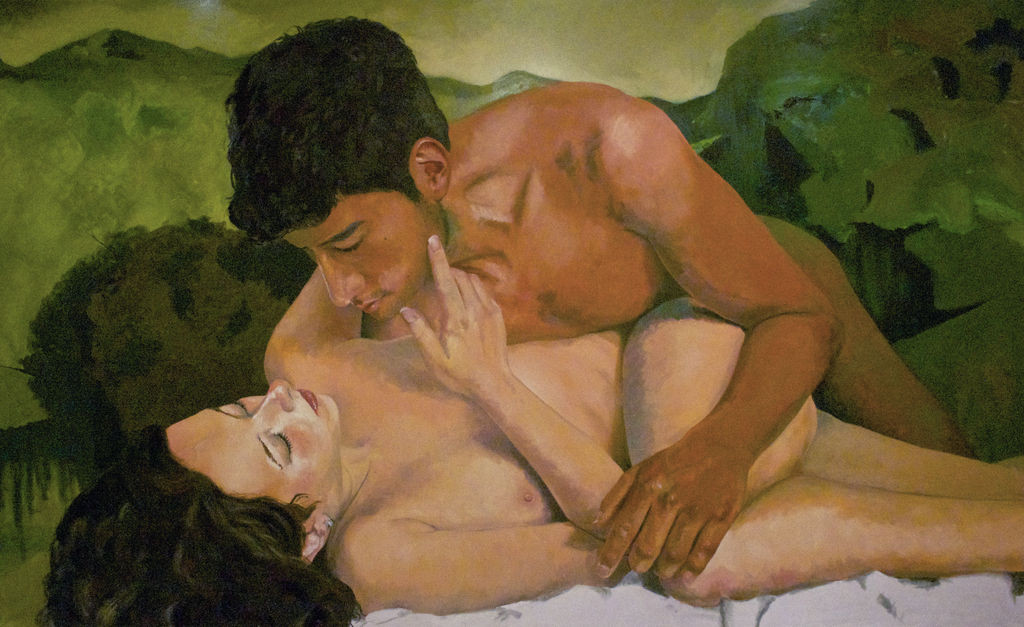
Entre 1915-22 escribió su ensayo más conocido. La tesis doctoral sobre Psicología del arte que sentaría un precedente en el ámbito psicológico. Esta obra fue tan polémica en su tiempo porque, por primera vez ,se apelaba al término “inconsciente” para definir el aspecto esencial del arte. Vigotski era consciente del carácter desconocido e incomprensible que tenían los elementos del arte, en su génesis antipragmática. El arte no era útil ni práctico desde una perspectiva Maslowniana. No era una necesidad vital pero, ¿Era acaso una necesidad básica? ¿Era necesario el arte para vivir bien aunque no sea imprescindible para la supervivencia humana? A diferencia de la mayoría de los postulados del psicoanálisis, esta teoría no equiparaba el arte con los procesos inconscientes oníricos sino que el arte se alzaba como un medio para abrirse paso hacia el subconsciente latente del ser humano en plena vigilia. Para Vigotski, la creación artística era “una sublimación de la energía sexual que derivaba hacia la creación en vez de hacia los instintos directamente sexuales”.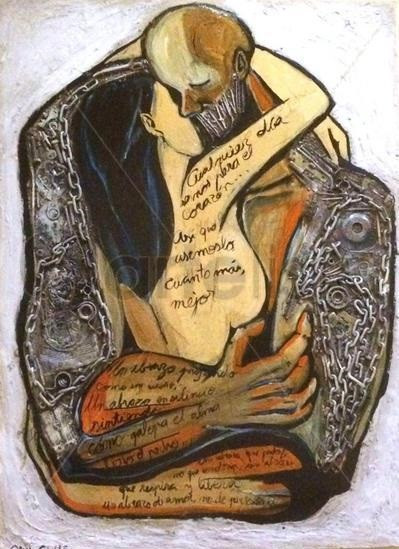
He wasn't so far off, since it has recently been discovered that painting is an activity that releases dopamine (the hormone that gives you the feeling of reward and is linked to most addictions, including sexual desire) and endorphins (a group of hormones known as the wellbeing hormones, released through exercise, massages, relaxing baths, social contact, sex and so on). We also know today that any artistic expression is synonymous with happiness, and that the feeling you get when you finish an artwork is very similar to the one you experience when you have children (a release of oxytocin, "the cuddle hormone", which comes into play during childbirth or when you have an orgasm).
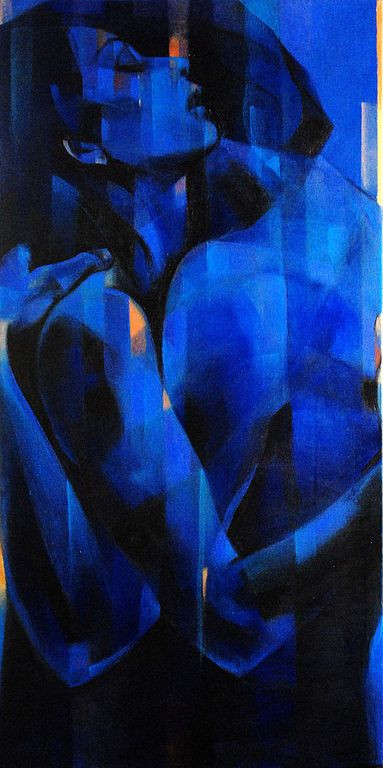
Human beings in search of rituals: the oligarchy in art
Para entender la perspectiva de Vigotski desde un prisma más coloquial, solo tenemos que reflexionar acerca de la escasez de pintoras femeninas hasta mediados del siglo XX. Vigtoski hace hincapié en que el arte sin los medios no puede existir y por eso es la mayor consumación de la cultura del individuo. Si extrapolamos esta conclusión a la situación de la mujer artista, no nos costará demasiado ser conscientes de que debido a que determinados deberes recayeron en ellas durante siglos, en primer lugar, y a que si eras mujer y pobre, tus posibilidades de desarrollar tus facultades eran nulas, la promoción artística de la mujer se retrasó hasta que las técnicas (los recursos económicos) y los progresos sociales (inclusión en el mercado laboral, derecho a voto, derechos humanos) permitieron su inclusión en esta dimensión de la sociedad .In the case of poor, working men, for example, buying the tools to prepare for the task was out of reach, and on top of that there were no stimuli in their immediate surroundings that could steer their ambitions towards painting. It was the enslavement of these men over hundreds of years that freed the men of the well-off classes from their labours. Even the odd woman managed to develop the arts if she belonged to the upper class. Art was always an attribute of hierarchies and oligarchies, because they were the ones who had the time and the means.
Even today it's hard for the middle and lower classes to choose art full time and succeed at it. What has caught on, though, is what's known as the psychology of art, based on developing creativity and reducing stress and anxiety by learning the classic artistic techniques (painting, sculpture, complementary plastic arts). In this way, art as work, which Vigotski predicted, has been taken up by psychology, which has found in it a way of freeing the psyche and, at the same time, of keeping the masses in check.
Art therapy, the psychology of art of the 21st century
Vivimos en el siglo de las pseudociencias “científicas”. Es el caso de la homeopatía, por ejemplo. La arte-terapia es, más bien, un entrenamiento mental que no se encuadraría en estas categorías. ¿Por qué? Para desarrollar esta actividad solo necesitas adquirir un instrumental básico (llámalo pinturas acrílicas, por ejemplo) y ponerte a pintar.What benefits does art therapy bring?
- Desarrollo de las habilidades sociales.
- Liberación del estrés y la ansiedad.
- Bienestar psicológico.
- Control de la conducta.
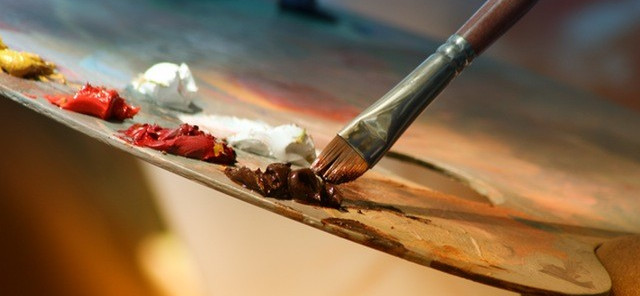
The fascinating universe of art is waiting for you. Do you want to be part of it? If so, we invite you to discover some resources for painters that can be really useful for your first steps in the art world. What are you waiting for to enjoy every one of the qualities of art?
Comments (10)
Luis Manteiga Pousa
January 10, 2023Alex
May 19, 2021Karla quezada
July 30, 2020Karina Barrios
January 23, 2020El arte es uno de esos dones maravillosos con el cual podemos comunicarnos con Dios y con los demás. En la muchos casos no necesita ser bello ni perfecto, sólo expresivo. Bendiciones y mil gracias por tan excelente artículo.
Cristina godoy
December 19, 2019ROSE GREEN
March 30, 2017Alex Bayorti
March 30, 2017Deborah Volper
February 23, 2017Atte.Alguien.
Alex Bayorti
March 14, 2017Ya está revisado. A ver que te parece ;)
Gracias por tu comentario.
Eduardo Ticona Chávez
February 23, 2017Por favor,¿habrá alguna página de donde pueda descargar gratis algunos libros?
Gracias estaré a la espera de una respuesta.
Log in to leave your comment. Log in