
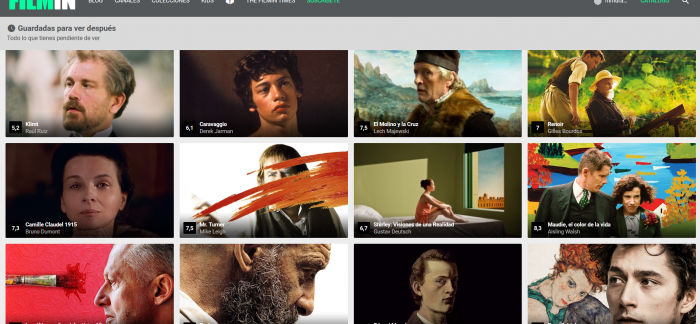
We continue with our film recommendations, this time on the independent platform Filmin. Here's another short list to get to know the life and work of these artists a little better.
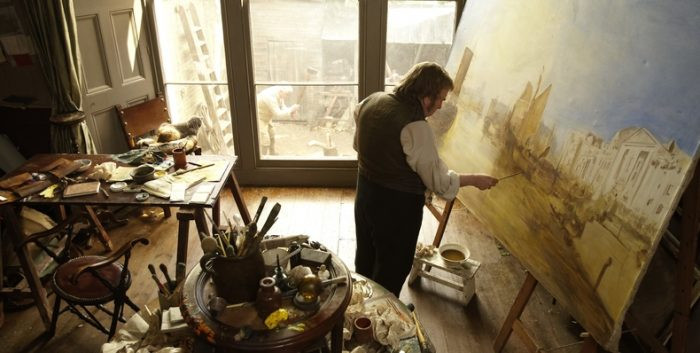
Mr. Turner
Directed by filmmaker and prolific theatre director Mike Leigh, this film starring Timothy Spall, in a superb performance, tells the story of the mature years of one of the most controversial artists of his time, J.M.W Turner. A landscape painter of reference, known as "the painter of light" alongside names as prominent as Sorolla or Vermeer, he raised landscape art to the status of history painting.
The film takes us to the painter's last 25 years, when, depressed by the death of his father (he lived his last 30 years with him), he spends those years travelling all over Europe, and to how he shares his final days living secretly in Chelsea with the owner of a seaside guest house he had visited years before. The eccentric Turner, already in the twilight of his life, spends stretches of time with the aristocracy in the English countryside and frequents brothels, leaving nobody indifferent, neither the public nor royalty, while being at the same time a recognised member of the Royal Academy of Arts. The author of The Fighting Temeraire, the artwork chosen by the public in a BBC vote as the best English painting in history, had an enormous influence on the impressionists and even on abstract art.
Van Gogh
Masterfully directed by the controversial Maurice Pialat (Loulou) and with a great performance by singer and actor Jacques Dutronc as the master of post-impressionism. The story takes us to the last stage of the tormented artist's life, when Van Gogh arrives in Auvers-sur-Oise and settles into the modest Ravoux inn. There he strikes up a special relationship with Marguerite, Doctor Gachet's daughter. The film reflects the obsessive personality of the Dutch painter, who tries to carry over into his artwork every movement of nature and of the people around him, while he falls apart inside on seeing that he isn't getting the success he longs for and is little more than a huge burden on his brother Theo. Attacked by madness, the end of the story of the "red-haired genius" is more than well known. This 1991 feature was warmly received by critics and audiences alike, and stands out especially for the way it renders Van Gogh's relationship with his brother and his doctor in the painter's final years.
Vincent & Theo
The umpteenth film we can find about the Dutch painter, in this case directed by Robert Altman, and one that digs especially into the relationship between the two brothers: Vincent the painter and Theo the art dealer. Obsessed by the fact that Theo couldn't make his artwork pay, the author of the Sunflowers is continually in conflict with his brother, which will be one of the main things that end up unleashing his madness and finally lead to the tragic outcome of the painter's life that everyone knows. This miniseries, with fabulous period atmosphere and turned into a feature film in its commercial version, has Tim Roth (Vincent) and Paul Rhys (Theo) in the leading roles and puts the emphasis on the anecdotes rather than on the genius's biography proper.
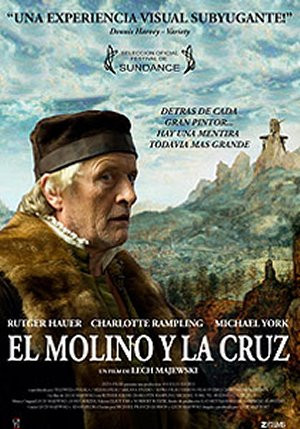
The Mill and the Cross
Small stories within the story of how Belgian painter Pieter Bruegel's great masterpiece The Procession to Calvary came about, in the middle of the Passion of Christ in Flanders (today's Belgium) during the harsh occupation and repression of the Inquisition and the Tercios, the army created by the Habsburgs, on the part of the Spanish Monarchy in the year 1564, the same year Bruegel painted this artwork. The film focuses on twelve of the characters who make up the canvas of the man better known as the "Elder" and on how they come to life and their existences interweave in a perfect panorama peopled by villagers, biblical figures and red-caped horsemen. Visually fascinating and hypnotic, this feature by the Pole Lech Majewski premiered officially in the most fitting of settings: the Louvre in Paris. A great cast, including Rutger Hauer (playing Pieter Bruegel himself), Michael York (bringing to life his friend and art collector Nicholas Jonghelinck) and Charlotte Rampling (as the Virgin Mary). A real visual feat that mixes cinema, painting, theatre and photography.
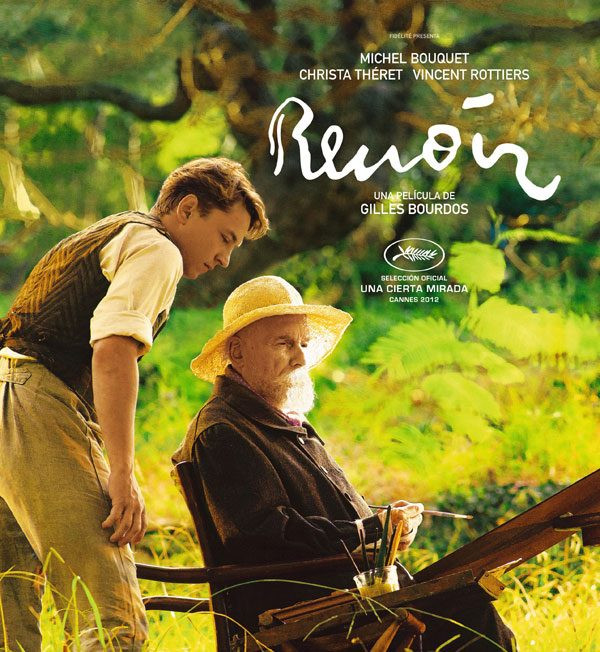
Renoir
A recreation of the final years of one of the greatest exponents of impressionist painting, Pierre-Auguste Renoir, by then a fearful, tormented man in fragile health.
Set on the Côte d'Azur in 1915, it tells of the decline of the already fearful and fragile Pierre-Auguste Renoir, tormented by the loss of his wife, by arthritis and by the difficulties of his son Jean as a soldier in the First World War. Despite these circumstances, he finds inspiration for his paintings in a beautiful model: Andrée Heuschling will be his last model and the one mainly responsible for rejuvenating the painter. When Jean comes home to recover from his war wounds, father and son clash over the muse's charms. In spite of this, the French artist's second son finds the inspiration for what will later be a great career as a filmmaker.
Directed by Gilles Burdos and with Michel Bouquet bringing the French painter to life, this 2013 film details the love triangle and sets the scene masterfully with great costume and location work.
You can also see what content we've gathered from other platforms such as Netflix and Amazon Prime Video. There's also a first part on Filmin, we couldn't pick just 5 :)
Have you seen any of them?

Comments (0)
Log in to leave your comment. Log in