
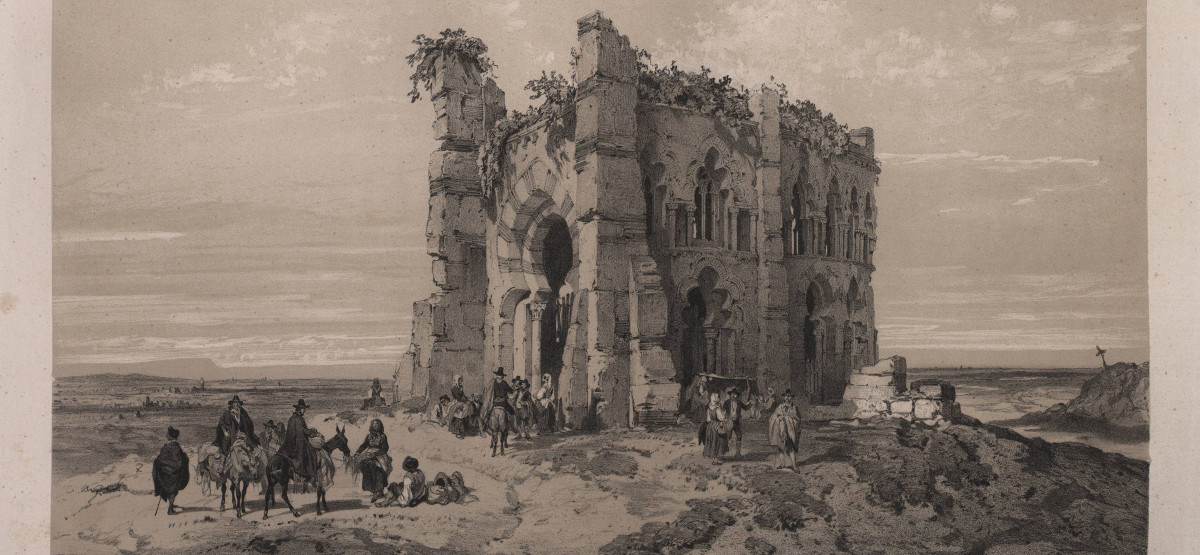
Romanticism and landscape, two closely linked terms. On one hand, Romantic painting found in landscape a perfect genre for dreaming up other worlds, for fleeing a reality that offered little comfort. Landscape, for its part, got its definitive push, enjoying not just the approval of the critics but winning over the general public too: for a good part of the 19th century, landscape and portrait were painting's two favourite genres. In Spain, the greatest exponent of this romantic landscape was Jenaro Pérez Villaamil, an artist who would carry the discoveries of British landscape painting over into Spanish painting.
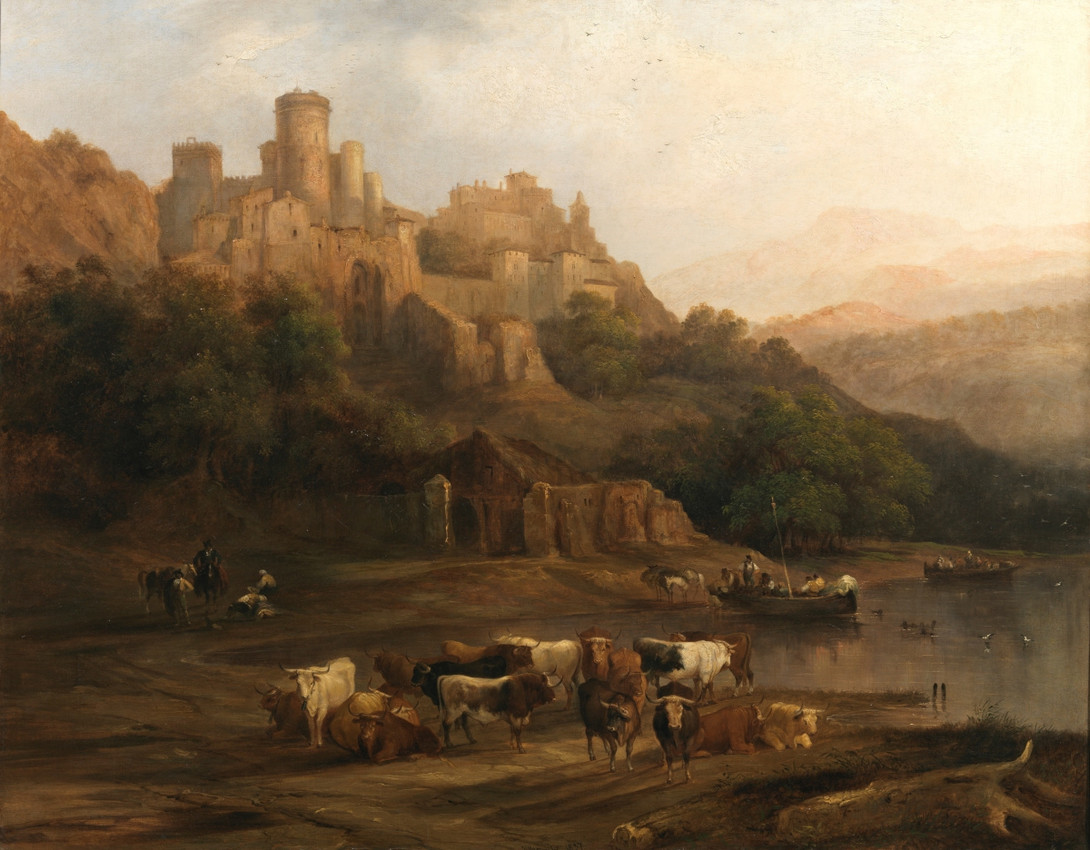
Born in El Ferrol in 1807, he soon moved to Madrid to finish his studies, with a spell in Cádiz where he began studying at the Academy of Fine Arts. In 1830 he received an important commission that took him to Puerto Rico. Back in Spain, his artistic path took a considerable turn when he came into contact with David Roberts, the British landscape painter who was travelling through Spain on his way to Morocco.
Up to that point, Villaamil had still not found a very defined style, moving between the 18th century French type of landscape and 17th century Flemish painting, though already showing his leaning towards landscapes with wide perspectives in which the human figure, small in scale, is never missing. But David Roberts injected the romantic gene into Villaamil once and for all.
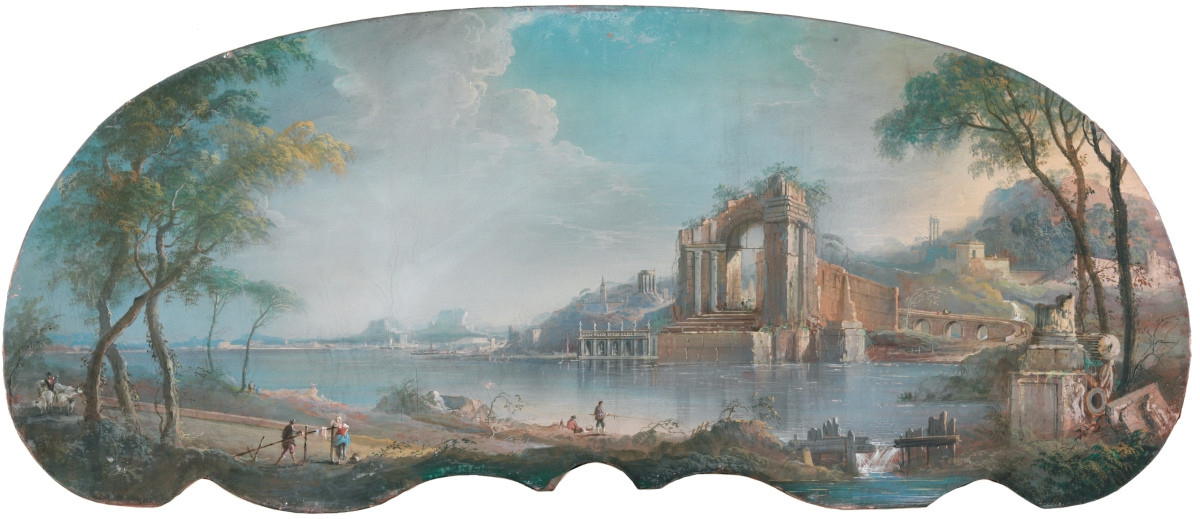
The British artist embodies the romantic landscape in its purest state: artworks of distant perspectives, with hazy, almost dreamlike atmospheres, nearly always depicting monuments or architectural ruins with small human figures around them. But Roberts, good Romantic that he was, wasn't after a completely realistic approach to nature: what he saw was only the base of the painting, which was then 'enriched' with anything that heightened its emotional side. Landscape was a device for dreaming, not a document to reflect on nor a plea to be understood.
In this sense, David Roberts's Spanish artworks lie at the root of that exotic, quintessentially Spanish connotation Spain carried for many (many) decades. 19th century landscape painting put Spain on the map as a dream destination for thousands of Europeans fascinated by that traditional aura they saw in the prints, lithographs and oils of the first romantic travellers.
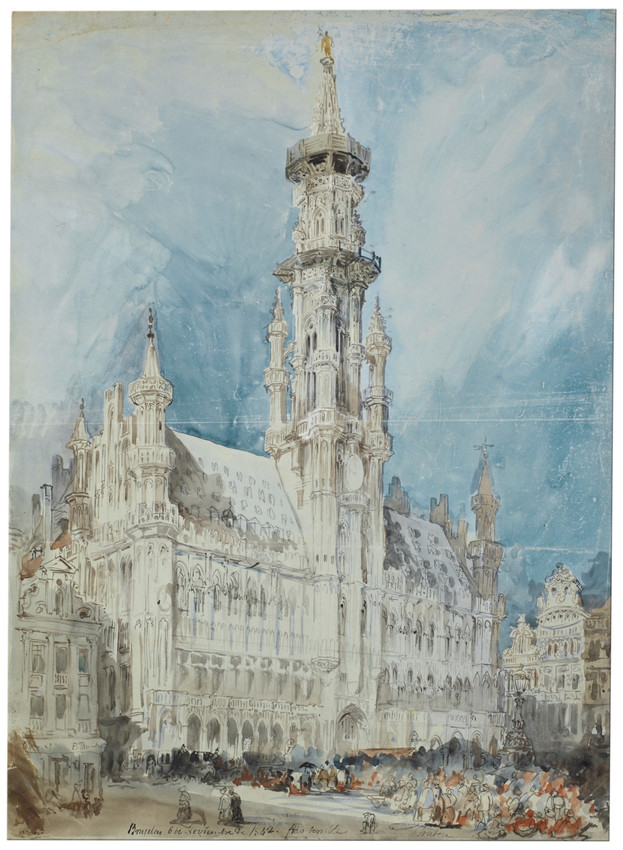
Of course, behind that romantic veil covering the reality of 19th century Spain there was a great deal more, murky and violent elements too, but a few decades still had to pass before realist painting set about breaking (partially) the spell of that pure, folkloric Spain that had been such a hit in Europe.
'España artística y monumental'
It is in the second half of the 1830s that Villaamil takes up the legacy of English landscape painting through Roberts, becoming the absolute reference point of the Spanish romantic landscape. Settled in Madrid, he frequents elite intellectual circles and his work is singled out by several romantic writers of the period.
In exile between 1840 and 1844 during Espartero's regency, Villaamil made the most of the pause to take part in one of the most important works of Spanish Romanticism: España artística y monumental. It is a three volume travel book born out of that interest in Spanish exoticism, combining prints by the Galician painter with texts by Patricio de la Escosura. The first edition was printed in Paris in 1842. Along with Parcerisa's Recuerdos y bellezas de España, it is regarded as the finest travel book of Spanish Romanticism.
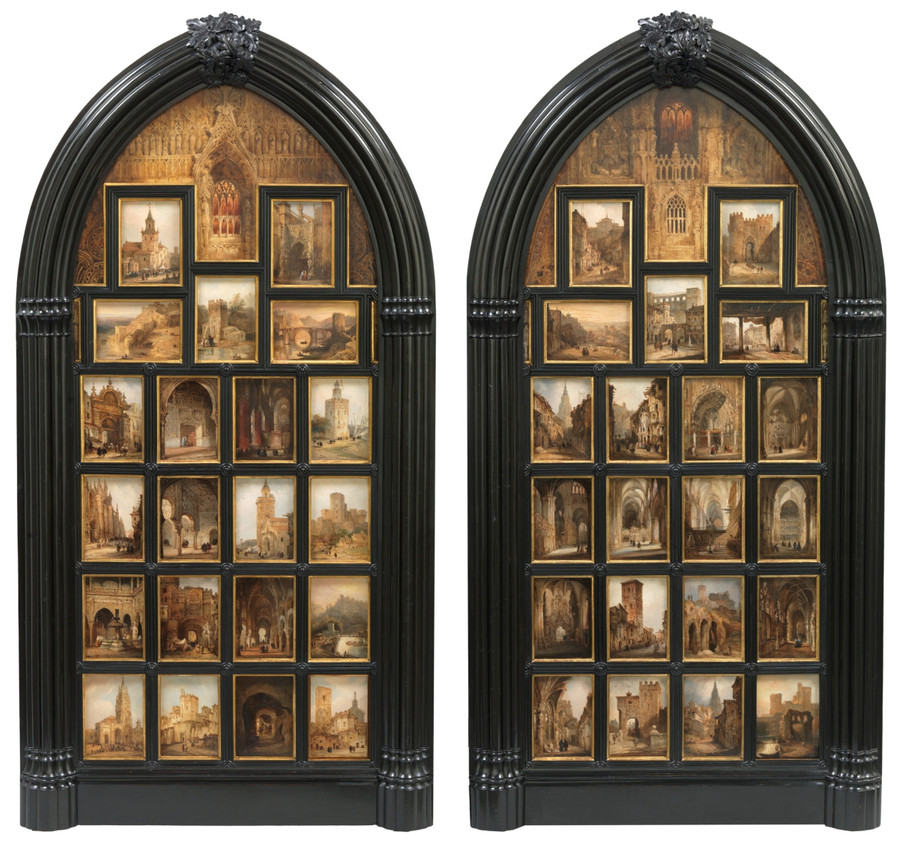
Although Villaamil's book doesn't include prints of the whole of Spain (Toledo, Burgos, Madrid and some provinces of Castilla y León and Castilla-La Mancha stand out in particular), artistically it represents that side of the romantic landscape full of poetic depictions of some of the most typical corners of Spain, always with a mysterious, almost dreamlike aura, and a touch of local colour too.
Because even if we look at these landscapes with the lofty attitude of the contemporary observer, it's impossible not to feel at our temples a breath of nostalgia, the murmur of that pristine world covered in dust, ivy and purity, that world which perhaps never existed but which still beats in the paintings and prints of Jenaro Pérez Villaamil.

Comments (1)
Letizia Vázquez
December 13, 2021Log in to leave your comment. Log in