
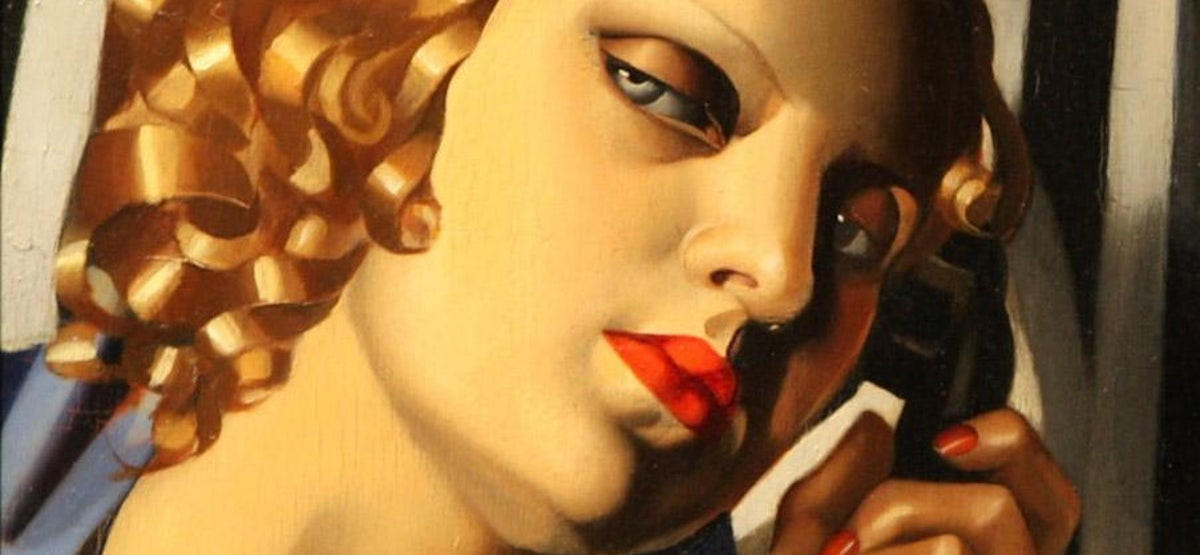
What can you expect from someone who lies about where and when they were born? At the very least it raises suspicion, but also intrigue. Such was the life and the artistic career of Tamara de Lempicka: seduce, refine, confuse and work, of course, because the Polish artist also found time to develop an unmistakable painting style that made her a reference point for decades, above all in her portraits and nudes.
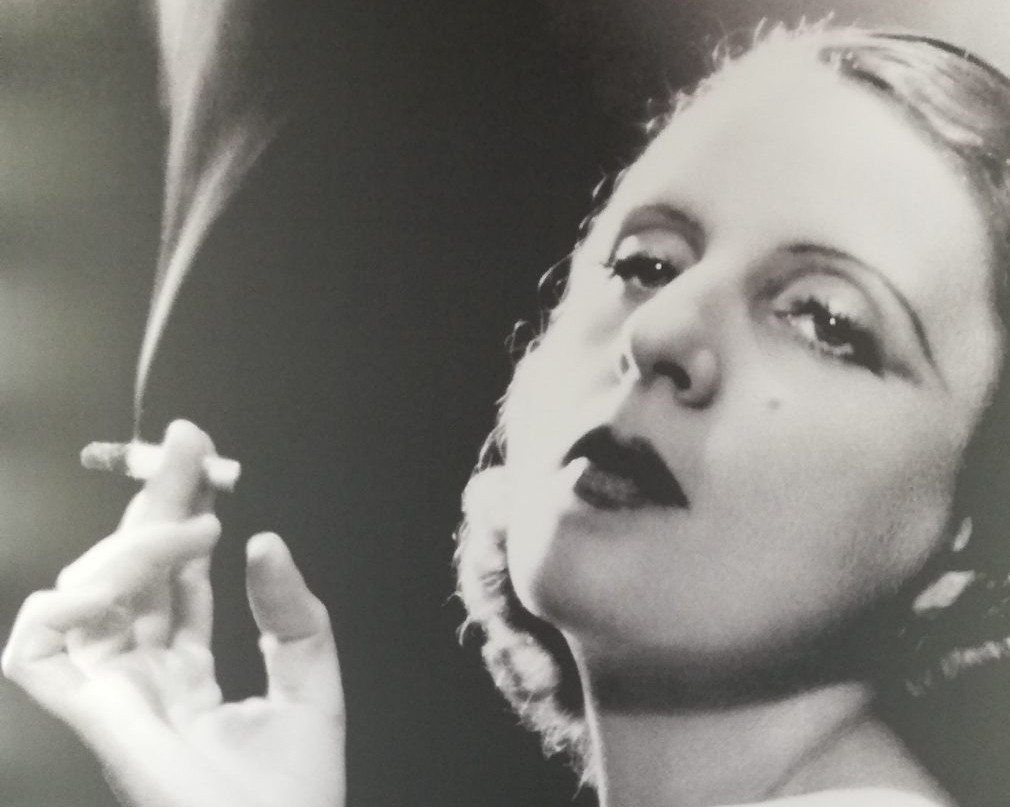
Well then? So where and when was Tamara Rosalia Gurwik-Górska born? Officially her birth is placed in Warsaw in 1898, a time when Poland was divided between Prussia and the Russian Empire. A good many of her biographers believe this led Tamara to push her birth back a few years, perhaps to gain a little youth and perhaps to avoid gossip about having been born in tsarist territory and times.
In 1918 she married Tadeusz Lempicki, moved with him to Paris and took his surname. Later she added a ‘de’ to her name to give it a more aristocratic ring: Tamara understood very early on that in the world she wanted to succeed in (and in any other, when you get down to it) what matters isn't so much what you sell, but how you sell it. The young Pole moved in the artistic circles of Paris in the roaring twenties and threw herself into building her persona while developing her artistic career.
She entered the Académie Ranson under the tutelage of Maurice Denis (an artist and critic who was key to the evolution of avant-garde art in the twenties and a member of Les Nabis) and then enrolled as a pupil of André Lothe, who would end up being her artistic father. It is over the next two decades that Tamara forges a style that would turn her into an icon, later heavily mined by fashion, film and advertising.
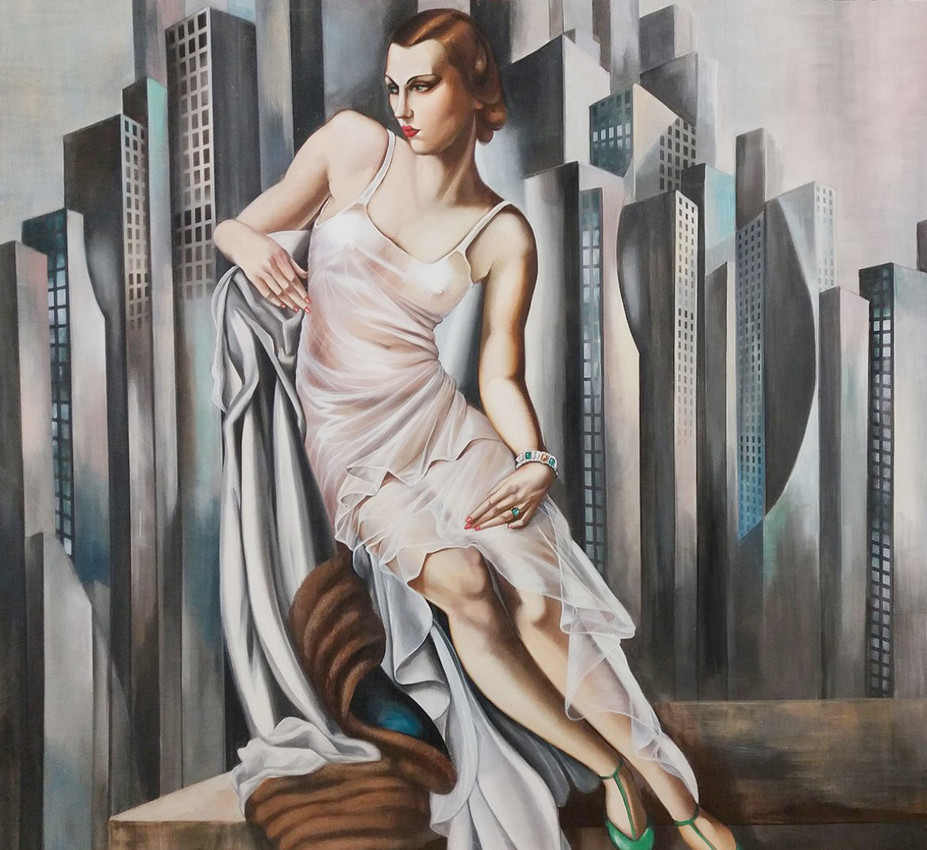
Starting from cubist and symbolist technical elements and influenced by the mannerism of artists like Botticelli or Ingres, the Polish artist focused on portraiture, offering monumental yet stylised figures, faceted, with a very sparing use of colour and a sophisticated but decadent look. They are young, beautiful women, but with shadows under their eyes and indolent gazes, women who drive fast cars, who stay out until the small hours, who smoke, drink and love. Women, in short, who do what they want and live as they please. Exactly the way Tamara de Lempicka herself always wanted to live.
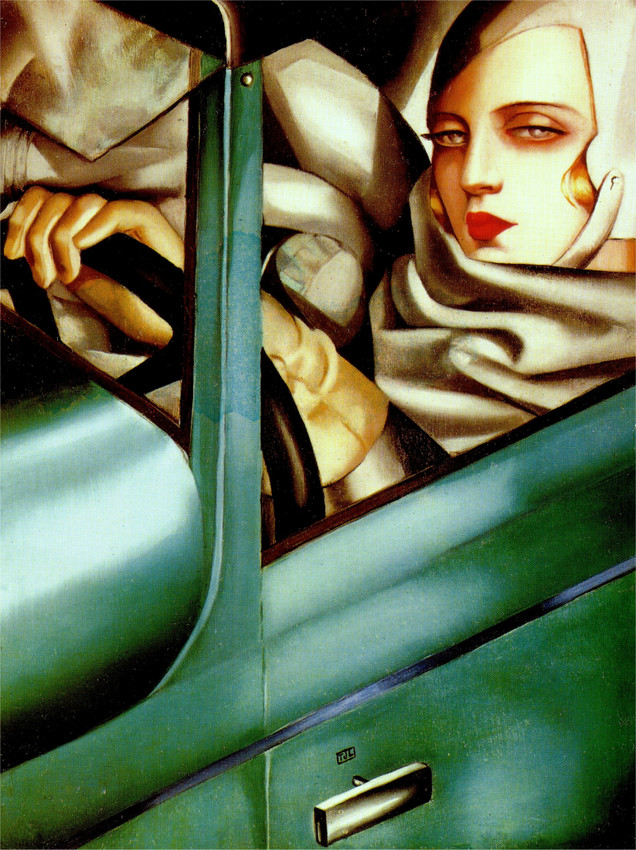
When in 1929 she painted her hugely famous Autorretrato en un Bugatti verde, everything fell into place for good. Tamara set herself up as an icon of her time. And everyone started asking, who is that girl who paints? And the Polish artist built her story. Because art is still an artifice, however many grand adjectives we hang on it. And after a decade in Paris, Tamara knew how to play her cards in a make-believe world, a world of men who also paint, but who above all pull the strings.
In the thirties, the Polish artist's standing as a portraitist was such that she even painted King Alfonso XIII during the monarch's exile in Rome in the days of the Second Republic. The balance between the avant-garde and classical influences, between sophistication and mystery, meant that Tamara's maniera was very well received in the upper reaches of society, which is exactly where the artist wanted to get.
Having become a baroness after marrying the Hungarian baron Raoul Kuffner de Diószegh, the Polish painter no longer had to fake an aristocratic air... She was one. And the next step was to leave pre-war Paris for the new mecca of the global avant-garde: the United States. First she arrived in Los Angeles, where she took to the parties in the Hollywood hills and in Beverly Hills like a duck to water. Baron and baroness even lived in the former mansion of director King Vidor.
Not long after, the couple, joined by Kizette, the daughter from her first marriage, moved to New York, where the new painting avant-gardes on this side of the Atlantic were taking shape. But De Lempicka's style was falling behind in the face of the push of abstract expressionism, which never satisfied the European artist. Although she still exhibited successfully in Paris at the end of the sixties, in her last decade Tamara put the brushes aside and gave herself over entirely to her other great passion: living. Tamara de Lempicka died in 1980 in Cuernavaca, where she had gone to live a few years earlier, leaving an artistic and personal legacy that would grow considerably right up to our own day.

Comments (0)
Log in to leave your comment. Log in