
These days you don't need to build your own website to offer products or services online and earn some extra income. You can rent out your flat, share the cost of a car trip, sell second-hand goods... and of course, sell your artworks. There's room for everything on the internet and art is no exception, in fact, according to the TEFAF 2016 Art Market report, online art sales grew by 7% compared with the previous year and already account for 7% of the global total of art and antiques sales.

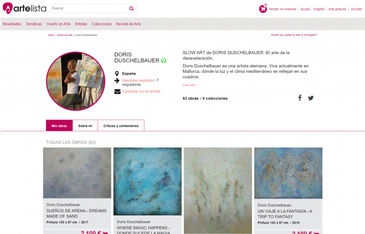
On many websites, companies, freelancers and private individuals alike can carry out an economic activity, and whenever we receive income we're obliged to declare it to the tax authorities. But are you obliged to register as self-employed? Which form should you choose if it's a one-off sale? What information do you have to submit? If you sell an artwork through Artelista, we're sure this article will help you (PLEASE NOTE, this information is only valid for artists resident in Spain).
Do I have to register as self-employed to sell my artworks on Artelista?
Si los ingresos que tienes por la venta recurrente de tus obras son iguales o superiores a 9172,80€ (el salario mínimo interprofesional anual fijado para 2016), te tienes que dar de alta en la Seguridad Social. Si no es así y las ventas no son habituales (que es uno de los requisitos para darte de alta como autónomo, junto con ser residente español) o no se llega a este valor mínimo fijado por el ministerio, puedes no estar dado de alta.On the other hand, the moment you carry out an economic activity, you have to register with the tax office.
If I'm not registered as self-employed, how can I declare this income?
Al tratarse de una actividad económica a través de la cuál estás recibiendo ingresos (o un ingreso, ya que esto también aplica a una venta puntual), tienes que darte de alta en Hacienda y presentar el modelo 036. El Modelo 036 es solo un modelo informativo, donde indicas que vas a realizar una actividad económica de una lista de epígrafes (es una lista de todas las actividades). En ese modelo 036, también tienes que indicar si tu actividad esta sujeta a IVA o no y al estar dado de alta, ya puedes realizar ventas, y declararlas.So, to sum up, bear in mind that any professional activity always means registering with the tax office (and you'll have to submit form 036). And only if the income (the price the painting sells for on Artelista, not counting the commission) is below the SMI (the minimum wage) can you avoid registering as self-employed.
IMPORTANT: This information may change depending on any legal changes there may be and it can vary according to each artist's individual situation, so for questions and/or further information we recommend you consult a specialist adviser.



Comments (3)
Manuel
July 1, 2016sólo por aclarar, si las ventas superan el salario mínimo pero no es una actividad habitual (imaginemos que se ha vendido una obra por 10.000€) no haría falta declararlo ya que son ingresos esporádicos y no la actividad que realiza de manera profesional.
Un saludo y muchas gracias por la información
Marga Muraday
July 5, 2016Exacto, si se trata de una sola venta de una obra de 10.000€, por ejemplo, al no ser actividad habitual y el importe no ser superior al SMI (Salario Mínimo Interprofesional) no hay que darse de alta como autónomo. En el momento que se “realiza de forma habitual, personal y directa una actividad económica a título lucrativo”, sí es obligatorio, así como si se supera el SMI (aunque sea un solo trabajo), que entonces se considerará como actividad habitual.
Un saludo!
Lola
September 8, 2020Log in to leave your comment. Log in