
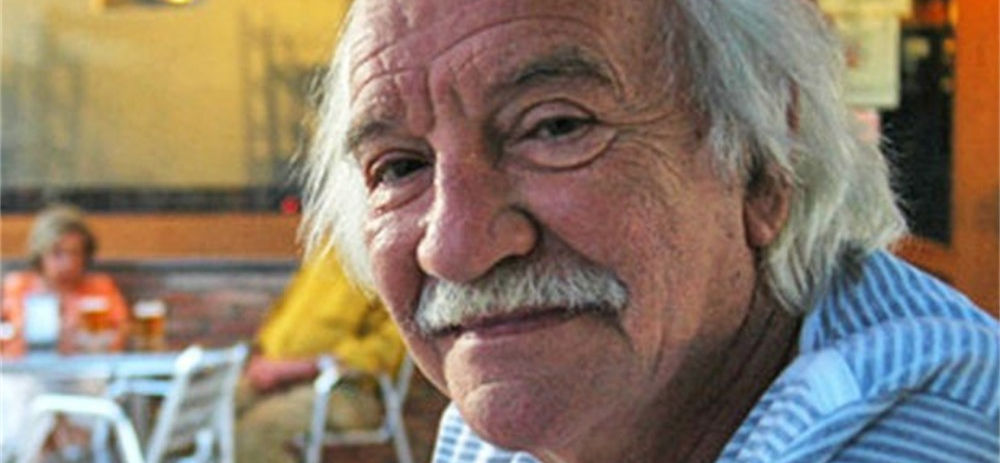
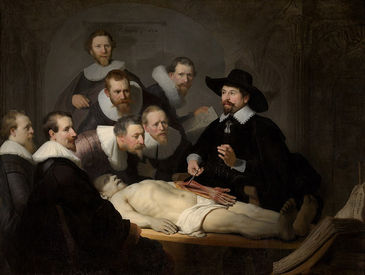
Art has never lacked shadows and, in fact, as Rembrandt would say: "shadows are the only thing that makes light possible". It had to be precisely one of the geniuses of tenebrism who spoke to us, art lovers, about the inner workings of one of the most important realities in history: that there is no light without darkness. And darkness is exactly what the story of Erik the Belgian, the greatest art pirate of the 20th century and until very recently one of the most mysterious figures around, is all about. Come with us on a fascinating trip through time and through the paintings of a white glove thief, a pirate of beauty. Enjoy art.
A few essential brushstrokes to get to know the art pirate
The story of Erik the Belgian has a lot of the movies about it, because this art thief who plundered numerous Spanish provincial capitals (Segovia, Palencia, Valladolid, Toro or Frómista) ended up helping to recover the stolen pieces while he was in the Modelo prison in Barcelona. Erik the Belgian's way of operating showed an exquisite refinement, since he hired gangs of thieves from the area where he wanted to steal, so he was never anywhere near the scene of the theft. In some cases he also bought the pieces from bishops or priests looking to line their pockets. This thief, born in 1940, very soon became one of the most wanted men in the world.
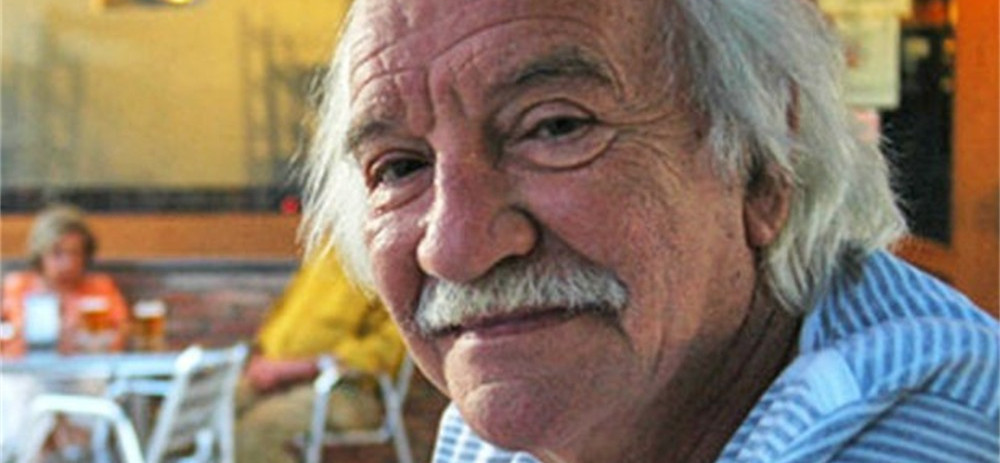
After escaping from prison in Belgium, he came back to Spain for good because of the scant security measures in monasteries and churches alike.
After two arrests, one of them while trying to rob the cathedral of El Burgo de Osma in Soria, and a 10 year sentence in the Belgian prison of Verviers from which he escaped, he was jailed after turning himself in in Spain in 1982 and placed in the custody of the Barcelona prison. There he showed off his skills as a negotiator. He had been one all his life but now, at the age of 42, he already felt too old, too tired to carry on with that career.
Castilla y León was the region where the largest number of thefts took place. That had to do with its enormous heritage and the depopulation of many of the towns where the church art was kept, completely unprotected. The same was true of La Rioja, Catalonia, Navarre or Aragon.
After the recovery of more than 1500 artworks in a period of barely three years, he was granted parole (in 1985, to be exact) and settled in Málaga, where he still lives. His autobiography Por amor al arte has become one of the most talked about books of recent years in art circles.
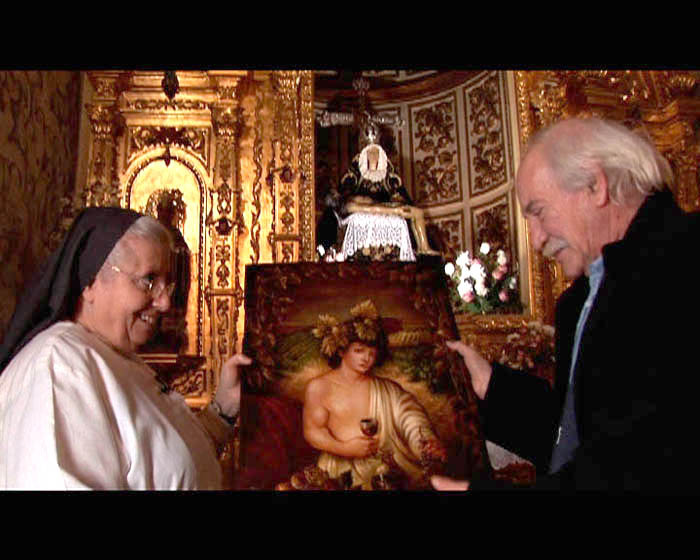
Erik the Belgian: the paintings of a white glove thief
Long before many of us came into this world, this bandit born in the small Belgian town of Nivelles had already stolen close to 6000 artworks. Surprising?
- Aún lo será más conocer que fue quién robó las tablas de Berruguete de la Iglesia de Santa Eulalia de Paredes de Nava (Palencia). Lo hizo con su modus operandi habitual; a través de una banda de ladrones locales. Y es que Erik nunca se veía implicado. Junto a esta obra, Erik el Belga robó la Silla de San Ramón, entre otras muchas y fue partícipe de innumerables sustracciones.
- Las obras de Arte Sacro de la Catedral de Santa María de Calahorra fue diferente: fue el obispo Abilio del Campo y de la Bárcena, anteriormente citado, quién le vendió un gran número de obras.
Forger: Erik the Belgian's hidden face
As he stated in an interview, Erik the Belgian says that right now there are artworks of his in eleven museums in Germany and in many in America. He explained that as many as 60 Corots hanging in American museums were painted by him. In fact, he claims that "Corot painted 2,000 pictures, while in American museums there are 2,600 pictures by him, at the very least".
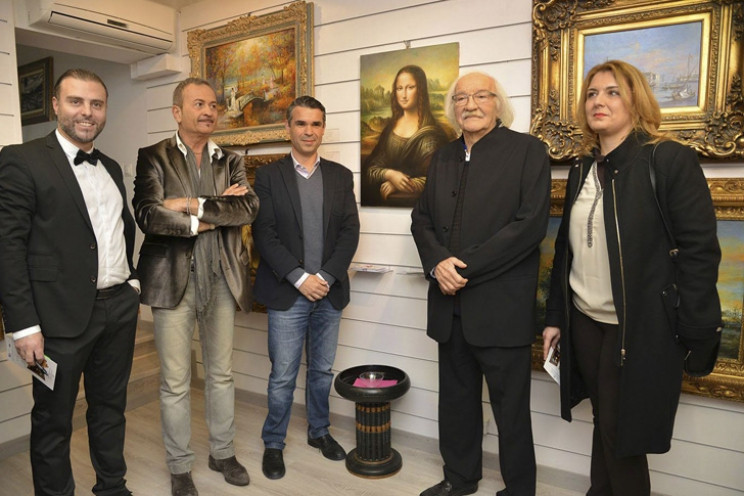
He is obsessed with La Gioconda at the Prado Museum which, in his words, is far more impressive than the original in the Louvre Museum, and in fact he claims that the Paris one is a fake too. In his autobiography he also talks about some artworks that were especially interesting to him. That was the case with the retablo de San Miguel de Aralar, more than two metres long. In all these examples we discover a versatile white glove thief who, as a side effect and almost ironically, made sure that more than a thousand artworks of artistic and cultural heritage were not lost.
However it went, this plunderer became a master of art or, at least, of deciding what is and isn't art.
"I've saved thousands of artworks that were rotting away and are now nice and warm. I've made Spanish heritage known all over Europe" (Erik, el Belga).
Did you find it interesting? Did you already know about this 20th century figure? If you want to discover more art curiosities and get into the nooks and crannies of art galleries, take a look at "La trampa del as de diamantes (De la Tour)". Comment and share your impressions about art!



Comments (0)
Log in to leave your comment. Log in