
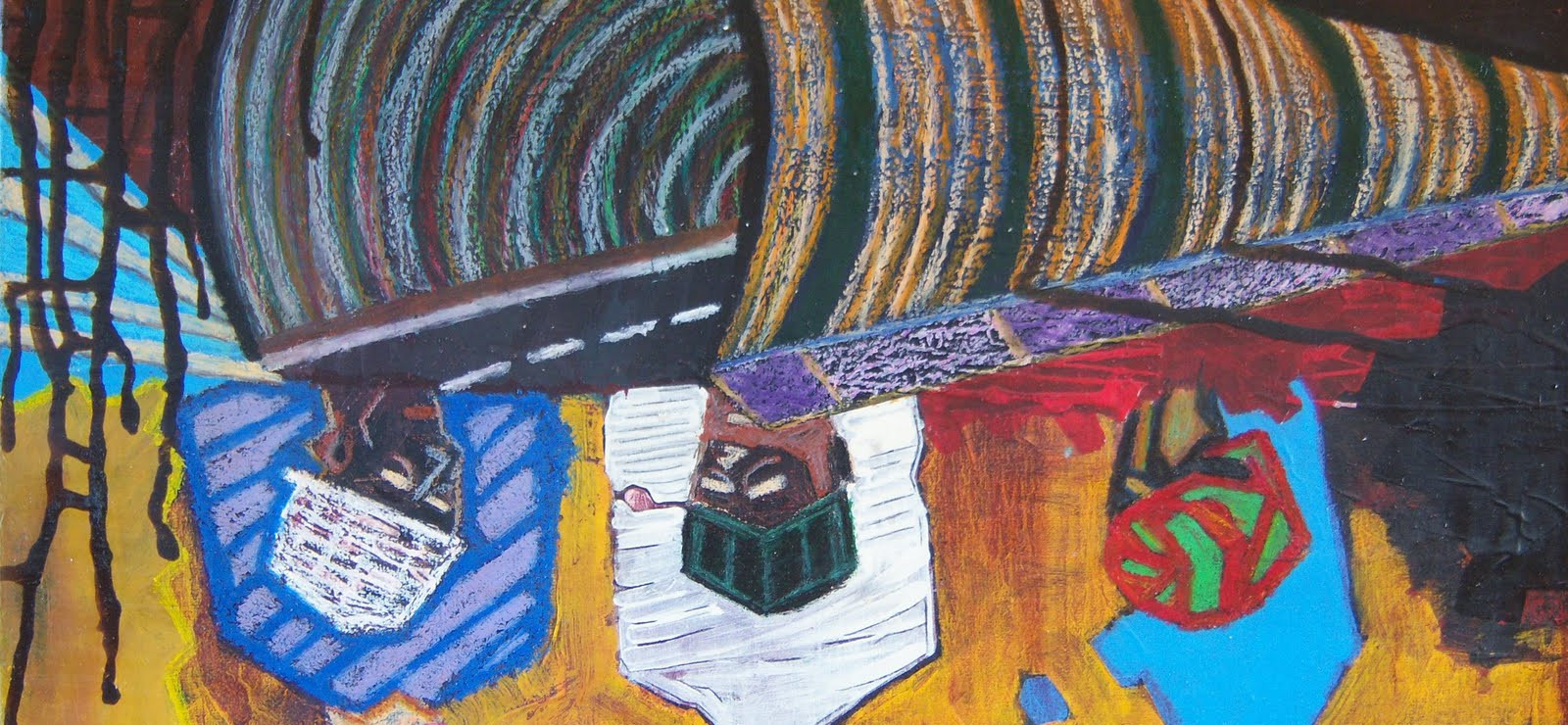
The concept of "hidden art" is as old as the artworks tucked away behind the walls of international museums all over the world. It's the art that stays in the "backoffice" without ever being exhibited. The reasons for this are as varied as the enormous number of artworks you can find in the storerooms of famous galleries. Still, all of these hidden art pieces have something in common: they stir up an unusual fascination in the art lover. That said, although there are artworks that have been struck off the catalogue or that aren't considered good enough to be exhibited, you can come across hidden art in any city and at any time. You may have already stumbled upon one of these artworks without even realising it. Come with us into the belly of the art world.
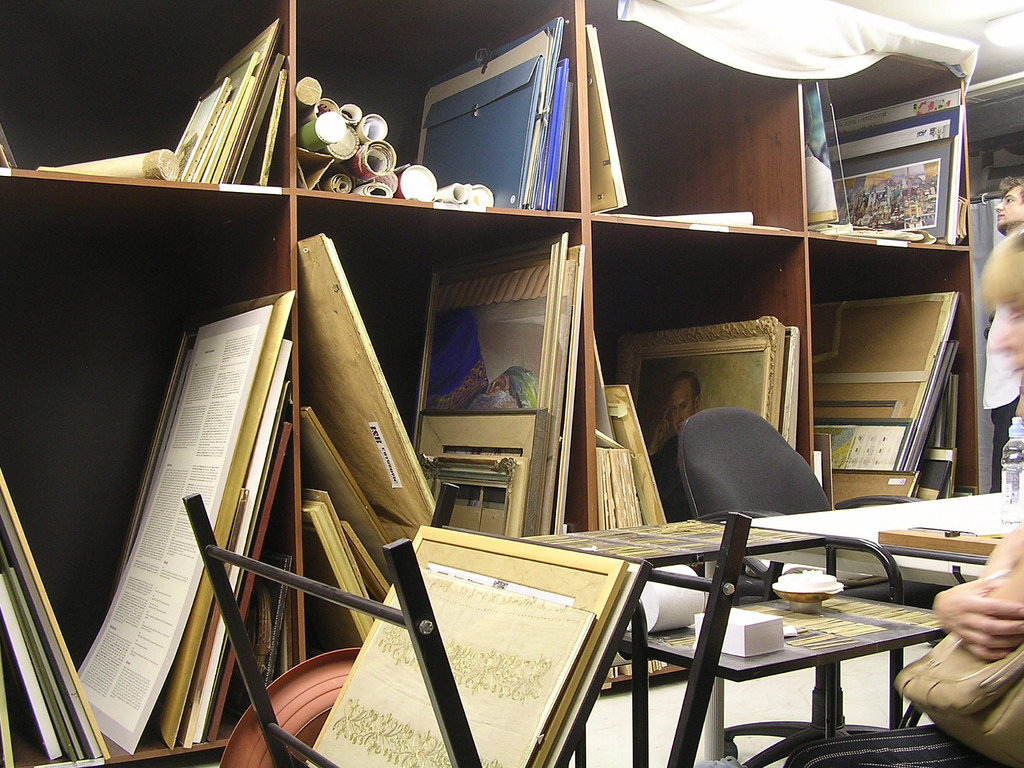
The hidden artworks that are "right under your nose"
A little under four months ago, the Diputación de Sevilla took charge of an art outreach initiative closely tied to the idea of hidden art. The people running the institution decided to tell residents and visitors exactly where to find some of the artworks by major painters such as El Greco or Zurbarán.
Artworks that aren't shown in museums usually come down to two reasons: either there's no room to exhibit them, or they don't fit the spirit or the aims of the gallery.
These artworks were in different corners of the city of Seville, and plenty of locals and travellers had no idea they were standing in front of pieces by very important artists without even noticing. One example is El Greco's La Magdalena Penitente, a must-see piece that, until now, almost nobody knew was in the Parroquia de San Eutropio in Paradas.
Why don't museums show all their artworks?
Hidden art comes down to one simple reason: most galleries and museums acquire part of an artist's output and in some cases they find that the space they can devote to it is more limited than the number of artworks. In fact, it's common for these hidden artworks to be part of secondary exhibitions and to be lent temporarily from the big museums to smaller ones.
In some cases, not to say in a hundred per cent of cases, museums prefer to keep the artworks out of the exhibition and choose not to lend them to other exhibitions and museums for a very logical reason (if a somewhat tragic one for art lovers). It's that hidden artworks require shipping and maintenance costs during transport that add up to far too big an expense.
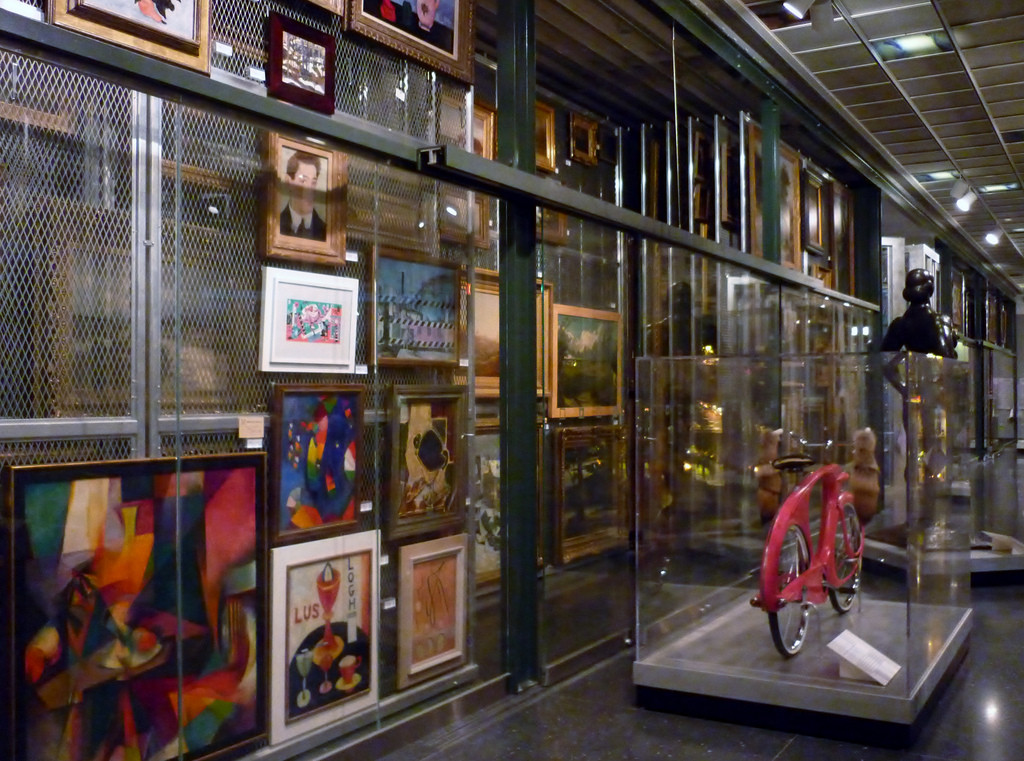
If at the Louvre we miss out on roughly 8% of its holdings simply because they take space away from the collections or are thought not to be interesting enough for the art viewer, the Musée d'Orsay is one of the five museums in the world most famous for the number of artworks it lends to other museums around the world for their exhibitions.
The truth is that a museum rarely manages to include every artwork it owns.
So don't be surprised if you turn up hoping to see one of Van Gogh's many artworks or some of Guillaumet's best known paintings and find that they've been sent to another country to be enjoyed there. In London, the Tate doesn't escape either, showing 20% of its total holdings.
MoMA and its (bad) habit of hiding paintings in its exhibitions
Imagine you get to MoMA (the Museum of Modern Art in NY) and during your visit you find a temporary Picasso exhibition. Now let's go further: you find out that there are 25 paintings in the exhibition while the museum has a total collection of more than 1,200 artworks by the artist. That's exactly what happens at this museum, where around 20% of the total holdings are on display.
The case of the Guggenheim Museum in NY
These days, nobody can picture a Rembrandt hidden in a museum's box room. Really? After a Joan Miró mural turned up in 2003 behind a false wall in this iconic NYC museum, hidden art became a concept with renewed importance. The artwork had been out of the public eye since 1965 for reasons of space.
" 97% of the museum's holdings stay hidden and are rotated with the temporary exhibitions"
With an exquisite sense of timing, the Guggenheim Museum's management took advantage of the 2003 news to bring to light another 130 artworks that had stayed hidden for decades. And according to the museum's spokespeople: " 90% of the museum's holdings stay hidden and are rotated with the temporary exhibitions".
The Prado Museum, or how to offer a look at the "back room of art"
https://www.youtube.com/watch?v=KgAMVuNc2-gThe Prado's case is very interesting too, since in 2010 there was an open call for a guided tour of that "other museum" packed with artworks that still haven't been restored, conserved and included in a collection. And it was at the end of 2015 that five paintings and four lithographs by the artist Plácido Arango were shown for the first time. He had donated 25 paintings, of which 14 artworks remain unexhibited, that is, more than 60% of what the artist handed over.
For the more romantic among us, the existence of hidden art means there's a whole universe of artworks waiting to be discovered behind the walls of those museums we know so well.
In many cases, the costs that come with the arrival of an artwork run into hundreds of thousands of euros, and when the museum can't cover them an "attic effect" kicks in, which means that some genuinely important artworks end up hidden under layers of dust, in the best of cases. For the more romantic among us, the existence of hidden art means there's a whole universe of artworks waiting to be discovered behind the walls of those museums we know so well. Of course, public museums take part in this trend far more than private ones.
What did you make of what we've told you about hidden art? Did you know it existed? Either way, we invite you to catch up on the news about the best exhibitions (even if they're not hidden art). Take the exhibition Rescatando a Georges de la Tour.
Images: Guillermo de Torres , ARTE OCULTO I+D , Retroclips .

Comments (0)
Log in to leave your comment. Log in