
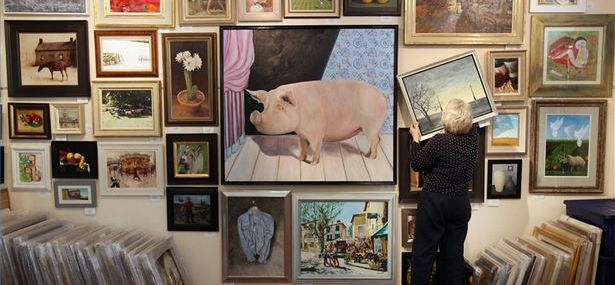
What does it take to become an art collector? We think it's something reserved for the very wealthy, but you can put together a good collection without spending huge amounts of money. And enjoy yourself along the way, which is the whole point.
A fat wallet doesn't make you a collector, only an art buyer. What defines a good collector isn't how much they can spend, but their commitment to art.
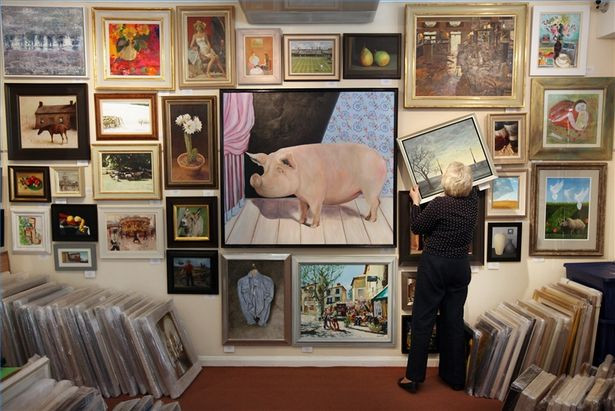
And for that you need passion. Putting a collection together is quite an adventure, one you can share or take on alone, and it guarantees at the very least that you'll keep learning. A trip full of new sensations and infatuations that can be hugely rewarding as a personal project.
Collecting art is also a profitable and safe investment in this climate of economic uncertainty, with plenty of room to rise in value.
If you've made up your mind, here are seven keys to starting your collection:
1. Invest in your own education: read about art, keep up with what's new, go to exhibitions… If you're thinking about building a collection you're probably already up to speed on what's going on in the art world, but keep at it. And not just about the market. Learn about techniques, genres, formats… Train your eye. That alone makes you richer.
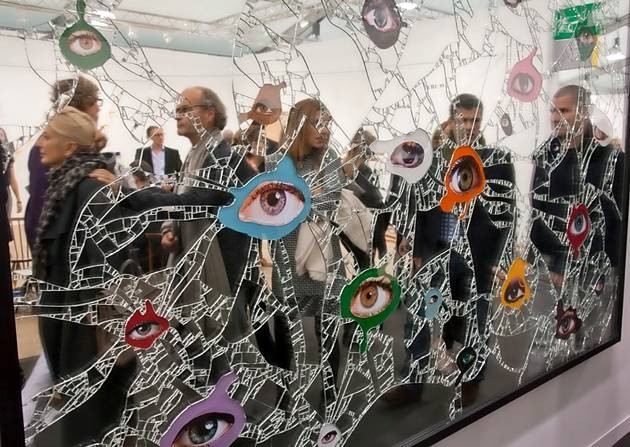
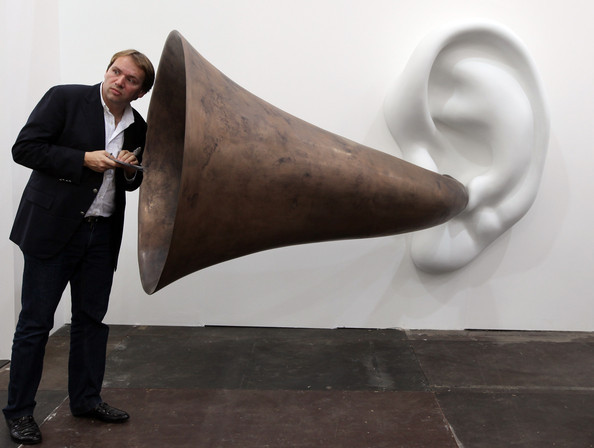
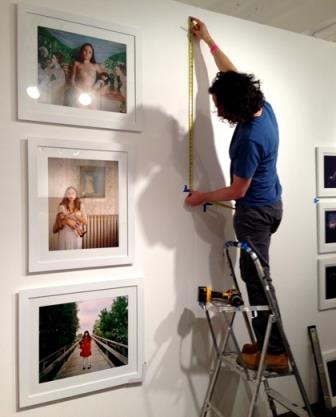
4. Don't buy on impulse: fine, buying art is a matter of feelings and emotions. Of seeing yourself reflected somehow in the artwork. But don't get carried away by love at first sight. Think it over and do your research. Check the price to make sure it's right. If it has been exhibited, that gives the piece more value. Online you have tons of information about the artist and what their work goes for. And remember that a high price doesn't always mean a better artwork.
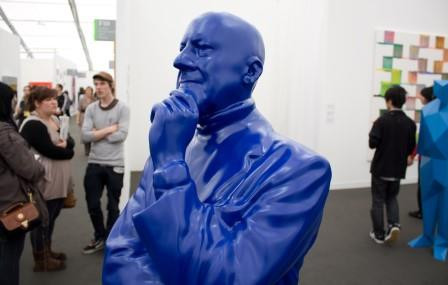
5. Get to know the artist: look at their CV and career, their exhibitions, prizes, whether other collectors have taken an interest in them… but also at what they have to say, at whether you can build an emotional relationship with their work. Betting on an artist who isn't established yet can be very satisfying. Supporting the art being made in your own time adds that extra bit of commitment that marks out good collectors.
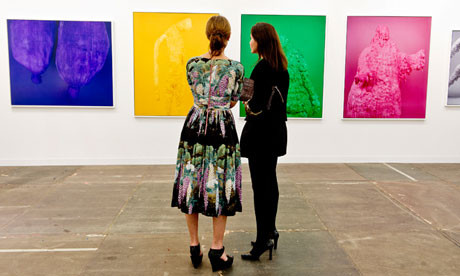
6. Love at second sight: once you've decided to buy an artwork, think about the practical side: whether it fits in your surroundings. It's not about decorating your house, but about how it's going to look in it, whether it will reflect you, your story, your time… so that every time you look at it you fall in love again.
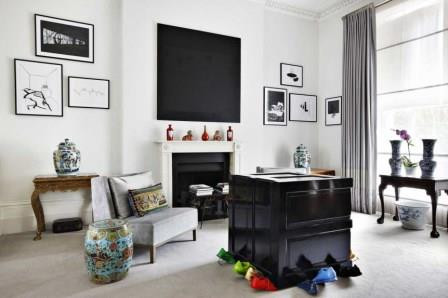
7. And above all, enjoy it: collecting isn't just investing in art, it's also investing in yourself, in your own development. If you connect with an artwork it's very hard to go wrong. The biggest mistake you can make is buying something you don't love.
Are you a collector? Are you thinking about starting to collect art? Can you think of any advice to add to the list? Tell us!


Comments (26)
Lidia velasco
March 3, 2021Mae de la Torre
February 2, 2014carlos alberto reyes cantillano
February 1, 2014JOSE LUIS
January 31, 2014Julio
January 30, 2014LETY
January 30, 2014COLECCIONAR ARTE CONTEMPORANEO DE Adam Mindemann. Ed. Taschen
cuenta con muchos consejos de los principales protagonistas del mercado del arte, empezando por el artista, el critico, el galerista, el asesor, los coleccionistas, casas de subastas, los museos, directores y comisarios, también cuenta con términos imprescindibles que debe conocer un "Buen Coleccionista". A disfrutar el Arte.
Ramón Mourad
January 30, 2014Donald Monsanto
January 29, 2014israel
January 29, 2014Me olvidaba, trata de cambiar obras con tus amigos, es un buen comienzo.
DANIEL LEVY POLICAR
January 29, 2014Log in to leave your comment. Log in