
Brave, committed, creative... the photographers of the legendary photo agency turned the concept of photojournalism on its head and made an art of it. A show recreates the first exhibition of its members' work, thanks to the discovery of a suitcase holding the images that made it up
The legendary Magnum agency was born in 1947 in New York, as a cooperative of photographers built on two principles: to invent a new way of doing photojournalism and to be independent from the big companies, which meant total autonomy over the subjects they covered. Achieving creative freedom, in other words.
Its founders are the great names in the history of photography: Robert Capa, Henri Cartier-Bresson, David Seymour, George Rodger and William Vandivert, later joined by Inge Morath, Ernst Haas and Erich Lessing.
The first group exhibition of their work, titled The Face of Time, took place in 1955 in Austria, when the agency was still building the myth it has become. The Fundación Canal in Madrid now lets us relive that moment, reproducing the Austrian show photo by photo. Something impossible until very recently, specifically until the discovery in 2006 of a suitcase containing the images, lost after the exhibition.
The 83 artworks on display reflect the principles that made Magnum famous and marked a milestone in world photojournalism: the fusion of reporter and artist, the idea of capturing the decisive moment, and their authors' ambition to make the world a more human place through their photographs.
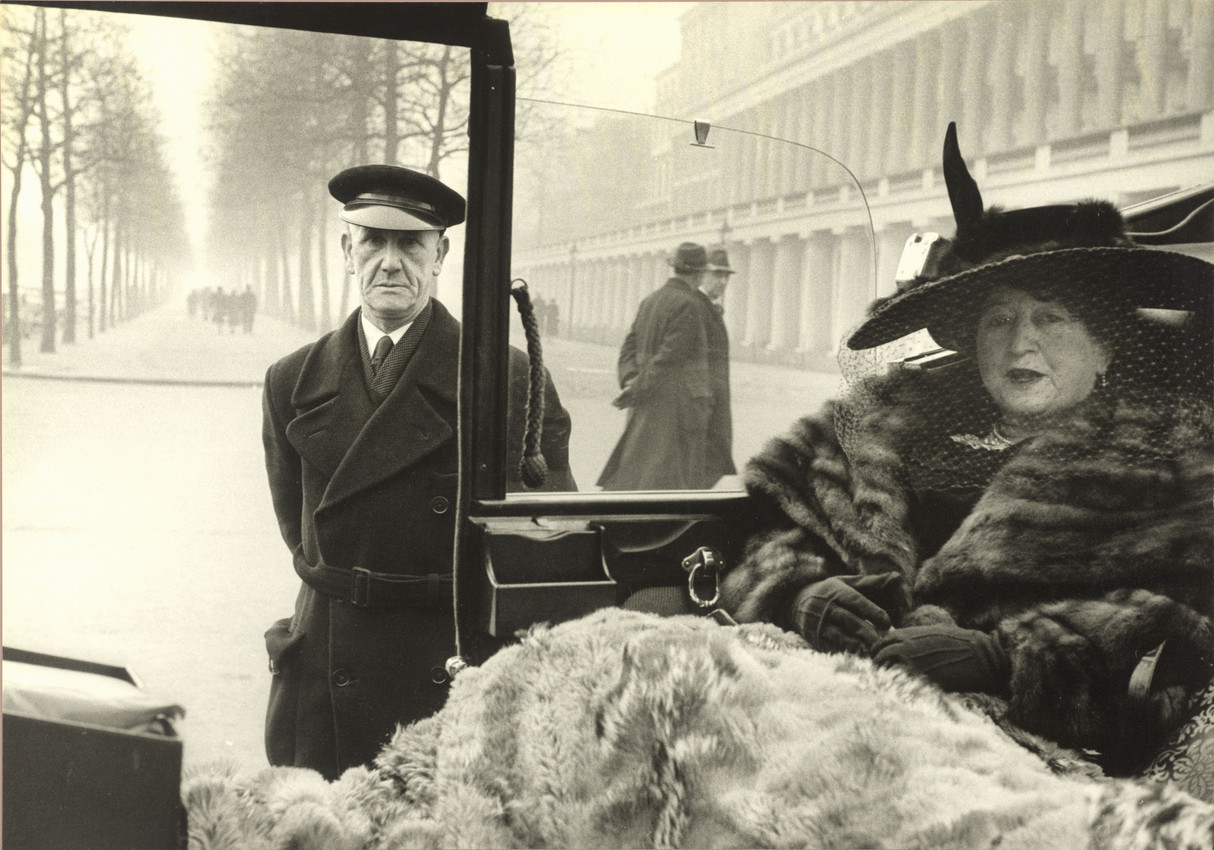
The selection of photo essays was no accident, the photographers wanted to reinforce this approach through the combination of all of them.
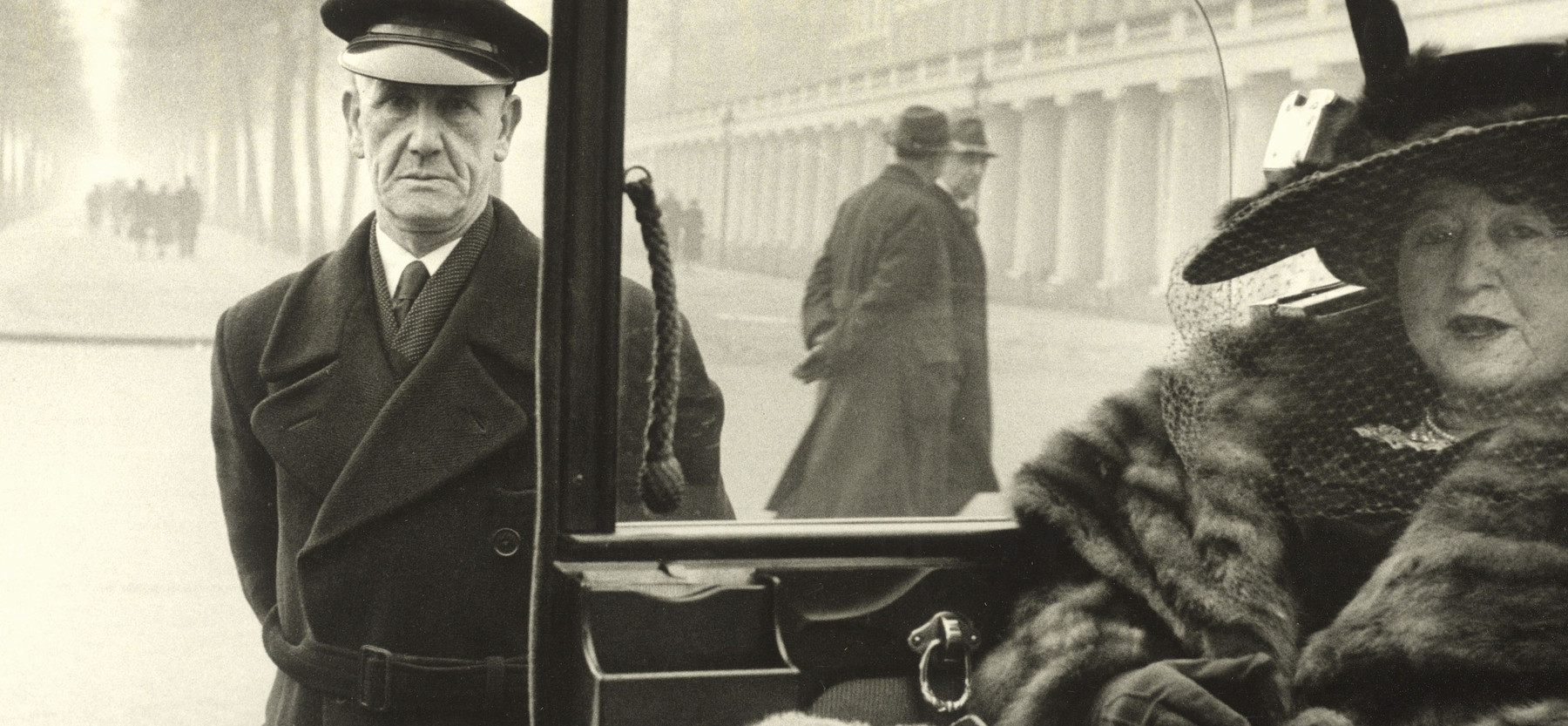
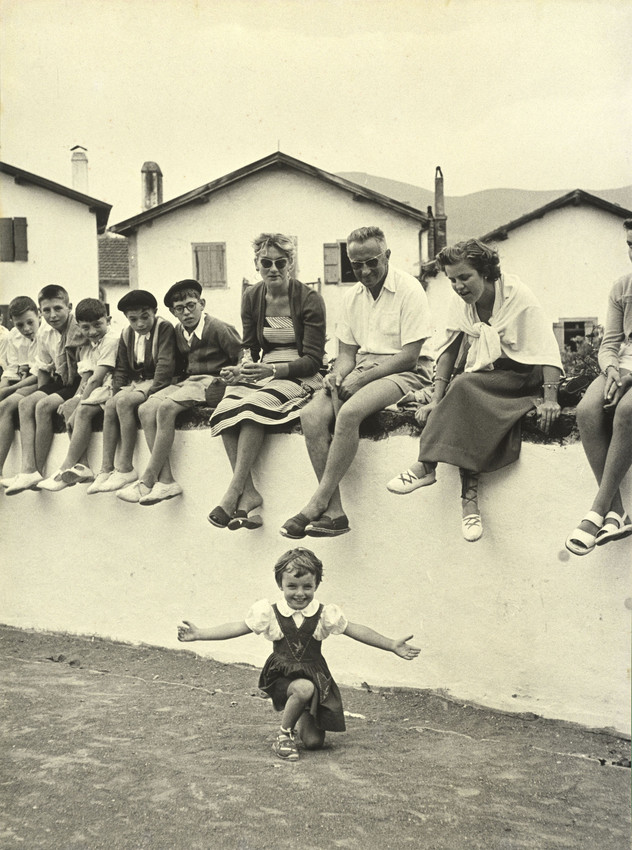
Gandhi's last days and his funeral, photographed by Cartier Bresson; a Basque festival in Biarritz in 1951, alluding to the arrival of peace in the region after the Civil War, by Capa; the city of Vienna during the Soviet occupation, by Lessing; conservatism in the London districts of Soho and Mayfair, by Inge Morath, the group's only full female member. By Haas, on the other hand, there is the series of photographs he took during the shooting of the Hollywood blockbuster "Land of the Pharaohs" (1955): exterior scenes, hugely complicated given the frequent sandstorms and the Ramadan fast, which turned the filming into torture for the four thousand extras.
Photographic series of great artistic magnetism which, without resorting to retouching or digital processes, achieve what Cartier Bresson described when he said that "A good photograph is one we look at for more than a second". In this exhibition the visitor will certainly need a lot more than that.
More information: Fundación Canal de Madrid
Until 19 February
Comments (0)
Log in to leave your comment. Log in