
Among all this autumn's exhibitions, one stands out: the first solo show devoted in our country to the Berlin photographer Marianne Breslauer (1909-2001), a fine representative of the New Photography, at the Museu Nacional d'Art de Catalunya.
Through 127 images, this exhibition opens up the whole of this original artist's work, with special attention to the photographs taken during the trip she made to Catalonia, Navarre, the Basque Country and Andorra in 1933, most of them unpublished and shown now for the first time.
A career cut short by Nazism
Marianne Breslauer (Berlin, 1909-Zurich, 2001) was a young woman from the upper middle class, of Jewish origin, with a great sensitivity for taking photographs. When Nazism began its rise in Germany, the photographer had to go into exile and take refuge with her family in Switzerland. That experience was so traumatic for her that she gave up her photographic career for good. That is why this first solo show in Spain matters so much, since most of her photographs are unpublished. Almost none of these images ever made it into print because of the National Socialist regime, as she was Jewish and refused to publish under a pseudonym.
The trip in 127 photographs
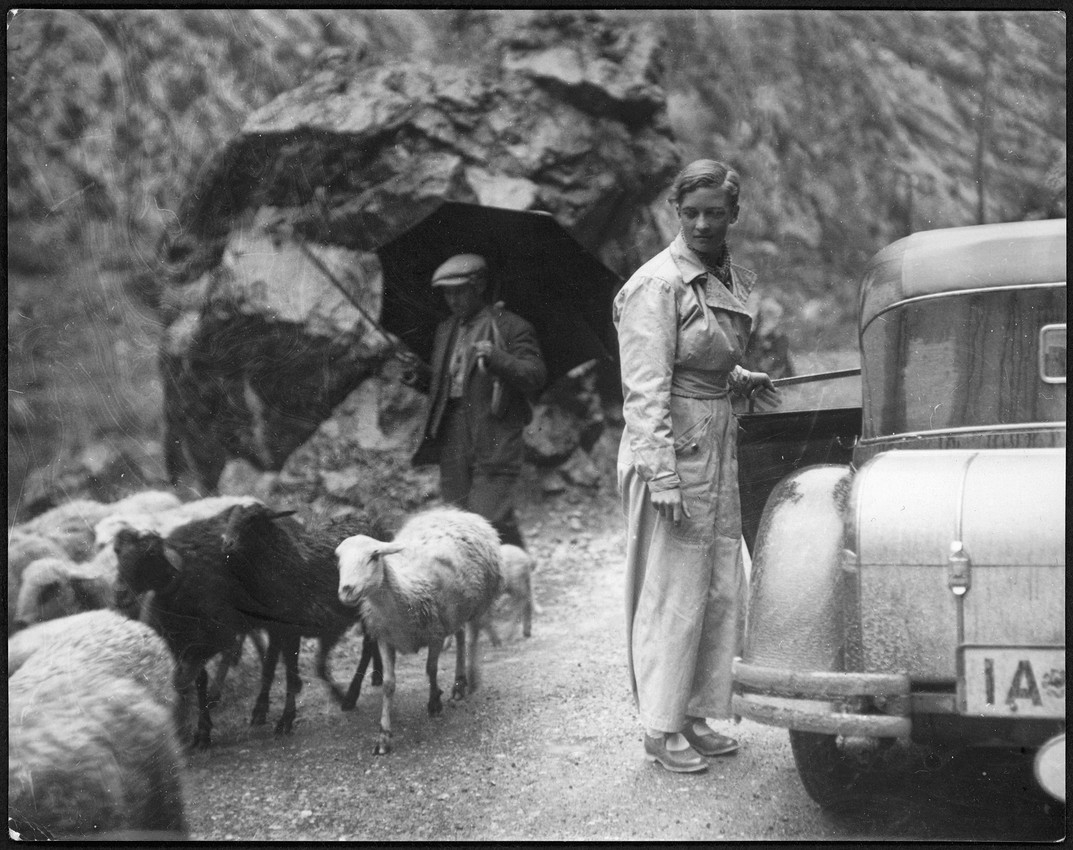
In the spring of 1933 the two women set off on a trip to Spain on a commission from the German agency Akademia. On her return to Germany, Breslauer could not publish her photographs because she was Jewish and because she refused to do so under a pseudonym, as the agency suggested.
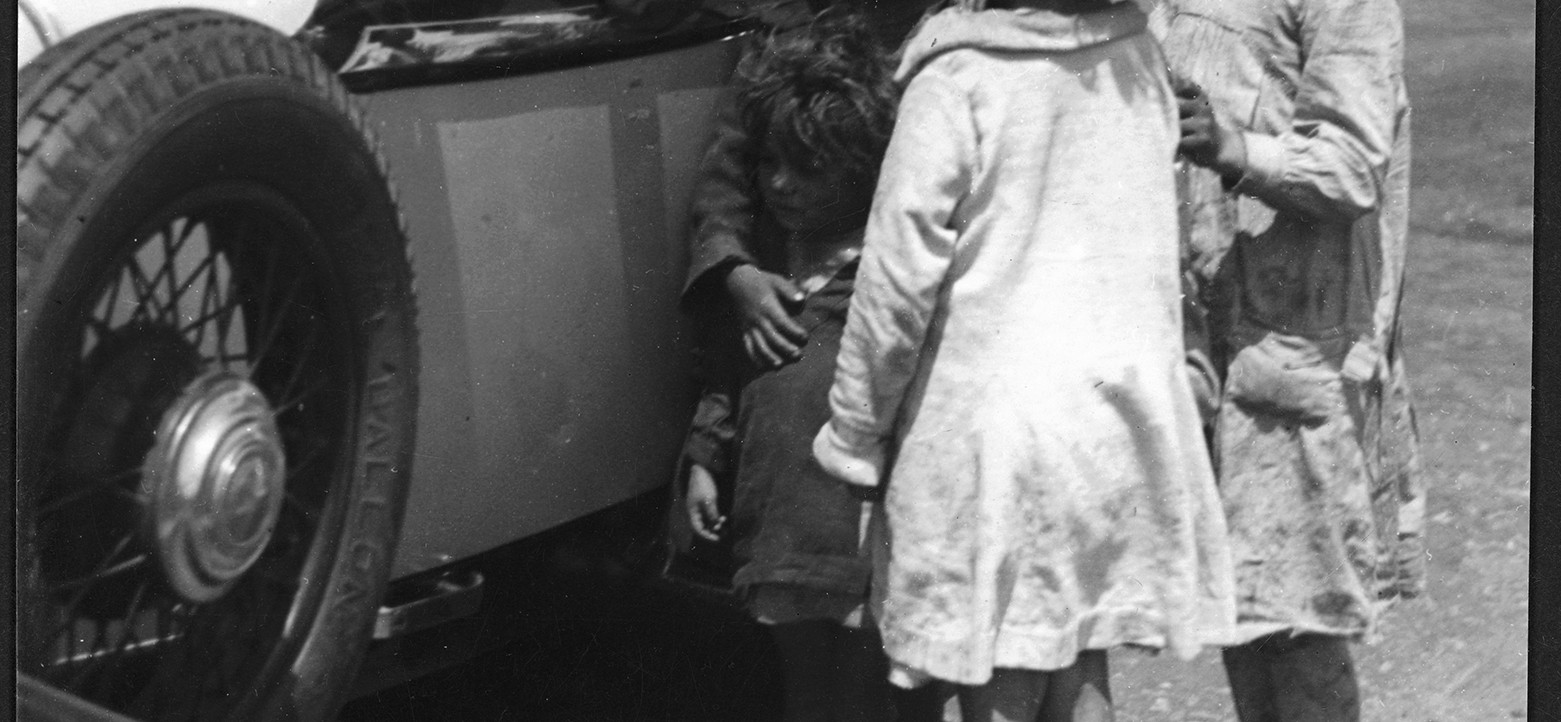
Setting out from Montpellier in a huge white Mercedes Mannheim, they travelled through places such as Girona, Barcelona, Sant Cugat, the monastery of Montserrat, Puigcerdà, Andorra, Huesca, Pamplona, San Sebastián and Loyola. Only 96 images from the trip are known, plus a dozen that must have gone astray, since they were published in Swiss magazines years later. They are photographs of everyday life in these cities, with few monuments in them, such as Girona cathedral or the façade of Montserrat, but plenty of inhabitants: children playing in the street, civil guards or young people on the beach.
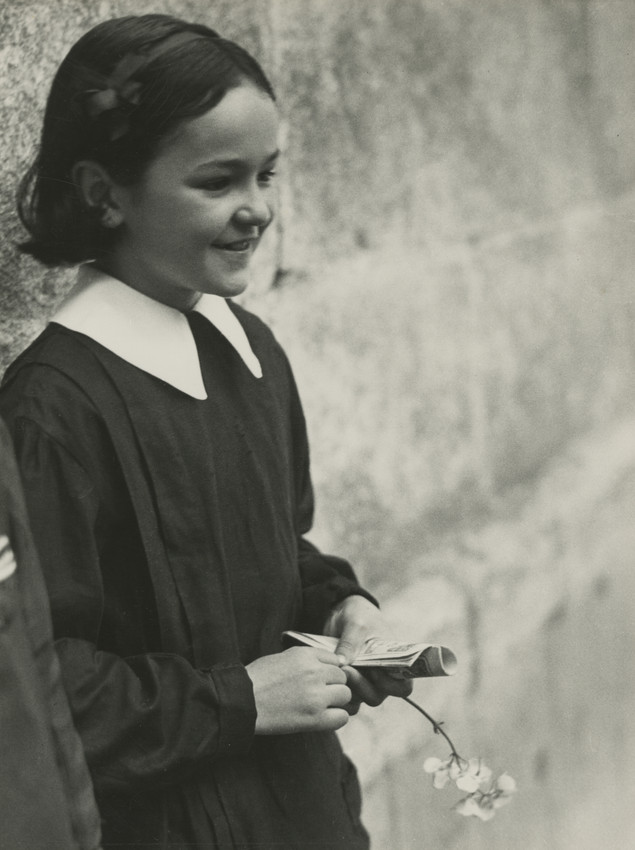
One of the best, and one the photographer liked most, is that of a girl from Girona with a serene, smiling face, wearing a convent school uniform, an image the artist used for several years as her Christmas card.
A brave woman
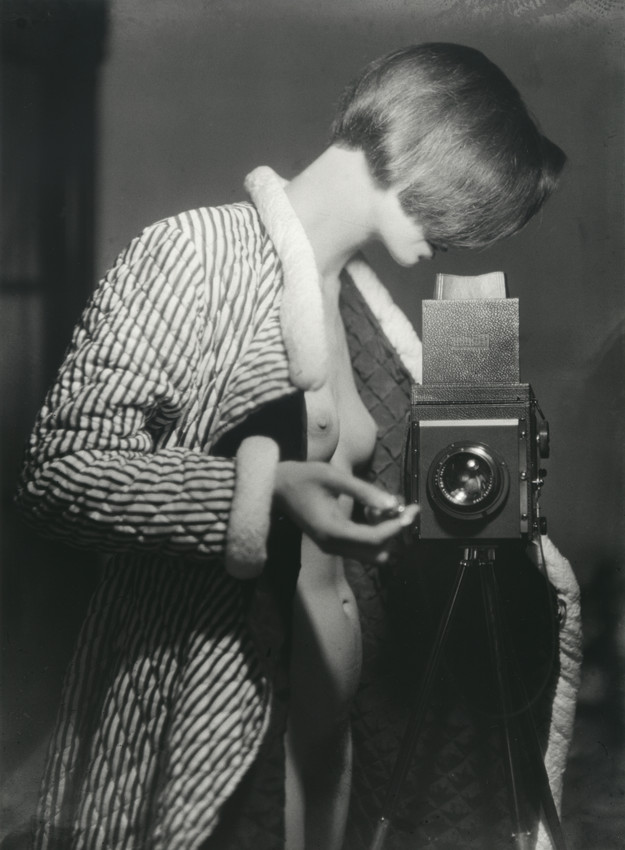
Marianne Breslauer was a brave woman who was able to photograph herself naked. "There are few photographers who photograph themselves with their cameras and naked. She shows her confidence as a woman and as a photographer", the exhibition's curator, Mercedes Valdivieso, explains to us about this fragment from Bilder meines Lebens. Erinnerungen, by Marianne Feilchenfeldt Breslauer.
Marianne Breslauer belongs to a whole generation of women who took up photography during the Weimar Republic, such as Lotte Jacobi, Germaine Krull, Grete Stern, Ellen Auerbach, Germaine Luise Krull and Ilse Bing. Although she worked as a photographer for only eleven years, between 1927 and 1938, her legacy stands out as something singular within the so-called New Photography.
Since her rediscovery in the 1980s, her work has been the subject of various studies and her photographs are held in important collections such as the Fotostiftung Schweiz, Winterthur; MoMA, New York; Museum Folkwang, Essen; Centre Pompidou, Paris; Victoria & Albert Museum, London; J. Paul Getty Museum, Los Angeles… She has also been included in group and solo shows, mainly in Germany and Switzerland, where she lived for more than sixty years until her death in 2001. The last of them was in 2010, at the Berlinische Galerie in Berlin.
The MNAC is showing 51 photographs taken during this trip, along with others taken in Berlin, those made during the months she lived in Paris, in 1929, and those she took on her travels through Italy and Palestine.
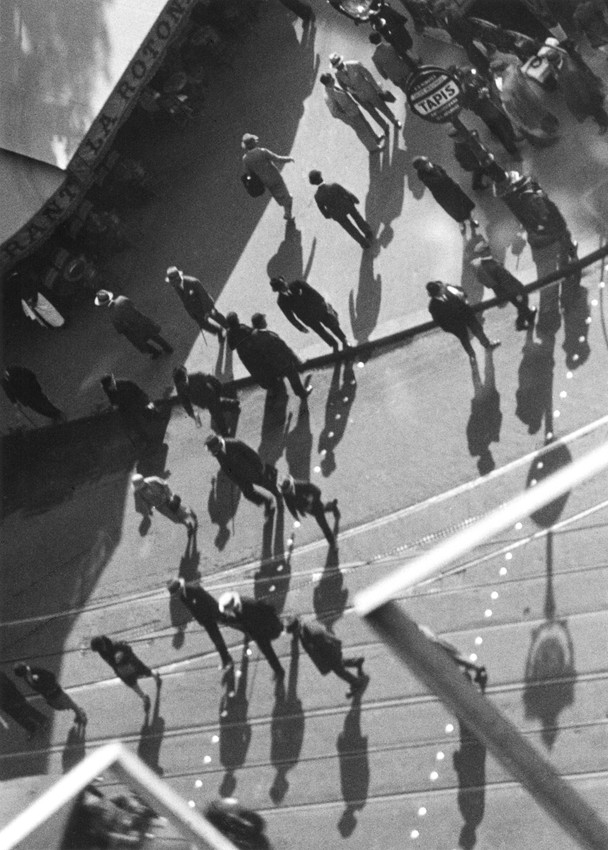
Marianne Breslauer's decisive moment
After training in Berlin between 1927 and 1929 at the school of the Lette-Verein association, Marianne Breslauer moved to Paris to work for a few months in Man Ray's studio. Along with Berlin and Moscow, Paris had become one of the centres of the so-called New Photography, the name given to the anti-pictorialist current that claimed its independence from painting. Many of these photographers came from the fine arts and were self-taught, unlike Breslauer, who had solid technical training.
The show, open until 29 January, also presents a selection of the images made during the eleven years Breslauer devoted to photography, between 1927 and 1938. Breslauer's early photographs display many of the features of the New Photography, such as high-angle shots, altered points of view, plays of light and shadow, or fragmentations in the manner of film sequences.
Marianne Breslauer's work fits within another of the great currents of the New Photography, the so-called Poetic Realism, a kind of coexistence between realism and poetry. Breslauer looks for the poetry of everyday life and of fleeting moments. The great majority of her photographs are not the product of staging, but the result of knowing how to anticipate the famous «decisive moment», a term coined by the French photographer Henri Cartier-Bresson.
Marianne Breslauer's exhibition takes us to moments of life in some Spanish cities and also introduces us to a brilliant photographer.
Comments (0)
Log in to leave your comment. Log in