
"Just as Leonardo studied human anatomy and tried to dissect bodies, I try to dissect souls"
(Edvard Munch)
Expressionism marked a before and after in the concept of art because of its founding axiom, which started from the idea that it rejected the imitation of reality and detested the contradictions of modern life. Although it was still a discipline schooled by its older sisters, surrealism and dadaism, no other current ever expressed so well the feelings of a post-war generation, devastated by existential crisis. Governments failed the people as much as society had failed these artists, who took refuge in a universe full of unintelligible pain, of a truth without logic. Welcome to the world of psychopathology, to the expressionist current.
The "Tastebreakers", or psychopathology in the artists of abstract expressionism
When James Johnson (director of the Guggenheim Museum) coined the term "Tastebreakers" in the 1950s to define the new artists, the ones breaking rigid artistic structures, he was defining a group of artists who broke the rules and who were, in the same way, broken inside. Today's existential emptiness and hedonism are nothing but the natural evolution of that dissonance between what is expected of the individual and what the individual feels.
Jackson Pollock, bipolarity and abstract expressionism
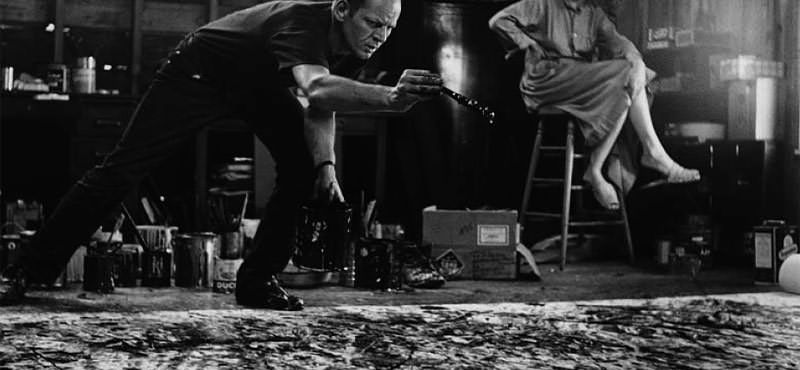
Before Munch came along, Jackson Pollock was already famous. Curiously, this great artist, one of expressionism's most treasured emblems, started painting on the advice of his psychotherapist Joseph L. Henderson, whom he had gone to see to treat an incipient drinking problem.
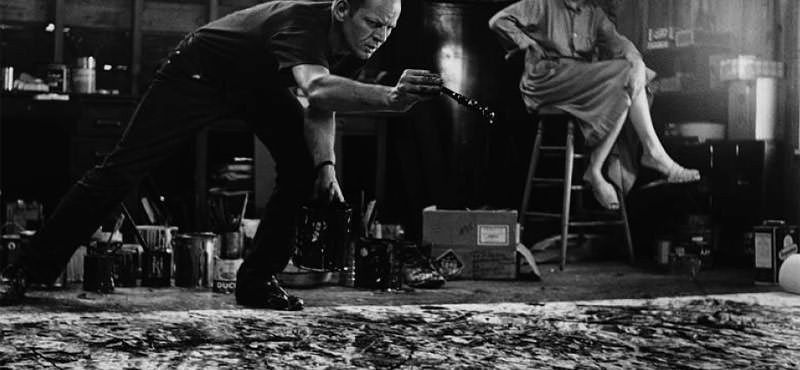
It's surprising that one of the most avant-garde artists of all time was tormented (as tends to happen in every case where alcoholism takes part in a person's life). In fact, the speculation is that Pollock suffered from bipolar disorder.
Jean Dubuffet, the thief of madmen
Dubuffet may be one of the great artists. The creator of the term "Art Brut" (or raw art) was never all that mad. Quite the opposite. He was sane enough to pay attention to what the insane were drawing in the asylums.
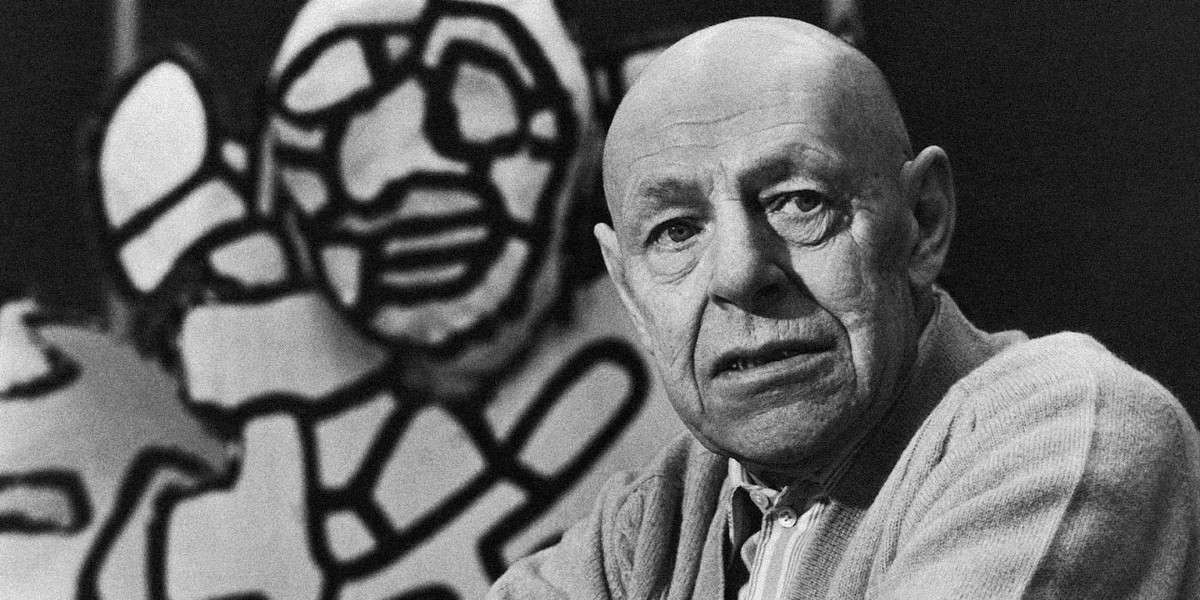
Like a wolf on the hunt, he walked the streets of Paris every night to portray the most sordid side of the 20th century French capital. Out of that came series like "Barbas" or "Dames", based on caricatured, deformed, criminal and misshapen characters.
Edvard Munch: "without fear and illness, my life would have been a boat without a rudder"
That he was an alcoholic was nothing strange in mid-century Norway. The scourge of the post-war years had left this country of fishermen, struggling to get by, in a bad way. Munch was born and raised in a broken family in which the illness of his sister Sophie was the seed of his madness (and of his genius too).
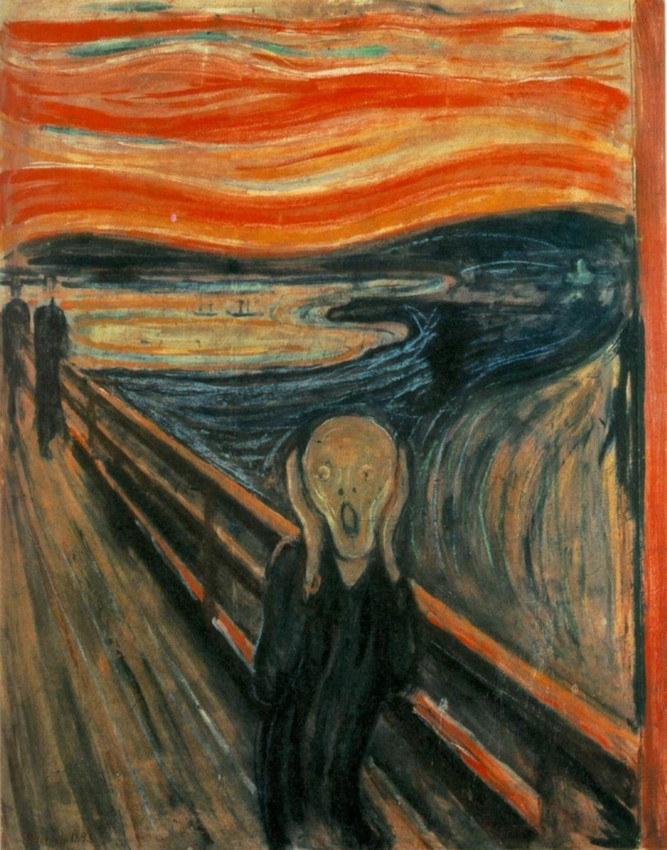
Committed to institutions on many occasions and previously diagnosed as depressive, alcoholic or suicidal, we now know that Munch suffered from borderline personality disorder and that this was set down on every one of his canvases. Anxiety (his painting of the same name confirms it), depression, anguish and pain can be felt in every one of his canvases, though if we have to remember one evocative Munch painting that, in a way, foretold his own fate, it was "Al día siguiente", in which a woman sleeps after a night of drinking.
Munch's life may have been nothing more than one bender after another, a euphoria followed by a depression (or perhaps a depression followed by an even bigger one?). Either way, his psychopathology was so entwined with his genius that his work was not a reference to his life, rather his life and his work blur and melt into each other.
Did the painters of the expressionist current really reflect their own psychopathologies in their work?
We'll take a line from the writer Stefan Zweig to answer this question: "creating is a continuous struggle between consciousness and unconsciousness. Without these two elements the artistic act cannot happen".
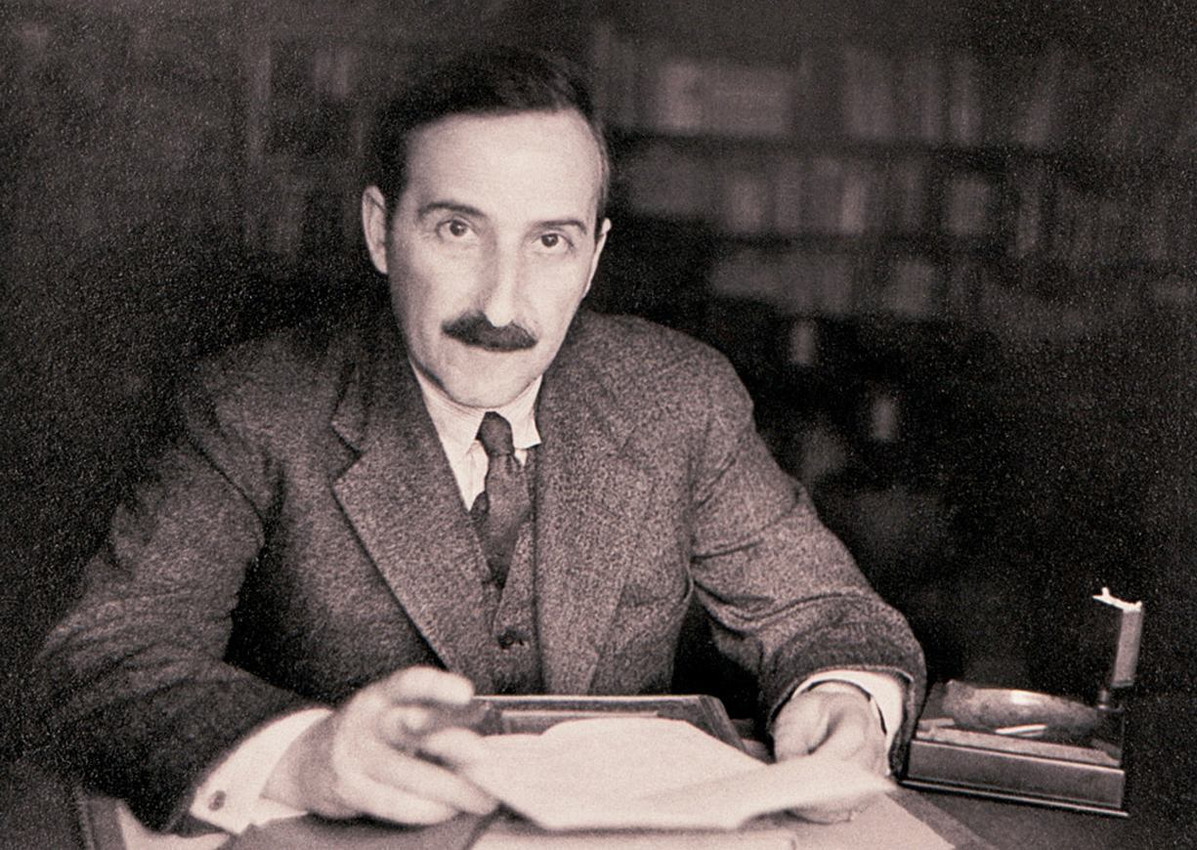
And the thing is that, according to the references of a study linking creativity and pathology, we find that all creative people share certain traits: confidence, courage, flexibility, the ability to make associations, intuition, imagination, a critical eye, curiosity, a protective feeling, ease, freedom, enthusiasm, depth and tenacity.
Added to that are the testimonies of some psychoanalysts, among them Rank: "(artistic creation) is mediated by the need to make oneself immortal, out of the fear of death". Let's not forget that all these great artists of expressionism and, especially, of abstract expressionism lived in turbulent times. They were surrounded by death, degeneration and poverty.
Was it the degeneration, the death and the poverty around them that pushed them to flee a surreal reality in order to express nothingness, the sense of "om"?
It's possible, although, unfortunately, all we can do is keep enjoying their work and whatever is left to us of their biographies.
Do you agree with this article about psychopathology and expressionism?

Comments (1)
Nelson Del Rio
November 24, 2016Log in to leave your comment. Log in