
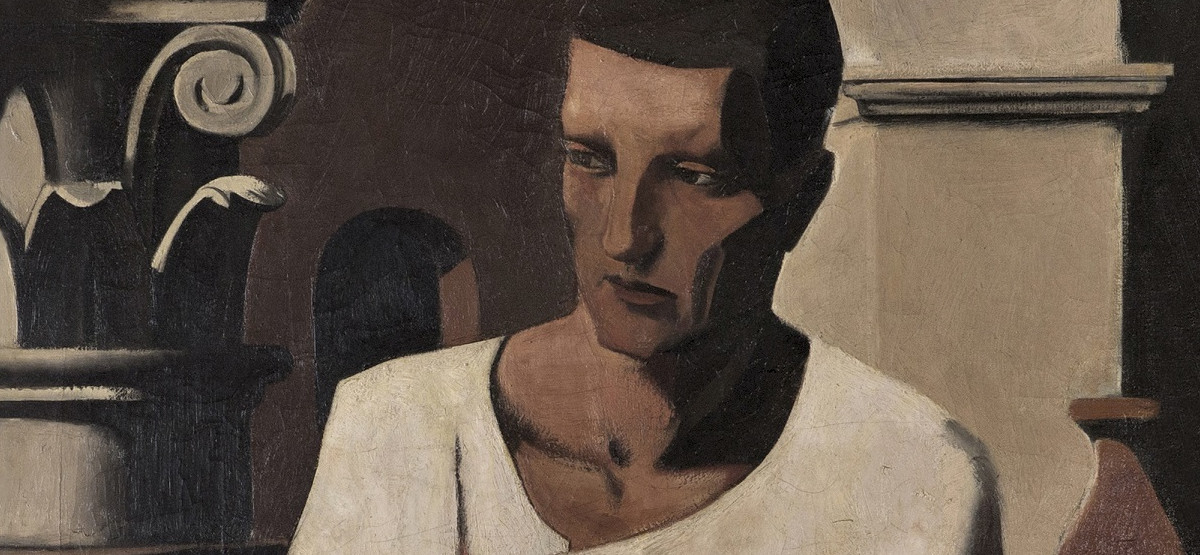
“He is perhaps the greatest artist of the moment, and you're not realising it”. Two years before the death of Mario Sironi (Sassari, 1885 - Milan, 1961), the Italian painter received the highest praise: the greatest genius of the 20th century pointed to him as the best of his time. But Sironi died forgotten and disowned despite the praise of a certain Pablo Picasso. His past ties to fascism and to Mussolini shaped the course of his life after the regime fell, including his daughter's suicide in 1948.
“Fascism is a way of life, no formula will manage to express it fully, and even less to contain it (…) in the Fascist state art must have a social function: an educational function (…) The style of Fascist Painting will have to be ancient and at the same time brand new”. The year is 1933, Mussolini at his height and much of Italy given over to fascism as an ideology and a “way of life”. And Mario Sironi sets himself up as the spiritual leader of the regime's painting through these and other statements published in the magazine Colonna. But how did Sironi reach this point of no return?
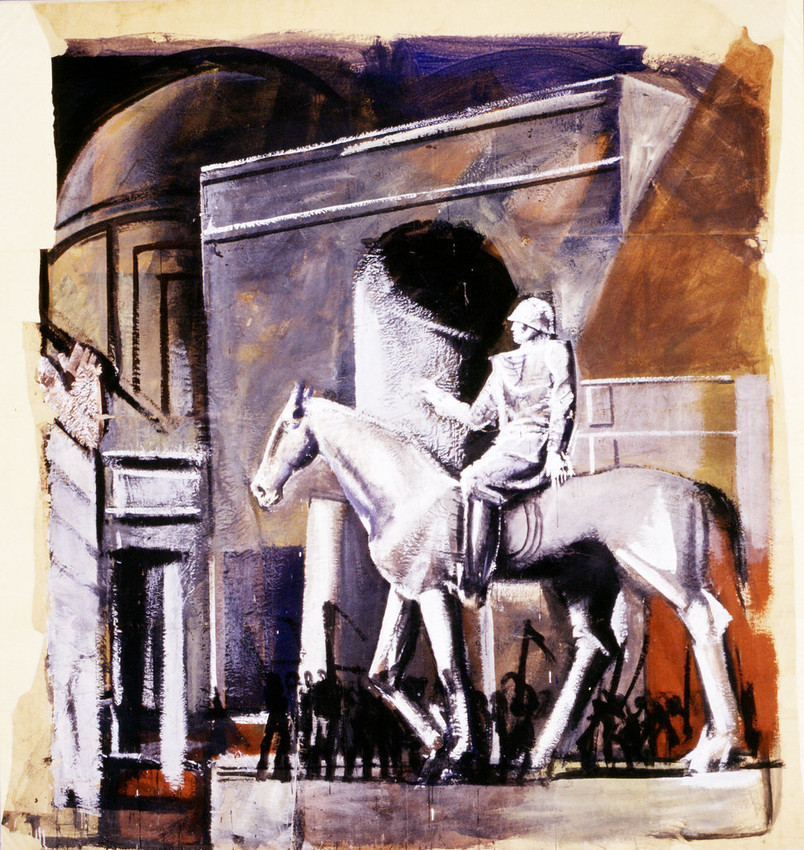
It's the first decade of the 20th century and Italy is watching with fascination the pictorial revolution arriving from Paris. Straight after, Marinetti publishes his Futurist Manifesto (exactly a decade later Marinetti himself will also publish his Fascist Manifesto) and Italy already has its avant-garde. But futurism draws mainly on the technical findings of cubism, “exotic influences” or "imported isms” as Lino Pesaro, gallery owner and a key figure in the founding of the Novecento, would define it, and the following generation of artists, among whom Sironi stands out, aspire to “a return to order” and to a national and nationalist art, an art “purely Italian”, again in Pesaro's words.
That “purification” can be read two ways: ideological, tied to fascist racialism, and pictorial, inviting artists to turn away from foreign influences and recover Italy's historical art: from the Etruscan mosaic to Renaissance painting.
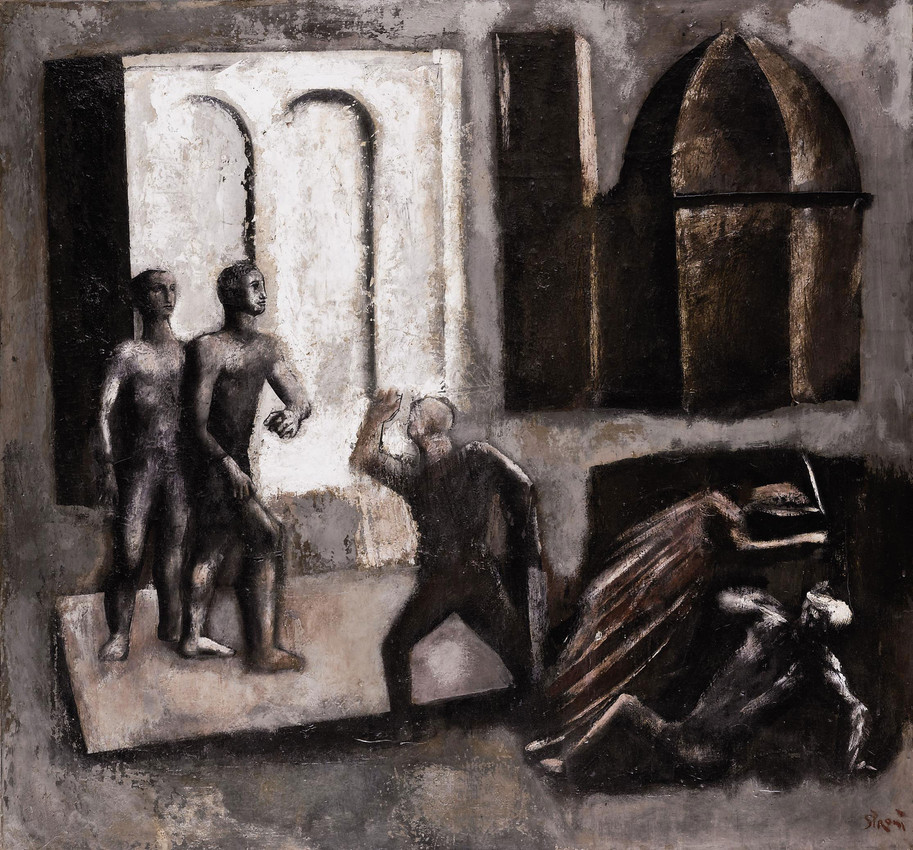
Once past his first futurist phase, Sironi joins the Novecento, a term coined by the critic A. Bucci in 1922, a year before the exhibition that fired the movement's definitive starting gun with the opening at the Galleria Pesaro of the show Sette pittori del Novecento in which Sironi took part
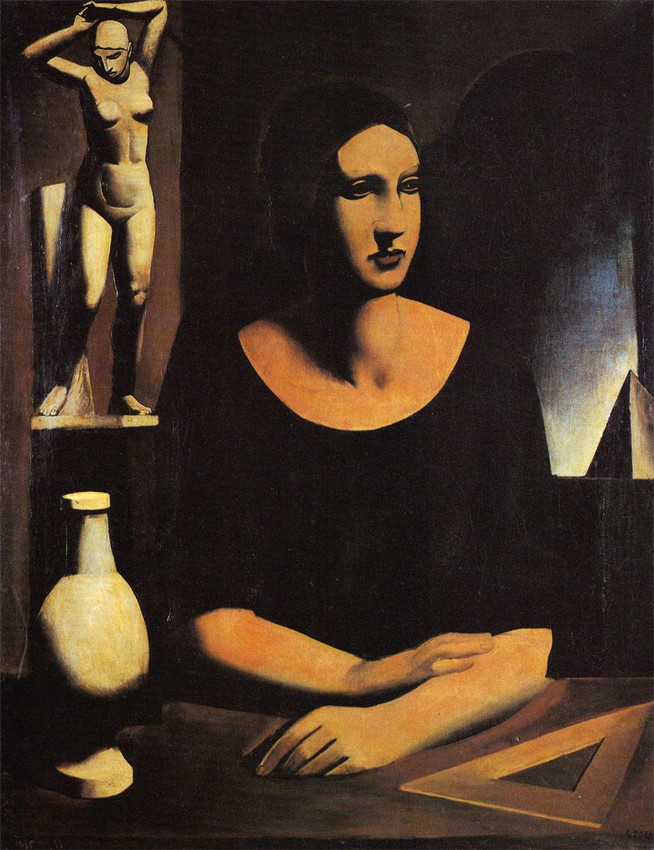
With artworks such as L’Allieva from 1924, the Sardinian painter would be chosen by the fascist regime as the best possible representative of its message. Sironi accepted the praise and from then on there was no going back for him: monumentality, serenity, gravity, formal paring down and inspiration drawn from Roman and Renaissance portraits mark Italy's official painting of the 1920s.
But there is something else in Sironi, much more than an ideological painting, something we can appreciate in his famous urban landscapes, perhaps his most inspired artworks. Influenced by De Chirico's metaphysical painting and taking references from the avant-gardes, but paring the forms right down and always with a reduced, cold colour palette, Sironi creates disturbingly lonely and threatening landscapes, as if a tragedy were about to close in on the city: or better, as if the tragedy had already happened and there were no possible way out.
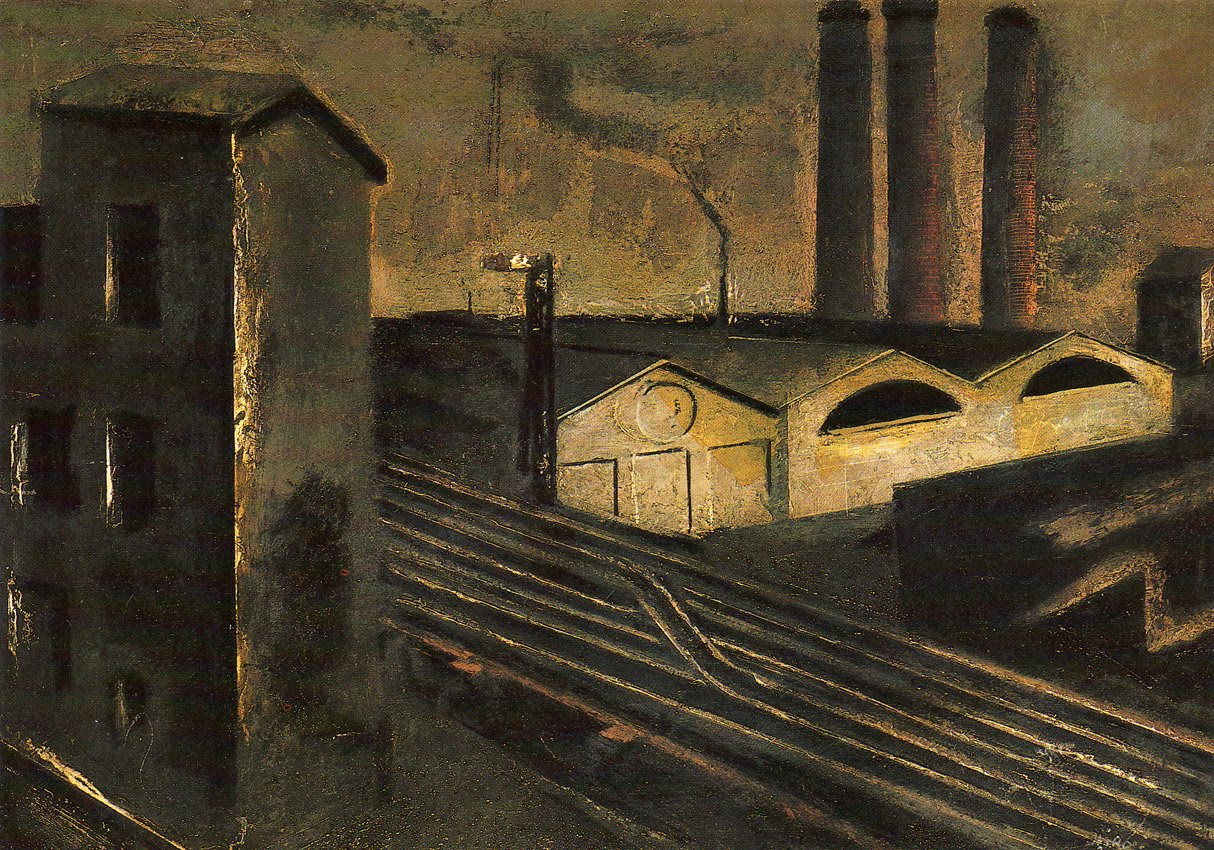
It is the denial of the futurist delirium and the confirmation of industrialisation's failure. The ideologues of the day also celebrated these artworks, which could be fitted into Mussolini's anti-worker and anti-urban politics, defending a recovery of the rural fabric. Be that as it may, Mario Sironi would keep this opaque, desolate air for years in much of his artwork.
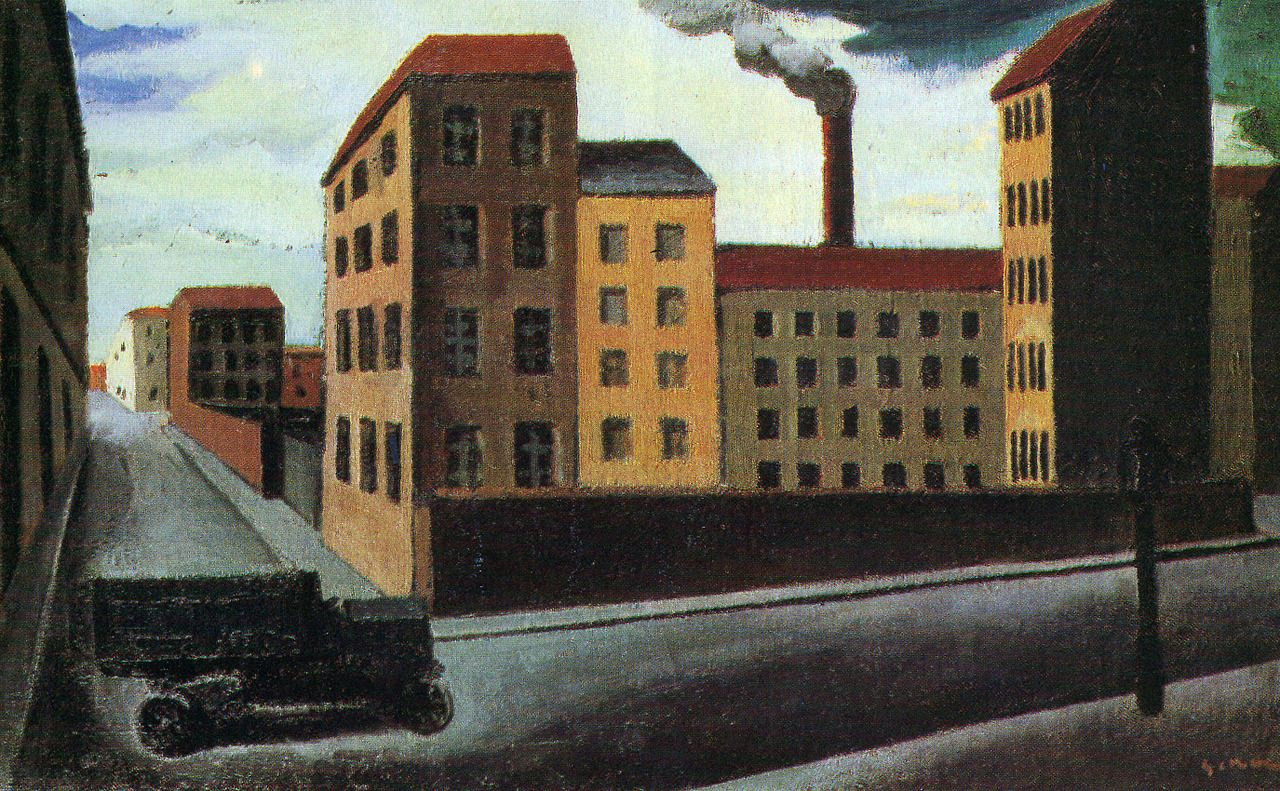
After the fall of the regime and the death of Mussolini, Mario Sironi went on painting and exhibiting but, of course, the critics and much of Italian society turned their backs on him until he died forgotten in 1961.
"His painting is a lesson in tragedy. There is no painter worth his paintings", said Gianni Rodari, writer and communist sympathiser, who marked the way for the recovery of the figure of one of the most important Italian painters of the 20th century: or, in Picasso's words, the greatest of his time.

Comments (1)
josé
November 27, 2020Log in to leave your comment. Log in