
Not everything is what it seems. Even less so with the most famous artworks in history, and learning what paintings hide is, at the very least, an exercise in understanding the context of an artwork. Below we reveal the secrets of some of the most famous paintings, the ones that have given people the most to talk about throughout history. And no, we won't be talking about La Gioconda or El Guernika for the umpteenth time.
Little Mozart, little Illuminati
AnonymousUnknown author, possibly by Pietro Antonio Lorenzoni (1721-1782) [Public domain]The undisputed genius of classical music, and one of the most precocious children ever to learn to play the piano like an angel, was captured in Pietro Antonio Lorenzoni's famous portrait. We don't know whether the Italian painter did it deliberately or not, although global conspiracy fever claims this painting is packed with hidden messages linked to freemasonry and, more specifically, to the famous musician's membership of the Illuminati clan.
The creation of Adam, or of the human brain
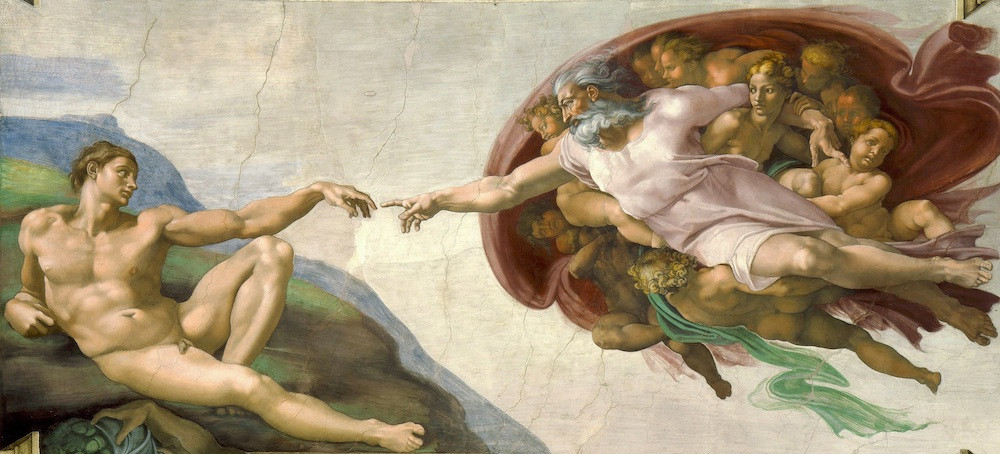
This stunning artwork, framed within the no less overwhelming Sistine Chapel (Vatican City), is Michelangelo's most famous artwork. Copied and parodied millions of times, even in popular culture thanks to The Simpsons, it is now a symbol more than a simple painting. But there's more. Or so claim the wildest interpretive theories, which argue that the God of The Creation of Adam is a representation of the human brain. Looked at that way, it's true that the cloak covering God and his angels (who could well be the thoughts or mental processes of a human being) does look quite a lot like our thinking muscle. On top of that, God's arm sticks out just the way it would connect to the rest of the body. Anyway, we'll never know.
The Last Supper, the end of the world
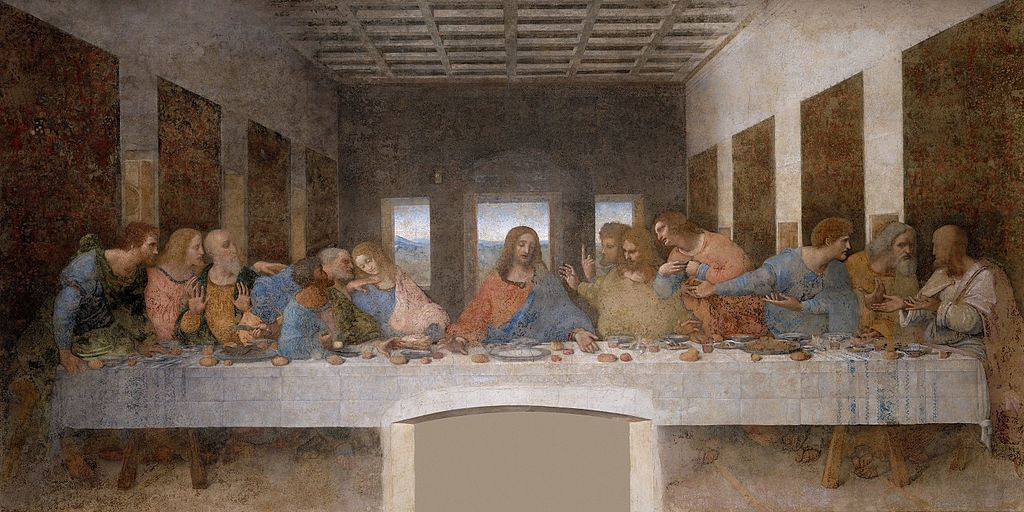
No, the world doesn't end after a dinner (although the next day it can feel like it does). But with Leonardo Da Vinci's famous painting, people have tried to unravel a code that appears to be a mathematical puzzle telling us exactly when the world will end. In theory, everything wraps up in the year 4406. Obviously, it's far more likely to be the product of chance, and that an excess of dopamine, serotonin and endorphins in some mathematician's mind has a lot more to do with this "coincidence".
The astronomical representation of Las Meninas
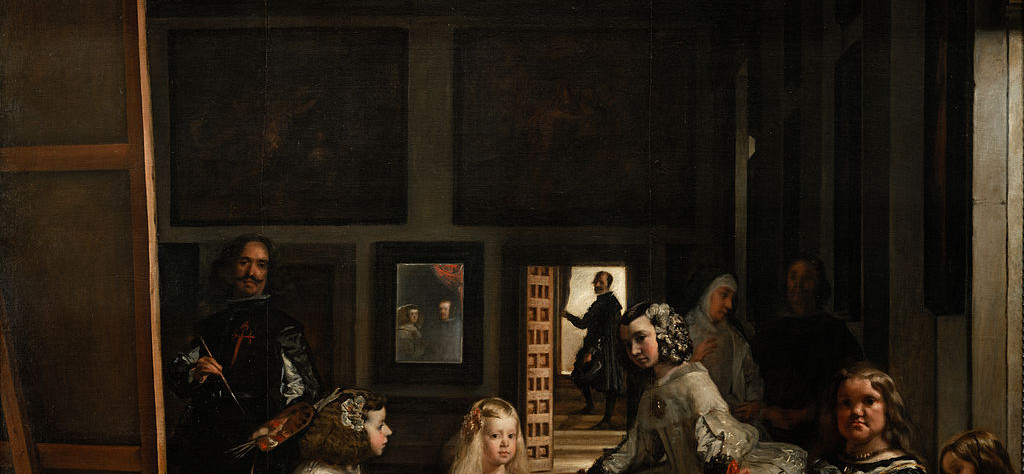
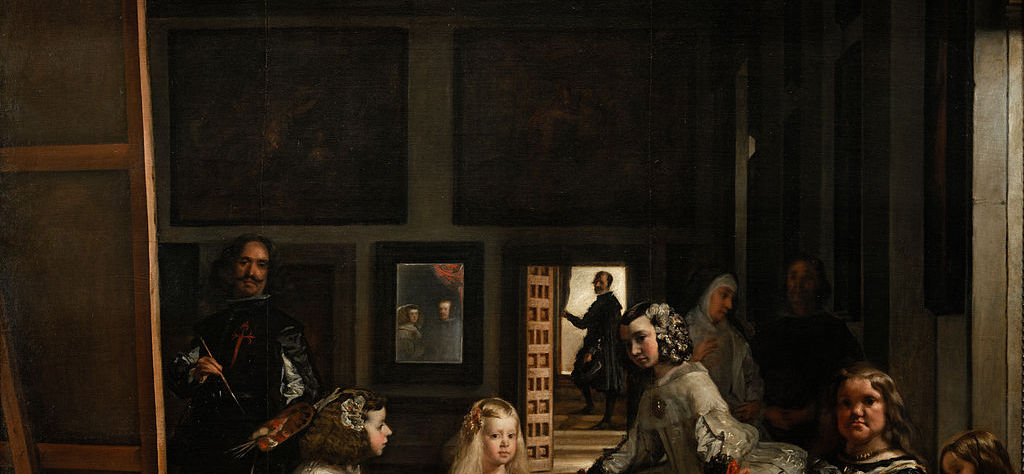
There are few paintings by Velázquez that haven't stirred up controversy but, without a doubt, Las Meninas has gradually turned into a full-blown mystery (though we're not sure how deserved that is). It's obviously an artwork worth admiring, not only for its use of colour but for its baroque character and, at the same time, for a tenebrism that emerges out of the depth of field. In short, it's a magnificent painting and that's beyond dispute but, enough for it to be an astronomical representation of the Corona Borealis constellation? According to the defenders of this theory, Velázquez himself and the meninas trace out that constellation.
We don't know how much substance these theories have and, most likely, we never will. Hence the mystery, hence the fact that there are human beings capable of devoting their lives to it.


Comments (1)
Mary
May 3, 2021Log in to leave your comment. Log in