
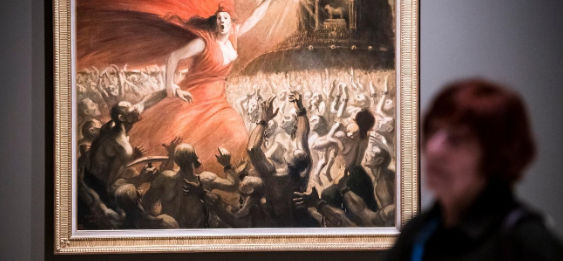
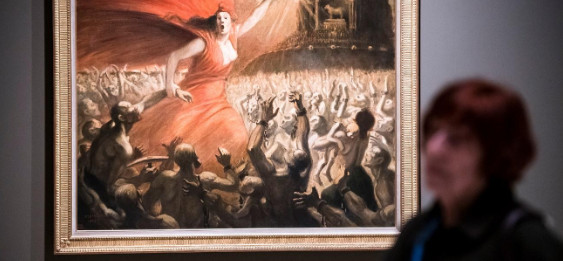
Until 17 May you can enjoy in Madrid the exhibition Toulouse-Lautrec and the Spirit of Montmartre at CaixaForum Madrid. A chance to discover the bohemian Parisian neighbourhood of Montmartre through the artist's paintings, drawings, posters and illustrations and also to get to know his artistic output alongside that of his contemporaries in late 19th century Paris.
Toulouse-Lautrec was an artist who stood out for trying to capture the nightlife of 19th century Paris in his paintings. Born in the southern French town of Albi in 1864, at the age of thirty, in 1894, he went to live in the Montmartre neighbourhood, a marginal and dangerous area away from Paris. His fascination with the nightspots led him to visit them constantly and to become a regular at some of them such as the Salon de la Rue des Moulins, the Moulin de la Galette, the Moulin Rouge, Le Chat Noir and the Folies Bergère.
Unlike other Impressionists who focused on landscape, he preferred to reveal the world of the Paris underworld. Actors, dancers, bourgeois people in their daily lives and prostitutes were his best models. The cabaret owners asked him to draw posters to promote their shows and he never stopped drawing everything he saw during his long nights in these venues.
The artist was a close friend of the dancer and prostitute Louise Weber, known as "la Goulue” and as “the Queen of Montmartre”, whom he drew dancing the Parisian cancan, the fashionable dance of the time in which the leg and the skirts went up. He skilfully portrayed the lives of these women and the atmosphere of the cabarets, and with that he brought to light part of the hidden history of the Paris of the time.
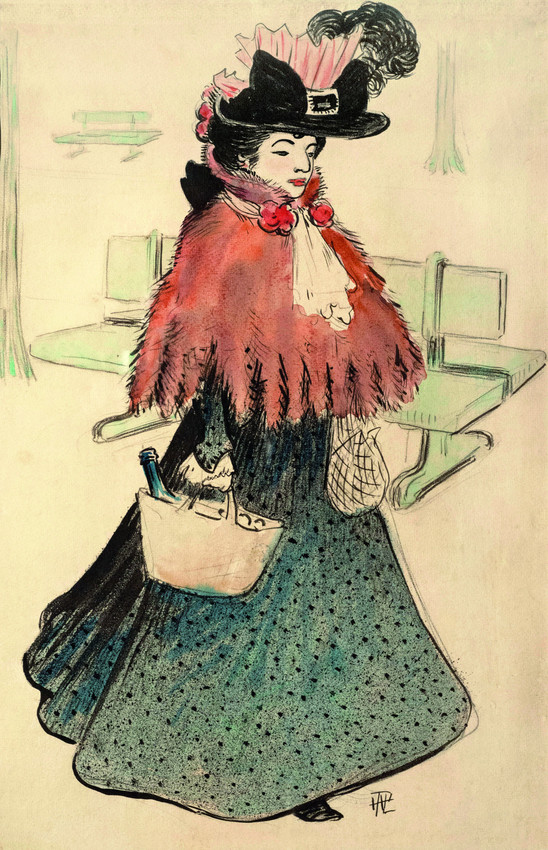
Besides Henri de Toulouse-Lautrec, other artists such as Vincent van Gogh, Jean-Louis Forain, T. A. Steinlen, Pierre Bonnard and Édouard Vuillard also contributed to this flowering of a groundbreaking artistic movement. The writers Émile Goudeau, Alphonse Allais and Alfred Jarry and the musicians Erik Satie, Vincent Hyspa and Gustave Charpentier were also part of this group of artists
Many arrived hoping to live off their artistic activity while spending little in a neighbourhood far from the bourgeois centre of the French capital. In Montmartre they could find inspiration for their creations in the atmosphere of the cabarets, the theatres, the café-concerts and the circuses. A bohemian neighbourhood that became a symbol of the avant-garde aesthetic of the time.
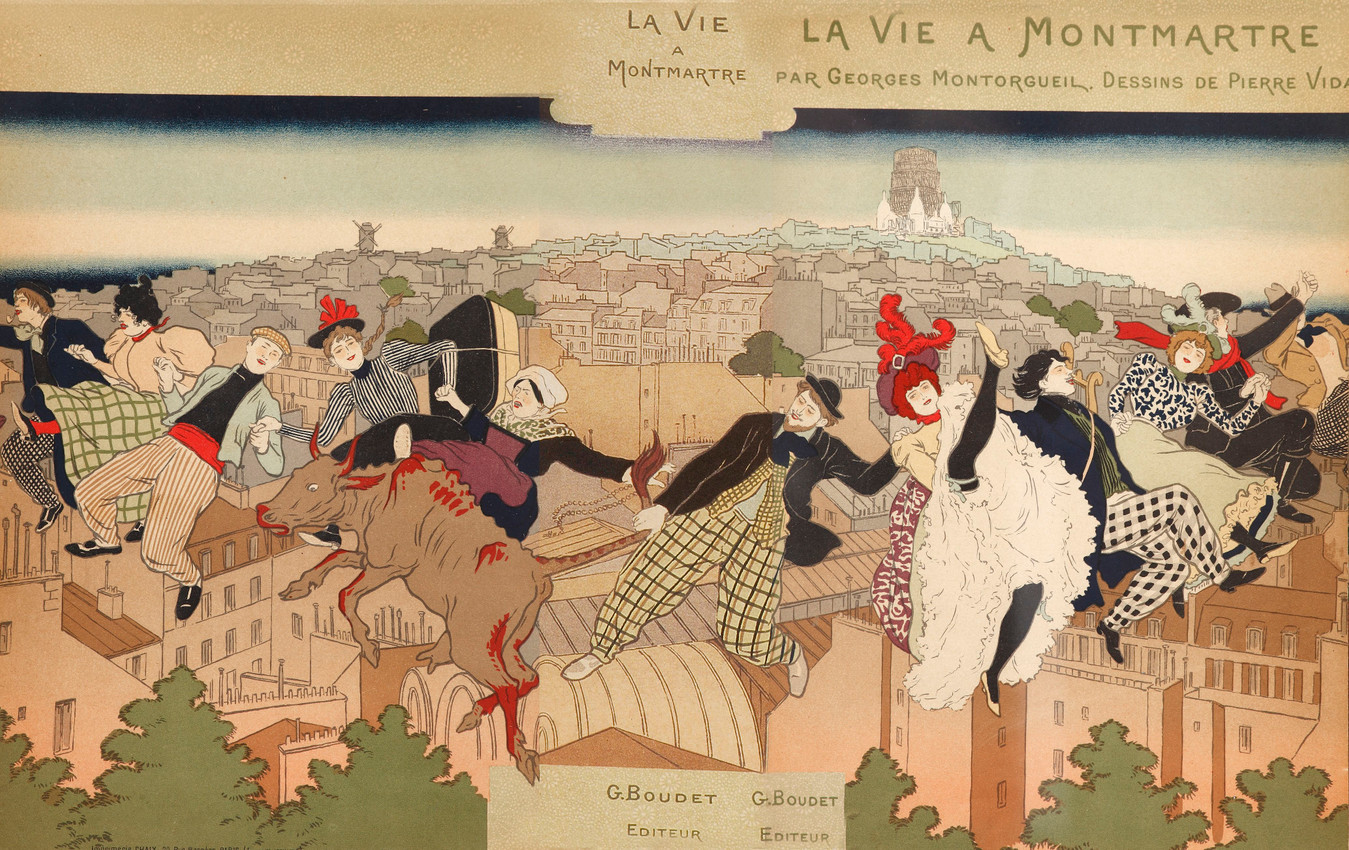
More than 350 artworks in the exhibition
This carefully put together exhibition, which consists of more than 350 artworks with international loans from public and private collections. A multidisciplinary show that helps us understand the role the spirit of Montmartre played in the development of modern art, and the way Toulouse-Lautrec and his contemporaries influenced the evolution of later artistic production. Thanks to their posters, illustrations, prints and designs they managed to make this little-known bohemian spirit reach other audiences.
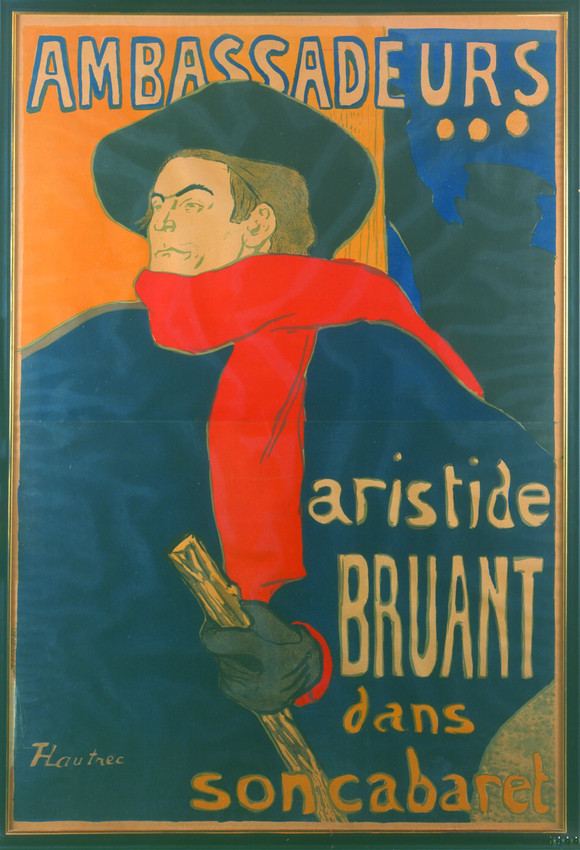
Avant-garde posters like the one by Toulouse-Lautrec in which Aristide Bruant appears in his cabaret, one of the gems of the exhibition. You can also see the artist's lithographs Programa de Un fallo de Le Théâtre libre, Moulin Rouge and La Goulue. And works by other artists such as Caricatura de Rodolphe Salis en el Chat noir by Georges Tiret-Bognet, La canción de Montmartre by Jules Grun or La Revue blanche by Pierre Bonnard.
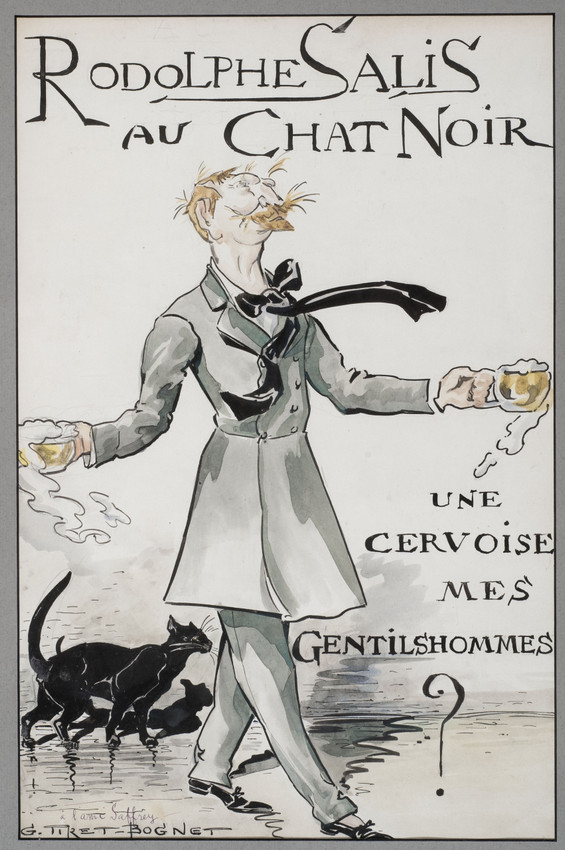
These artists developed avant-garde techniques and tools such as humour, wordplay and parody. They try to use art to make a political statement or to criticise the established order. That is why they want to portray what does not appear in the artworks of the time, such as poverty or marginalised people, who even show up on posters for festivals or concerts in the venues of Montmartre.
The posters on show in the exhibition stand out for their movement, their varied typography and their use of colour. They begin to abandon realism and to include flat colours and synthetic shapes. This is the first step towards modern illustration and graphic design. What's more, with the arrival of photomechanical processes in the poster industry, drawing took on a new dimension with a different, innovative style.
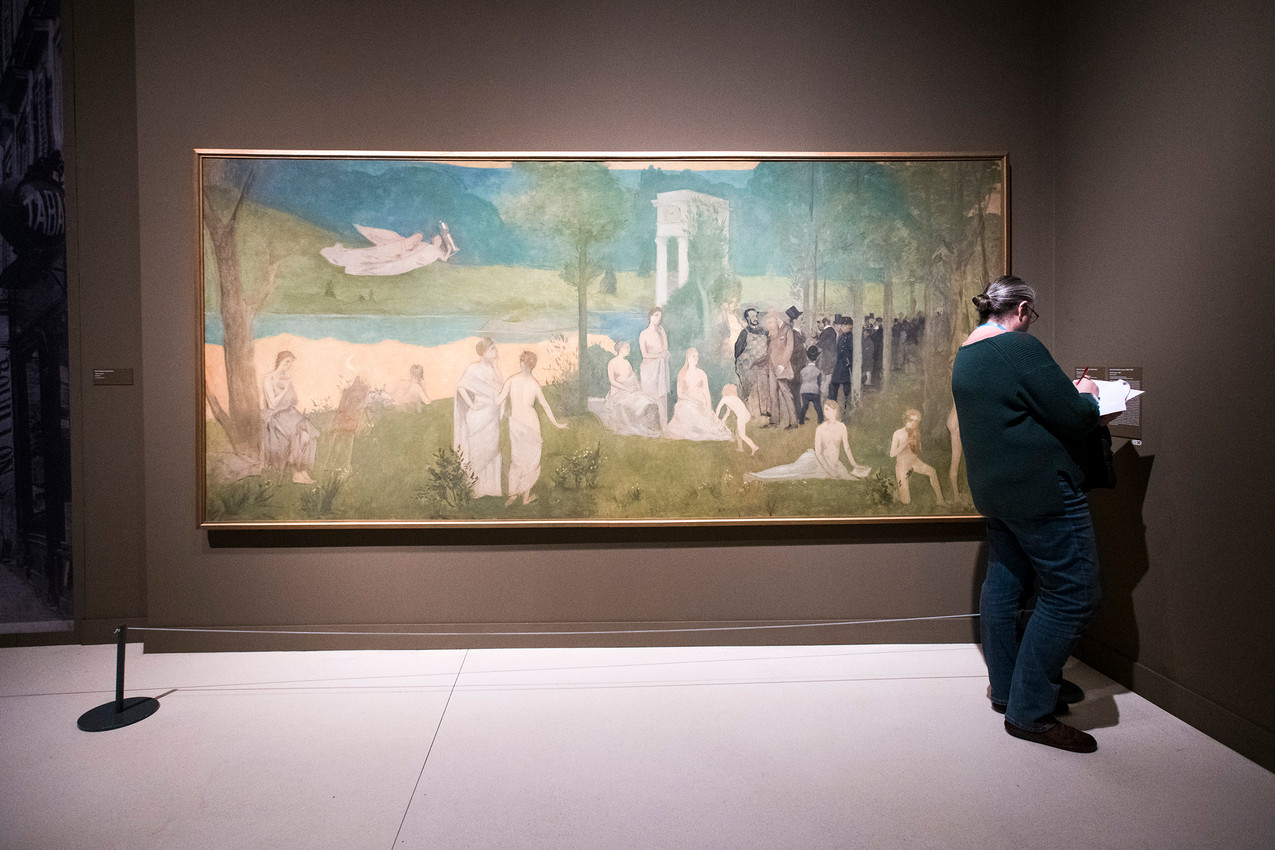
One of the biggest attractions of the exhibition is that it includes the work of more than 20 artists such as Vincent van Gogh, Édouard Manet, Louis Anquetin, Pierre Bonnard, Georges Bottini, Pablo Picasso, Maxime Dethomas, Hermann-Paul, Henri-Gabriel Ibels, Charles Lénadre, Louis Legrand, Charles Maurin, Henri Rivière, Théophile Alexandre Steinlen, Louis Valtat and Adolphe Wilette, among others.
An unforgettable exhibition that has to be seen in Madrid to discover the bohemian, avant-garde spirit of the streets, venues and corners of Montmartre. As well as visiting the exhibition on your own, you can also enjoy various interesting activities around it if you book in advance, for example the discussion cafés or the guided visits for groups. A good chance for lovers of this different stage of the 19th century.
Toulouse-Lautrec and the Spirit of Montmartre. Until 19 May. CaixaForum Madrid. (General admission €5 / Free admission for Caixabank customers)
More information
Comments (0)
Log in to leave your comment. Log in