
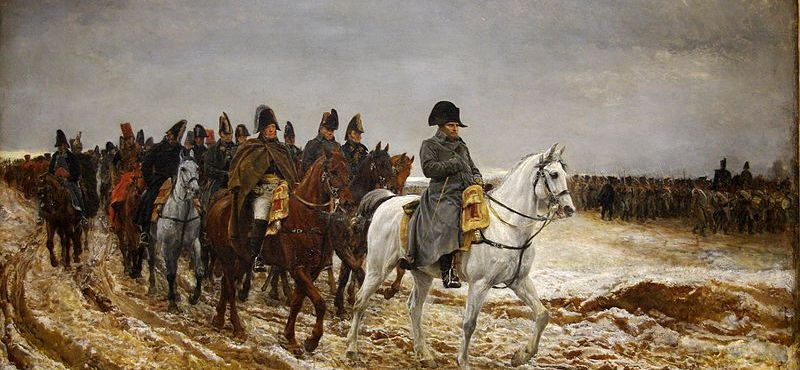
The activity of the last classicists, the ones who carried the tradition born in the Renaissance to its final stop, modernity, fell into oblivion. Swept away by the Impressionist wave and the avant-gardes, nobody had thought it necessary to point out the importance of academic painting. Until now.
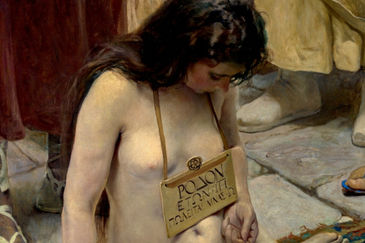
The Fundación Mapfre is putting on El canto del cisne. Pinturas académicas del Salón de París. An exhibition that brings together, for the first time, the best artworks by the great French academic painters of the second half of the 19th century and looks at how they adapted tradition to the changes brought about by the evolution of society.
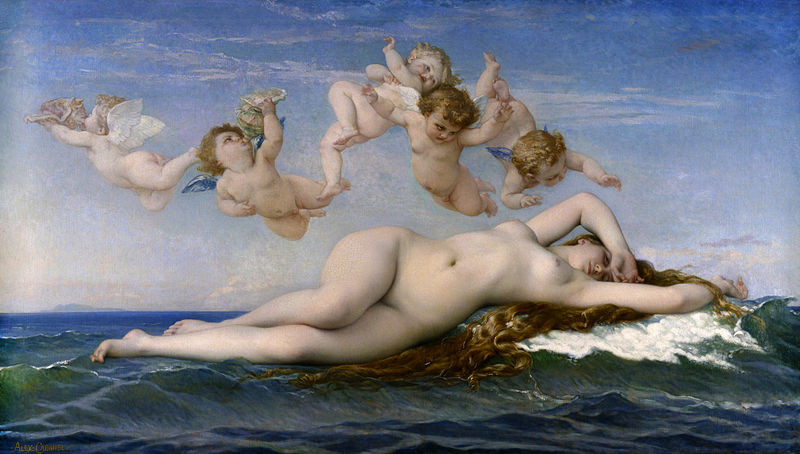
There are 84 paintings, all belonging to the Musée d'Orsay, which have been seen little inside or outside France. Some of them went from being admired in the main shop window of the art world, the Paris Salon, to the basement of the museum.
Names attending include Ingres, Gérôme, Cabanel, Bouguereau, Meissonier, Henner, Alma-Tadema and Bonnat. Others join in who are not classed as academic but did take part in the Salon at some point, such as Courbet, Moreau and Renoir. In short, a select group of artists who shared one rule: that of good artistic taste as decreed by the Académie des Beaux-Arts in Paris. It takes shape in the study of the nude, stylistic correctness, the pre-eminence of drawing over colour and compositional balance. To which the last academics added a romantic iconography, cinematic qualities and, above all, a clear narrative intention. The show also keeps the Salon's favourite genres. These were history, mythology, religion, the nude and portraiture.
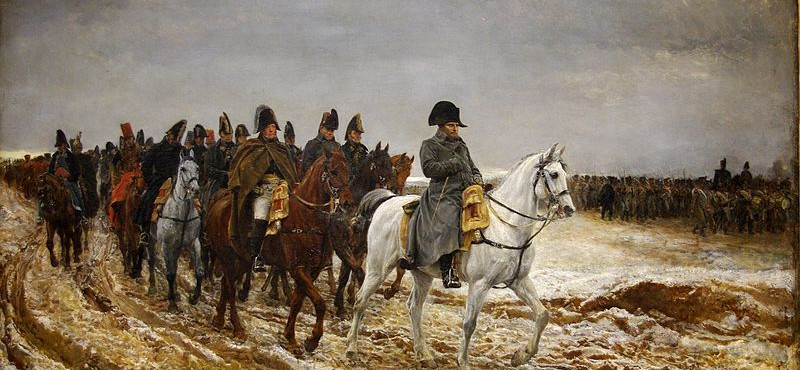
Academic painting in the 19th century looked to the past as its object of representation and, little by little, took in the modernity the public was asking for. In the references to Antiquity, scenes of everyday life took centre stage. In history painting, the moral content that used to express the classical ideal gradually faded and the exemplary tone gave way to spectacle. In the same way, in the search for more attractive settings and contrasts, many painters turned their gaze towards the exoticism of the East and of dreamed landscapes.
The female nude was one of the most recurrent subjects and the one that best answered their aim of showing beauty in tune with nature. But, on top of that, fleshiness and eroticism were allowed to be displayed in equal measure. In religious matters, academic artists reinvent a genre that had been emptied of meaning. To do so they turn especially to scenes from the Old Testament, in which pain and drama are refined.
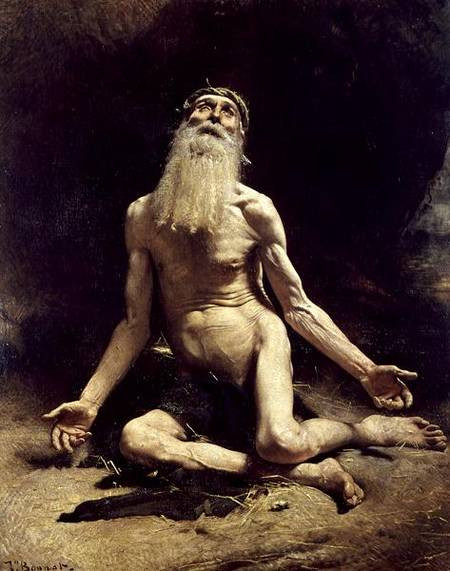
The end of academic painting was also the end of the primacy of ideal beauty. A place that, with the avant-gardes, would be taken by freedom. Until 3 May in the Sala Recoletos of the Fundación Mapfre in Madrid, the most modern classical style comes back to life.

Comments (0)
Log in to leave your comment. Log in