
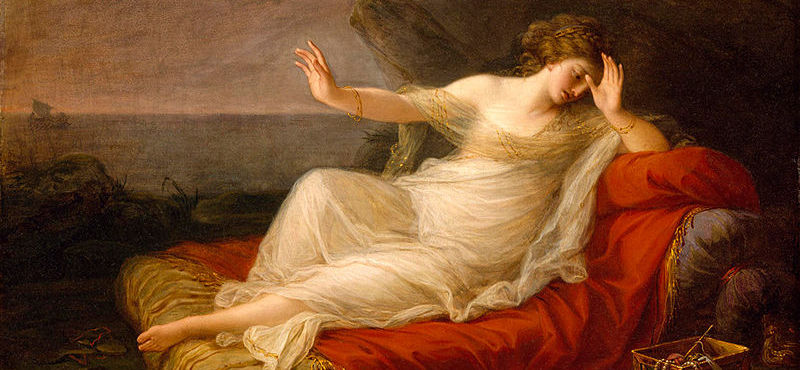
European neoclassicism left us great artworks in every branch of the arts, though we perhaps remember some more than others. The reader may notice that in this article we have only included women. It wasn't deliberate. These outstanding women don't need a separate section in art history, they are sheer genius, even if there have been attempts to veil their achievements by assuming they got help (in truth there isn't a single artist who didn't have patrons, followers or influential relatives). Their art endured and, to this day, they are considered three of the essential names of the 18th century.
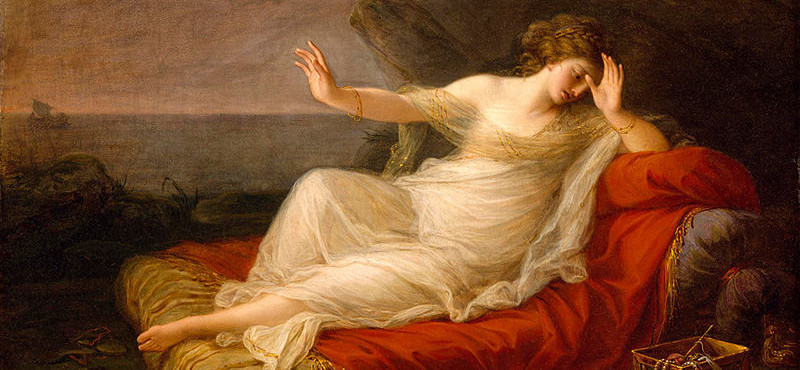
The 18th-century women artists who weren't muses, but genius
We've picked three artists who cover sculpture as well as painting and portraiture. You may not have known these artists' names until now, but we can assure you that you've seen their artworks at some point, somewhere.
Angelika Kauffmann, the painter of "cheerful" compositions
Trained in the arts from a very young age, she was a pragmatic artist gifted with a great talent for composition and a discipline that earned her a name in 18th-century England. Her artworks were described as "cheerful", and it was said of her that her male figures were really masculinised women, which is funny because, now that we mention it, nearly all male painters had the same flaw in reverse until well into the 19th century.
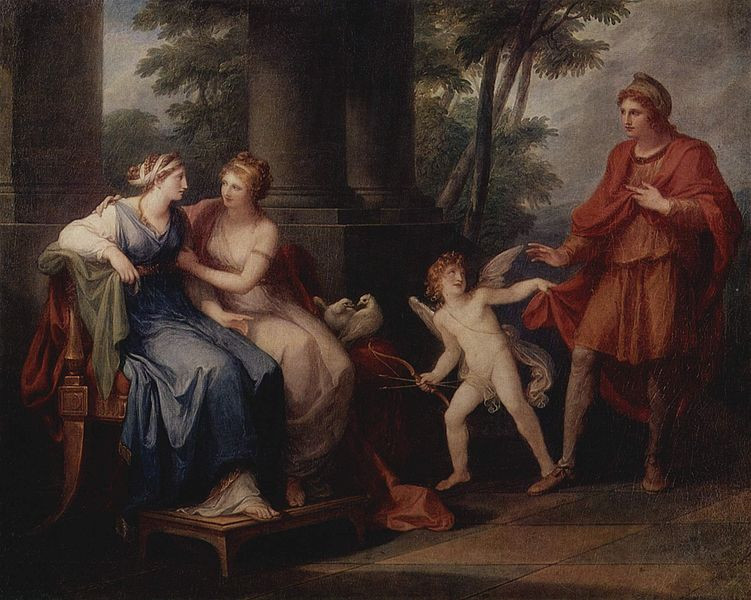
The work of the painter of history
Anyway, although she spent her whole life painting, the truth is that only a few artworks reached the wider public. That's the case with Anna Von Escher Van Muralt, a painting you can enjoy at the Prado Museum (1800), or Ariadna abandonada por Teseo, which can be seen at the Museum of Fine Arts in Houston (this one is somewhat earlier, from 1774). Her Venus convence a Helena de ir con Paris (1790) also deserves a mention.
Goethe and the final farewell
Perhaps those who welcomed this Swiss-Austrian artist, who lived in London for part of her youth, most warmly were the Italians, who knew how to value her art to such an extent that Goethe himself called her the most persistent and tirelessly hard-working artist he had ever seen.
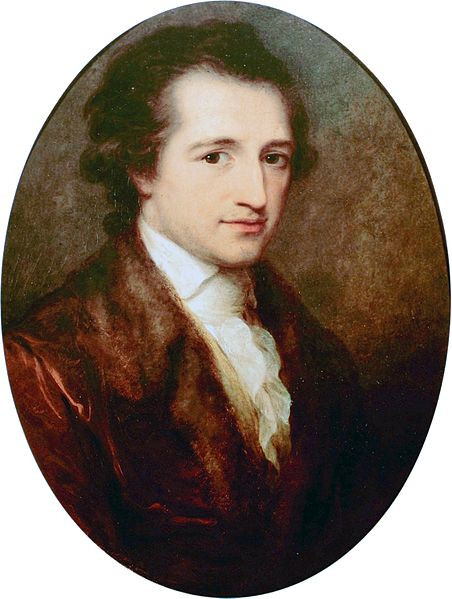
She was, in fact, buried with the honours granted to artists, much as had been done with the genius Raphael. But the passing of time brought no greater posthumous recognition for this great artist. Quite the opposite, her work has been exhibited in galleries half the world over without anyone knowing about her achievements and without most people recognising her.
Marie-Louise-Élisabeth Vigée-Lebrun, the tenant of Versailles
Madame Lebrun always knew she wanted to be a painter. From the moment her father Louis showed her one of his portraits in the studio at the family home. As happens with the neoclassical painters, there are no coincidences, and often, if you were a woman and wanted to be something more than marriage material, you needed a father who wanted to surround himself with artists rather than with women. That's how Vigée-Lebrun got the chance to escape the usual fate of ladies of the aristocratic class at the end of the 18th century.
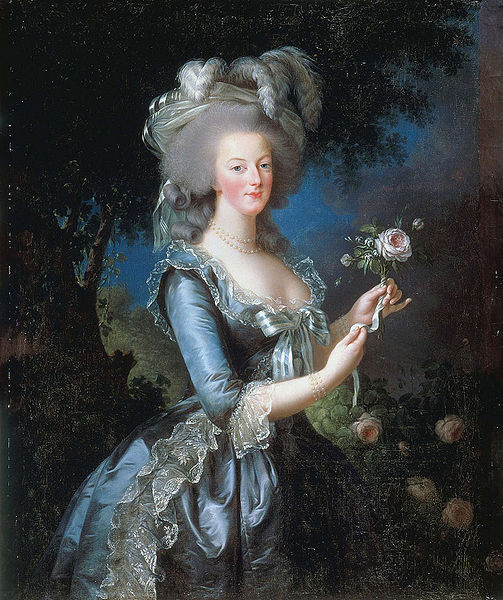
The artist who immortalised all of French royalty
It wasn't long before she gained a certain fame, and that earned her the chance to be invited into the home of another altogether unconventional woman to paint a few portraits of her. That woman was Queen Marie Antoinette. This excessive woman took a liking to the untameable Lebrun, who ended up making portraits of every member of the Royal Family. They weren't the only ones captured in her portraits. Other great figures of her time such as Catherine the Great or Lord Byron would be immortalised by the lady of the portrait.
Lebrun, the finest artist of the 18th century
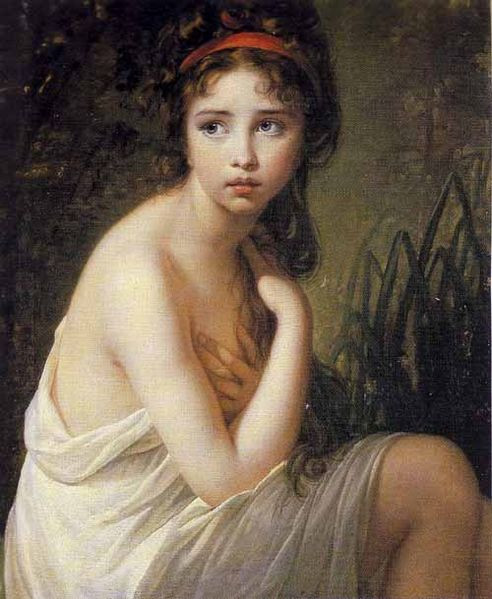
The recognition she won in France gave her the chance to join the country's leading Academies and, in fact, she is now considered the most important painter of the 18th century. The life of this artist, who was often the target of attempted boycotts, was nothing less than a reflection of herself: an independent, free woman who cared little for the bittersweet sociopolitical circumstances of her age. She survived, and only stopped painting at the moment of her death.
The lady of sculpture, Roldana
While France and Italy were in the middle of the neoclassical era, the late baroque lingered on in Spain. It's impossible to mention Roldana without talking about her father, Pedro Roldán. Considered only relatively recently to be an artist just as significant as her father, she has gone from darkness into the light after countless critics attributed her work to him.
A creative system for an outstanding sculptor
In fact, she married at 19 with the aim of becoming independent and growing on her own terms. In a way, the pupil was surpassing the master, and we all know that when the master is your father he doesn't usually take kindly to his offspring outdoing him. Imagine if that offspring is a woman! Of course, trouble dogged her during those first years of artistic independence and she received few (if any) important commissions. That was when creativity took the shape of clay. This was the material she chose to compete with her father. And it worked out well. By 1686 her fame had already spread across the whole province of Cádiz and the cathedral there commissioned several sculptures from her.
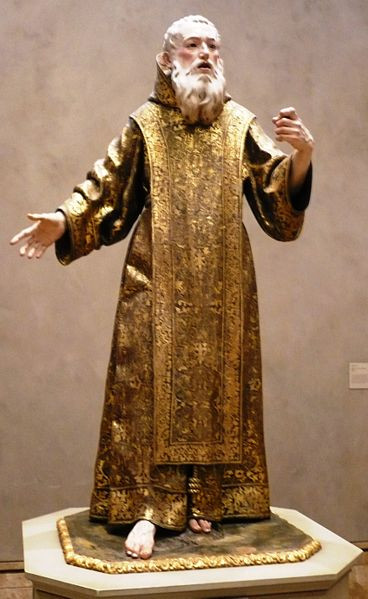
Her work is thoroughly influenced by the Sevillian school of the period, especially her earliest pieces. However, she had a complicated life that allowed her to create artworks as different as El descanso en la huida de Egipto (Barcelona, Count Güell Collection) and San Miguel (at the Royal Ontario Museum in Toronto).
From Royal Sculptor to proud destitution
So the Roldán studio would go on to influence later artists and, specifically, Roldana would be the inspiration for the sculptor Pedro Duque Cornejo, José Montes de Oca and Cristóbal Ramos, among others. Not without reason did she become royal sculptor in Madrid, until a difficult financial situation left her and her family living in destitution until the day she died, while her father carried on working in Cádiz.
Why didn't she go back to her home city? Only the father and the daughter know that, but the truth is that her father's jealousy had a lot to do with it, seasoned with her refusal to marry the man he wanted, which had taken them to court. In any case, she would never stoop to going back to Cádiz, so shortly after turning 52 she died, a victim of the wretched conditions she had lived in during the last years of her life.
Did you know the life stories of these brilliant 18th-century artists? If you have anything to add, don't hesitate to leave a comment. And if you're left wanting to know more women who revolutionised art history, you should get to know Gertrude Stein. You can also find out more about the perfect relationship between film and art.

Comments (2)
comprar arte
April 12, 2021mamu
January 13, 2021Log in to leave your comment. Log in