
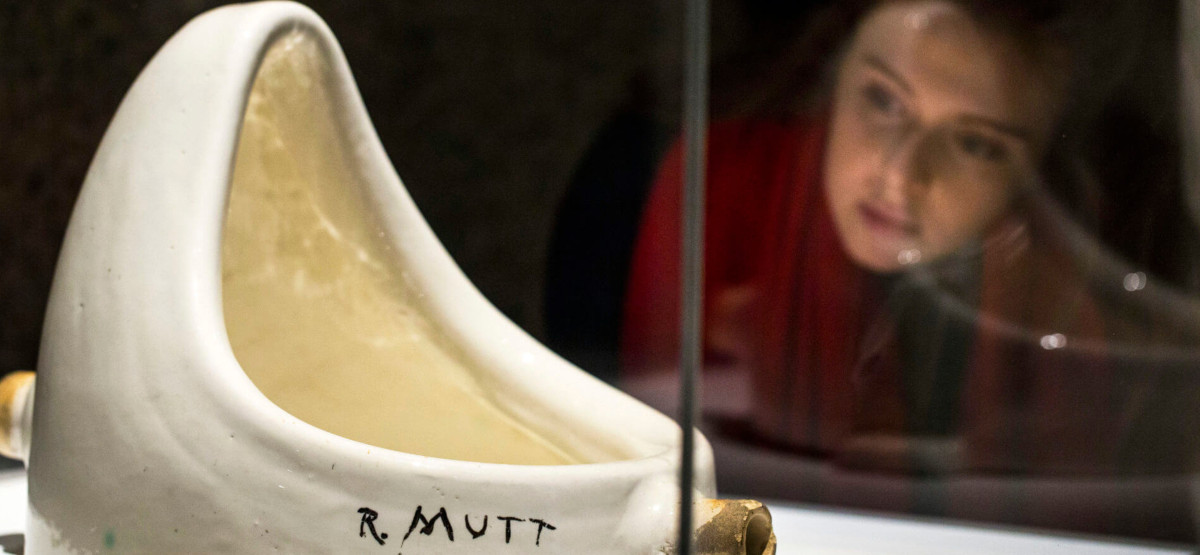
In 2004 it was declared the most important artwork of the 20th century, 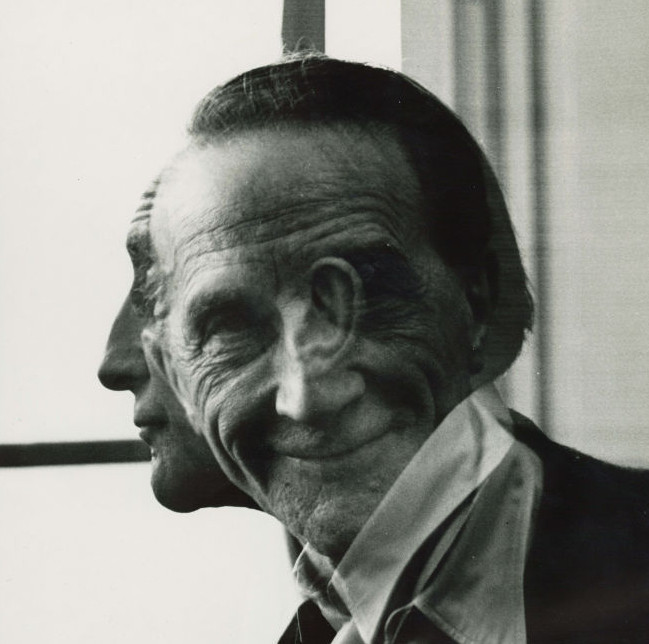
A drunk Duchamp buys a urinal and turns it into art
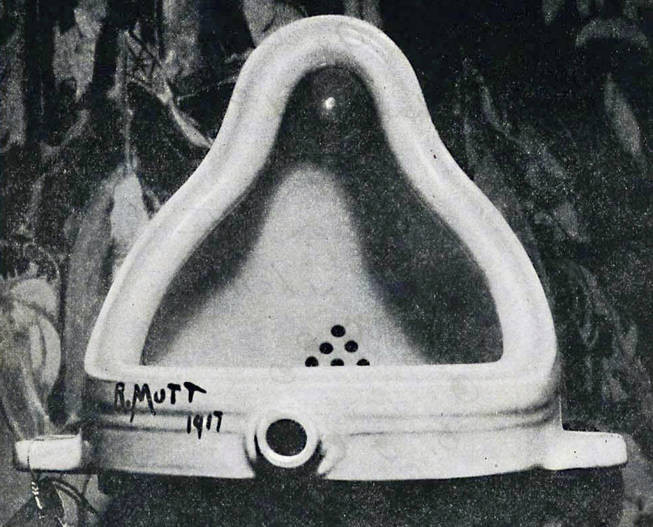
Se acercaba la primera exposición de la Sociedad de Artistas Independientes de Nueva York que se había comprometido a aceptar y exponer todas las obras recibidas. Marcel Duchamp (1887 – 1968) pasaba una temporada en la ciudad estadounidense mientras al otro lado del Atlántico la Gran Guerra asolaba media Europa. “No me voy a Nueva York, me marcho de París”, escribió en una carta, harto de que muchos colegas le acusaran de antipatriótico por no estar en el frente.On the day Duchamp changed the history of art he was walking down Fifth Avenue, drunk. In the window of a shop called Motts he saw bathroom fittings. He went in and took a urinal back to the studio. He turned it upside down and put a false signature on it: “R. Mutt 1917”. He submitted it to the exhibition just like that. The Society of Independent Artists (which Duchamp himself belonged to) rejected it and the French artist resigned. The original artwork was never shown in any museum. All that is left as a keepsake is a photo taken in the studio of Alfred Stieglitz, a friend of the artist.
Duchamp, Dada and the Readymade
El artista expatriado orquesta junto alguno de sus amigos una encendida defensa del urinario como obra de arte y una crítica a las posiciones conservadoras del establishment artístico, incluso en una ciudad como Nueva York que, en pocos años, relevaría a París como el centro neurálgico de la vanguardia artística mundial.Did Duchamp really expect them to accept his urinal? Of course not. Marcel was a clever guy and, once he got over the hangover from that famous walk down Fifth Avenue, he saw a very dada move ahead of him: submitting to a supposedly revolutionary exhibition the most controversial (and absurd) artwork he could think of. His aim? To be rejected, to tear his robes pompously and carry on with his crusade against bourgeois art, a social class the artist always belonged to and never wanted to leave, by the way.
In a way, Duchamp wanted to blow up social and artistic conventions from the inside: as an artist (and as a bourgeois). Without a doubt, a far more effective and provocative formula than doing it from the outside: some poor devil submitting a urinal to an exhibition would never have caused any fuss. Nobody would have paid him any attention, end of story.
After all, the urinal is the least of it, the object has no relevance whatsoever. It isn't even the idea that matters. It's the act. It's the only element that turns his Fuente into a momentous artwork. More than enough, on the other hand.
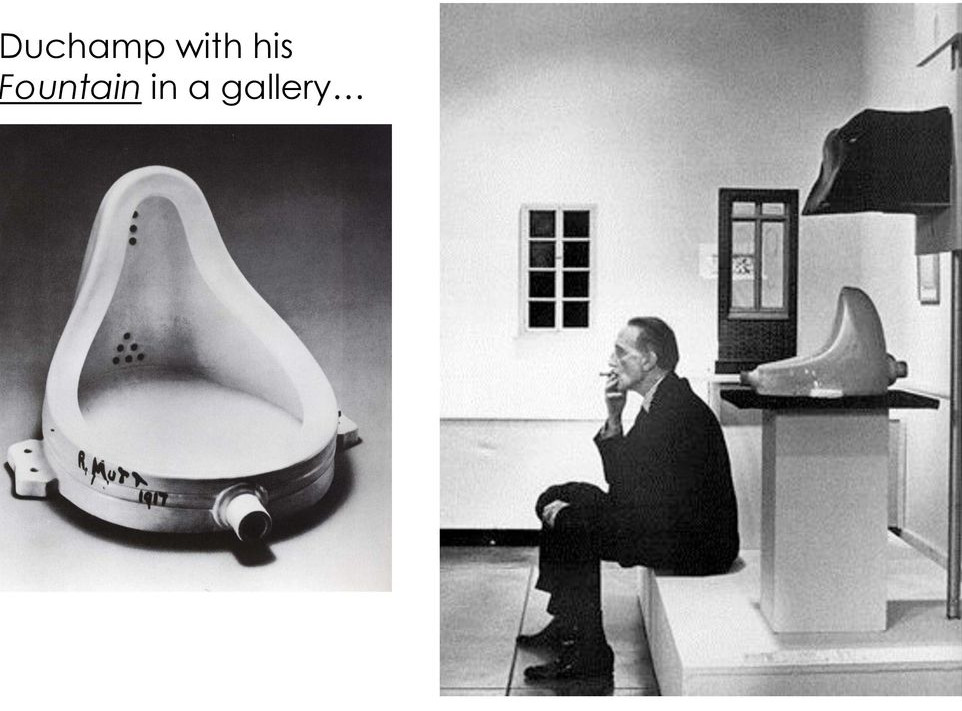
Duchamp's urinal opens the doors of museums to conceptual art, raises the found object or Readymade to the status of art and delivers a resounding slap to centuries and centuries of conservatism and prudishness in the art world.
But not everything is beautiful about Duchamp's urinal. This museum-worthy object also opened the door of art to sheer nothingness. After him, everyone has wanted to hang their own toilet in a museum, and museums have turned, in some cases, into septic tanks. Maybe Duchamp didn't want to go that far (or maybe he did), but from him onwards plenty of visionaries have taken it for granted that rubbish is art, that an artwork can be squeezed out, with no intellectual effort at all, from the studio loo.

Comments (1)
OskarMaria
August 2, 2019Log in to leave your comment. Log in