
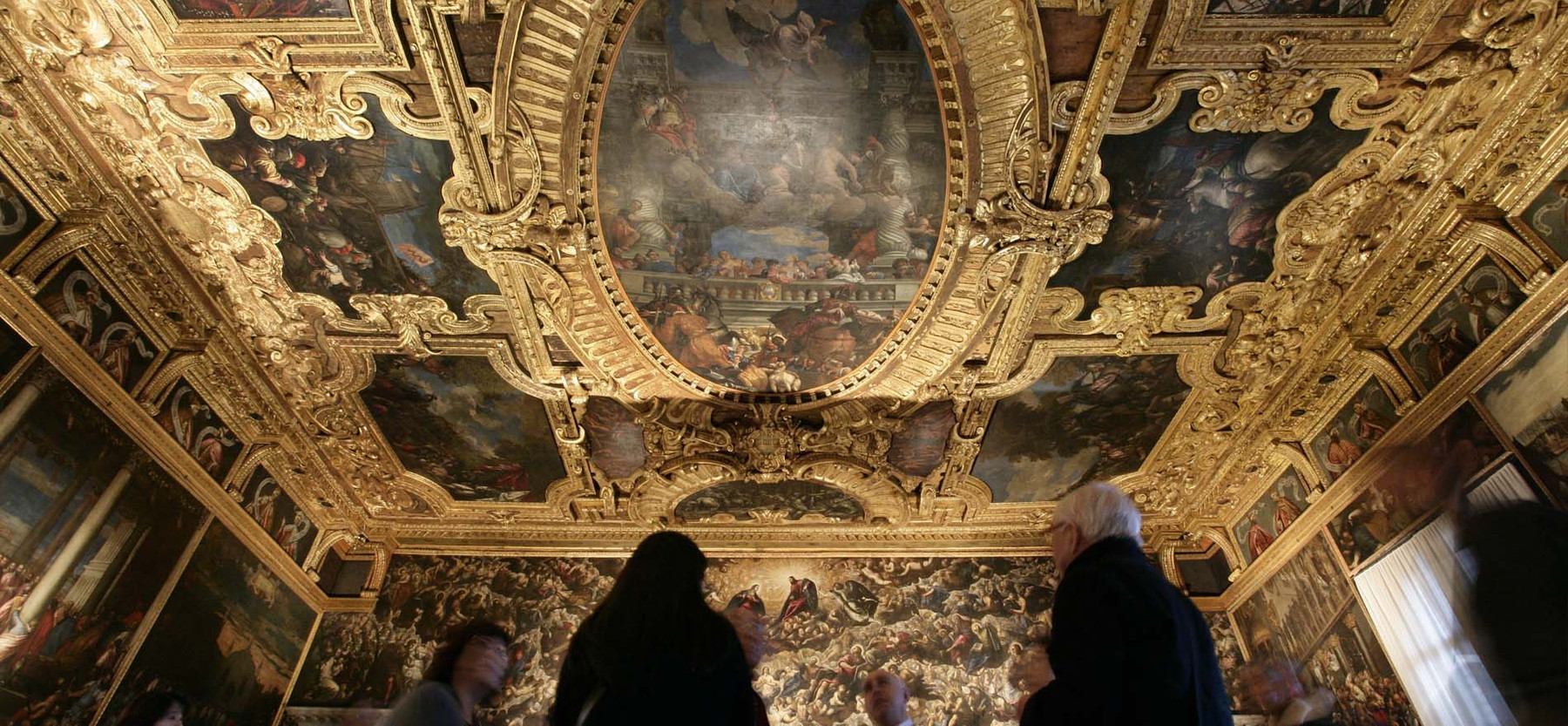
“He's good, but he's no Tiziano”. For many years, the young Tintoretto (1518-1594) had to deal with the master's long shadow. Tiziano was the totem of Venetian painting during the first half of the 16th century and getting ahead wasn't going to be easy. Even less so after the master threw him out of his studio because of, so they say, his bad temper. But Tintoretto also inherited something from Michelangelo, his other great reference point: an unrelenting determination. He wouldn't stop until he replaced Tiziano as the great master of Venetian art.
1564. Tintoretto is by now a painter with a certain standing in the city thanks to his artworks for San Marcos or the Madonna dell'Orto (the church where he was a parishioner and where he is buried) but he still needed that masterpiece that would set him up as the leader of the artists of his beloved city. With Tiziano already an old man, the road was clearing... but there was no shortage of new rivals of real quality, like Veronés.
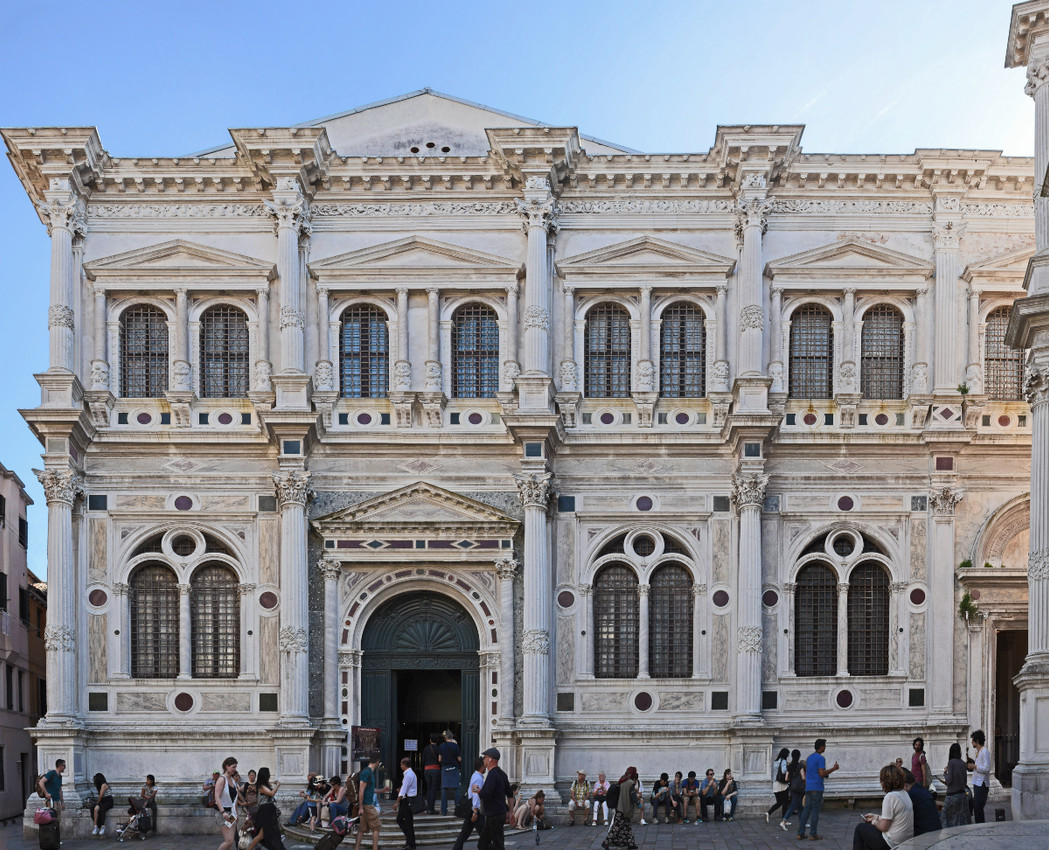
When the Scuola Grande di San Rocco asked several painters in the city to submit proposals for the ceiling of the sala dell'albergo next to the chapter hall, Tintoretto saw it as his big chance. He surely fantasised about having a huge surface at his disposal to decorate in the style of Michelangelo's Sistine Chapel.
Tintoretto decided that winning that competition called for something different: he broke every rule and installed his artwork directly, without submitting any proposal. And he did it for free. Since it was a gift, the Scuola had to accept it. The other painters protested at the way Tintoretto had gone about it, but there was no going back. The brothers of the school commissioned him to decorate the whole of the small hall.
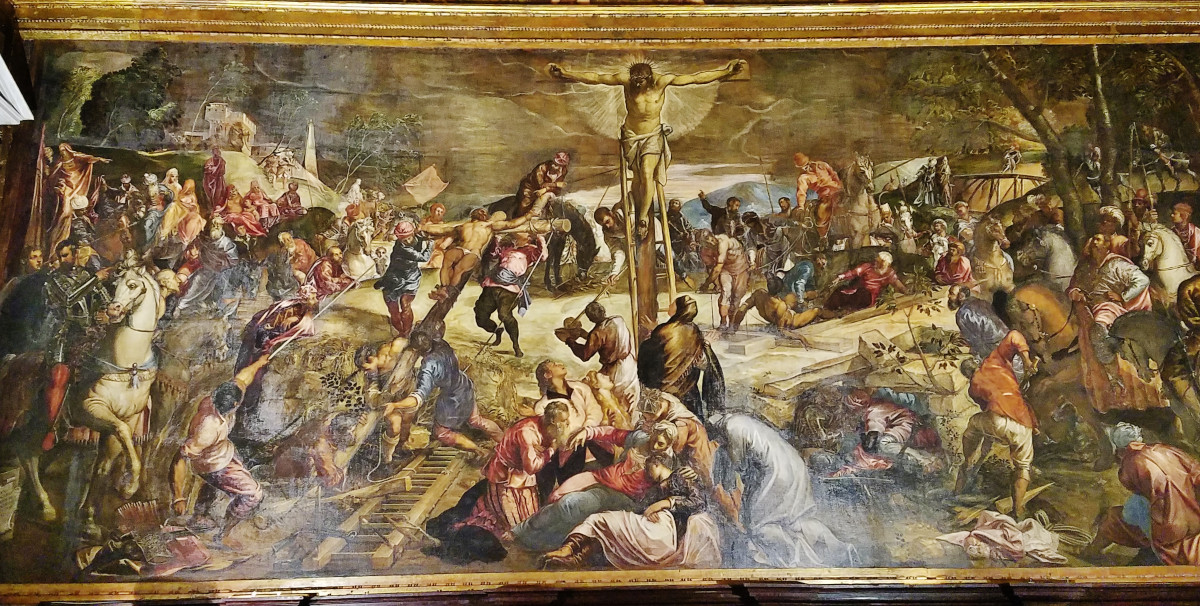
The result was so extraordinary (the Crucifixión in the sala dell'albergo is one of his most famous artworks) that the Scuola granted the painter an annual salary to paint the rest of the building, including the lower hall (sala terrena) and the upper hall (chapter hall). In the end, Tintoretto spent almost 25 years completing his great masterpiece: more than 60 canvases with episodes from the Old and New Testament that, 400 years later, still leave visitors open-mouthed.
“Michelangelo's drawing and Tiziano's colour”. Legend has it that Jacopo Comin (they called him Tintoretto because his father was a silk dyer) put that self-motivating message on one of the walls of his studio. Tintoretto fooled nobody: he knew exactly what he wanted to do with his painting and he went straight for it. Taking the most important devices of two giants like Michelangelo and Tiziano, he forged a style of his own that embodied Venetian Mannerism better than anyone else.
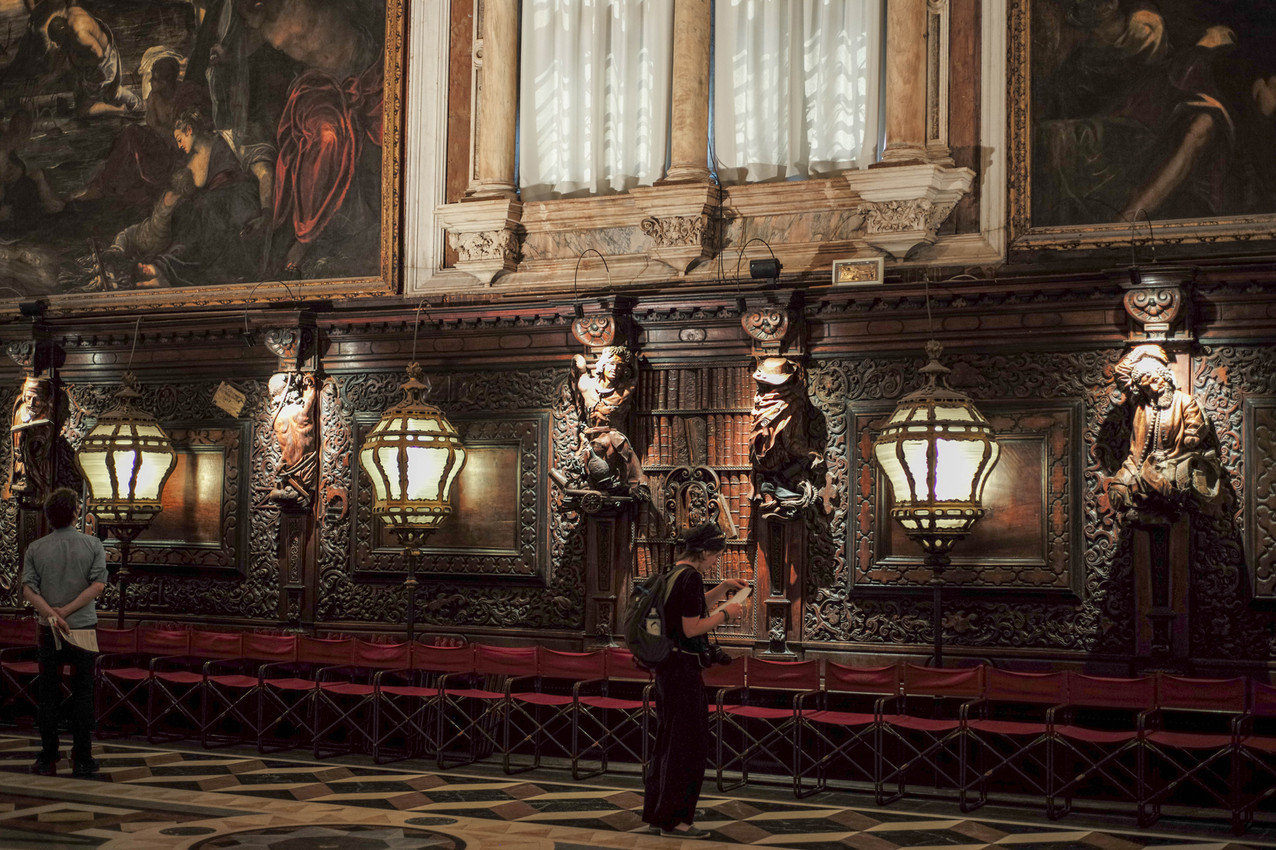
An art that radically twists the harmony Classicism aspired to. The human being has handed the baton back to God, who is no longer in a joking mood. The Counter-Reformation that emerged in the mid 16th century demanded of Catholic artists a new approach to art, more passionate and heightened, less intellectual and restrained. Tintoretto embodies like no one else this new pictorial path marked by complex compositions, radical perspectives, furious contrasts of light and burning colour.
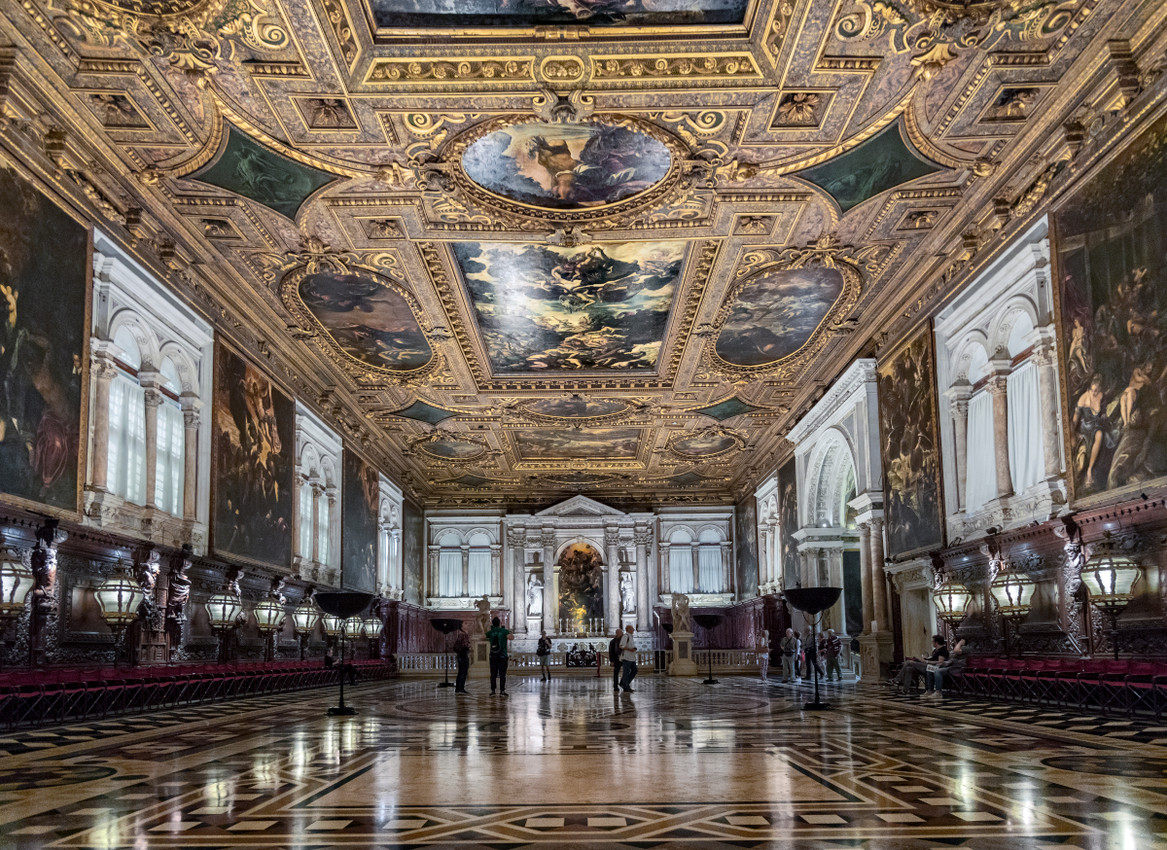
Even though in recent years there have been various Tintoretto retrospectives trying to rescue an often forgotten painter, no exhibition can capture the essence of this artist. To understand Tintoretto you have to travel to Venice. To enjoy his genius you have to walk through the cold, dark rooms of his Sistine Chapel.

Comments (0)
Log in to leave your comment. Log in