
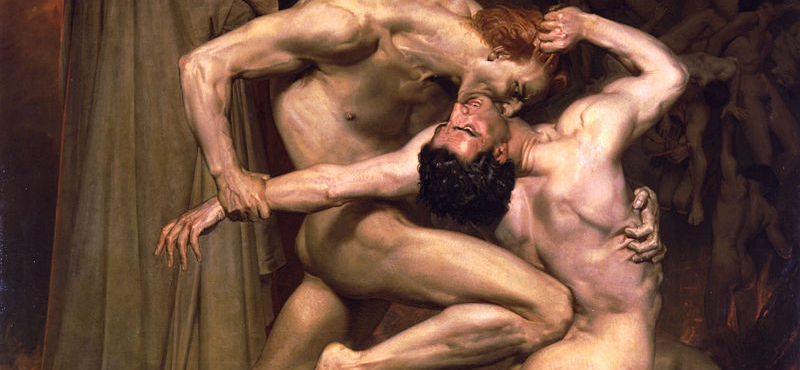
William- Adolphe Bouguereau (La Rochelle, 1825-1905) was the very stereotype of the perfect academic artist. His exquisite technique and his meticulous line are two of the features that define his artwork. Here are six paintings to get to know his painting.
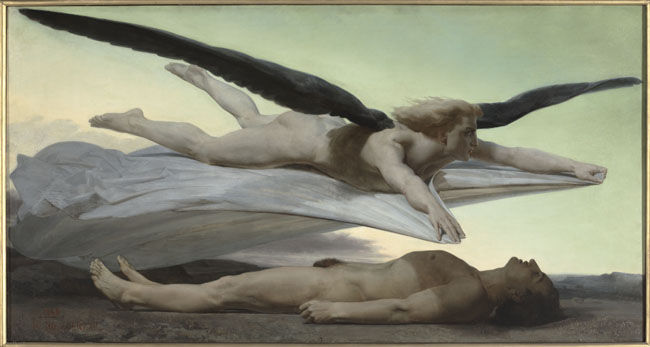
Igualdad ante la muerte (1848)
Under enormous family pressure to succeed, Bouguereau was in a hurry to make a name for himself. This is his first important painting, made at 23 while he was still a student at the École des Beaux-Arts in Paris. With this striking, monumental canvas, showing an angel of death covering the naked corpse of a young man, he took part in the Salon for the first time. An artwork in which he stresses the inescapable nature of death, almost as a warning. He is not talking about political or social equality, but about his personal anxieties. A series of influences also come to light, linked to the purism of English neoclassicism or to the dramatic intent of the Romantics.
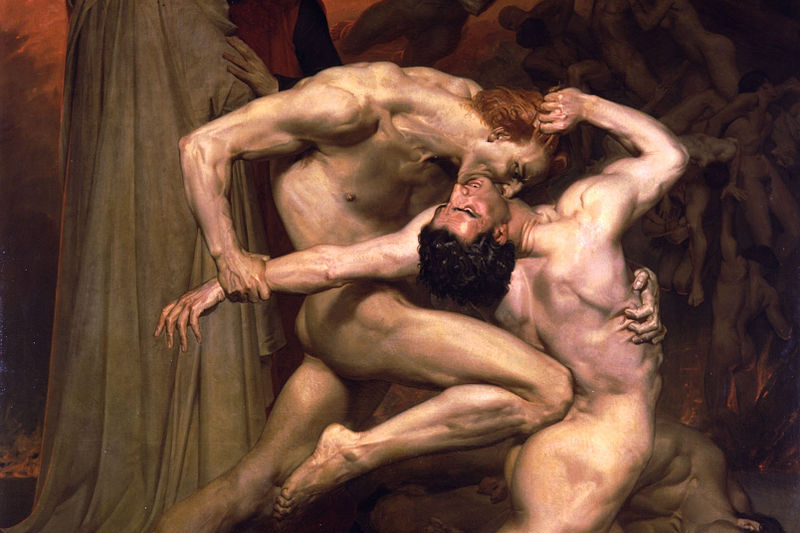
Dante y Virgilio (1850)
After his great success with Igualdad ante la muerte (1848), Bouguereau wanted more and created an even more monumental painting recreating Dante's drama. He does it with forms full of harshness and force. Aesthetic parameters with which he experiments with expressive deformation and a severe chromatic contrast, coming close to the tragic settings of Füssli or Blake. These forms would not be usual in his painting, though, and remain an isolated episode in his career.
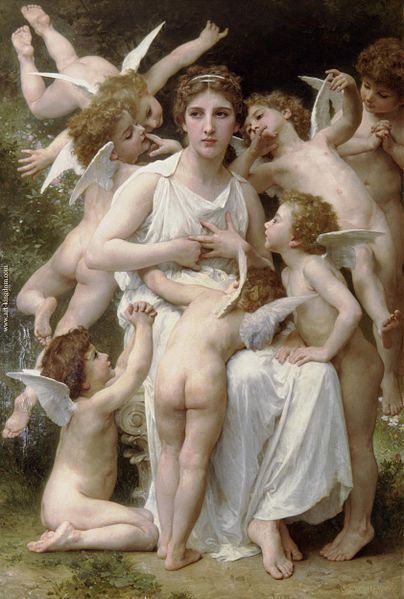
El Asalto (1898)
Bouguereau was a painter with a great sensitivity to public taste, and a very shrewd one, since he tended to give people exactly what they liked most, dressed in a light symbolism and his virtuoso technique. This is one of those compositions that brought the artist so much commercial success, particularly with American clients. Subject and form both set out to win the viewer over. The subject, the awakening of love, was hugely appealing. And even more so the mythological atmosphere in which he places the scene, full of delicate, suggestive echoes of Antiquity.
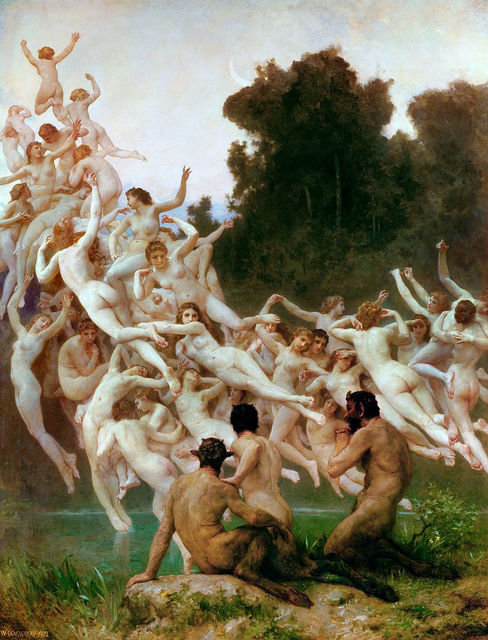
Las Oreadas (1902)
This is one of the best examples of his ideal of academic painting. As in some of his paintings, mythology is the excuse to display his mastery of drawing, capable of capturing every attitude of the human body. It also lets him work the erotic register with complete freedom, never falling into obscenity. Here we get the perfect meeting of imagination, sensuality and poetry, accompanied by the extraordinary twilight landscape with symbolist tones in the background.
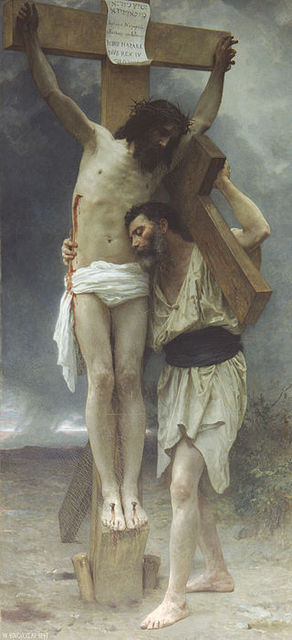
¡Compasión! (1897)
An essential piece that goes into the French painter's most intimate side. Made without any commission behind it, the artwork underlines the tragic dimension inherent to the episode of Christ on the cross and also reveals a painful obsession with death. Over the course of his life the artist had to face the death of his four children and of his wife. On the other hand, this is perhaps the work in which he moves furthest away from academic values, in subject as much as in format, drawing and execution.

Comments (2)
Liliana M. Rubín
August 7, 2015Considero muy valioso este tipo de artículos, como un elemento disponible de cultura general
Humberto torres
May 2, 2020Log in to leave your comment. Log in