
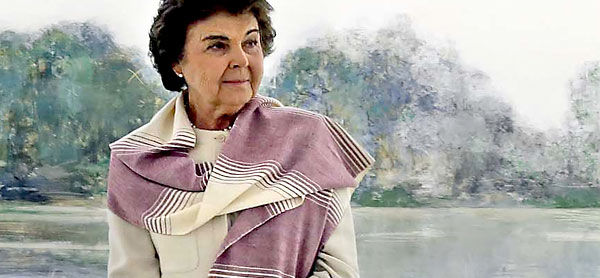
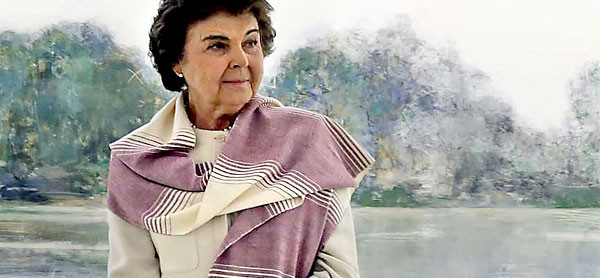
Carmen Laffón is one of the most successful living painters and sculptors in Spain over the last few decades. Although she always had the chance to paint, since she comes from a wealthy Seville family, several decades had to go by before her painting of everyday life caught the attention of the big art museums. It wasn't until 1992 that part of her work was shown at the Museo Reina Sofía. She is famous for her portraits of well-known figures such as Miguel Blesa and Don Juan Carlos de Borbón, even though for her, her real art always has been and always will be landscape. We take a look back at the life and work of this Seville painter.
A brief look at the artist's work
The passing of time and the evolution in Carmen Laffón's work are so plain to see that her paintings fall into very clearly marked stages. It's true that the portraits stay with her throughout her whole career and that they barely change with respect to the realist cut this kind of oil painting calls for, but her exhibitions mark the steps towards experimentation from a very personal painting of everyday life, with clear influences from French Impressionism and German Expressionism.
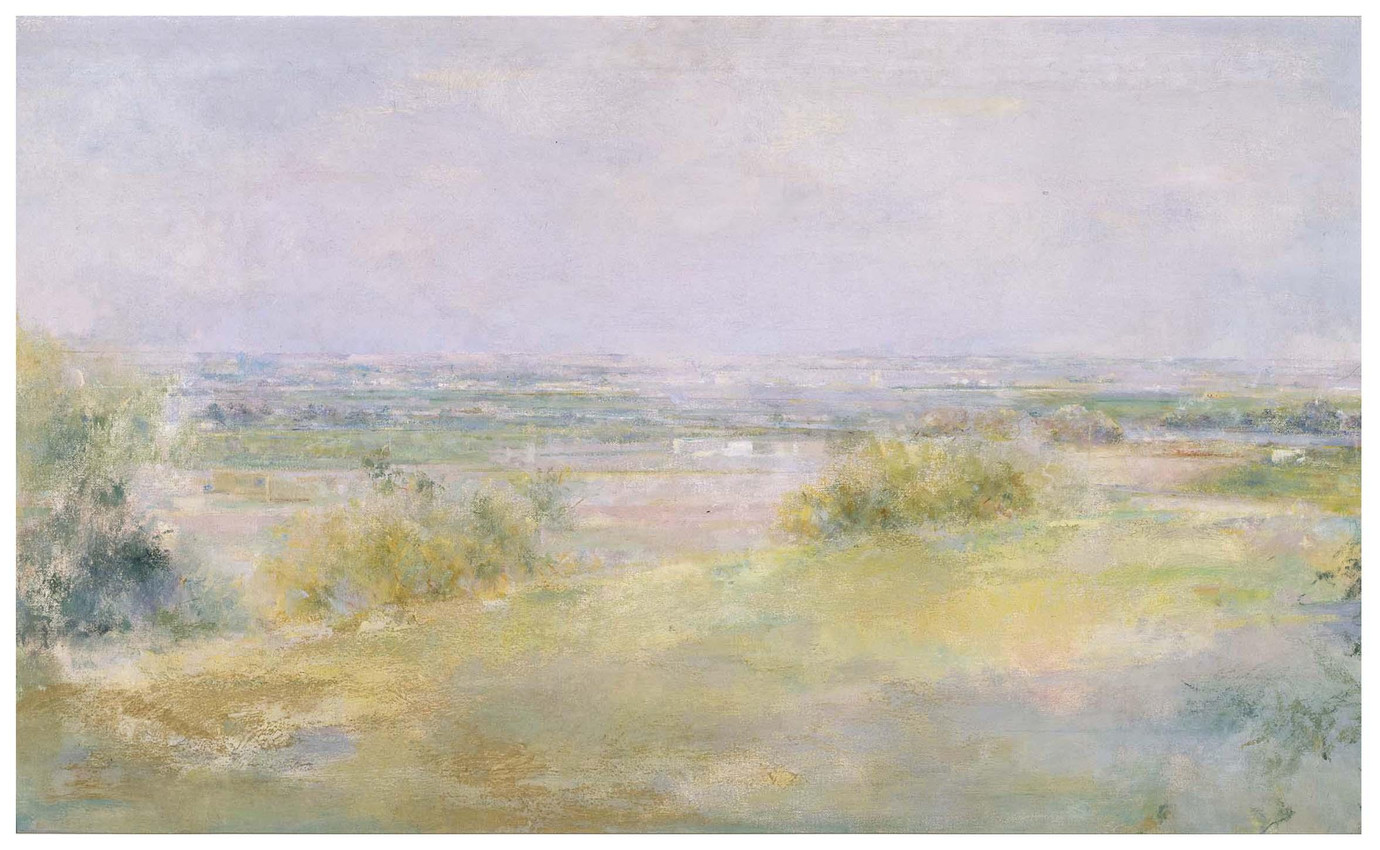
Some of her mature artworks, especially the ones she paints in the 21st century, are proof of her markedly realist character and of how that 19th century realism has mutated into what today is called hyperrealism and which, on top of that, is back in fashion in art galleries.
Of course, Laffón doesn't stray from her everyday landscapes with that misted realism you can see in her latest exhibitions, above all in the exhibition El paisaje y el lugar. In these paintings, her art is behind a damp pane of glass. It's one of the most reliable clues for telling whether or not we're looking at one of her paintings.
Among the techniques that define her as an artist are pastel tones, oil and charcoal, and her main subjects, besides the portrait and the landscape, are still lifes and everyday objects. In short, the painting of everyday life.
A tour through Carmen Laffón's work
If you're interested in getting to know Carmen Laffón's most significant work, you'll find it at the Museo Nacional Centro de Arte Reina Sofía, the Meadows Museum in Dallas, the Metropolitan Museum in New York, the Fundación Juan March and the Museo Provincial de Jaén.
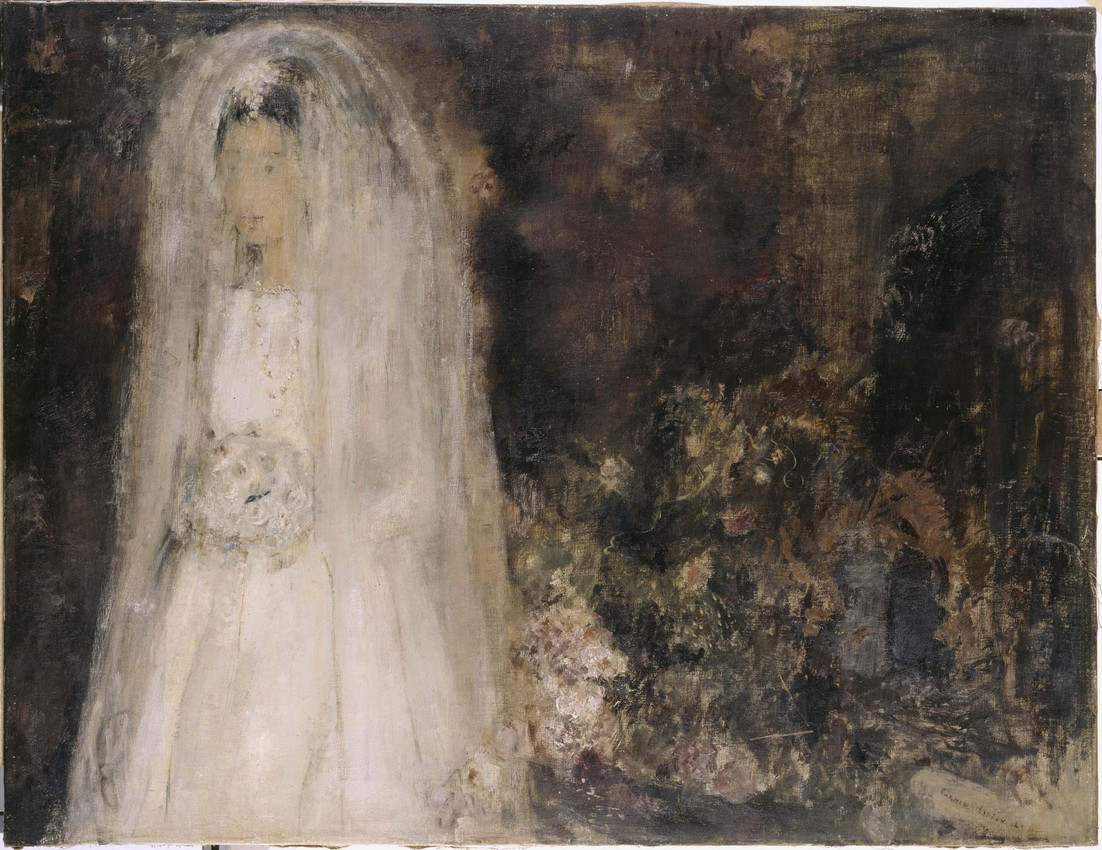
Obras de Laffón en el Museo Reina Sofía: En él encontrarás La Novia (1960), Coria del Río (1983-1985), Hojas y Sarmientos (2006-2007) y Cepas (2006-2007). Las dos primeras obras muestran una marcada tendencia a la pincelada gruesa y a las siluetas y paisajes difuminados, muy del gusto del primer impresionismo francés. Por otra parte, las obras más recientes rozan el hiperrealismo, especialmente Cepas.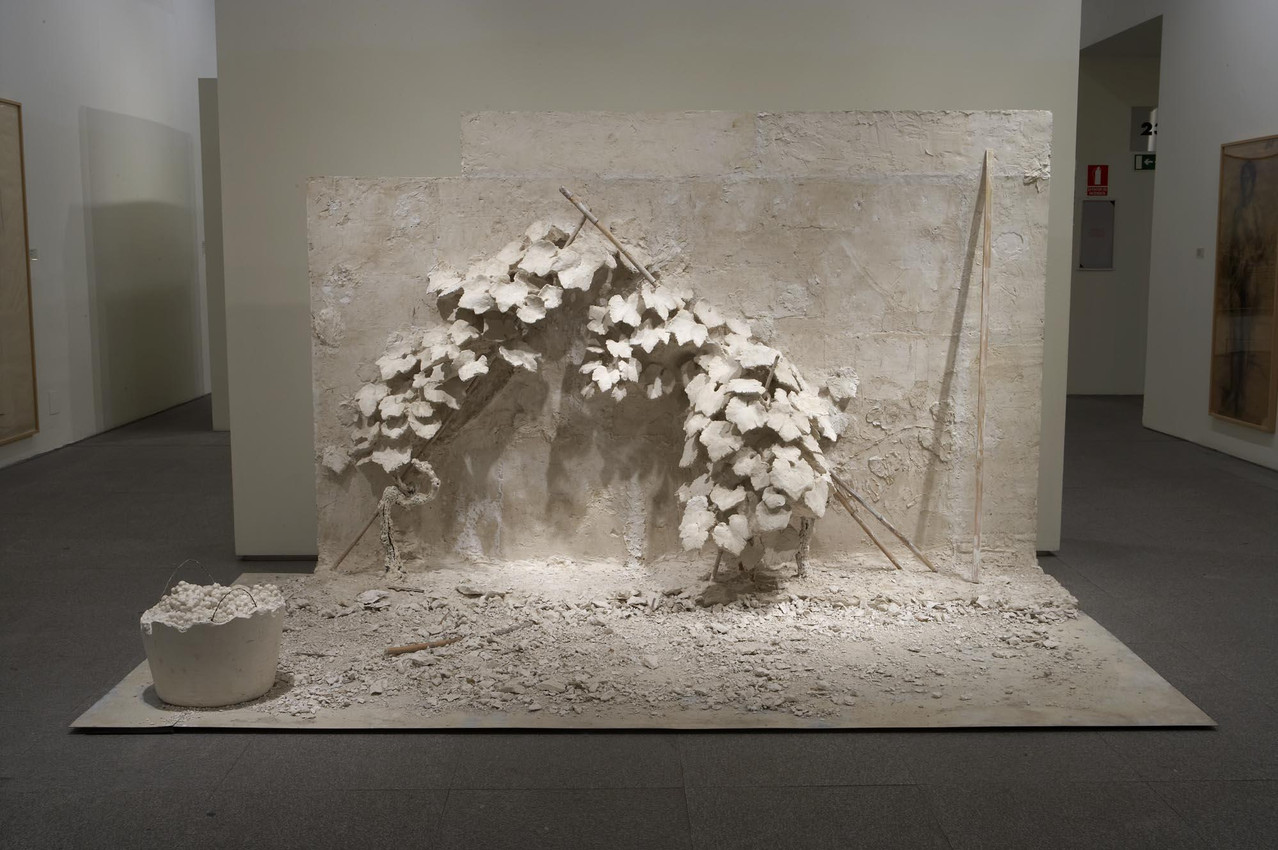
Besides these paintings, there are many more at the Centro Andaluz de Arte Contemporáneo in Seville, the MUICO, the Casa de la Moneda foundation in Madrid, Fundación Aena, Caja de Burgos, the Museum of Abstract Art in Cuenca, Banco Santander and the Bank of Spain.
Her artwork La Viña at the Monastery of Silos: In 2006 her work was shown at the Monastery of Silos. It was a series of large format drawings revolving around the theme of wine, meant as a tribute to Saint Dominic. Right now it can also be enjoyed at the Museo de Arte Reina Sofía in Madrid.
The author behind the art: who is Carmen Laffón?
Cuando se lee un artículo periodístico en el que se menciona a Laffón es imposible no imaginar a una mujer con los pies en la tierra, convencida de lo que hace pero con paso firme y discreto. Sin hacer aspavientos ni llamar la atención. Esa misma discreción que le ha granjeado numerosas oportunidades de formar parte de la historia retratando a las personalidades más poderosas del siglo XX es la que ha permitido que, después de décadas, continúe siendo una de las artistas más grandes del siglo XX español.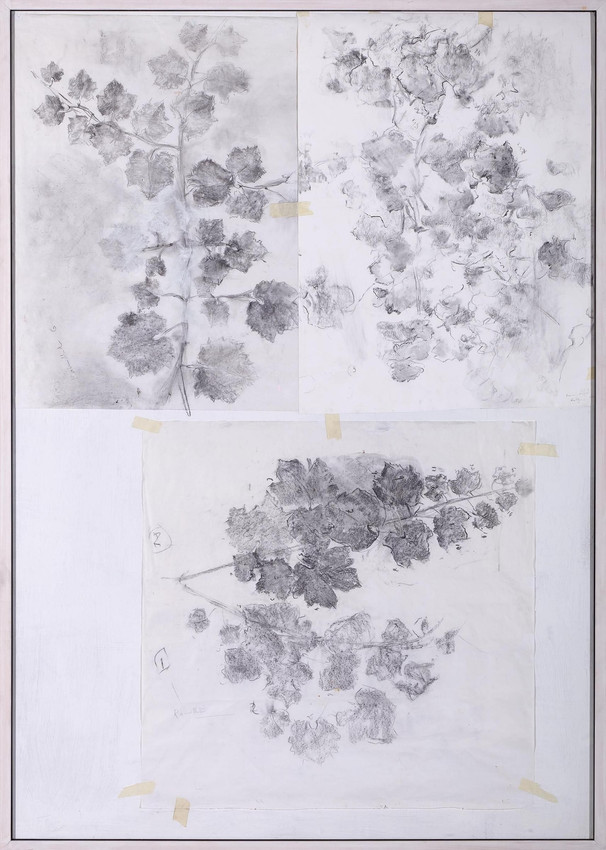
Fame doesn't interest her and, as she admitted in an interview for the newspaper ABC Sevilla: "what matters is the work, not the artist. The artist speaks through their work. What I think or my personal life, quite apart from being my own business, is the least of it. Isn't it?". In spite of that statement, it's impossible not to be struck by her extensive body of work which, since the 90s, includes sculpture.
If we add to that her presence in some of the most important museums in Spain and the United States, we'll understand why, even though the painter doesn't want to go into detail about her own greatness, words are unnecessary in the face of such solid facts.
Did you know Carmen Laffón's work? You can dig deeper into it by looking through her biography. We hope you've found it interesting. If so, don't hesitate to leave your comments and notes.
Comments (1)
Sofía Sánchez romero
November 9, 2021retratos ... y todo lo concerniente a su visión de la naturaleza expresada en sus cuadros con una sencillez precisa.ú
Log in to leave your comment. Log in