
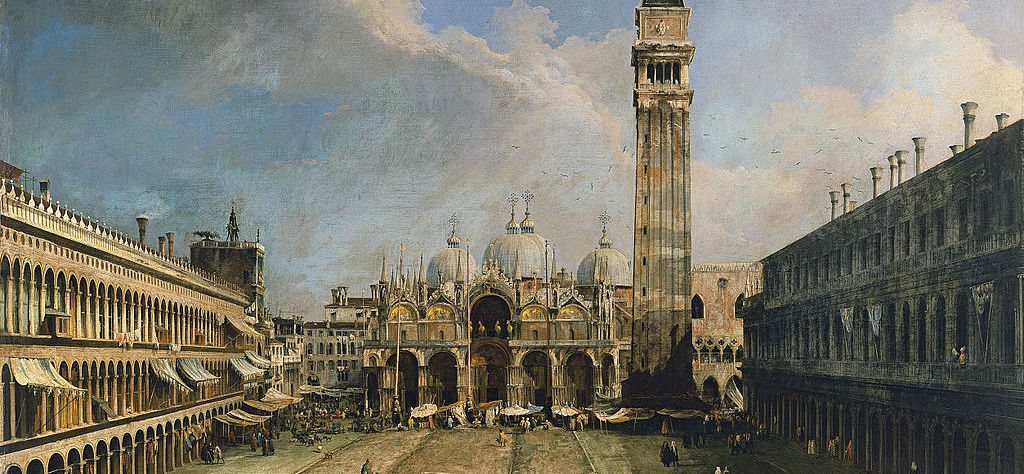
We don't know exactly at what point in history man, interested in the study of the effects of light, dreamed up the device that could trap that intangible thing, light, and use it to capture and draw realities. Back in classical Greece, great philosophers such as Aristotle, as some of their writings show, were the forerunners of a rudimentary approach. But it wasn't until the end of the 10th century that the Arab physicist and astronomer known in the West as Alhazen designed and built the first camera obscura box we have any record of.
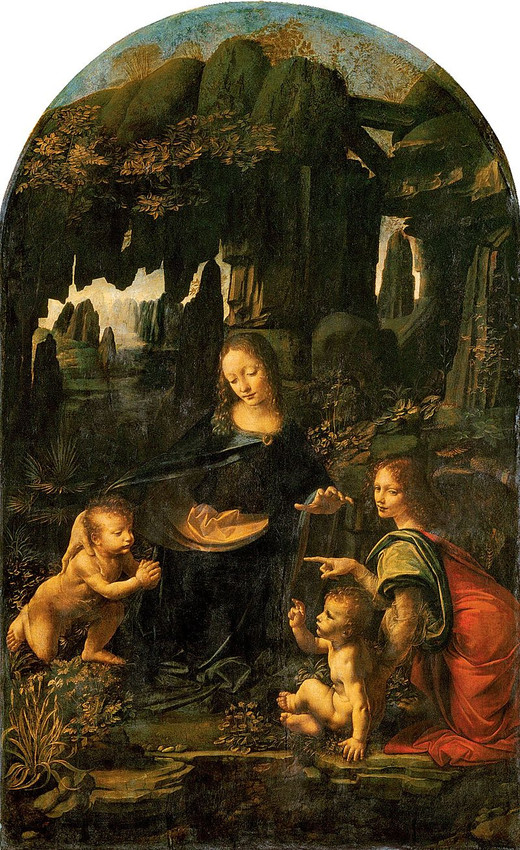
By the Renaissance, it was Leonardo da Vinci who gave this invention a new push, refining it in order to understand how light behaves in vision and to study the laws of geometric perspective in greater detail. There is speculation, along these lines, that Leonardo himself may have been the first to add lenses to the opening where the light comes in, so as to focus it and obtain sharper images.
That said, and because of their initial size, which turned them into actual dark rooms, the technique kept developing until cameras took up no more space than a small box. As the work of Johann Zahn shows, which in 1683 gathers the different types of camera obscura then in existence and describes the model that remained unchanged until the invention of photography in the 19th century. Although that model would become an entertaining toy for the aristocrats of the day, some of the experimenters of the time found important applications for it, painters among them.
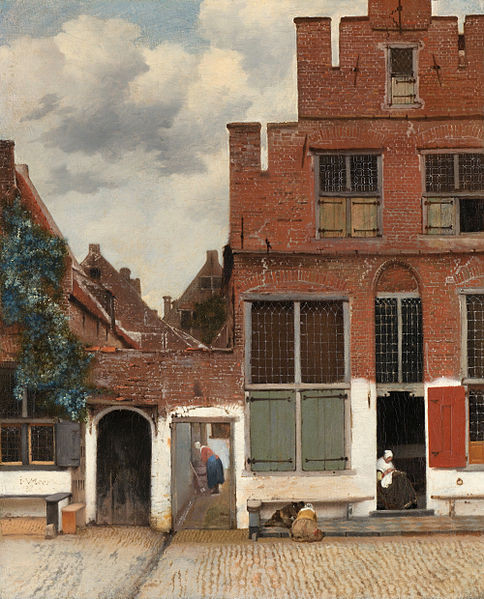
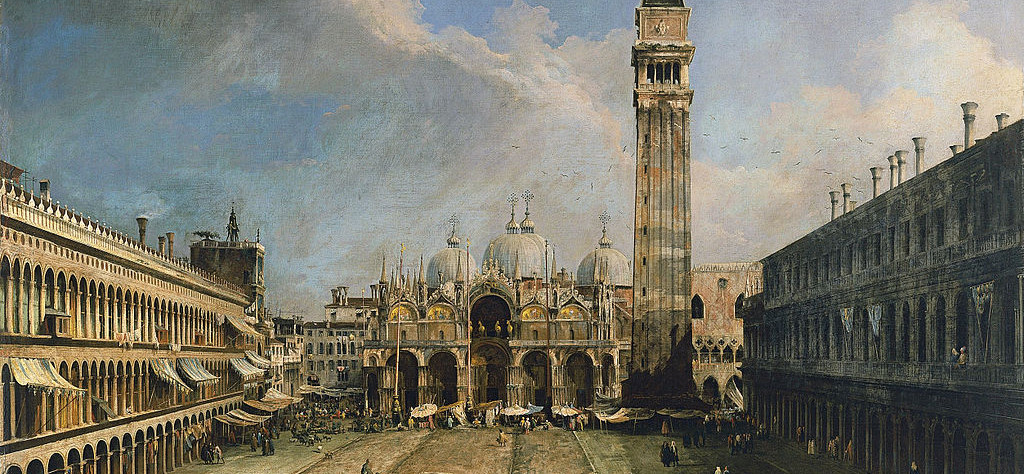
It is precisely among the Dutch artists of the Haarlem region that the use of the camera obscura starts to become common. The pictorial studies of the many landscape artworks typical of that school reveal as much. Among them the study by the academic Philip Steadman, who under the title Vermeer's Camera concludes, after a painstaking analysis, that the evidence points to its use in many of the artist's paintings, an artist who, like well-known colleagues of his such as Dürer, Caravaggio or the view painter Canaletto, made regular use of this tool for his compositions.
Some of the evidence that has allowed researchers to work out that it was used includes the absence of perspective lines and preparatory drawings; the treatment of light reflecting off certain surfaces (in Vermeer's case, for instance, the characteristic blurring of his landscapes was due to the minimal depth of field that the optical systems of the day allowed); and the fact that the size of the paintings tends to match the dimensions of the cameras obscura of the period.
Even so, and regardless of whether they used it, artists had to understand, rather than simply trace, the confessions light had made inside the camera in order to produce their artworks. And that skill can't have been a small thing, especially given the primitive forms, almost whispers, that the light captured in there left them.
Comments (0)
Log in to leave your comment. Log in