
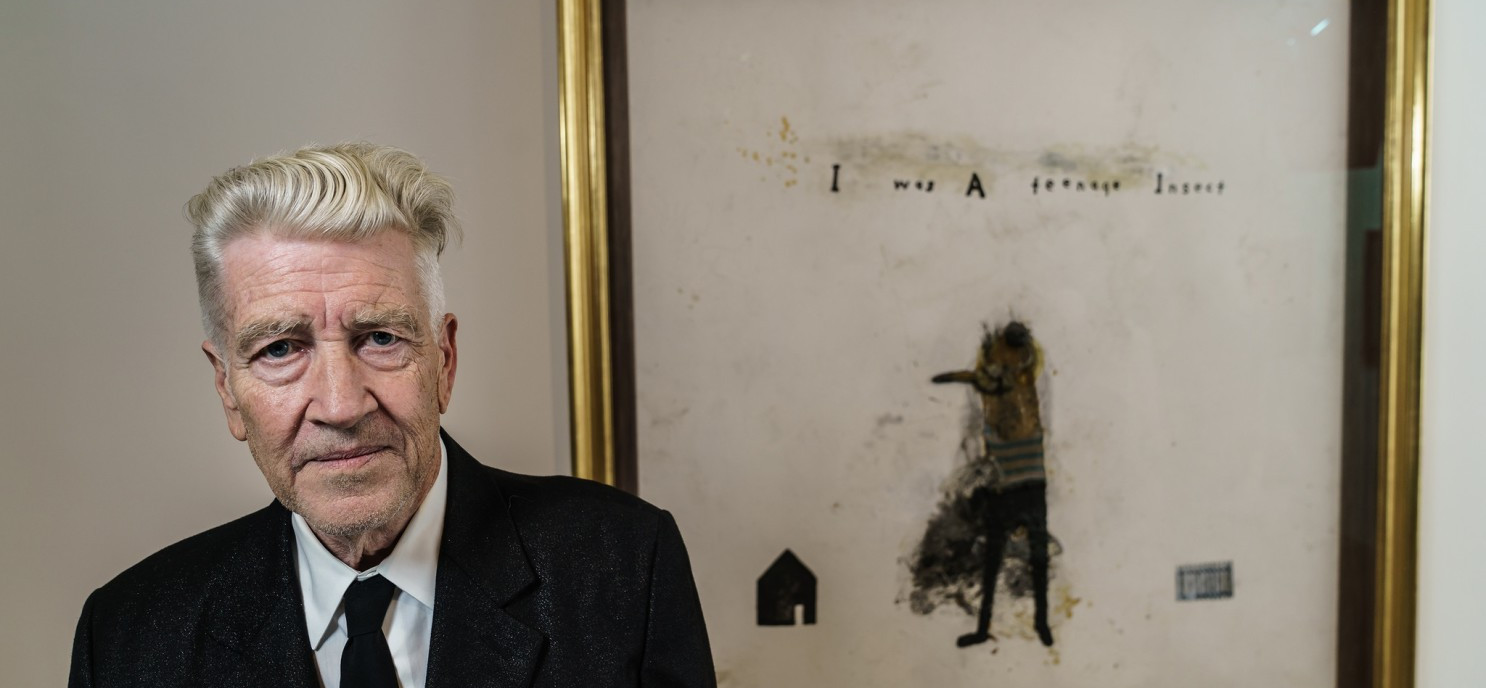
“I've never, never had success. I'm still looking, and that's what keeps me trying and finding something that just gives you a thrill”.
That's how David Lynch talked about his painting in a long interview with Artnet. Humble and funny, as always, the American filmmaker admitted that his painting hasn't reached a high enough level… and he'll keep trying. At 73, Lynch's creative fever hasn't run dry, and although we may never see him premiere another film project, he keeps painting in his studio, smoking, drinking coffee as black as "midnight on a moonless night", with his six-year-old daughter beside him.
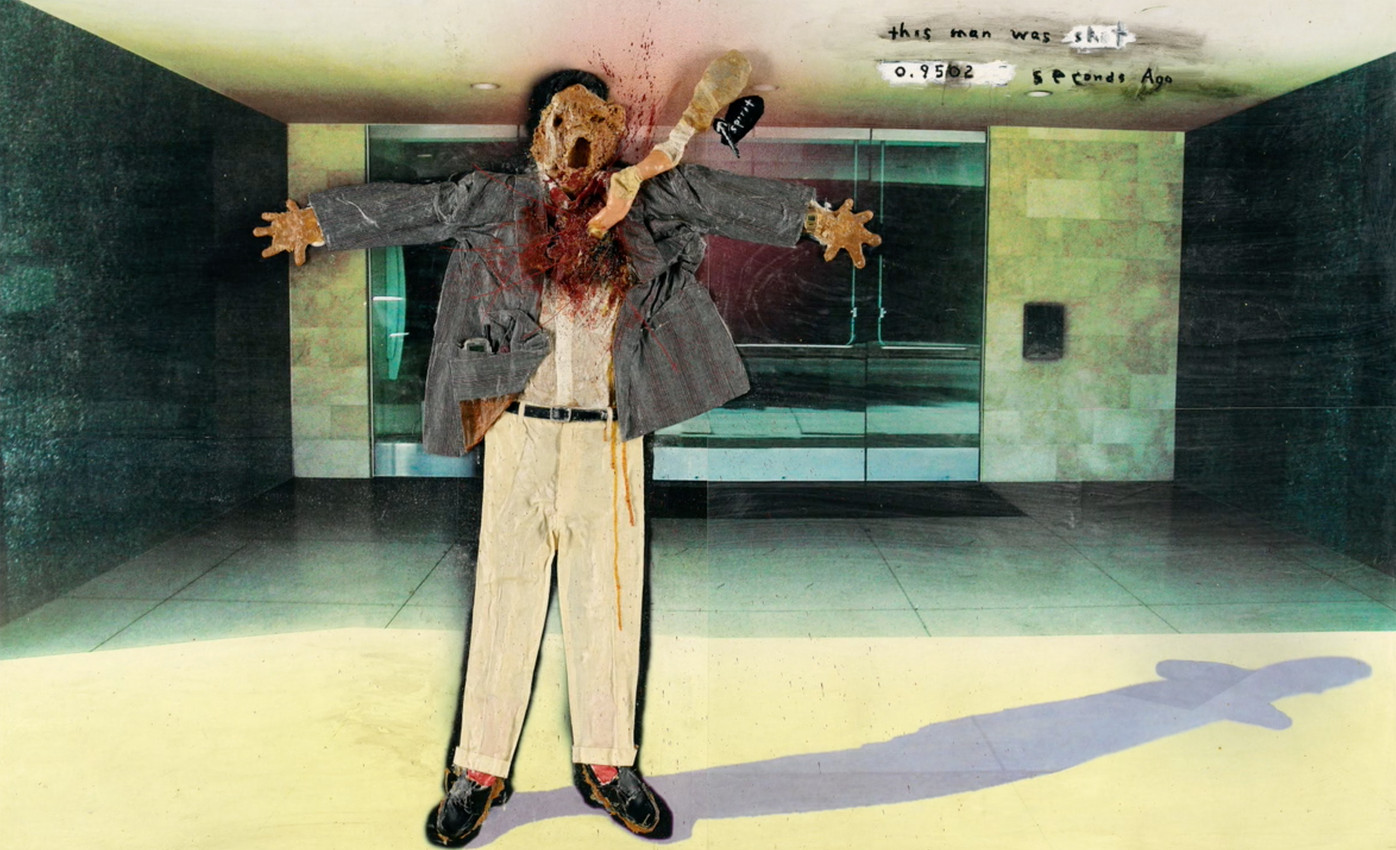
Lynch is right, if he weren't who he is, his paintings might never have hung in a retrospective at the Bonnefantenmuseum in Maastricht as they did in early 2019. But David Lynch is one of the most important artists in cinema of the last few decades, and his enormous legion of fans wants to know more about the unfathomable mystery hiding behind that great white mane the genius from Missoula, Montana sports.
But Lynch isn't the typical artist who makes it in one discipline and then, as a hobby, decides to take on another: because he can, because he feels like it and because he can afford it. No, he already did that with music. His relationship with painting is very different. David Lynch started out as a painter. And from there, for various reasons (mainly because his paintings didn't attract enough attention) he moved into film.
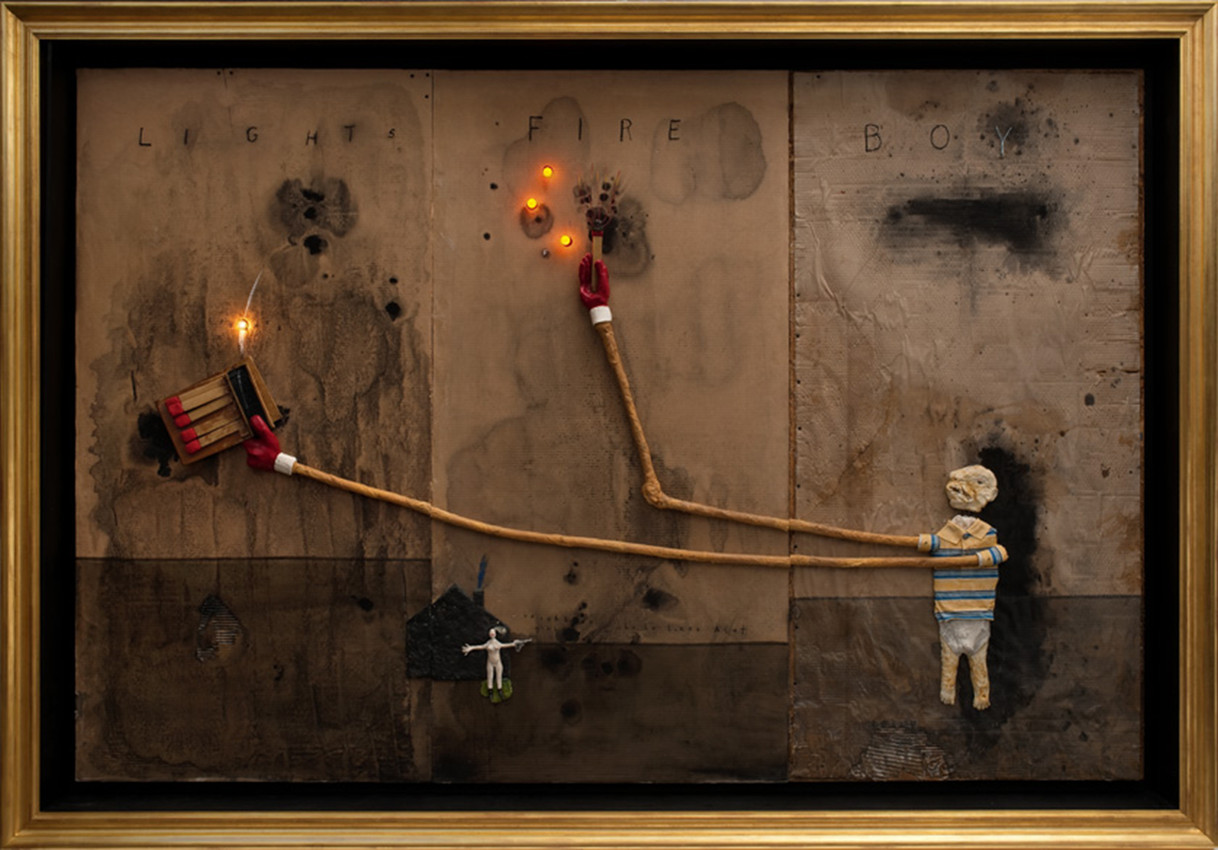
It all started in Virginia, one of the many places he lived as a young man because of his parents' itinerant jobs. “My mother knew there was something inside me that was very powerful. Something that needed to come out”. And Lynch starts painting and training in the arts. At barely 18, he throws caution to the wind and heads to Europe to follow his idol Oskar Kokoschka, but the trip with his friend Jack Fisk ("very badly organized", according to Lynch himself) is over in two weeks.
Lynch goes back to the United States and moves to Philadelphia, a city that has a powerful influence on his character: "It was a city full of fear, insanity, corruption, decay, violence and a lot of unrest in the air. But I loved the architecture and I loved the feeling of a world of factories, the industry of the smokestacks and their buildings".
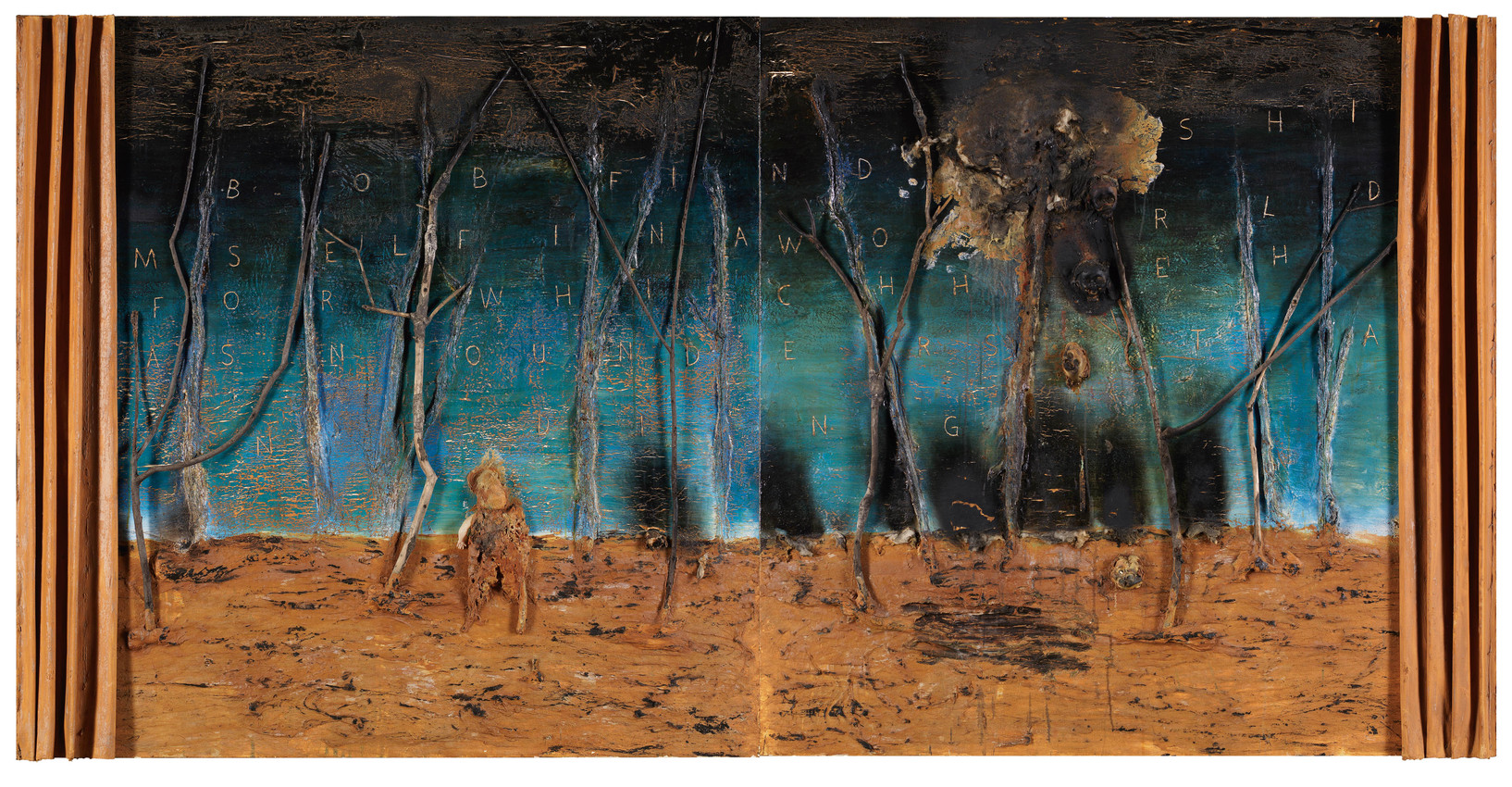
In the late 60s, Lynch starts experimenting with painting with moving parts, following the experiments of Calder, another of his artistic references, adding electrical circuits and scrap materials. It's the prelude to his first animated shorts, which take him for good to Los Angeles, to Eraserhead and to cinema. Although it took him four long years to finish Eraserhead, going through all kinds of personal troubles (the divorce from his first wife, for example), that undeniable masterpiece opened the doors of Hollywood for him. The rest is history.
And painting? His new job as a filmmaker no longer left him much time for his (real) passion: "The problem is that when you're working on a film, it's almost 24/7. So if an idea for a painting comes along I don't have time to get it down, and by the time the film is finished that idea has vanished".
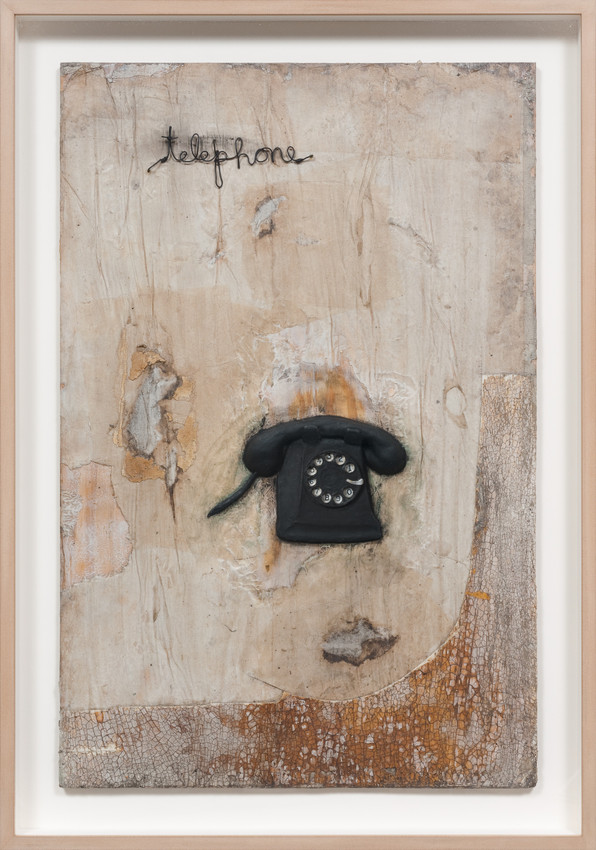
But once Lynch gradually steps back from the front line of cinema after Mulholland Drive (2001) and spaces out his film projects more and more, the creator of Twin Peaks can return to his studio and focus more on painting. And that's how ideas start coming that he does have time to get onto the canvas.
And what is his painting like? His canvases are closer to the expressive but brutal minimalism of Eraserhead. Not for nothing is that the film closest to his painter's heart. Influenced by some of his heroes, like Francis Bacon or Julian Schnabel, Lynch lays out in his paintings that universe of his, often indecipherable but funny and unsettling in equal measure.
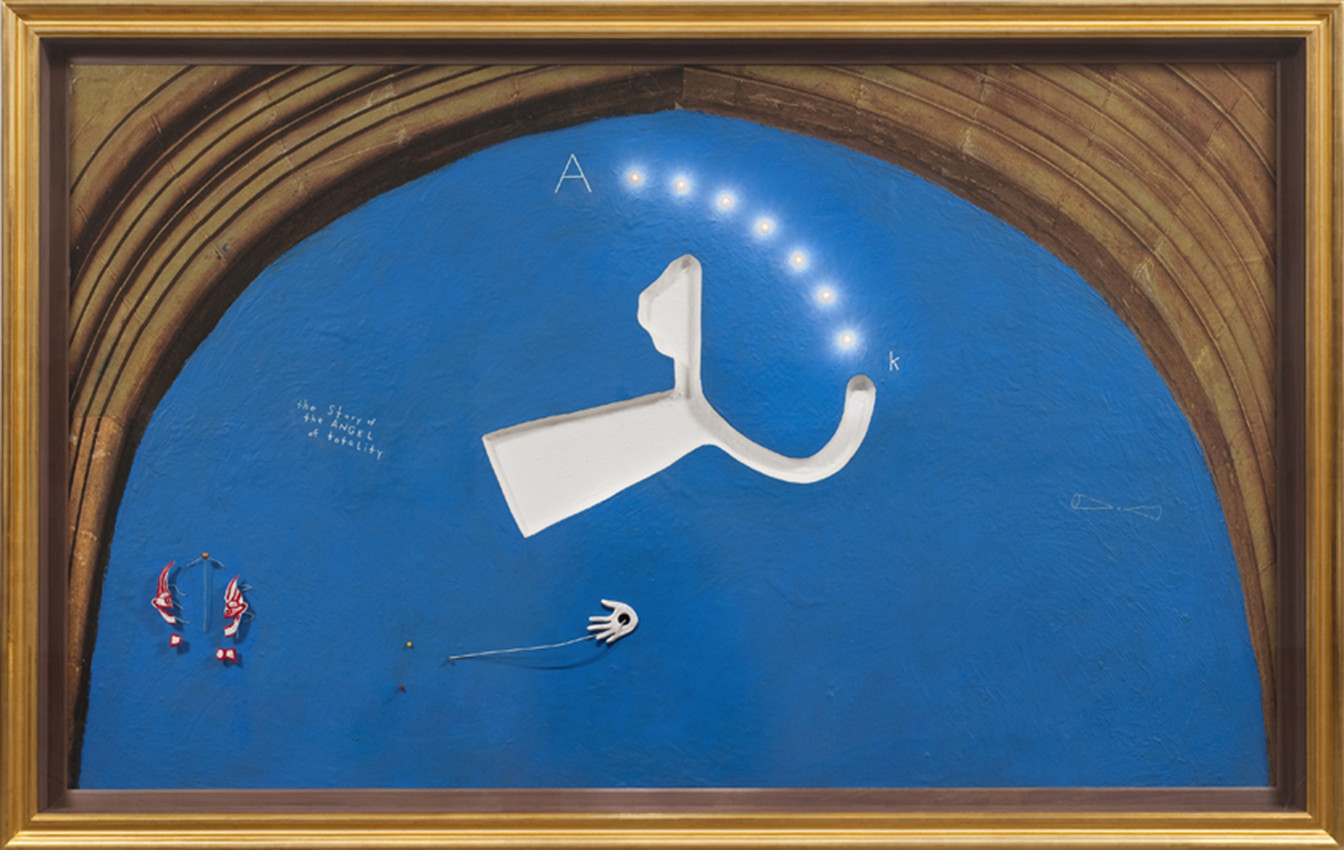
"The image has become cheaper and cheaper, and the world is filled with millions of images. But a painting is a unique thing. When you stand in front of a thing that's not made on a computer, it's something special. (…) So those things, in my opinion, are even more precious today than they used to be". It seems that the frustrated painter David Lynch will keep making violently precious things in his Los Angeles studio, with a cigarette and a coffee as black as a moonless night for company.


Comments (0)
Log in to leave your comment. Log in